
Is the Light Flip the Ultimate Cure for Smartphone Addiction?
The Digital Minimalism Movement For years, the modern smartphone was marketed as a miracle of connectivity, promising to tether us to the…


The recent ruling by U.S. District Judge Araceli Martínez-Olguín marks a definitive milestone in the ongoing struggle to define the boundaries of intellectual property in the age of generative AI. By officially approving the $1.5 billion class-action settlement, the court has provided a structural framework for addressing how large language models (LLMs) ingest and utilize protected literary works. This legal resolution effectively concludes a protracted battle between a coalition of prominent authors and Anthropic, the AI laboratory behind the Claude model series, which had been accused of using copyrighted books without authorization to train its systems. The settlement is not merely a financial transaction; it represents a hard-won victory for the creative community, establishing a tangible mechanism for authors to seek redress when their life’s work is leveraged for corporate gain.
At the core of this settlement is a detailed financial and operational restructuring aimed at providing what the court has deemed “meaningful relief” for the affected parties. The massive $1.5 billion figure encompasses a mix of direct compensation, licensing fees, and the implementation of more robust technical safeguards to prevent future unauthorized usage. This structure acknowledges that the harm inflicted on authors is both immediate—via the loss of control over their narratives—and long-term, as their writing styles and specific content are ingested into models that compete directly with their professional output. By codifying these requirements, Judge Martínez-Olguín has effectively moved the discourse from abstract ethical concerns to concrete legal obligations that AI firms can no longer ignore.

The significance of this ruling extends well beyond the specific parties involved, as it provides a foundational legal precedent for similar litigation currently pending against other major tech entities. Legal experts observe that by securing a structured settlement, the plaintiffs have successfully bypassed the uncertainty of a full-scale trial, which could have lasted years and resulted in unpredictable appellate outcomes. Instead, the court-approved agreement forces a degree of transparency and accountability regarding training data provenance, a subject that has long been shrouded in corporate secrecy. This creates a powerful incentive for other AI developers to pursue licensing agreements proactively, rather than risking the financial and reputational damage associated with class-action copyright litigation.
The court’s approval serves as a clear signal that the era of ‘data scraping without consequence’ is reaching its end, forcing AI developers to shift toward sustainable, permission-based models of innovation.
Ultimately, this case acts as a critical turning point in the broader legal context of generative AI, where the tension between rapid technological advancement and the rights of creators has reached a boiling point. As the industry moves forward, this settlement will likely serve as the benchmark for future negotiations, ensuring that the development of cutting-edge technology does not come at the expense of the human ingenuity that fuels it. Authors and publishers alike can now point to this precedent as a definitive acknowledgment of their digital rights, effectively changing the power dynamic between individual creators and the multi-billion-dollar entities that utilize their intellectual labor.

To understand the heart of the legal battle surrounding companies like Anthropic, one must first demystify the “training” process that powers large language models (LLMs). At its most fundamental level, training an AI involves feeding the model vast, gargantuan datasets consisting of billions of words scraped from the public internet—including novels, news articles, academic journals, and blog posts. Automated software, often referred to as a “web crawler” or “scraper,” systematically traverses the web to harvest this text, stripping away the formatting of original websites to create a massive, homogenized library of human language. The model does not “read” these books in the human sense; instead, it uses statistical algorithms to map the relationships between words, learning the probability of one term appearing after another. By processing these patterns across millions of pages, the AI gains the ability to predict language, mimic tone, and synthesize information in a way that feels remarkably human.
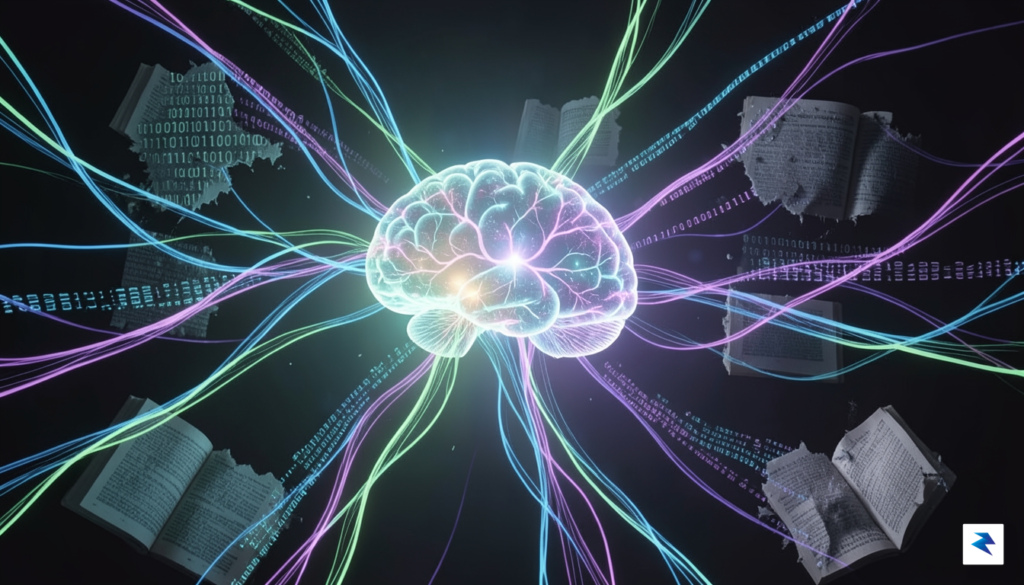
The controversy arises because of the distinction between “transformative use” and direct replication. Tech companies often argue that their models are engaging in a transformative process, essentially using copyright-protected works as raw data to create something entirely new and functional, which is a protected concept under existing fair use doctrines. However, many authors and creators see the process differently. They argue that when a model is trained on their creative output, it is effectively ingesting their unique voice, narrative structures, and intellectual property without permission, credit, or financial compensation. The fear is that these models are not merely “learning” from the works; they are potentially memorizing them, leading to instances where an AI can reproduce passages that are eerily similar to the original copyrighted material.
The ethical friction point is clear: does the utility of a revolutionary tool justify the involuntary use of the creative labor that made that tool possible?
This tension highlights a significant gap between current technological capabilities and existing copyright law. Authors contend that their intellectual property is being exploited to build commercial products that could eventually replace the very people whose work provided the foundation for the AI’s competence. Because the current training process happens at such a massive scale, obtaining individual consent from millions of rights holders is logistically difficult, if not impossible, for companies looking to maintain a competitive edge. As a result, the industry has largely operated on an “opt-out” or “scrape-first, ask-later” basis. This lack of transparency and consent is precisely what has led to the current wave of litigation, as creators demand a new framework where the value generated by AI is shared more equitably with the human minds that provided the initial, essential input.

For the thousands of writers whose intellectual property was ingested into Anthropic’s training datasets without express consent, the approved $3,000-per-book payout structure represents a tangible, if controversial, milestone in the ongoing conflict between generative AI and creative labor. This financial restitution serves as a direct acknowledgement that the immense value derived from human-authored literature is not a free resource to be harvested at will. However, while a lump-sum payment may provide temporary relief for some, it triggers a deeper debate regarding the long-term sustainability of the creative industry. Many authors are left questioning whether this settlement functions as a genuine mechanism for restorative justice or if it essentially creates a “pay-to-play” landscape where tech giants can simply buy the right to commodify human creativity in perpetuity.
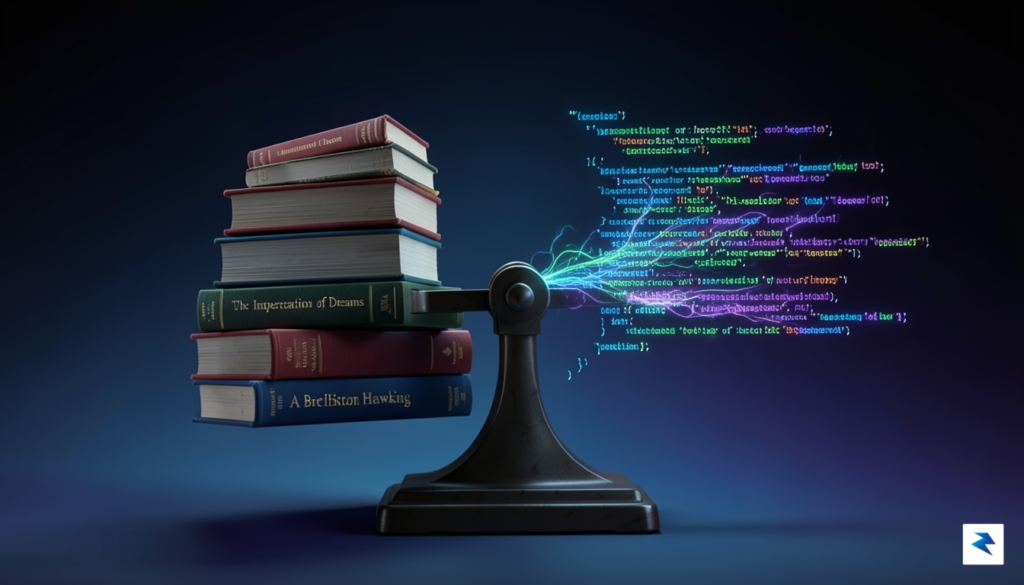
The core of the apprehension lies in the fact that a one-time settlement payment does little to address the systemic issues surrounding future training practices. Critics argue that paying for past usage does not necessarily secure the ethical standards of tomorrow, nor does it establish a transparent framework for how authors might opt out of future iterations of these large language models. By settling these claims, companies may be insulating themselves from more rigorous legal precedents that could have otherwise forced a fundamental overhaul of AI data scraping methodologies. Consequently, many creators feel that while their past contributions are finally being acknowledged with a check, the underlying power dynamic remains skewed heavily in favor of the platforms that utilize their life’s work to build competing intelligence.
The true measure of this settlement is not found in the dollar amount, but in whether it forces a shift toward a future where the partnership between human writers and machine intelligence is built on explicit, ongoing consent rather than retroactive payouts.
Ultimately, this settlement forces the literary community to grapple with a difficult reality: the commodification of human expression by AI is likely to continue, leaving authors to navigate a path between demanding fair compensation and resisting the total dilution of their craft. While the financial relief will certainly be welcomed by many, it is unlikely to satisfy those who view the unconsented use of their voices as an existential threat to the profession. As the industry moves forward, the focus must shift from merely litigating past grievances to establishing robust, enforceable standards that prioritize the autonomy of the creator over the efficiency of the algorithm. Without such safeguards, this settlement may be remembered less as a victory for authors and more as a baseline cost of doing business in an era where data is the most valuable currency on earth.

The recent settlement involving Anthropic marks a pivotal shift in the legal landscape of generative artificial intelligence, though it is far from the final chapter in the industry’s ongoing struggle with copyright compliance. By establishing a high-stakes financial benchmark for the use of copyrighted material in training sets, this ruling effectively puts other tech giants—such as OpenAI, Google, and Meta—on notice. These companies are currently navigating their own parallel litigations, and the shadow of this settlement will undoubtedly influence how they approach future discovery phases and settlement negotiations. Rather than viewing this as an isolated event, industry analysts see it as a catalyst for a broader industry recalibration, where the “move fast and break things” era of data scraping is being forced to confront the harsh realities of intellectual property law.

As a direct result of this pressure, we are likely to see a rapid shift toward standardized licensing agreements as the primary mechanism for sourcing training data. The ad-hoc, unregulated scraping of the open web is becoming a liability that few major firms can afford to carry indefinitely. We can anticipate the emergence of “opt-out” models becoming a baseline expectation for creators, if not a legal mandate. Furthermore, large-scale licensing deals—where AI developers pay royalties to publishers and author collectives in exchange for access to proprietary archives—may soon become the industry gold standard. This transition would not only provide a layer of legal insulation for developers but also create a sustainable revenue stream for the creative professionals whose work powers the underlying large language models.
The core of the issue is no longer whether AI models can learn from human creativity, but rather how the economic value generated by that learning is shared with the originators of the data.
Ultimately, while judicial rulings like this one provide necessary stopgaps, they are rarely the most efficient way to regulate rapidly evolving technology. The courts are inherently reactive, interpreting statutes drafted long before the advent of transformers or diffusion models. Consequently, there is an increasing demand for clear legislative intervention that defines the boundaries of “fair use” in the context of synthetic media. Whether through new copyright frameworks or updated federal guidelines, Congress must eventually step in to provide the clarity that the legal system currently lacks. Until such legislation arrives, we remain in a period of institutional tug-of-war, where every major lawsuit serves as a temporary proxy for the comprehensive policy framework that the digital age so desperately requires.

The rapid proliferation of artificial intelligence has ignited a profound cultural debate that pits the accelerating pace of technological innovation against the fundamental rights of human creators. At the heart of this tension lies a critical question: how can we build systems that process the sum of human knowledge without undermining the livelihoods of the very people who produced that knowledge? While AI models promise to revolutionize fields ranging from medicine to creative writing, their reliance on vast datasets often harvested without explicit consent has left authors, artists, and journalists feeling sidelined. This legal settlement serves as a wake-up call, highlighting that the era of “move fast and break things” must evolve into a more mature phase defined by accountability and mutual respect.

To bridge this divide, the industry must move toward a model of radical transparency. It is no longer sufficient for developers to treat training data as an opaque “black box.” Ethical development requires that companies clearly disclose the provenance of their datasets, allowing creators to understand how their work has contributed to the development of commercial products. By establishing clear opt-in or opt-out mechanisms and providing granular visibility into the ingestion process, AI firms can begin to rebuild the fractured trust between Silicon Valley and the creative community. This transparency is the necessary foundation upon which fair, long-term relationships can be built.
The future of generative AI hinges not just on computational power, but on the creation of a sustainable ecosystem where human ingenuity is treated as a foundational asset rather than raw, free material.
Looking ahead, the solution likely resides in the development of collaborative licensing models and standardized fair-compensation frameworks. Rather than relying on sporadic, reactive litigation, the tech sector should work toward proactive partnerships with publishing houses, guilds, and individual creators. This could take the form of collective licensing agreements, where AI developers pay into a fund—or subscription-based revenue-sharing model—that compensates authors for the use of their intellectual property in model training. Such a system would ensure that as machines become more adept at emulating human style and knowledge, the humans behind that intelligence remain not just protected, but economically empowered. By integrating these safeguards into the design phase of AI systems, we can foster a future where technology amplifies human creativity instead of cannibalizing it.
You must be logged in to post a comment.