The Kevin Warsh Effect: A Shift in Monetary Strategy
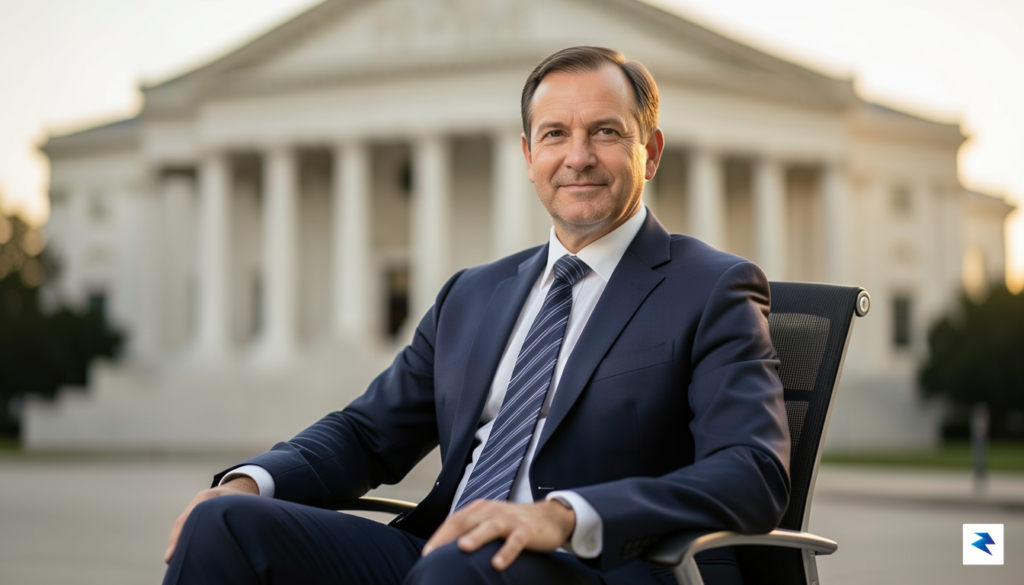
The sudden prominence of Kevin Warsh within the upper echelons of monetary discourse has acted as a catalyst for a profound reassessment of Federal Reserve strategy. Long recognized for his rigorous intellectual framework and a historical skepticism toward easy-money policies, Warsh brings a philosophy that prioritizes long-term structural stability over the immediate, often reactionary, stimulus measures that defined the post-pandemic era. His return to the center of the economic conversation signals that the era of reflexive dovishness—where markets could comfortably bank on consistent rate cuts—may be coming to an abrupt, decisive end.
For months, institutional investors and retail traders alike operated under the assumption that the Federal Reserve would prioritize a steady decline in borrowing costs to encourage continued economic expansion. This prevailing consensus, which favored a soft landing achieved through gradual easing, is now being aggressively challenged by Warsh’s hawkish rhetoric. By emphasizing the dangers of persistent inflation and the potential for a wage-price spiral, he has effectively dismantled the comfort blanket that kept market volatility in check. Consequently, traders are forced to confront a reality where the “pivot” they were eagerly anticipating has been replaced by a much more cautious, potentially restrictive path for interest rates.
The core of the Warsh doctrine lies in the belief that credibility is the central bank’s most valuable asset, one that is easily squandered by premature pivots toward accommodation.
The impact of this tactical pivot has been immediate, manifesting in a sharp recalibration of yield curves and a noticeable tightening of financial conditions across the board. Market sentiment, once buoyed by the promise of cheap capital, has pivoted toward a state of heightened vigilance as participants digest the implication that higher rates might persist for longer than originally forecasted. This transition is not merely a technical adjustment; it represents a psychological shift for institutional confidence. As Warsh advocates for a return to more traditional monetary discipline, he is compelling the broader financial ecosystem to move away from the speculative fervor of the past and toward a more sober valuation of risk, essentially rewriting the math that has governed asset pricing for years.
- Re-evaluation of Risk: Investors are moving away from high-growth, high-leverage sectors as the cost of debt rises.
- Yield Curve Volatility: The bond market is reflecting a new reality where long-term yields remain elevated to combat inflationary pressures.
- Policy Transparency: Warsh’s preference for clear, rules-based policy is stripping away the ambiguity that previously allowed markets to “guess” the Fed’s next move.
Ultimately, the arrival of this hawkish lens marks a definitive departure from the status quo. By questioning the efficacy of historical monetary support mechanisms, Warsh has successfully injected a new sense of urgency into the debate over interest rates. Whether this leads to a period of sustained economic hardening or a necessary recalibration of the financial sector remains to be seen, but the narrative has fundamentally changed. Investors who fail to account for this strategic shift risk being caught on the wrong side of a market that is rapidly moving toward a higher-rate equilibrium.
Decoding the Hawkish Pivot: What Warsh’s Rhetoric Means for Inflation
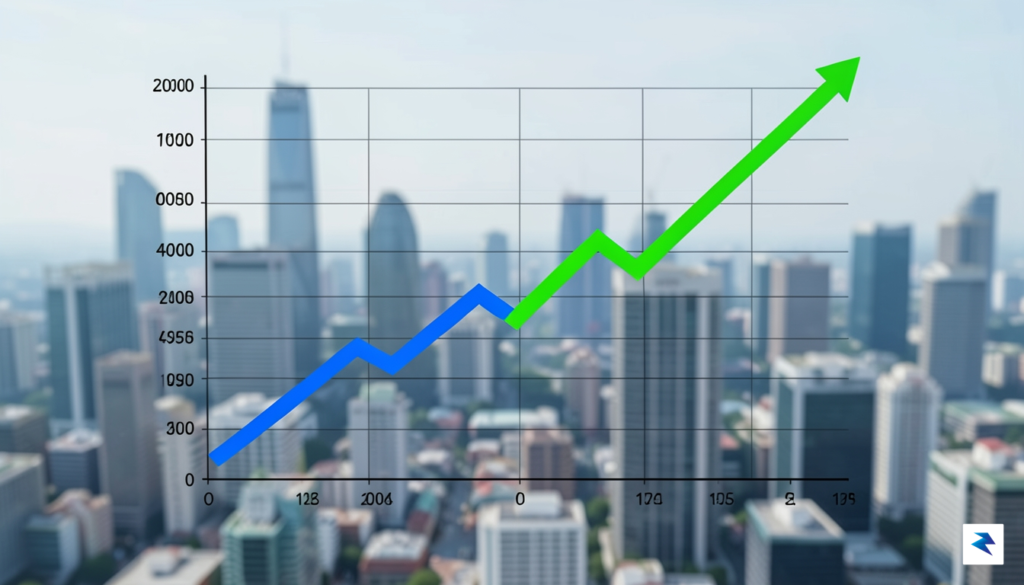
A “hawkish” stance within central banking refers to a policy outlook that prioritizes controlling inflation, often through tighter monetary conditions, even if it means sacrificing some immediate economic growth. In the current economic cycle, characterized by persistent price pressures, this means the Federal Reserve, or figures like Warsh influencing its discourse, are signaling a readiness to aggressively raise interest rates and reduce the money supply. This is a significant pivot from the “dovish” policies that often favor economic stimulus and employment growth, marking a fundamental shift where price stability is no longer a secondary concern but the paramount mandate for long-term market health. Consequently, we are seeing a clear indication that the cost of borrowing across the economy is likely to increase, impacting everything from mortgages and car loans to business investments.
The urgency behind this hawkish turn stems directly from a confluence of entrenched inflationary pressures that have proven more stubborn than initially anticipated. Lingering global supply chain disruptions, exacerbated by geopolitical events and uneven post-pandemic recovery, continue to push up the cost of goods. Furthermore, robust consumer demand, fueled by pent-up savings and past fiscal stimulus, has outstripped supply in many sectors, creating an environment ripe for price hikes. Perhaps most critically, a tight labor market is leading to significant wage growth, which, while beneficial for workers, can contribute to a wage-price spiral if businesses pass these increased labor costs onto consumers. These factors together have raised concerns that inflation is not merely transient but becoming embedded in economic expectations, making it harder to dislodge without decisive action.
Implementing such tight monetary policy during a period of economic volatility, however, presents a difficult calculus of potential “pain” versus long-term “gain.” On the pain side, higher interest rates inevitably increase borrowing costs for consumers and businesses, which can cool demand, slow economic growth, and potentially even tip the economy into a recession. Asset markets, including stocks and real estate, often react negatively to rising rates as future earnings are discounted more heavily and borrowing becomes more expensive. Yet, the anticipated gain is the restoration of price stability, which is foundational for sustainable economic growth and prevents the corrosive effects of runaway inflation on purchasing power and investment. By anchoring inflation expectations and reasserting control over prices, the Fed aims to foster a more predictable economic environment that encourages long-term planning and investment, ultimately benefiting everyone. This trade-off, while potentially uncomfortable in the short term, is viewed as a necessary step to prevent even greater economic instability down the line.
Market Reactions and the End of Rate-Cut Expectations
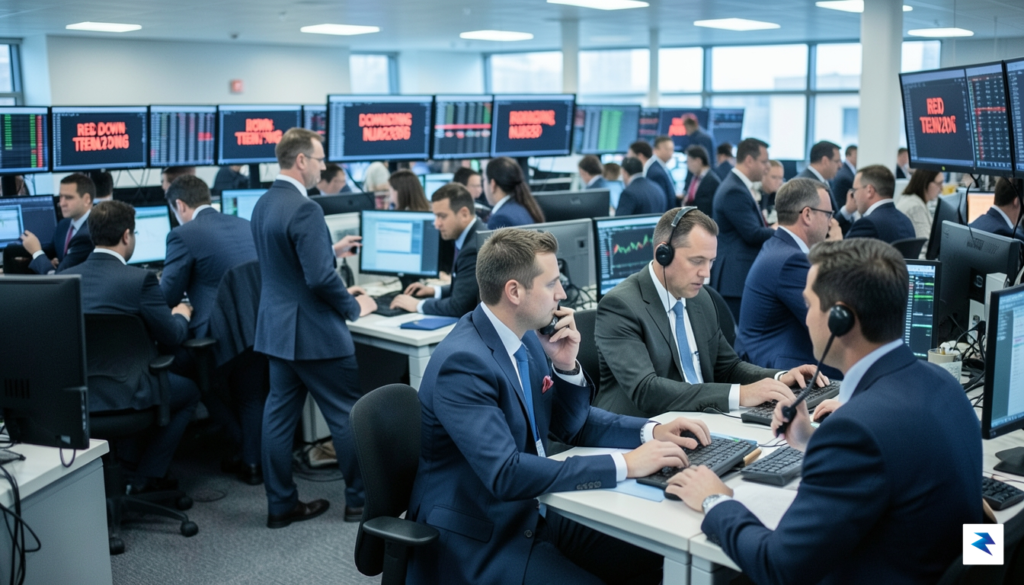
For what felt like an eternity in financial markets, the prevailing sentiment and indeed the meticulous positioning of futures contracts pointed unequivocally towards a future replete with interest rate cuts. Traders, analysts, and investors alike had meticulously calibrated their models, assuming a series of reductions that would gradually ease borrowing costs and potentially stimulate economic activity. This deeply ingrained expectation, often fueled by subtle signals from central bank rhetoric and economic data points, became the bedrock upon which countless investment strategies were built, shaping everything from bond yields to equity valuations.
However, the recent decisive pivot articulated by Governor Warsh, emphasizing an unyielding commitment to taming persistent inflation, has sent a seismic shockwave through those carefully constructed assumptions. This hawkish turn has not merely tweaked the outlook; it has effectively scrambled the entire mathematical framework that underpinned market expectations, necessitating an immediate and profound re-evaluation. The consequence is stark: within days, the futures market has dramatically recalibrated, now actively pricing in the probability, if not the near certainty, of at least one interest rate hike before the current year concludes. This represents a complete reversal of fortune, signaling a robust shift from a dovish stance to a decidedly tighter monetary policy.
This rapid adjustment is a classic example of the ‘repricing’ phenomenon, where institutional investors, armed with sophisticated algorithms and real-time data feeds, swiftly update their risk models and capital allocation strategies. The implications are far-reaching; bond traders, who had anticipated rising prices as rates fell, now face potential losses as yields are pushed higher. Equity analysts must reassess discount rates, potentially leading to lower valuations for growth stocks, while currency markets react to the stronger appeal of higher-yielding assets. This isn’t merely an academic exercise; it involves billions of dollars shifting across asset classes, creating both winners and losers in its wake as the market digests this new reality and attempts to find a new equilibrium.
Beyond the quantitative shifts, there’s a palpable psychological transition unfolding within the banking sector and broader financial community. What was once an atmosphere of cautious optimism, buoyed by the prospect of cheaper money, has now given way to a palpable sense of caution, if not outright apprehension. Bankers are recalibrating lending standards, corporate treasurers are re-evaluating debt strategies, and even consumers might feel the distant rumble of higher mortgage and loan rates. This shift from anticipating relief to bracing for potential tightening fosters an environment where prudence takes precedence, underscoring the profound impact that key central bank figures can have on the collective psyche and strategic planning across the entire economic spectrum.
The Balancing Act: Economic Growth vs. Price Stability
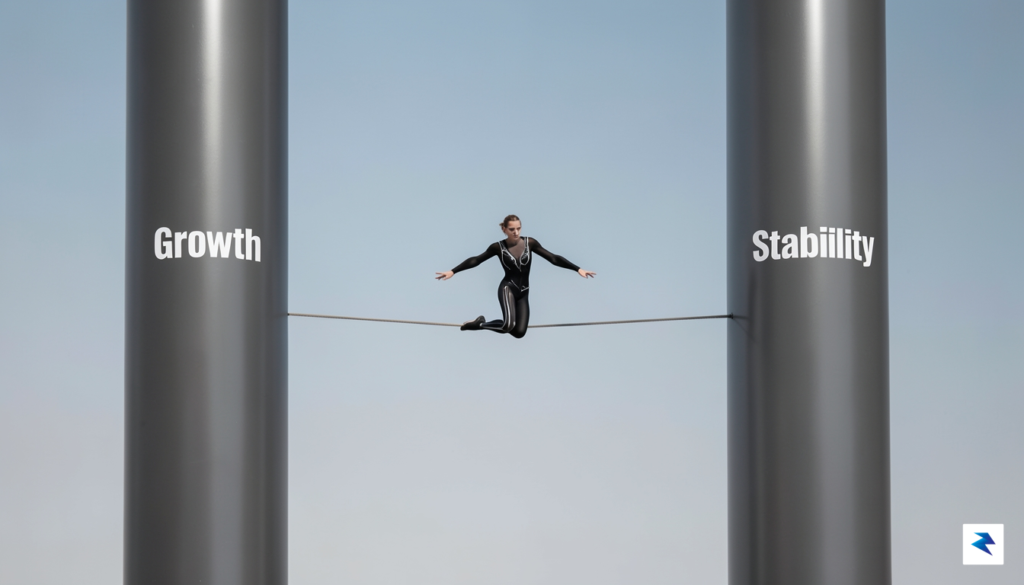
The core challenge confronting central bankers today, and certainly a key consideration for influential figures like Kevin Warsh, encapsulates a timeless dilemma in monetary policy: how to effectively rein in an economy showing signs of overheating without inadvertently plunging it into a painful recession. This delicate high-wire act demands not only an acute understanding of economic indicators but also impeccable timing and crystal-clear communication to guide market expectations. The path forward is fraught with risk, as policymakers must navigate between the Scylla of stifled growth and the Charybdis of entrenched inflation.
On one side of this precarious balance lies the danger of over-tightening. Should the Federal Reserve, or any central bank, raise interest rates too aggressively or too quickly, the ripple effects can rapidly permeate every corner of the economy. Higher borrowing costs for businesses can lead to a reduction in investment, a slowdown in hiring, and even job cuts as companies scale back expansion plans. Simultaneously, consumers face increased costs for mortgages, car loans, and credit card debt, prompting them to reduce discretionary spending. This collective contraction in economic activity can quickly erode consumer confidence, suppress demand, and ultimately trigger a significant economic downturn or even a full-blown recession, sacrificing jobs and prosperity in the name of price stability.
Conversely, the perils of under-tightening are equally formidable. If inflation is allowed to persist and become deeply ingrained in the public’s expectations, it can inflict lasting damage on an economy. When prices continuously rise, the purchasing power of wages and savings diminishes, eroding the financial stability of households and businesses alike. This can lead to a destructive wage-price spiral, where workers demand higher wages to keep pace with rising costs, prompting businesses to raise prices further, creating a self-perpetuating cycle. Moreover, a central bank that fails to decisively address inflation risks losing its credibility, making future efforts to manage the economy significantly more challenging and potentially requiring even more drastic measures down the line.
Lessons from Economic History
History offers powerful cautionary tales for both scenarios. The 1970s serve as a stark reminder of the consequences of under-tightening. During this decade, policymakers initially struggled to confront persistent inflation, often opting for less aggressive measures. The result was a prolonged period of “stagflation”—high inflation coupled with stagnant economic growth and high unemployment. Inflationary pressures became deeply embedded in the public psyche, making it exceedingly difficult to dislodge without severe intervention. This era vividly illustrates how a failure to act decisively against rising prices can lead to widespread economic malaise and a loss of public trust in monetary authorities.
In contrast, the early 1980s under then-Fed Chair Paul Volcker demonstrated the costly but ultimately effective path of aggressive tightening. Faced with runaway inflation, Volcker dramatically raised interest rates, pushing the federal funds rate to unprecedented levels. While this decisive action successfully broke the back of inflation and restored price stability, it came at a significant cost, triggering a severe recession with high unemployment. The Volcker shock proved that while central banks possess powerful tools to combat inflation, their deployment often involves difficult trade-offs and can exact a painful toll on economic growth and employment in the short term. These historical precedents underscore the immense responsibility resting on the shoulders of today’s monetary policymakers as they weigh the risks of their actions.
The current environment, therefore, demands an exceptionally nuanced approach. The Fed’s current trajectory, influenced by figures advocating for a more hawkish stance, highlights the ongoing struggle to calibrate policy in real-time. Striking the right balance requires meticulous analysis of incoming economic data, a keen understanding of market dynamics, and the ability to adapt swiftly. The ultimate goal is to achieve a “soft landing”—a scenario where inflation is brought under control without triggering a significant economic downturn. This is the tightrope walk that defines modern monetary policy, and its successful navigation will determine the economic landscape for years to come.
What This Means for Your Portfolio and Future Borrowing

For the average investor, the prospect of a more hawkish stance on interest rates is not merely an abstract debate occurring in Federal Reserve boardrooms; it is a fundamental shift in the cost of capital. When rates trend upward, the traditional calculus for fixed-income assets changes almost immediately. As bond yields rise, the market value of existing bonds with lower coupons typically falls, creating a period of volatility for those holding long-duration debt. Investors who have relied on a “bonds-as-a-safety-net” strategy should consider the duration risk of their portfolios, as rising rates often erode the principal value of these holdings, even if the interest payments remain steady. Transitioning toward shorter-duration bonds or floating-rate instruments may serve as a prudent hedge against the potential for an extended period of tighter monetary policy.

Beyond the realm of investments, the impact on personal debt is perhaps the most immediate concern for households. If you are currently contemplating a major purchase, such as a home or a vehicle, the “wait and see” approach has become significantly more expensive. Mortgage rates are inextricably linked to long-term treasury yields, and a hawkish shift suggests that the era of bargain-basement financing is likely in the rearview mirror. Prospective homebuyers should prioritize locking in rates where possible, or recalibrating their budgets to account for higher monthly debt-service costs. Similarly, variable-rate debt, such as home equity lines of credit or certain credit card balances, may see an uptick in interest charges, making debt consolidation or aggressive pay-down strategies more urgent than they were in a low-rate environment.
Key Takeaway: In a rising-rate environment, the “cost of waiting” increases. Prioritize securing long-term fixed financing now if you have major expenditures on the horizon, as the window for historically cheap borrowing is narrowing.
For long-term retail investors, this shift requires a move away from the growth-at-all-costs mindset that flourished during the period of near-zero interest rates. When capital becomes more expensive, corporate earnings are scrutinized more heavily, and companies with high debt loads or speculative business models often face significant valuation compression. It is time to pivot your focus toward quality: look for companies with strong balance sheets, high free cash flow, and the pricing power necessary to pass increased costs on to consumers. Diversification remains your strongest defense against this macro volatility. Instead of chasing yield in risky corners of the market, focus on a disciplined, multi-asset approach that balances the potential for equity growth with the defensive stability required to navigate a higher-rate future.
- Review your duration: Shift toward shorter-term bonds to reduce sensitivity to rising market rates.
- Stress test your debt: Calculate how a one or two percent increase in your interest rate would impact your monthly mortgage or loan payments.
- Quality over speculation: Reallocate capital toward companies with low debt-to-equity ratios that are less vulnerable to interest rate shocks.