The Warsh Pivot: Why Interest Rates May Be Headed Higher
The Kevin Warsh Effect: A Shift in Monetary Strategy The sudden prominence of Kevin Warsh within the upper echelons of monetary discourse has…
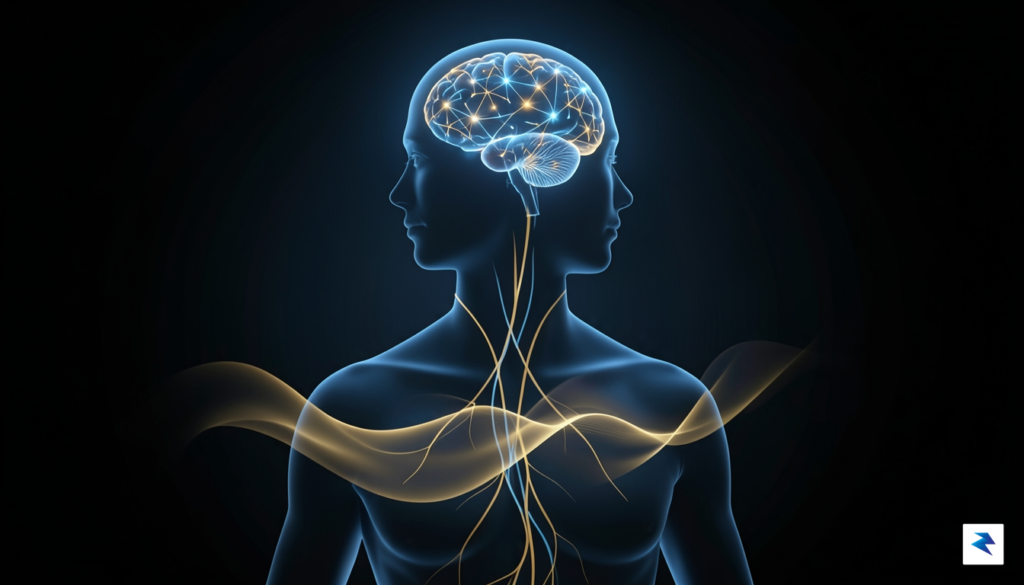
For millennia, across diverse cultures and contemplative traditions, the deliberate control of breath has been revered as a profound pathway to inner peace, mental clarity, and spiritual enlightenment. Ancient yogis, Buddhist monks, and various indigenous healers intuitively understood that the rhythm of our breathing held a direct, potent influence over our state of mind and body. What was once viewed by Western science as intriguing, yet largely unquantifiable, spiritual folklore is now being rigorously investigated and undeniably validated by modern neuroscience. We are on the cusp of a groundbreaking understanding: the simple, unconscious act of breathing is, in fact, a sophisticated modulator of our deepest brain functions, offering a tangible link between our internal physiological state and our cognitive and emotional experiences.
Recent advancements in neuroimaging and physiological monitoring have allowed scientists to peer into the brain with unprecedented detail, revealing that slow, rhythmic breathing does far more than just induce a feeling of relaxation. Groundbreaking research indicates that conscious breath regulation fundamentally reshapes our brain state, dynamically altering neural oscillations and enhancing functional connectivity between key brain regions. This isn’t just about calming the nervous system; it’s about actively influencing how different parts of the brain communicate and operate, thereby impacting everything from our focus and emotional resilience to our decision-making and even our susceptibility to risk.
At the heart of this discovery lies the concept of “respiration-coupled brain activity.” It signifies that our brain doesn’t operate in a vacuum, isolated from the body it inhabits. Instead, it is exquisitely attuned to and deeply influenced by our physiological rhythms, particularly the cycle of inhalation and exhalation. Each breath generates a cascade of sensory signals – from the stretching of lung tissue to the flow of air through the nostrils – that the brain actively processes and integrates. These rhythmic inputs are not merely background noise; they serve as powerful, intrinsic cues that help organize and synchronize neural activity across vast networks.
Indeed, the brain cleverly leverages these physical cues to synchronize its own internal rhythms, known as neural oscillations or brain waves. When we engage in slow, deep breathing, these respiratory rhythms become more consistent and pronounced, providing a stable external pulse for the brain to latch onto. This synchronization is critical: when different brain regions begin to oscillate in harmony, their communication pathways become more efficient and robust. This enhanced connectivity can lead to improvements in cognitive functions like attention and memory, while also helping to regulate emotional responses by fostering better communication between areas responsible for feeling (like the limbic system) and those responsible for executive control (like the prefrontal cortex).
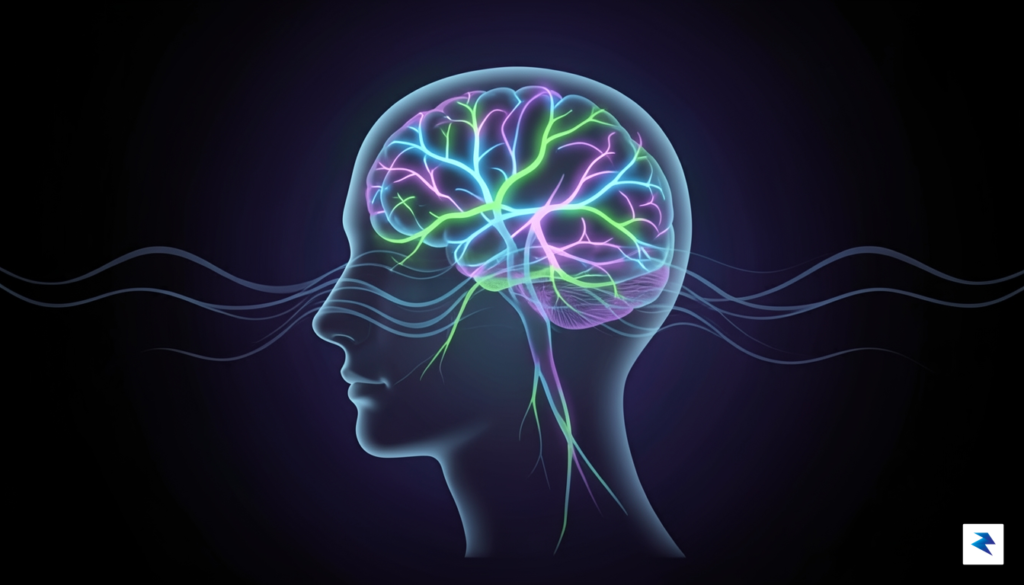
The profound implication of these findings is that our breath, an action often taken for granted, is a direct, accessible lever for influencing our mental landscape and overall well-being. This scientific validation provides a powerful bridge between ancient wisdom and modern understanding, demonstrating that the very act of conscious breathing can be a potent tool for self-regulation, capable of literally “rewiring” the brain for greater calm, focus, and resilience. Understanding this intricate biological connection not only demystifies the ancient practice of breathwork but also opens exciting new avenues for therapeutic interventions in mental health and cognitive enhancement.
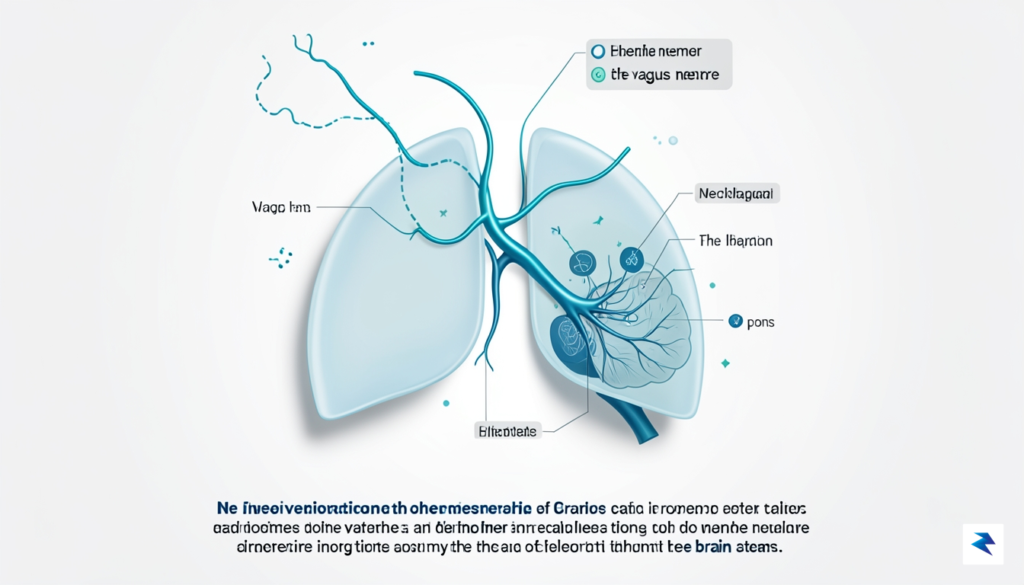
When you intentionally slow your breath, you are doing far more than simply adjusting your oxygen levels; you are physically manipulating the control center of your autonomic nervous system. At the heart of this process is the vagus nerve, the body’s longest cranial nerve, which serves as a primary communication highway between your brain and your internal organs. By adopting a rhythm of slow, deep, diaphragmatic breathing, you effectively stimulate this nerve, triggering a biological shift that acts as a physical “brake” on your body’s stress response. This action tells the brain that the environment is safe, prompting a transition away from the high-alert state of sympathetic arousal—commonly known as the fight-or-flight response—and toward the soothing dominance of the parasympathetic system, often called the “rest-and-digest” state.
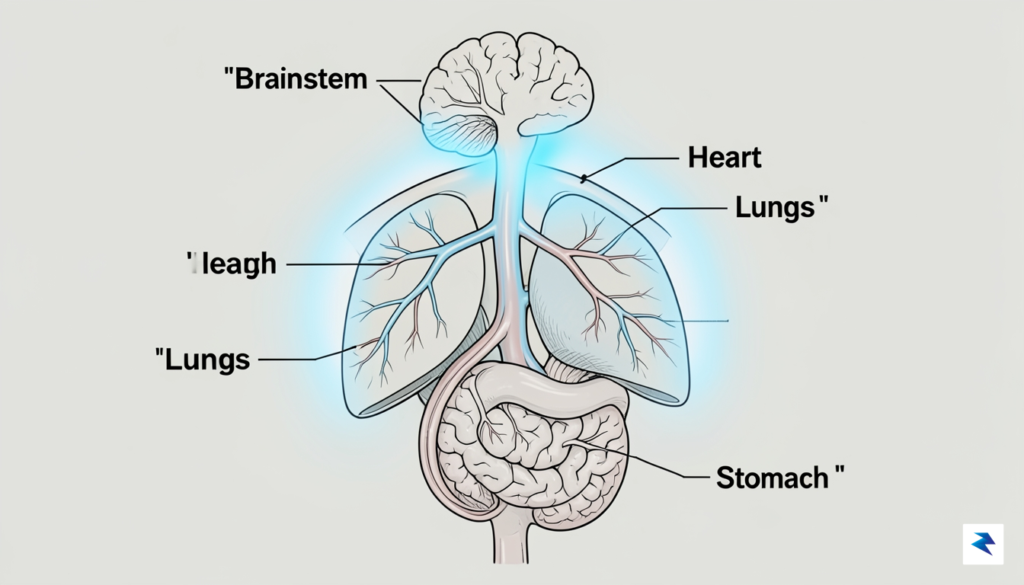
The contrast between shallow, rapid breathing and controlled, diaphragmatic breathing is profound when viewed through the lens of neural output. When we are anxious or threatened, our breathing becomes erratic and shallow, which signals the amygdala—the brain’s fear center—to release stress hormones like cortisol and adrenaline. Conversely, when we consciously engage the diaphragm to pull air deep into the lungs, we send a steady, rhythmic signal to the brainstem. This rhythmic input modulates our heart rate variability, a key indicator of how well our nervous system can adapt to stress. By lengthening the exhalation phase of our breath, we exert a direct inhibitory influence on the sympathetic nervous system, essentially lowering the volume on our internal alarm system and fostering a sense of physiological stability.
Slow, paced breathing serves as a physiological bridge, allowing us to actively override our instinctive stress responses and restore systemic balance.
Ultimately, this process is about reclaiming agency over your biology. While the sympathetic nervous system is designed for quick, reactive survival, the parasympathetic system is the mechanism for recovery and long-term health. Through the simple, repetitive act of paced breathing, you are not merely “relaxing” in a vague sense; you are actively rewiring your neural architecture to prioritize calm over chaos. As this practice becomes more consistent, the brain becomes more adept at accessing these pathways, effectively lowering your baseline level of reactivity and allowing for more thoughtful, measured decision-making even in the face of external pressure. By mastering this neural pathway, you transform your breath from a background function into a powerful tool for cognitive and emotional regulation.

The connection between the rhythm of our lungs and the architecture of our decision-making is more profound than a simple shift in mood. When we engage in slow, intentional breathing, we are not merely “calming down” in a colloquial sense; we are actively recalibrating the neural pathways that govern our perception of threat and opportunity. Under states of heightened emotional arousal, the brain’s subcortical structures—specifically those tied to our primitive “fight-or-flight” response—often override the executive functions of the prefrontal cortex. This biological hijacking forces us toward impulsive, high-stakes reactions, as the brain prioritizes immediate survival over long-term stability. By intentionally slowing the breath, we provide a biological signal to the nervous system that the environment is stable, effectively dampening this hypersensitive alarm system.

From an evolutionary standpoint, the link between respiration and risk assessment is a survival mechanism honed over millennia. In ancestral environments, a rapid, shallow breath was a reliable indicator of imminent physical danger, triggering a cascade of neurochemical changes designed to prioritize rapid movement over careful deliberation. However, in our modern world, this ancient biological software often misinterprets abstract stressors—such as financial volatility or social pressure—as immediate physical threats. When we adopt slow breathing techniques, we are essentially hacking this evolutionary feedback loop. By stabilizing the rhythmic activity in cortical and subcortical areas, we create a cognitive buffer that allows us to move away from reflexive, high-risk impulsivity and toward a more calculated, rational approach to decision-making.
The ability to shift from an impulsive state to a calculated one is not just a matter of willpower; it is a physiological achievement made possible by the rhythmic regulation of the breath.
This modulation of neural activity suggests that our baseline behavioral tendencies are far more malleable than we previously understood. When the brain is locked in a high-arousal state, the cost-benefit analysis of any given risk becomes skewed, leading us to favor immediate, often maladaptive, outcomes. Conversely, slow breathing fosters a state of “quiet alertness,” where the neural resources required for complex problem-solving are fully available. By maintaining this steady physiological baseline, we are better equipped to assess the true nature of the risks before us, effectively rewiring our response patterns from reactive panic to deliberate, stable action. Ultimately, mastering the breath offers a practical, accessible tool to reclaim authority over our decision-making processes in an increasingly uncertain world.

To harness the neurobiological benefits of slow breathing, you do not need to overhaul your entire schedule; rather, you should view it as a form of mental fitness that requires consistency rather than intensity. Much like physical exercise, the brain benefits most from regular practice, which effectively “trains” your nervous system to return to a state of equilibrium more rapidly when faced with stressors. By integrating these rhythmic patterns into the mundane moments of your day, you transform your breath from a passive biological function into a deliberate cognitive tool that sharpens focus and stabilizes emotional reactivity.

Several evidence-based breathing patterns exist to help you navigate high-pressure environments, each serving a slightly different purpose depending on your current state of mind:
Consistency is the bedrock of mental regulation; a few minutes of daily, intentional practice will yield far greater results than an hour of effort during a moment of crisis.
The most effective way to adopt these habits is to tether them to existing triggers within your day. For instance, consider implementing a “transition breath” the moment you sit down in your car before a stressful commute, or perform three cycles of box breathing immediately upon closing your laptop before a meeting. By labeling these moments as dedicated “reset points,” you build a cognitive association between the breath and a state of calm. Over time, this practice becomes an automatic reflex, allowing you to modulate your brain function and mitigate impulsive, fear-based decision-making in real-time. Remember that the goal is not to achieve perfection in your breathing, but to maintain a persistent, gentle awareness that keeps your nervous system flexible and resilient against the unpredictable pressures of modern life.
You must be logged in to post a comment.