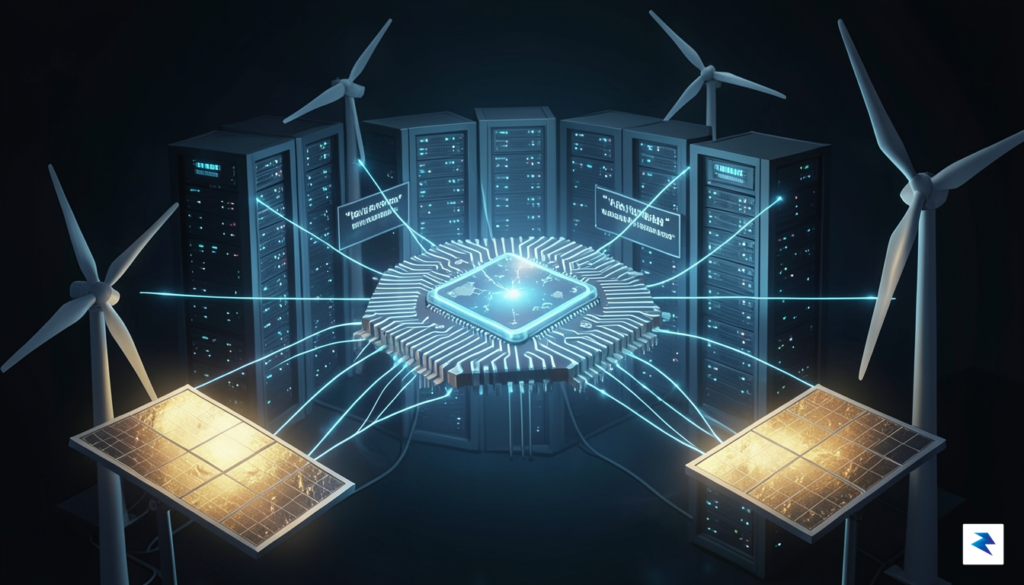
The Shift: Why Investors Are Moving Beyond the Magnificent 7
For the better part of the last two years, the “Magnificent 7″—a group of mega-cap technology stalwarts—functioned as the primary engine of the stock market’s growth. Investors flocked to these giants, banking on the idea that their massive balance sheets and integration of generative AI would guarantee endless scalability. However, the market has reached a point of exhaustion. As valuations for these software-centric titans have stretched to historic highs, the law of large numbers is beginning to weigh on their ability to deliver the explosive growth that institutional investors demand. Consequently, the consensus trade is fracturing, and capital is migrating away from the saturated front-end of the AI narrative toward the gritty, industrial reality of the infrastructure required to sustain it.
The current valuation disparity between established software giants and hardware infrastructure providers is signaling a profound recalibration of risk. While the market has already priced in the potential revenue booms for app-layer AI services, the foundational hardware—specifically the power grids, cooling systems, and specialized semiconductor foundries—remains drastically undervalued relative to the actual demand. Investors are realizing that the “AI Gold Rush” will ultimately be won by those who provide the shovels and picks, rather than those currently competing in a crowded, high-burn consumer software marketplace. This pivot is not merely a defensive maneuver; it is a calculated bet that the physical constraints of computing will dictate the next phase of market alpha.
The era of easy gains from mega-cap momentum is fading; today’s smartest capital is moving from the promise of AI applications to the physical reality of the infrastructure that powers them.
Macro-economic pressures are further accelerating this exodus from Big Tech. With interest rates remaining higher for longer, the cost of capital has made investors far more discerning about where they park their liquidity. They are no longer willing to pay a premium for speculative growth metrics that may never manifest into tangible cash flows. Instead, the focus has shifted toward companies that exhibit “infrastructure-grade” stability—entities with long-term contracts, essential utility-like services, and the physical assets that are practically impossible for competitors to replicate. By prioritizing these niche hardware sectors, investors are seeking shelter from the volatility of the software cycle while positioning themselves to capture the reliable, multi-year demand created by the global build-out of AI-ready data centers.
Ultimately, this rotation represents a maturing of the artificial intelligence sector. We are moving beyond the hype-driven “demo” phase where software companies could impress Wall Street with a sleek interface or a chatbot integration. We are entering the “industrial” phase of AI, where the winners will be determined by who has the most reliable access to electricity, the most efficient thermal management, and the most robust silicon supply chains. By deserting the crowded trades of the Magnificent 7, institutional and retail investors alike are moving closer to the heart of the machine, betting on the foundational components that define the limits—and the potential—of the digital age.
Identifying the AI Bottlenecks: The New Frontier of Value
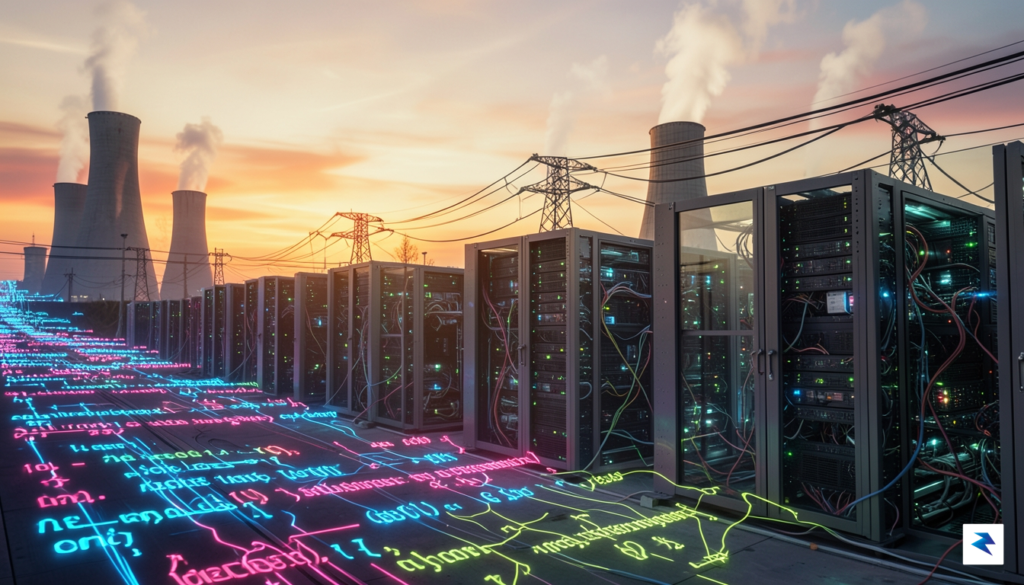
For the past two years, the narrative surrounding artificial intelligence has been dominated by the rapid proliferation of software models and generative applications. However, the investment landscape is undergoing a profound shift as the industry confronts the sobering reality that code is no longer the primary constraint. We are entering an era where the physical world—governed by the laws of thermodynamics, electrical grid capacity, and material science—is clashing with the insatiable demand for compute. This shift marks a transition from the era of “AI hype,” defined by speculative software valuations, to the era of “AI infrastructure,” where value is being rerouted toward the physical foundations that make intelligence possible.
The true bottleneck of the AI revolution lies in three specific domains: energy generation, specialized hardware architecture, and high-bandwidth memory (HBM). Modern large language models (LLMs) have reached a scale where they are essentially hungry for more power than existing data centers can reliably provide. Consequently, capital is aggressively flowing toward modular nuclear reactors, grid-scale battery storage, and utility providers that can guarantee consistent, low-latency power. Investors have realized that if an AI model cannot be powered, it cannot be trained; thus, the energy sector is no longer a peripheral utility but the very engine of the digital economy.
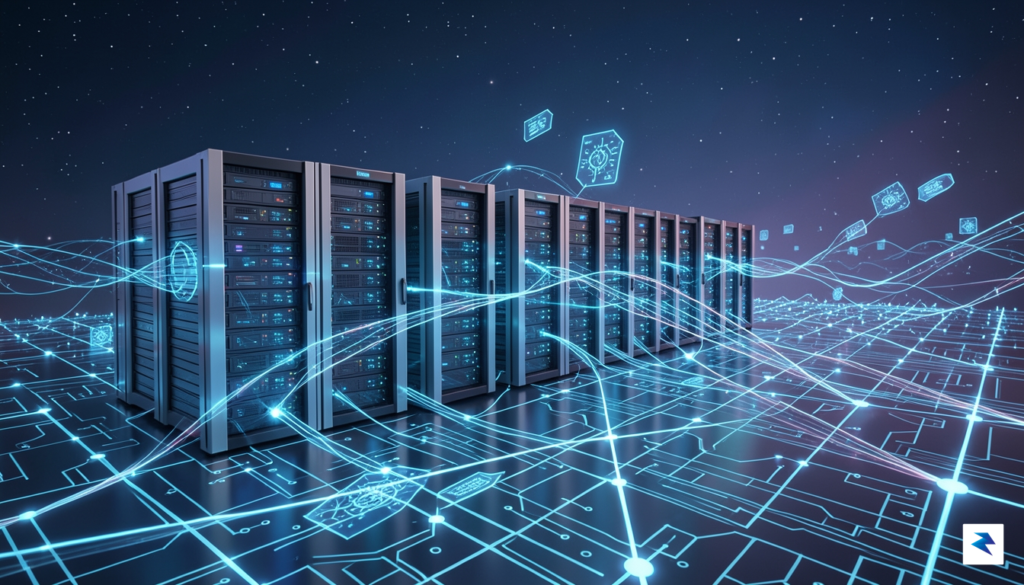
Beyond the power grid, the physical architecture of silicon is facing a similar wall. Traditional computing hardware, designed for general-purpose tasks, is fundamentally ill-equipped for the massive, parallel processing required for deep learning. This has created a critical demand for specialized accelerators that can handle complex tensor operations with unprecedented efficiency. High-bandwidth memory is equally pivotal; as models grow in parameter count, the speed at which data travels between the processor and the memory bank has become the primary limit on training time. Companies that can solve these throughput issues are finding themselves in a position of immense leverage, as they hold the keys to unlocking the next generation of model capability.
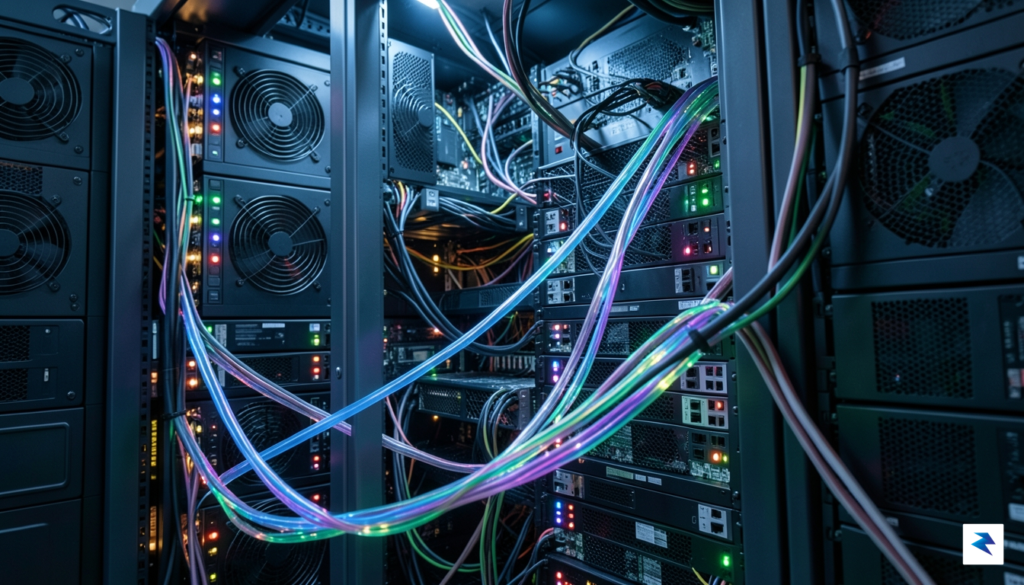
The transition from software-centric investment to infrastructure-first capital allocation represents the most significant reallocation of resources since the early build-out of the internet’s fiber-optic backbone.
Ultimately, this pivot is not merely a trend, but a survival mechanism for the industry. Developers can write as much code as they want, but without the physical capacity to host, power, and process these models, the progress of AI will hit a definitive ceiling. By focusing on the tangible bottlenecks—energy, HBM, and specialized silicon—investors are betting on the only entities that can sustain the long-term viability of the AI era. This is no longer about who can build the smartest chatbot; it is about who owns the physical infrastructure required to keep the lights on and the processors churning in a world hungry for intelligence.
Beyond Bitcoin: Why Crypto Liquidity is Migrating to Infrastructure

The speculative fever that once defined the digital asset landscape is undergoing a profound transformation as investors pivot toward more concrete, grounded opportunities. For years, cryptocurrency functioned as the primary vehicle for high-beta, risk-on capital, acting as a speculative barometer for the global economy. However, as market conditions tighten and interest rate volatility persists, that liquidity is no longer finding a home in decentralized tokens. Instead, capital is migrating away from the abstract promises of crypto-assets and toward the industrial bedrock required to sustain the next decade of technological advancement.
This shift is not merely a reactionary flight to safety; it is a calculated reallocation into the companies physically building the backbone of the digital future. Investors are increasingly wary of the regulatory uncertainty and cyclical stagnation inherent in the crypto market, choosing instead to bet on the tangible assets that power the artificial intelligence revolution. Companies involved in semiconductor manufacturing, data center cooling, energy grid infrastructure, and specialized high-performance computing are effectively absorbing the capital that previously flowed into speculative altcoins. By moving from volatile digital tokens to firms with strong balance sheets and industrial output, investors are securing a stake in the actual utilities of the modern economy.
The correlation between crypto market stagnation and this industrial rotation reflects a maturing “risk-off” mentality among institutional and retail participants alike. Where once the allure of exponential, unbacked growth dominated portfolio strategies, current sentiment favors companies that demonstrate clear, measurable revenue streams and physical utility. This transition highlights a fundamental change in how investors define “growth.” Rather than chasing the potential for future adoption in decentralized protocols, they are prioritizing the companies that provide the essential infrastructure that AI models require to scale.
The current market rotation signifies a departure from speculative abstraction toward the industrial realization of the digital age. Investors are no longer content with holding digital promises; they are buying the physical assets that make the digital future possible.
Ultimately, this migration confirms that the appetite for tech-centric growth has not vanished; it has merely become more disciplined. As the broader market reconciles with the limitations of speculative assets, the focus has shifted toward the “picks and shovels” of the AI era. These industrial giants, unlike speculative crypto projects, offer the protection of tangible output and long-term viability, providing a defensive yet high-growth hedge that digital assets, in their current form, fail to deliver. As liquidity continues to drain from the crypto ecosystem, the reinforcement of physical tech infrastructure will likely remain the primary recipient of global investment capital.
The Semiconductor Supercycle and Memory Market Evolution
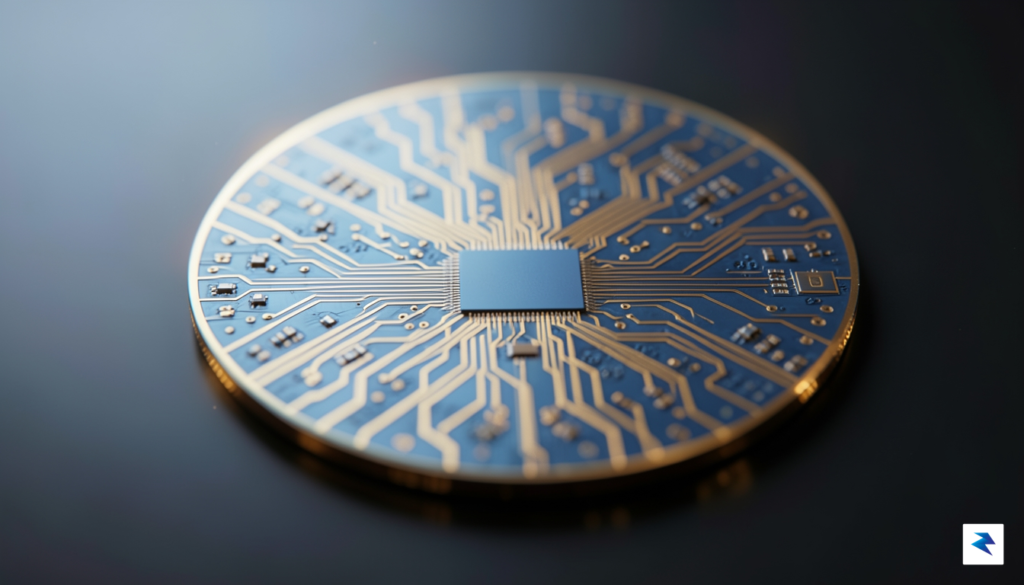
We are currently witnessing a profound structural shift in the global economy, where semiconductors have transitioned from mere commodities to the essential “oil” of the digital age. As artificial intelligence models grow exponentially in complexity, the insatiable demand for processing power has completely outstripped traditional supply chains. This imbalance has pushed silicon foundries and memory manufacturers to the forefront of the financial world, effectively displacing traditional software-centric tech giants as the primary engine of market growth. The semiconductor supercycle is no longer a theoretical forecast; it is a tangible reality defined by massive capital expenditure and a fundamental redesign of how computing architecture is built.
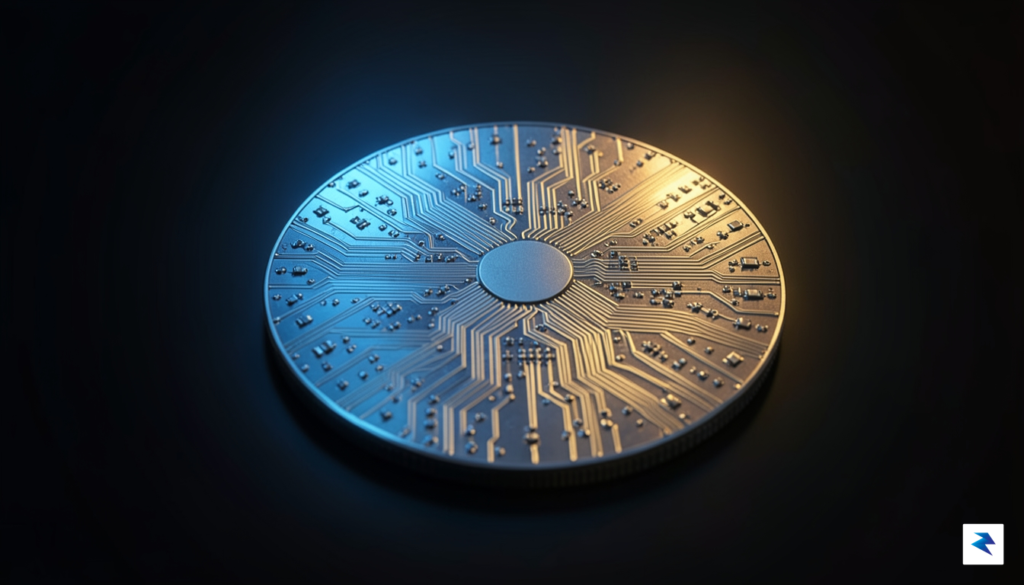
Central to this evolution is the critical bottleneck in High-Bandwidth Memory (HBM), which serves as the nervous system for AI accelerators. Unlike standard memory, HBM stacks multiple layers of DRAM chips to allow for vastly faster data transfer speeds, a prerequisite for training large-scale generative models. Because the manufacturing process for these stacks is incredibly intricate and prone to yield issues, supply remains perpetually tight, granting a handful of dominant players unprecedented pricing power. This scarcity has forced a race toward vertical integration and long-term supply agreements that were virtually unheard of in the industry just a few years ago.
The transition toward AI-native infrastructure is fundamentally changing the value chain; hardware is no longer a depreciating asset but the primary competitive moat for the next decade of innovation.
The New Frontiers of Packaging and Thermal Management
Beyond raw memory capacity, the industry is pivoting toward advanced packaging and thermal management as the next arenas for competitive dominance. As chips become more densely packed with transistors, heat dissipation has emerged as the single greatest threat to operational stability. Consequently, innovators are increasingly turning to liquid cooling systems and sophisticated 3D chip-stacking techniques that allow multiple specialized processors to function as a single, cohesive unit. These breakthroughs in physical engineering are just as important as the software algorithms themselves, as they dictate the efficiency and energy consumption of massive data centers operating around the clock.
Furthermore, the trend toward geographic diversification is reshaping the geopolitical and economic landscape of chip production. Governments across the globe are aggressively subsidizing domestic manufacturing to mitigate the risks of supply chain fragility, turning semiconductor foundries into matters of national security. This shift away from hyper-concentrated manufacturing hubs in East Asia toward a more distributed, resilient model is driving a new wave of industrial investment. As these regional manufacturing ecosystems mature, they will provide the necessary backbone for the next generation of AI-driven productivity, ensuring that the infrastructure supporting our digital future is as robust as it is revolutionary.
Space-Tech: The Final Frontier of Industrial Growth

As the initial fervor surrounding consumer-facing AI applications begins to stabilize, the investment spotlight is pivoting toward the physical architecture required to sustain a global, intelligent economy. Nowhere is this transition more profound than in the burgeoning space sector, which has rapidly evolved from a playground for speculative venture capital into a cornerstone of industrial infrastructure. The integration of artificial intelligence with aerospace engineering is no longer a futuristic concept; it is a current necessity. By leveraging advanced machine learning algorithms to manage satellite constellations, companies are creating a high-speed, low-latency backbone that effectively bridges the gap between terrestrial data centers and the remote corners of the globe.
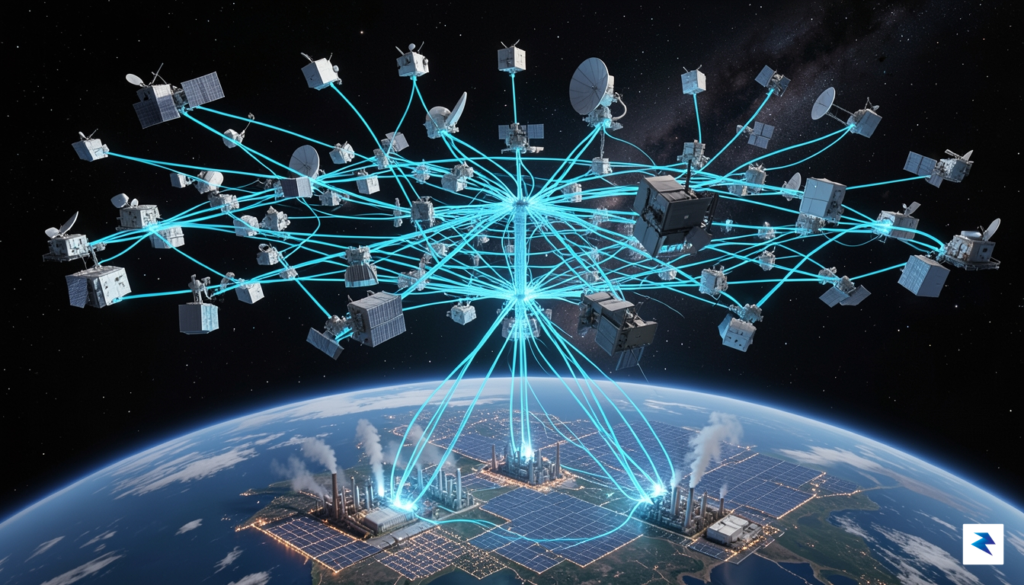
Low-earth orbit (LEO) satellites serve as the primary catalyst for this shift, providing the essential connectivity required to feed AI models with real-time, global data. Unlike traditional telecommunications, which often suffer from bottlenecks in hard-to-reach locations, LEO networks offer the seamless, ubiquitous coverage that AI-driven industries—such as autonomous shipping, precision agriculture, and remote disaster response—demand. These satellites act as the “eyes and ears” of the AI, processing vast amounts of raw telemetry and sensor information in orbit before transmitting actionable insights to the ground. This edge-computing capability not only reduces the strain on terrestrial infrastructure but also accelerates the decision-making process for industries that cannot afford the latency of traditional networks.
The Industrialization of Orbit
Looking further into the decade, the potential for space-based manufacturing and enhanced communications offers a new frontier for capital allocation. In the weightless environment of space, researchers are already discovering methods to synthesize advanced semiconductors and fiber-optic materials that are impossible to create under Earth’s gravity. As these processes scale, the aerospace industry will transition from merely moving hardware to becoming a sophisticated production hub for the components that power the AI revolution. Integrating this space-based production capacity into an industrial portfolio provides a strategic hedge, moving beyond software-centric investments into tangible, hardware-heavy assets that are critical for long-term technological sovereignty.
The marriage of space-tech and artificial intelligence is creating a self-sustaining ecosystem where the infrastructure of the stars directly fuels the productivity of the terrestrial economy.
Ultimately, investors are recognizing that the next phase of the AI boom will be defined by capacity and connectivity. By backing the firms that build the rockets, manage the orbital data pipelines, and pioneer manufacturing in space, institutional portfolios are securing a stake in the very foundation of the future. This is not merely about launching satellites; it is about establishing a permanent, high-tech industrial layer that will support the next century of innovation. As we move away from the speculative hype of big tech, the tangible growth found in the vacuum of space presents a compelling, long-term opportunity for those looking to build real value in the AI age.
Strategic Positioning for the Next Market Cycle
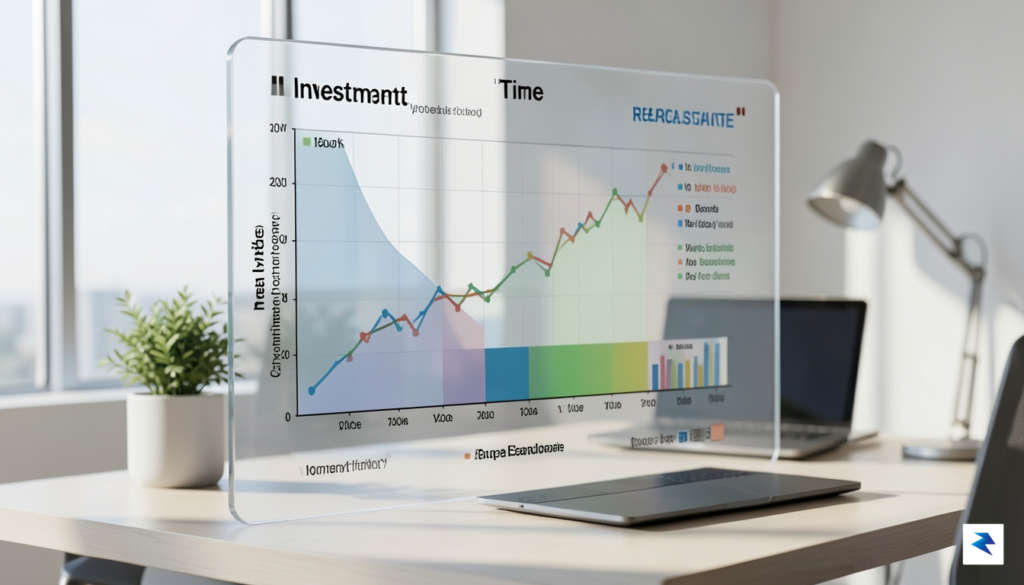
As the market landscape continues its dynamic shift, a discerning approach to portfolio construction is paramount. The era of simply buying broad-based tech giants or speculative cryptocurrencies as a default strategy appears to be waning, giving way to a more granular focus on the foundational elements driving the next wave of innovation. Investors are increasingly recognizing that the transformative potential of artificial intelligence isn’t solely realized in software algorithms or consumer applications, but crucially relies on a robust and scalable physical infrastructure. This evolving perspective necessitates a disciplined re-evaluation of sector allocations, pivoting towards the underlying constraints that define the AI revolution, thereby seeking sustained growth rather than merely riding short-term momentum waves.
To effectively align with this “Great Rotation,” investors should adopt a strategic framework centered on identifying and evaluating infrastructure stocks that directly address AI bottlenecks. Think beyond the immediate application layer and delve into the essential components without which AI cannot function or scale. This includes, but is not limited to, the manufacturers of advanced semiconductors, the providers of massive computational power, the builders of specialized data centers equipped for extreme heat dissipation, and the companies developing the energy solutions required to fuel these increasingly power-hungry systems. Evaluating these firms requires a deep understanding of their position within the value chain, their proprietary technologies, and their capacity for long-term supply and innovation in a rapidly expanding, yet fundamentally resource-constrained, global economy.
Identifying Core Infrastructure Opportunities
Pinpointing these critical infrastructure plays involves a keen eye on several key areas. Firstly, the semiconductor industry remains at the absolute core, but the focus broadens beyond chip designers to include the foundries that manufacture these complex components, the specialized equipment providers essential for chip production, and even the suppliers of rare materials. Secondly, the sheer energy demands of AI data centers are staggering, presenting significant opportunities in power generation, distribution, and grid modernization, particularly for companies focused on sustainable and scalable energy solutions. Furthermore, the intense heat generated by AI processors necessitates advanced cooling technologies, from liquid immersion systems to sophisticated HVAC, making companies in this niche increasingly vital. Lastly, the need for high-bandwidth, low-latency data transfer between AI clusters underscores the importance of advanced networking hardware and fiber optic infrastructure providers, ensuring that vast datasets can move efficiently across the global digital fabric.
However, a hardware-intensive investment strategy, while promising, is not without its inherent risks, and a balanced view is crucial. The capital intensity of building and maintaining physical infrastructure is enormous, often requiring substantial upfront investments and long lead times for returns. Furthermore, these sectors can be susceptible to cyclicality, particularly in semiconductor manufacturing or construction, where supply and demand dynamics can fluctuate significantly. There’s also the constant threat of technological obsolescence; while foundational, the rapid pace of AI development could render certain hardware less competitive over time if not continuously innovated. Supply chain vulnerabilities, geopolitical tensions impacting raw material access, and intense competitive pressures also pose significant challenges. Therefore, while the long-term drivers are compelling, investors must conduct thorough due diligence, assessing each company’s competitive moat, financial health, and adaptability to evolving technological and market conditions, ensuring that their positioning is truly robust rather than merely opportunistic.
Key Takeaway: The “Great Rotation” signals a strategic shift from broad tech and speculative assets to the underlying physical and energy infrastructure critical for AI. Investors should prioritize disciplined sector selection, focusing on companies addressing AI’s core bottlenecks while remaining vigilant about the capital-intensive and cyclical risks inherent in hardware-centric strategies.