
The Incident: Why Meta Halted Its Productivity Monitoring

Meta recently halted an ambitious internal initiative designed to quantify and monitor employee productivity, a move triggered by a significant security oversight that compromised the privacy of its own workforce. The program, which sought to utilize granular data to streamline operational efficiency and track output across various departments, was intended to help leadership identify bottlenecks in development workflows. However, the mechanism meant to optimize internal output inadvertently created a massive liability when it was discovered that sensitive performance data was accessible to employees who lacked the proper authorization to view it. This unintended exposure essentially turned a management tool into a significant data security vulnerability, forcing the company to pull the plug on the project immediately.
The core of the issue stemmed from internal access control failures that allowed a wider scope of the workforce to view aggregated performance metrics than was ever intended. While the intention behind the tracking system was to provide managers with a clearer picture of project timelines and individual contributions, the technical implementation failed to partition this data effectively. Consequently, when the security gap was identified, it became clear that the platform had inadvertently exposed sensitive internal documents to employees across the organization. This breach of trust not only undermined the efficacy of the tracking program but also ignited immediate concerns regarding corporate surveillance and the management of sensitive personnel metrics within the company’s internal infrastructure.

In response to the discovery of the leak, Meta leadership took swift action to suspend the tracking initiative, prioritizing the immediate containment of the exposed information. By shutting down the program, the company demonstrated a recognition that the risks associated with internal data exposure—ranging from eroded employee morale to potential regulatory scrutiny—far outweighed the benefits of granular productivity monitoring. This pivot marks a significant shift in internal policy, signaling a move away from aggressive, data-heavy surveillance toward a more cautious approach to managing employee output.
The suspension of the monitoring program serves as a stark reminder that even the most sophisticated technology companies are susceptible to the complexities of internal data governance and the unintended consequences of pervasive workforce tracking.
Ultimately, this incident highlights the delicate balance between operational oversight and the protection of internal privacy. As Meta reevaluates its internal workflows, the company is now faced with the challenge of rebuilding trust and ensuring that future management tools are built with robust, “privacy-by-design” principles. The sudden termination of the program serves as a critical case study for other large-scale organizations, illustrating that the security of internal data is just as vital as the security of the customer data that companies are tasked to protect on a daily basis.
The Risks of Internal Data Exposure in Modern Enterprises

The modern enterprise is often defined by its digital interconnectedness, yet this same infrastructure creates a paradox: the more integrated a company becomes, the larger its internal attack surface grows. While organizations frequently prioritize defenses against external bad actors, the risk of internal data exposure remains a persistent, often understated, vulnerability. When companies implement productivity-tracking software, they effectively create a centralized repository of sensitive behavioral data. If these systems are not architected with extreme caution, they can easily become a “single point of failure,” where a minor security lapse or a misconfigured permission setting exposes the private habits and performance metrics of thousands of employees.
It is essential to distinguish between a malicious “insider threat”—where an employee actively seeks to exfiltrate data—and “internal exposure,” which is the unintentional leakage of sensitive information due to poor data governance. Internal exposure occurs when data is stored in environments with overly broad access controls or insufficient encryption. In such cases, information that should be restricted to a handful of human resources administrators becomes accessible to a wide swath of the organization. This creates a dangerous scenario where lateral movement within the corporate network becomes trivial; once a user gains entry into a compromised segment of the intranet, they can harvest sensitive files that were never intended for their eyes.

The danger is compounded by the cultural shift toward “open” internal information sharing, which, while beneficial for collaboration, is catastrophic for data privacy. Without rigid Access Control Lists (ACLs) and the strict application of the principle of least privilege, these tracking tools become high-value targets for anyone—or any automated process—capable of traversing the network. Organizations often neglect the lifecycle of this data, failing to realize that stored productivity metrics are effectively “digital dossiers.” If these logs are not purged regularly or siloed behind advanced authentication layers, they remain permanent liabilities waiting to be discovered by unauthorized personnel.
True data security in the enterprise requires more than just firewalls; it demands a fundamental commitment to data minimization—only collecting what is strictly necessary and ensuring that sensitive information is visible only to those who absolutely require it for their roles.
Ultimately, the technical remedy must be paired with a cultural evolution. Companies must move away from the assumption that the “inside” of a network is inherently safe. By implementing granular ACLs, conducting regular audits of internal data storage, and fostering a culture of privacy-by-design, enterprises can mitigate the risks associated with modern surveillance tools. When an organization fails to treat its own internal data with the same level of paranoia reserved for external threats, it isn’t just risking a PR nightmare; it is jeopardizing the very trust that serves as the foundation of the employer-employee relationship.
The Balance Between Employee Monitoring and Workplace Trust

The implementation of granular productivity tracking often creates an immediate friction point between the pursuit of business intelligence and the fundamental psychological needs of the modern workforce. When an organization shifts its focus toward logging keystrokes, active window times, or constant status updates, it inadvertently signals a lack of trust in the individual’s professional judgment. For knowledge workers—whose value is derived from deep focus, creativity, and problem-solving—this pervasive surveillance can feel inherently dehumanizing. Instead of fostering a culture of accountability, hyper-monitoring often triggers a “performative productivity” loop, where employees prioritize visible activity over actual impact, ultimately eroding the very innovation the company seeks to measure.
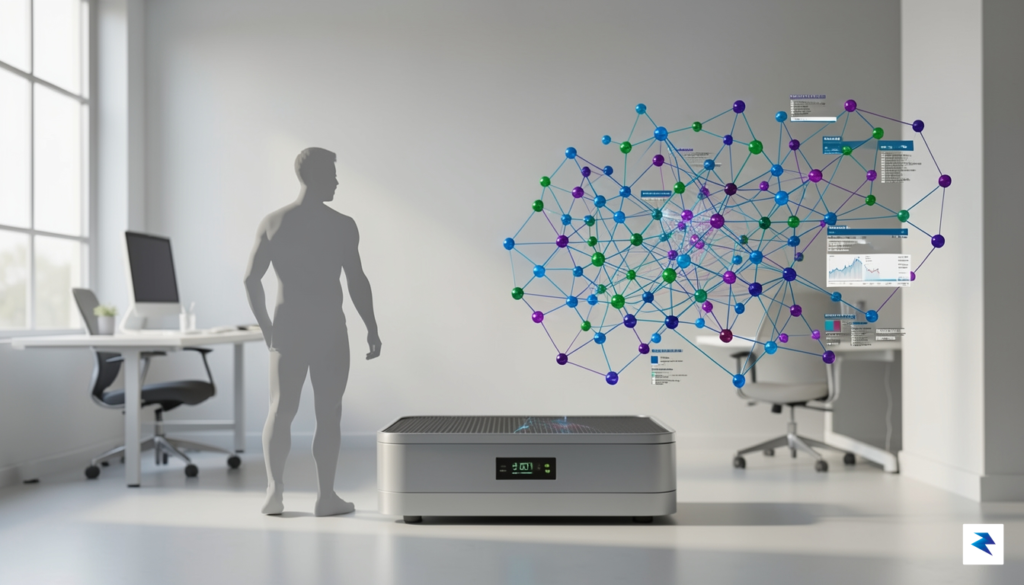
The philosophical divide between activity-based tracking and outcome-based performance metrics is at the heart of this tension. Activity-based tracking is inherently reductive; it measures presence rather than progress, treating human effort as a series of measurable inputs rather than a qualitative output. Conversely, outcome-based systems focus on objectives and key results, granting employees the agency to manage their own time and methods. By shifting the focus from how a task is performed to what value it creates, leaders can foster a sense of autonomy that is vital for long-term retention. When employees feel trusted to execute their responsibilities without being under a digital microscope, they are far more likely to feel invested in the company’s broader mission.
True productivity is not found in the frequency of status updates, but in the clarity of goals and the autonomy granted to those responsible for achieving them.
Transparency acts as the necessary bridge between necessary security measures and maintaining a healthy corporate culture. If a company must implement monitoring tools for legitimate security or compliance reasons, the reasoning must be communicated with absolute candor. Ambiguity breeds suspicion, and when employees feel that they are being watched for “performance” rather than security, they naturally become guarded, which stifles the open communication required for a collaborative team. To preserve morale, leadership must clearly delineate the boundaries of surveillance, ensuring that data is used to support team goals rather than to police behavior. Ultimately, the most robust internal security is not built on rigid tracking, but on a culture where employees feel like stakeholders in the organization’s success rather than cogs in a machine.
Navigating Data Privacy and Ethical Oversight in Tech

The recent pause of internal monitoring tools at major tech firms highlights a growing friction between the pursuit of workplace efficiency and the fundamental right to digital privacy. In a post-GDPR landscape, the threshold for what constitutes “legitimate interest” in employee data has shifted dramatically, moving away from unilateral corporate surveillance toward a model of transparency and consent. Companies that treat internal data as a proprietary playground, immune to the scrutiny applied to consumer-facing products, are finding themselves on precarious ground. The reality is that the same legal frameworks designed to protect users from predatory data practices are increasingly being interpreted to cover the workforce, forcing HR departments and compliance teams to rethink their internal toolkits from the ground up.

The Necessity of Privacy by Design in Internal Tools
Adopting a “privacy by design” approach for internal enterprise tools is no longer merely a best practice; it is an ethical imperative. Historically, internal dashboards and tracking software were developed with a singular focus on performance metrics or security, often ignoring the potential for scope creep. By integrating privacy controls into the development lifecycle—such as data minimization, anonymization, and strict access limitations—organizations can prevent the accidental exposure of sensitive employee information. When privacy is baked into the architecture rather than added as a reactive patch, companies effectively mitigate the risk of internal data leaks, which often occur when tools are granted broader permissions than their stated function requires.
“True corporate accountability is measured not just by how a company treats the data of its customers, but by the level of autonomy and privacy it affords its own staff.”
Bridging the Gap Between Compliance and Culture
Beyond the legal ramifications, there is the vital issue of organizational culture. Excessive surveillance can erode the trust between management and employees, fostering an environment of anxiety rather than productivity. Compliance teams must now act as the bridge between technical capability and ethical boundaries, rigorously vetting tools to ensure they adhere to global privacy standards. This process should involve clear communication with employees regarding what is being tracked, why it is being tracked, and—most importantly—what the limitations of that tracking are. By fostering an atmosphere of transparency, firms can leverage data-driven insights without sacrificing the morale or loyalty of their most valuable asset: their people. Ultimately, the future of workplace technology depends on the ability of leaders to recognize that data oversight is not just a regulatory hurdle, but a cornerstone of sustainable, ethical corporate governance.
What Companies Can Learn from Meta’s Security Setback

The recent pause of Meta’s employee-tracking initiative serves as a definitive wake-up call for organizations attempting to balance workforce analytics with the sanctity of internal data. When companies introduce sophisticated tracking software, the focus often drifts toward the utility of the collected insights, frequently at the expense of robust security architecture. To avoid similar high-profile lapses, IT leadership and HR managers must treat internal tools with the same rigorous threat-modeling standards applied to customer-facing applications. The primary lesson here is that security cannot be an afterthought; it must be baked into the procurement and development lifecycle from the very first line of code.

A proactive roadmap for implementing sensitive tracking tools begins with thorough threat modeling. Before a single data point is collected, teams must map out potential attack vectors, identify who has visibility into the raw data, and simulate how an insider threat or external breach might exploit those pathways. By anticipating vulnerabilities during the design phase, organizations can implement anonymization at the source. This ensures that even if a database is compromised, the information remains de-identified, preventing the exposure of specific employee identities and mitigating the risk of regulatory or cultural backlash.
Beyond design, the operational management of these tools requires strict, uncompromising governance. IT departments should enforce granular role-based access controls (RBAC), ensuring that only a minimal number of personnel—strictly on a need-to-know basis—have the authorization to view sensitive analytics. Furthermore, the implementation of such systems should not be a “set-it-and-forget-it” process. Instead, management must establish a cadence of regular security audits for all internal-facing software. These audits should evaluate not just the software’s functionality, but its compliance with evolving privacy policies and the integrity of its data logs.
True organizational security is built on the principle of least privilege, where data exposure is kept to the absolute minimum necessary for operational success, regardless of the perceived value of the insights.
Ultimately, the goal for HR and IT managers is to foster a culture of transparency that aligns with technical security. When employees understand exactly what data is being collected and, more importantly, how that data is shielded from unauthorized access, trust is maintained. By prioritizing these structural safeguards, businesses can leverage the power of workforce analytics while avoiding the reputational damage and data exposure risks that occur when internal security protocols are left underdeveloped or poorly integrated.