Meta Pauses Employee-Tracking Program: Lessons in Internal Data Security
The Incident: Why Meta Halted Its Productivity Monitoring Meta recently halted an ambitious internal initiative designed to quantify and…
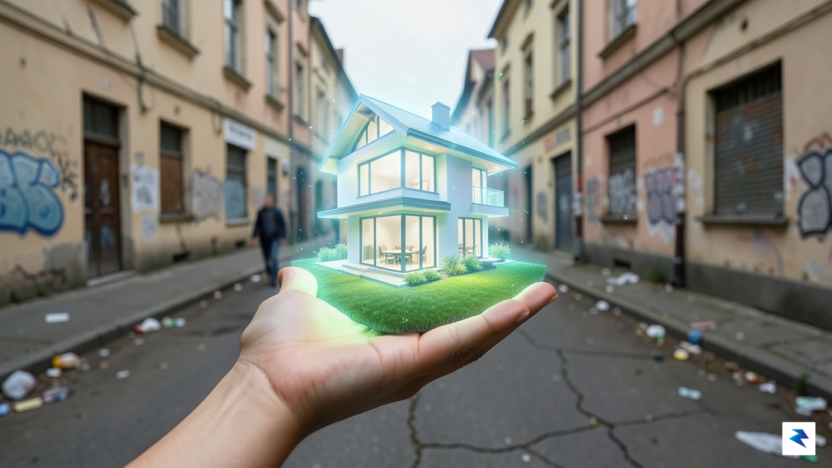
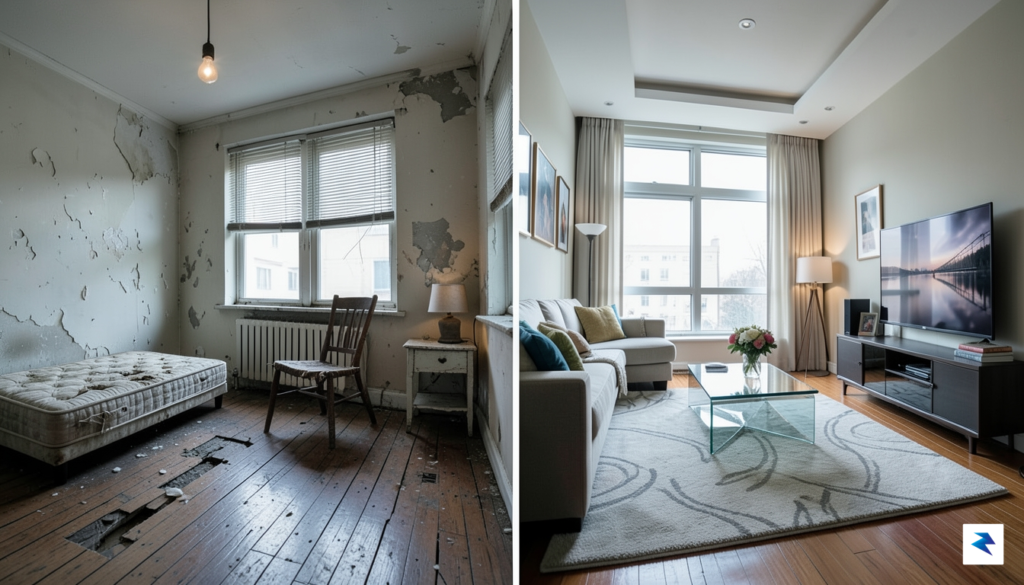
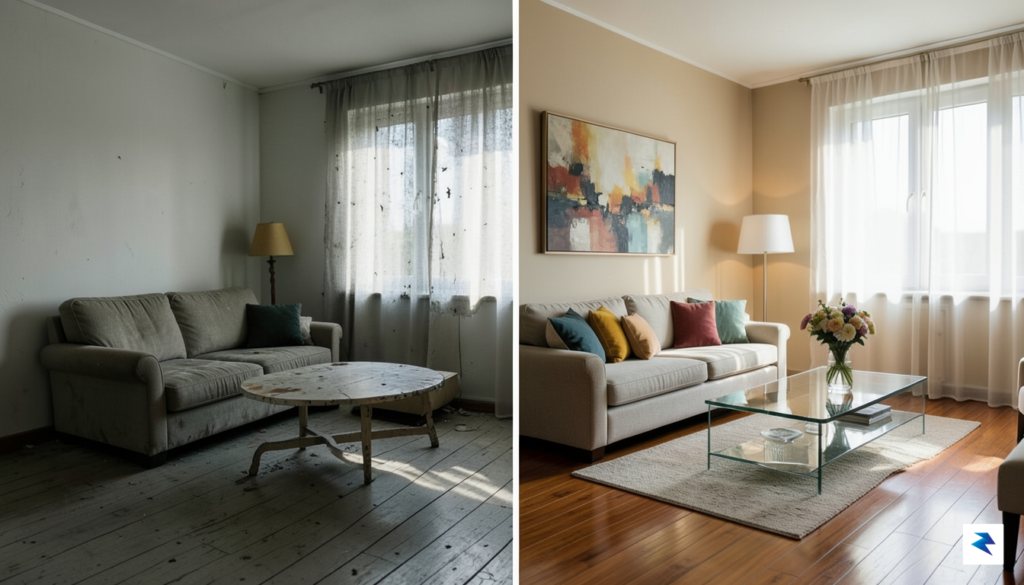
In the high-stakes landscape of today’s rental market, the gap between a digital listing and the physical reality of a unit has widened into a chasm. While virtual staging has been a staple in real estate for years—often involving professional designers painstakingly layering furniture into empty rooms—generative AI has fundamentally shifted the paradigm. Today, property managers and brokers can deploy automated tools that scan a bleak, neglected apartment and, within seconds, populate it with high-end, trendy furniture and warm, inviting decor. This is no longer a manual process of curating a space; it is an algorithmic transformation that prioritizes visual seduction over architectural honesty.
The technical sophistication of these AI tools allows them to do far more than just “decorate.” Modern algorithms are capable of sophisticated light manipulation, which can turn a dim, subterranean unit into a bright, sun-drenched sanctuary by artificially brightening corners and simulating natural sunlight where no windows exist. Furthermore, these programs can effortlessly “erase” physical imperfections that would otherwise discourage a potential tenant. Unsightly exposed piping, water-stained ceilings, or outdated, dingy fixtures are digitally scrubbed away, replaced by seamless walls and polished finishes. This creates a curated, sanitized version of a property that effectively masks the very flaws that define the true cost of living there.
The danger of AI-driven staging lies in its ability to normalize the impossible, setting an expectation of domestic perfection that bears little resemblance to the actual, aging infrastructure of most urban housing.
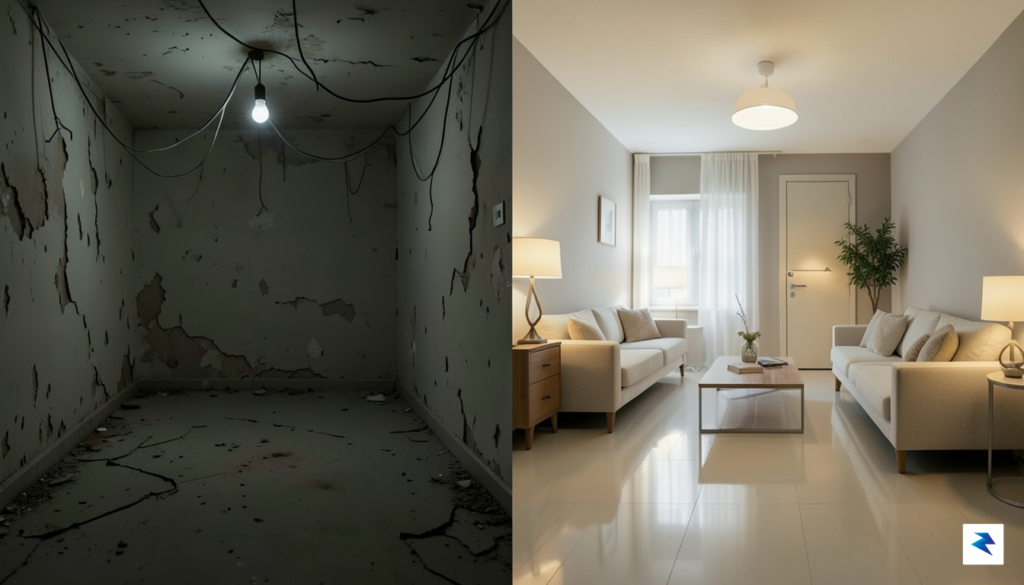
This rapid, low-cost modification process creates a dangerous disconnect for renters who find themselves lured by these idealized digital mirages. When a prospective tenant finally steps through the front door, the dissonance between the hyper-realistic AI rendering and the stark, lived-in reality of the unit can be jarring. By the time they realize the space is cramped, poorly lit, or in need of significant repair, they have already invested time, travel, and emotional energy into a lead that was never truly representative of the product. These tools, while marketed as a way to help renters “visualize potential,” are frequently used to obfuscate the limitations of the space, turning the search for a home into a frustrating game of bait-and-switch that favors the landlord’s desire for quick occupancy over the tenant’s need for transparency.
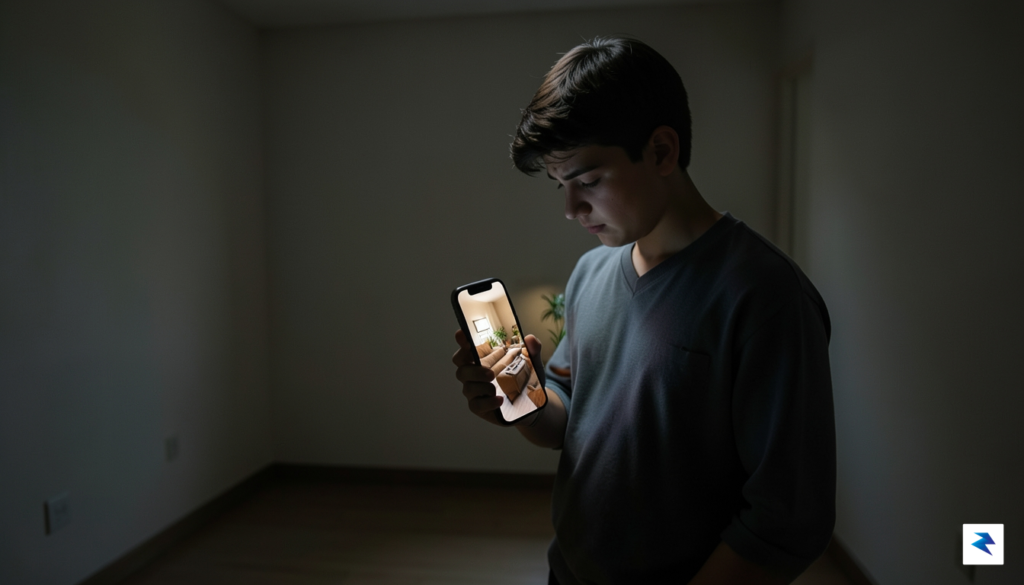
The modern apartment hunt has morphed into an exhausting emotional gauntlet, fueled by AI-generated imagery that promises domestic perfection while delivering crumbling, lived-in reality. For prospective renters, this digital bait-and-switch is far more than a technical glitch; it is a psychological drain that transforms the search for a home into a cycle of hope followed by inevitable disillusionment. When a renter clicks on a listing, they are often presented with hyper-realistic, AI-enhanced photos that feature bright, sun-drenched rooms, pristine crown molding, and impossibly spacious layouts. The emotional investment begins the moment these images are saved, as the renter begins to mentally arrange furniture, plan their daily commute, and envision a new chapter of their life. This initial surge of excitement is precisely what makes the eventual reality check so jarring and demoralizing.
Upon arriving at the property, the contrast between the digital mirage and the physical space is often staggering. Renters frequently find themselves standing in dim, cramped units that bear little resemblance to the virtual dream they were sold, with peeling wallpaper or malfunctioning appliances replacing the AI-curated aesthetic. This experience triggers a profound sense of betrayal, as the hours spent researching, scheduling, and traveling are rendered completely futile. Over time, this recurring pattern induces a state of deep market fatigue, where the renter no longer views listings as helpful tools, but rather as deceptive advertisements designed to lure them into uncomfortable situations. The result is a pervasive skepticism that erodes the renter’s trust in online platforms, leaving them feeling cynical about an entire industry that seems built on digital fabrication.
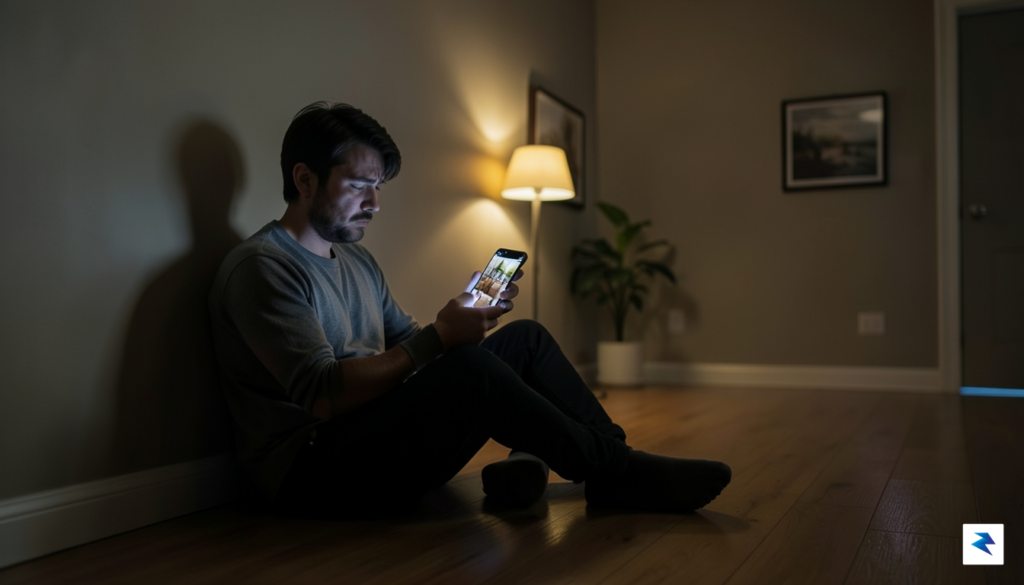
The disconnect between a digital rendering and a physical space doesn’t just waste time; it depletes the mental reserves required to make life-altering housing decisions.
This emotional toll significantly distorts the renter’s decision-making process, often pushing them toward poor choices born of sheer exhaustion. After being misled by several “ghost” listings, many individuals reach a point of burnout where they feel compelled to compromise on their needs just to end the hunt. Fearful that they will lose out on the next “real” apartment, or simply too tired to continue the vetting process, renters may rush into signing leases for units they would have otherwise rejected. This desperation is an unintended consequence of the AI-driven landscape, as the pressure to navigate through a sea of curated fakes creates an environment where haste replaces careful consideration. Ultimately, the psychological strain of the virtual bait-and-switch forces renters to sacrifice their long-term well-being for the short-term relief of finally having a roof over their heads.
In the high-stakes world of online rental marketplaces, the currency of the realm is attention. Rental platforms operate on sophisticated algorithms that prioritize listings based on engagement metrics—specifically, how often a user clicks on a property and how frequently they reach out to request a showing. Because these platforms are designed to maximize user time-on-site, they naturally reward listings that perform well in the “click-through” department. Consequently, landlords and brokers have discovered that a high-resolution, AI-enhanced photograph of a perfectly staged living room is not just a marketing preference; it is a mechanical necessity for survival in the search results.
The incentive structure creates a powerful feedback loop that favors visual perfection over physical truth. When a prospective tenant scrolls through a feed of hundreds of properties, their eyes are naturally drawn to the brightest, most polished, and most aesthetically pleasing images. By using AI to digitally fill an empty, dingy unit with modern furniture, perfect lighting, and an inviting atmosphere, property managers can artificially inflate their click-through rates. As those clicks pile up, the platform’s algorithm interprets the property as “high-interest,” subsequently pushing the listing to the top of the search page. This creates a scenario where the most compelling digital fiction consistently outperforms the most honest physical reality.
This dynamic has triggered a frantic, industry-wide arms race where landlords feel they have no choice but to adopt synthetic staging tools. If a property manager in a competitive urban market chooses to post raw, unedited photos of a unit, they risk being buried by neighbors who are using AI to make their units look like showroom models. Once a critical mass of competitors begins using these tools, “visual perfection” becomes the baseline expectation for the consumer. Consequently, even landlords who might prefer to remain transparent feel forced to participate in the charade just to ensure their vacancies are seen by potential applicants. It is no longer enough to have a well-maintained apartment; one must now possess the digital wizardry to make that apartment appear flawless in a sea of synthetic competitors.
In the digital rental economy, the algorithm does not distinguish between a photograph of a real room and a generated hallucination; it only cares about the click. As a result, the market effectively mandates a culture of digital deception, forcing participants to prioritize synthetic appeal over physical accuracy to remain relevant.
Ultimately, this reliance on AI-augmented imagery shifts the burden of discovery onto the renter. Instead of being a helpful tool for finding a home, the listing platform becomes a gauntlet of filtered images that require significant skepticism to navigate. While the brokers and landlords might secure more leads in the short term, the long-term cost is a profound erosion of trust within the housing market. When the arrival at a physical viewing reveals a stark, disappointing reality compared to the digital promise, both the landlord and the prospective tenant lose valuable time, further institutionalizing a cycle of frustration and misinformation.

In the evolving landscape of online rental listings, the modern renter needs to cultivate a robust sense of skepticism toward every image encountered. As artificial intelligence continues to advance at an astonishing pace, its ability to generate hyper-realistic, albeit entirely synthetic, apartment photos has become a significant challenge. Identifying the subtle digital “tells” within a listing is no longer just a clever trick; it’s a fundamental life skill for anyone attempting to navigate the increasingly competitive and often deceptive urban housing market. This heightened vigilance is crucial not only to avoid wasting time on non-existent properties but also to protect against potential scams.
While AI-generated images are becoming incredibly sophisticated, they often betray themselves through a series of subtle, yet tell-tale, inconsistencies. These digital artifacts are the cracks in the veneer of artificial reality, revealing that the dream home you’re seeing might only exist in algorithms. Training your eye to spot these anomalies can save you considerable frustration and potential financial loss.
Even with a keen eye for AI’s visual tells, the ultimate verification comes from grounding the digital image in physical reality. Never rely solely on photos, no matter how convincing they appear. Instead, cross-reference and confirm every aspect of a listing using multiple, independent sources to ensure the property genuinely exists and matches its description.
Always cross-reference digital images with independent, third-party data. Your diligence is the best defense against sophisticated rental scams.
Therefore, when you encounter a listing that piques your interest, immediately take these crucial steps:

The burden of verifying the reality of a living space should never fall entirely upon the shoulders of a prospective tenant, yet the current digital landscape forces renters to act as amateur detectives. To restore integrity to the housing market, we must demand a systemic shift that prioritizes accountability over flashy, algorithmically enhanced marketing. This evolution begins with the implementation of strict industry standards that treat the use of deceptive AI-generated content as a form of false advertising rather than mere creative “staging.” By holding platforms and landlords legally responsible for the accuracy of their visual representations, we can effectively curb the proliferation of virtual illusions that waste time and erode trust.
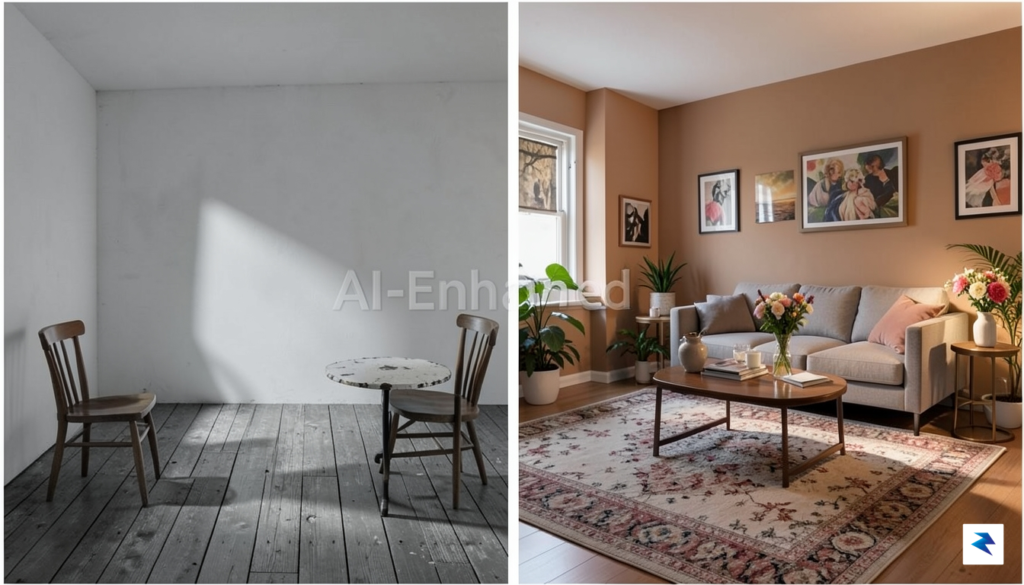
A primary solution to this crisis is the widespread adoption of mandatory disclosure protocols. Rental platforms should implement a standardized system—such as mandatory “before and after” sliders—that allow users to view the raw, unedited state of a property alongside any digitally enhanced versions. Furthermore, integrating visible, non-removable watermarks on any image that has been modified by generative AI would provide instant clarity for renters scrolling through listings. When a user can instantly distinguish between a physical reality and a machine-generated suggestion, the incentive for landlords to engage in “digital bait-and-switch” tactics diminishes significantly. These technical safeguards serve as the first line of defense against the psychological manipulation inherent in overly idealized listings.
Requiring honesty in real estate isn’t just about aesthetics; it is about protecting the fundamental right of a consumer to make informed, safe, and realistic financial commitments.
Beyond technical fixes, regulatory bodies must step in to define the boundaries of acceptable digital representation. Much like the truth-in-advertising laws that govern other consumer goods, real estate listings should be subject to oversight that penalizes the use of misleading imagery. If a landlord knowingly posts an AI-generated rendering that omits structural damage or significantly alters the square footage of a room, they should face tangible consequences. This shift toward institutional accountability requires rental platforms to enforce stricter quality control policies, including verification badges for properties that have been vetted by third-party human inspectors. By shifting the responsibility from the individual renter to the platforms and regulators, we can foster a housing market that values transparency, ultimately ensuring that the home you see online is the home you actually receive.
Finally, renters possess a collective power that should not be underestimated. We must cultivate a culture of community policing by consistently reporting listings that utilize deceptive AI enhancements. When users flag misleading content, it forces platforms to refine their algorithms and penalize bad actors who rely on digital trickery to attract attention. If you encounter a listing where the photos seem too perfect to be true, documenting the discrepancy and submitting a report is a vital step in protecting your fellow renters. Through a combination of regulatory pressure, platform-mandated disclosures, and proactive community reporting, we can dismantle the AI-fueled trap and restore a sense of honesty to the search for our next home.
You must be logged in to post a comment.