
The AI Rental Trap: Why Your Dream Apartment Doesn’t Exist
The Digital Mirage: How AI-Generated Staging Masks Reality In the high-stakes landscape of today’s rental market, the gap between a digital…
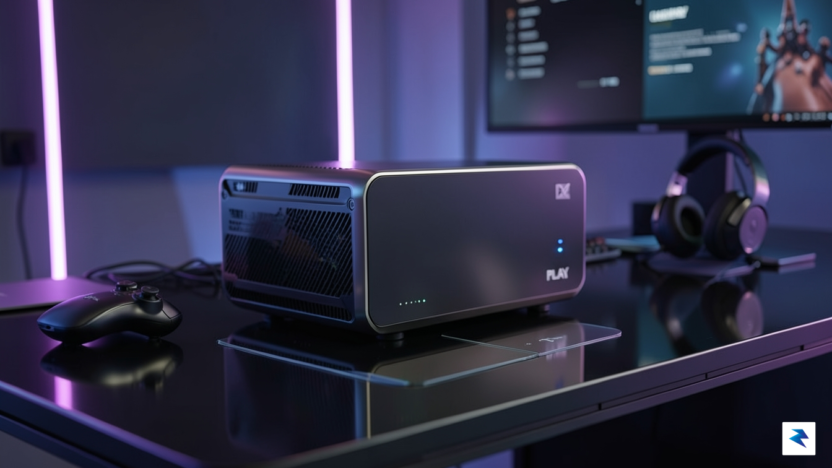
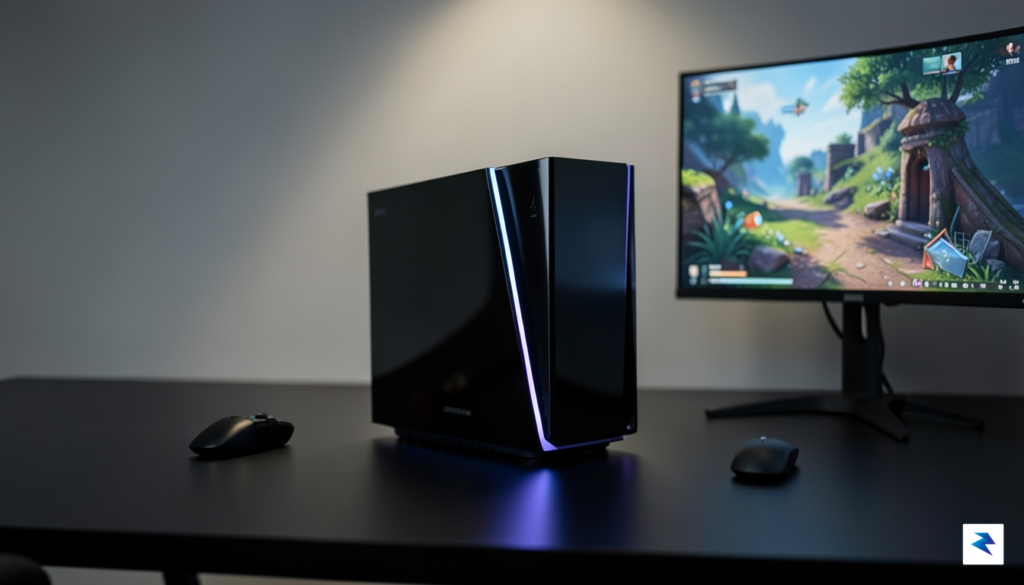
When the first whispers of a new dedicated Steam Machine iteration began circulating, the gaming community harbored high hopes for a hardware ecosystem that would finally bridge the gap between PC performance and console convenience at a competitive price. However, the official unveiling has shattered those expectations, with the entry-level 512GB model debuting at a staggering $1,049, while the top-tier 1TB variant climbs to $1,349. This pricing strategy marks a departure from the “budget-friendly” narrative that characterized early living room gaming experiments, signaling instead that Valve is pivoting toward the ultra-enthusiast segment. For many potential buyers, this initial sticker shock is visceral, as it positions the hardware squarely against high-end gaming laptops and custom-built rigs rather than traditional $500 home consoles.
To understand why Valve has opted for such a premium entry point, one must look beyond the surface-level cost and examine the volatile state of the global hardware market in 2026. Supply chain logistics have become increasingly complex, with the scarcity of high-speed, low-latency memory modules driving production costs to levels unseen in the previous decade. Valve has been remarkably transparent about these “brutal” negotiations with component suppliers, noting that securing the necessary bandwidth to support their proprietary software stack requires a level of hardware quality that simply cannot be achieved on a bargain-bin budget. Consequently, what we are seeing is not merely a markup for brand prestige, but a reflection of the harsh economic reality facing any company attempting to manufacture high-performance computing hardware in the current climate.
The cost of entry is undeniably steep, but it represents a deliberate choice to prioritize uncompromised performance over market saturation. By refusing to cut corners on the memory architecture, Valve is ensuring that these machines remain relevant for years rather than months.
The community reaction has been understandably polarized, oscillating between frustration over the exclusionary price point and a grudging respect for the machine’s internal specifications. While it is tempting to view this as a failure of market positioning, it is perhaps more accurate to see it as a maturation of the Steam Machine brand. By moving away from the race to the bottom, Valve is attempting to cultivate a premium ecosystem where the hardware is guaranteed to handle the most demanding titles at peak fidelity. Whether this strategy will pay off in a market long accustomed to subsidized console pricing remains to be seen, yet it is clear that for those willing to invest, the era of the “Steam Machine as a premium enthusiast appliance” has officially arrived.
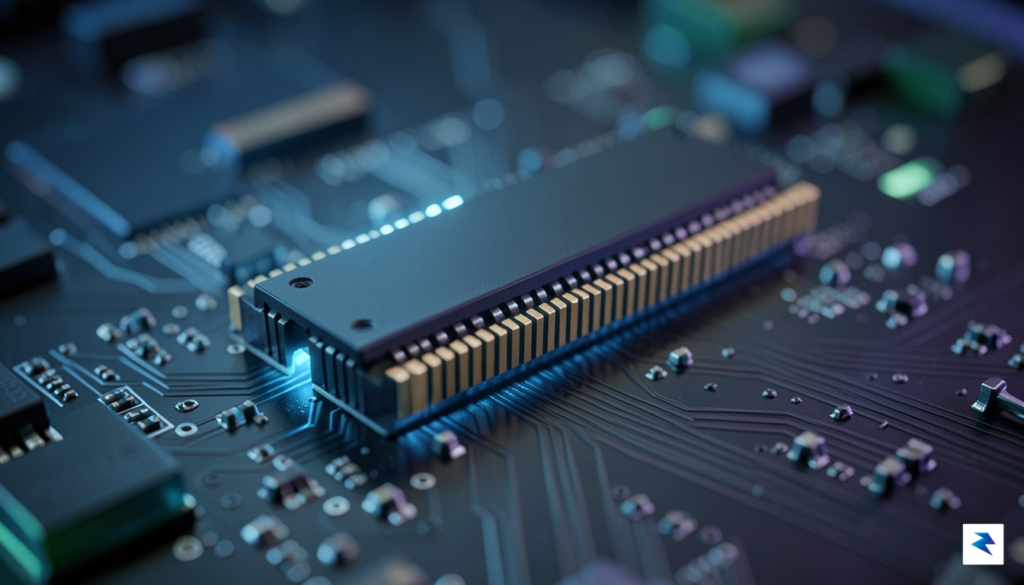
The current state of the global semiconductor market resembles a precarious house of cards, where the slightest disruption in raw material procurement sends shockwaves through the entire electronics sector. At the heart of this volatility lies the skyrocketing cost of high-bandwidth memory, which has become the primary bottleneck for manufacturers attempting to push the boundaries of modern PC gaming. As fabrication plants struggle to keep pace with the insatiable demand for AI-integrated hardware and next-generation compute modules, consumer-grade high-speed RAM has been pushed to the back of the line. This scarcity is not merely a logistical hiccup but a fundamental shift in the economics of hardware production, where memory manufacturers are prioritizing high-margin server contracts over the consumer market, effectively driving up the price floor for every machine built.
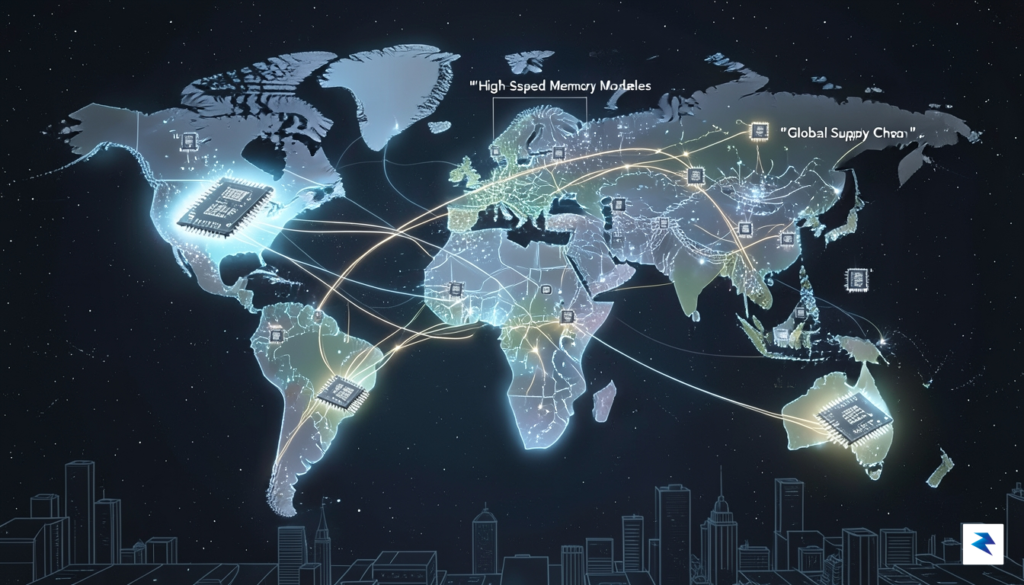
The premium pricing on these components stems from a confluence of factors, including the extreme precision required for manufacturing the latest generation of stacked memory dies and the geopolitical tensions affecting rare earth element trade. Because high-performance gaming requires ultra-low latency and massive throughput, manufacturers cannot simply swap in cheaper, legacy alternatives without compromising the integrity of the user experience. Consequently, companies are forced to engage in brutal, high-stakes negotiations just to secure consistent inventory. Even a giant like Valve, which commands massive industry influence and logistical expertise, finds itself contending with the same harsh realities as independent system integrators. Their scale allows for better bargaining power, yet it does not grant immunity from a market where the physical components simply do not exist in the necessary quantities to satisfy global demand.
The reality of modern hardware procurement is that volume purchasing power has reached a point of diminishing returns; when the total supply of high-end memory is constrained by global fabrication capacity, even the largest players in the industry are forced to pay the market’s exorbitant price or face empty assembly lines.
Ultimately, this economic squeeze forces manufacturers to pass the cost directly to the consumer, explaining why performance-tier machines are seeing such significant price hikes compared to previous hardware generations. For the average gamer, this translates into a scenario where the price of entry is no longer dictated by labor or assembly costs, but by the sheer scarcity of the silicon itself. As Valve and its contemporaries navigate these negotiations, they are essentially acting as shock absorbers for a supply chain that is currently stretched to its breaking point. Understanding this dynamic is crucial for anyone looking to purchase a high-end system, as it clarifies that the premium tag is not a reflection of corporate greed, but a direct consequence of a semiconductor landscape that is fundamentally struggling to reconcile innovation with availability.

For decades, the standard playbook for gaming hardware manufacturers—most notably Sony, Microsoft, and Nintendo—has relied on the “razor and blades” business model. Under this strategy, companies intentionally sell consoles at a loss, or at razor-thin margins, to lower the barrier to entry for consumers. The hope is that the sheer volume of software sales and subscription services will eventually recoup those initial hardware losses. However, Valve has fundamentally rejected this traditional console subsidy model with its latest hardware release. By opting to price the Steam Machine at a premium $1,049, Valve is signaling that it has no interest in playing the high-stakes game of market share acquisition through financial desperation. Instead, the company is prioritizing hardware sustainability, ensuring that every unit sold stands on its own merit without needing a massive software attach rate to justify its existence.
This decision carries significant risks, primarily because it places Valve in a precarious position compared to its competitors. By refusing to subsidize the hardware, Valve risks alienating the casual consumer who is accustomed to the $399 or $499 entry points of traditional consoles. Without the artificial price reduction that comes from a corporate subsidy, the upfront cost of entry feels dauntingly high, potentially limiting the audience to only the most dedicated PC enthusiasts. Furthermore, this approach forces Valve to be hyper-transparent about the quality of the components inside the box. When a customer pays over a thousand dollars, they expect top-tier performance, which means Valve cannot rely on the “good enough” hardware specifications that often define subsidized consoles.
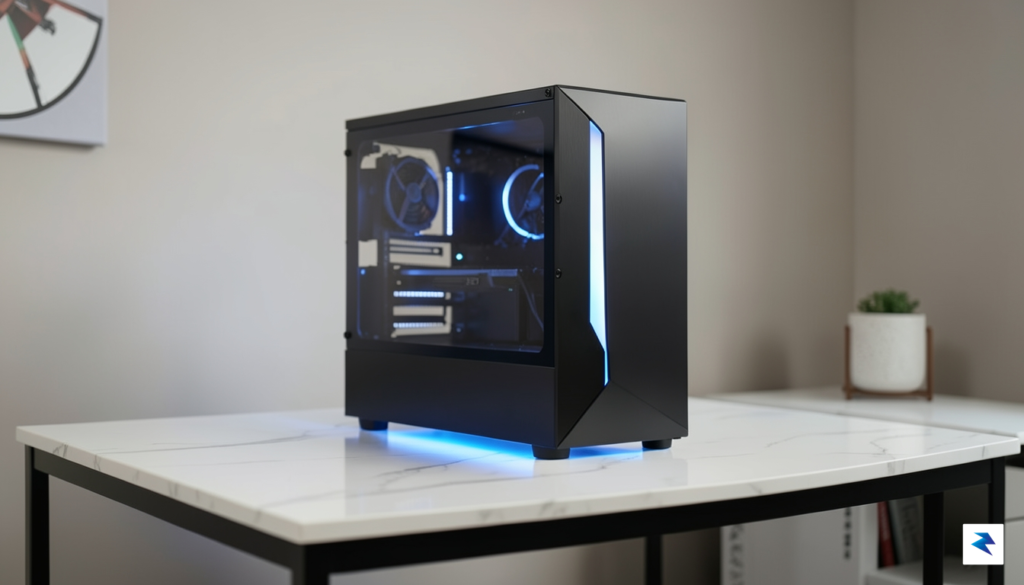
Despite these risks, there is a profound strategic advantage to this “no-subsidy” path regarding consumer trust and long-term ecosystem health. When a consumer purchases hardware at its true market value, the relationship between the company and the user shifts; it becomes a transaction between peers rather than a trap of ecosystem lock-in. Because Valve is not losing money on every unit, they are under less pressure to force aggressive digital storefront exclusivity or predatory subscription models to stay afloat. This creates a sustainable environment where SteamOS can thrive based on its own utility and open-source nature, rather than being propped up by the artificial survival instincts of a company hemorrhaging cash on hardware production.
The refusal to subsidize hardware is not just a pricing strategy; it is a declaration of independence from the boom-and-bust cycle of traditional console generations.
Ultimately, Valve’s shift in strategy suggests a vision for the future of gaming that is rooted in longevity rather than rapid market saturation. By maintaining healthy margins on hardware, Valve ensures that they are not beholden to the whims of investors who might demand a pivot if software sales do not meet unrealistic expectations. It is a bold bet that the PC gaming community values quality, transparency, and hardware freedom over the convenience of a subsidized, locked-down console ecosystem. Whether this gamble pays off will depend on the hardware’s ability to justify its premium price tag through sheer power and reliability in a crowded market.
The sticker price of $1,049 for Valve’s latest Steam Machine undoubtedly sparks a collective gasp among many average gamers. In an era where budget-friendly console alternatives and increasingly powerful mid-range custom PC builds offer compelling value, a four-figure sum for a dedicated gaming device can seem excessively steep. For the casual player or those making their first foray into PC gaming, this initial shock is understandable, potentially leading to a quick dismissal of the product. However, to truly grasp the intended market and the underlying value proposition, we must look beyond the surface and consider the specific context of this device, especially in light of the highly competitive and often volatile hardware market of 2026.
A meaningful assessment of the Steam Machine’s cost-to-performance ratio necessitates a direct comparison not with a standard desktop tower, but with an equivalent small-form-factor (SFF) PC. Building a high-performance SFF system from scratch typically involves navigating a labyrinth of specialized components: compact yet powerful motherboards, efficient cooling solutions designed for tight spaces, and discrete GPUs capable of delivering modern gaming experiences within stringent thermal envelopes. Crucially, the recent industry discussions around “brutal RAM negotiations” in 2026 suggest that Valve’s machine likely incorporates premium, possibly even custom-designed, memory modules that are both cutting-edge and expensive. Sourcing these top-tier components individually for a DIY build, coupled with the inherent premium for miniaturized hardware and the time invested in meticulous assembly and cable management, can easily push the total cost well beyond the Steam Machine’s asking price, often without the same level of integrated optimization.
Beyond the raw hardware specifications, a significant portion of the Steam Machine’s value proposition lies in its holistic, pre-configured SteamOS experience. This isn’t just a collection of parts; it’s a carefully engineered ecosystem designed to deliver a console-like plug-and-play experience with the inherent flexibility of PC gaming. For consumers who prioritize convenience, ease of use, and a seamless living room integration without the complexities of building a PC, installing an operating system, or troubleshooting driver issues, the Steam Machine offers a compelling argument. Valve’s direct control over both the hardware and software stack promises a level of optimization, stability, and ongoing support that is difficult, if not impossible, to replicate with a self-assembled system, thereby streamlining the entire process from unboxing to launching the latest titles.
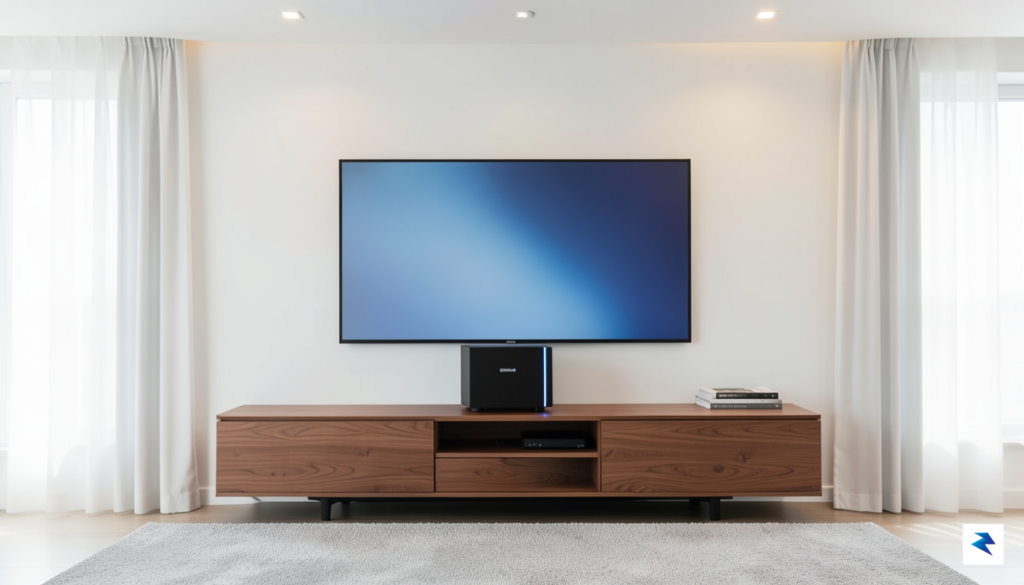
Furthermore, the compact and often aesthetically refined form factor contributes significantly to its perceived value. Modern SFF PCs are designed to be discreet and blend into entertainment centers, avoiding the bulky presence of traditional gaming towers. The Steam Machine, as a first-party Valve product, is expected to embody this design philosophy, offering a sleek, premium enclosure that appeals to users who demand both performance and elegance. This attention to detail in industrial design and the engineering required to pack high-end components into a small, efficient chassis adds a tangible premium to the overall package, positioning it not just as a gaming device, but as a sophisticated piece of consumer electronics.
Considering these intricate details, the target demographic for this iteration of the Steam Machine becomes clearer. It’s not aimed at the budget-conscious gamer seeking the absolute cheapest entry point into PC gaming, nor is it primarily for the seasoned PC enthusiast who relishes the challenge and customization of a DIY build. Instead, Valve is targeting a discerning segment of the market: individuals who value a premium, hassle-free gaming experience in a compact and aesthetically pleasing form factor. This includes console upgraders seeking the expanded library and flexibility of PC gaming without the technical hurdles, or users looking for a powerful, dedicated living room gaming solution that complements an existing desktop rig. Ultimately, the $1,049 price point positions the Steam Machine as a boutique offering, catering to a specific niche willing to invest in a curated, high-performance, and elegantly packaged solution.

The recent pricing signals coming out of Valve’s latest hardware initiatives suggest we are witnessing a fundamental shift in the economics of the PC gaming ecosystem. For years, the industry relied on a fragile balance of subsidies and aggressive retail margins to keep entry-level and mid-range pre-built systems accessible to the average gamer. However, as global supply chains for critical components like high-bandwidth RAM remain volatile and expensive, the era of the “loss-leader” PC appears to be drawing to a close. Valve’s decision to position their latest hardware at a premium price point indicates a strategic pivot toward a model where consumers are expected to shoulder the true cost of high-performance engineering, rather than relying on manufacturer-backed price suppression.
Other manufacturers are almost certain to follow suit, likely abandoning the race to the bottom in favor of “premium-only” strategies that prioritize stability and profit margins over market share. We should expect to see a market bifurcation where budget-conscious users are pushed further toward integrated graphics solutions or cloud-based streaming services, while the dedicated enthusiast market is asked to pay significantly more for raw, uncompromised performance. This transition will likely force a renewed interest in modularity; if consumers are expected to pay over a thousand dollars for a base unit, they will demand the ability to swap components, upgrade memory modules, and extend the functional lifespan of their machines indefinitely. In this landscape, the “disposable” pre-built desktop may eventually become a relic of the past.
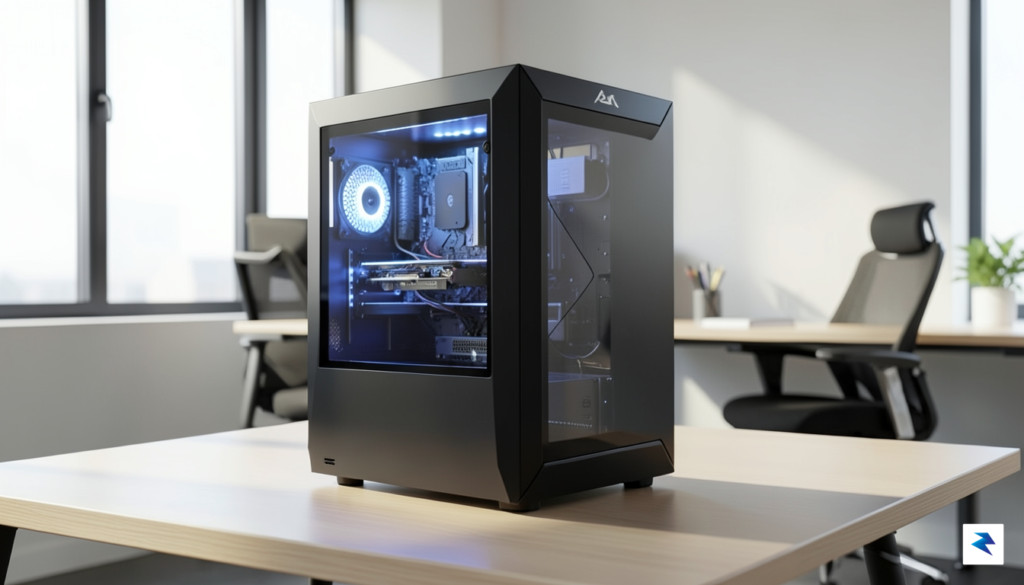
The shift toward direct-cost pricing isn’t just a response to supply chain issues; it is a declaration that the PC gaming market has matured into a space where hardware quality is no longer negotiable.
Looking ahead, the long-term success of this new pricing model hinges entirely on whether Valve and its competitors can prove that the hardware justifies the premium. If these machines offer truly transformative experiences—better thermal management, longer hardware longevity, and superior build quality—users will likely adapt, albeit begrudgingly. However, if the industry fails to provide clear value, we may see a stagnation in PC gaming adoption as potential newcomers are priced out of the entry-level tier. Ultimately, the health of the PC market now depends on a delicate balancing act: maintaining enough affordability to foster a wide install base while generating sufficient revenue to insulate hardware manufacturers from the brutal, unpredictable fluctuations of the global component market.
You must be logged in to post a comment.