
Valve’s Steam Machine Pricing: Why the $1,049 Tag is Only the Beginning
The New Reality: Why Steam Machines Command a Premium Price When the first whispers of a new dedicated Steam Machine iteration began…
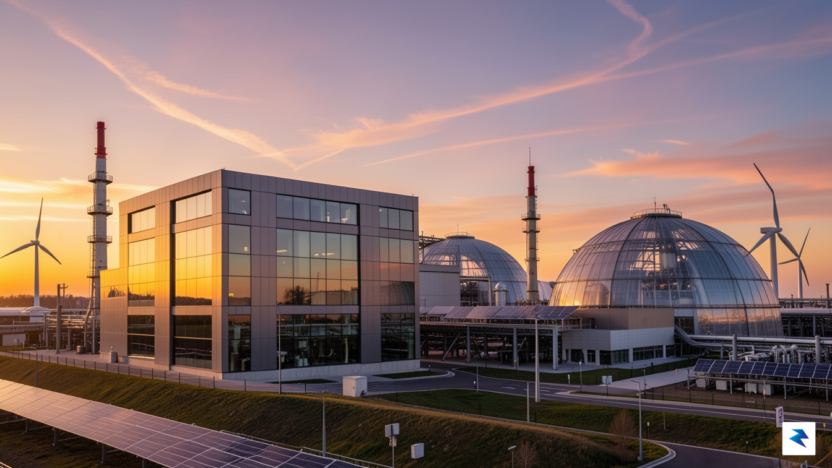
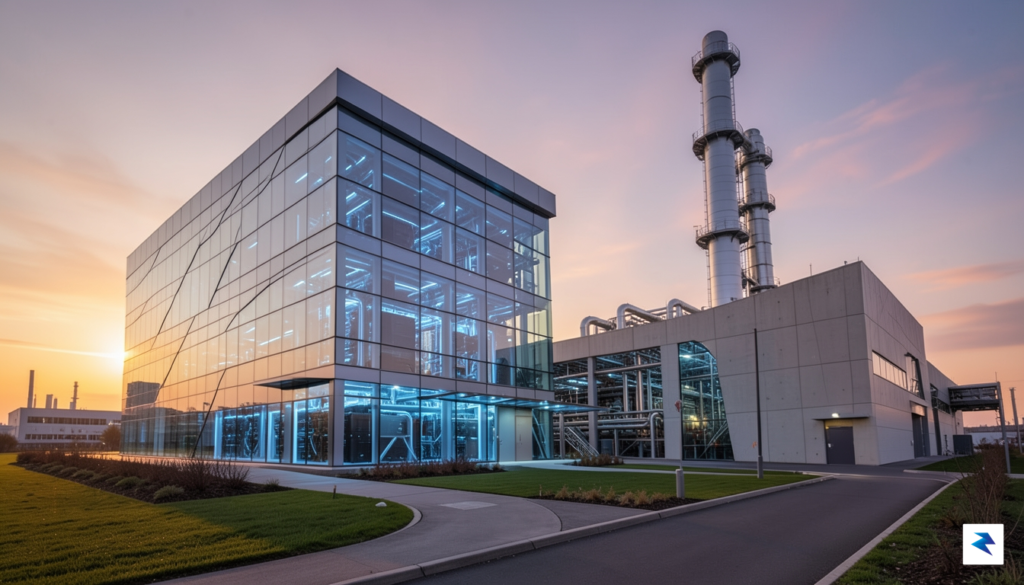
The explosive rise of artificial intelligence has catalyzed an unprecedented surge in demand for compute power, fundamentally altering how hyperscalers approach their energy portfolios. For years, major technology companies championed aggressive transitions to wind and solar energy, banking on the rapid decarbonization of regional grids to power their global data center footprints. However, the sheer density of power required by modern AI training clusters—which operate around the clock at maximum capacity—has exposed the inherent limitations of intermittent renewable sources. Because the sun does not always shine and the wind does not always blow, traditional renewables cannot provide the consistent, high-voltage base-load power necessary to maintain the 24/7 uptime requirements of large-scale AI infrastructure.
Compounding this challenge is the fact that current electrical grids are struggling to keep pace with the exponential growth of data center expansion. Many regions face significant bottlenecks in transmission capacity and interconnection queues, meaning that even if a clean energy project is completed, it may take years to actually deliver power to the facilities that need it most. Consequently, Big Tech firms are finding themselves in a precarious position where they must choose between stalling their AI ambitions or securing reliable, on-demand energy sources that can bypass the sluggish pace of grid upgrades. This pressure has forced a strategic pivot toward natural gas, which offers the high energy density and operational stability that AI hardware demands.
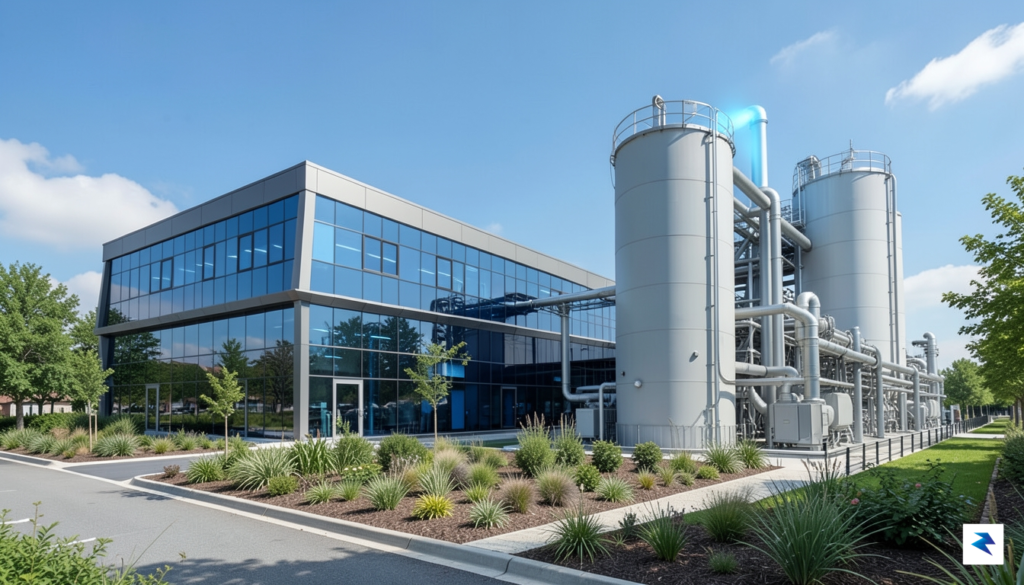
The transition to AI-centric computing is not just a software evolution; it is a massive industrial undertaking that requires a reliable, uninterrupted flow of electricity that existing renewable frameworks are currently ill-equipped to provide on their own.
This shift toward gas-powered infrastructure represents a pragmatic, albeit controversial, recalibration of corporate sustainability strategies. While natural gas is a fossil fuel, it remains significantly cleaner than coal and provides the immediate, scalable reliability that “always-on” AI servers require. By partnering with energy giants like Chevron, tech leaders are essentially internalizing their power supply, moving away from a reliance on the public grid to create proprietary, localized energy ecosystems. This move allows them to control their own power generation, ensuring that mission-critical AI models remain functional regardless of external weather conditions or the volatility of the broader energy market. As the industry grapples with the tension between rapid innovation and climate commitments, natural gas has emerged as the essential bridge to maintain the momentum of the AI revolution.
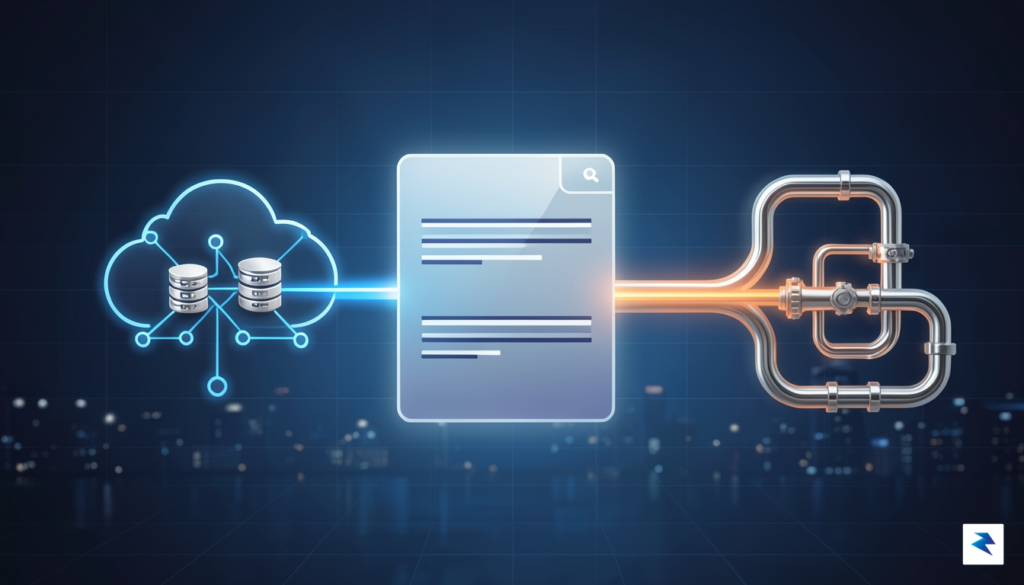
The recently finalized 20-year power purchase agreement (PPA) between Microsoft and Chevron marks a definitive turning point in the tech industry’s approach to infrastructure procurement. By committing to a two-decade-long partnership, Microsoft is effectively moving beyond the standard, short-term utility contracts that have characterized the cloud computing era thus far. This agreement centers on the deployment of massive, on-site natural gas-powered generation facilities specifically designed to support Microsoft’s expanding data center footprint. Rather than relying solely on the grid—which currently struggles to meet the voracious power demands of modern AI training clusters—this model allows the tech giant to internalize its energy supply, ensuring a consistent, high-uptime power source that remains immune to the volatility of regional public energy markets.
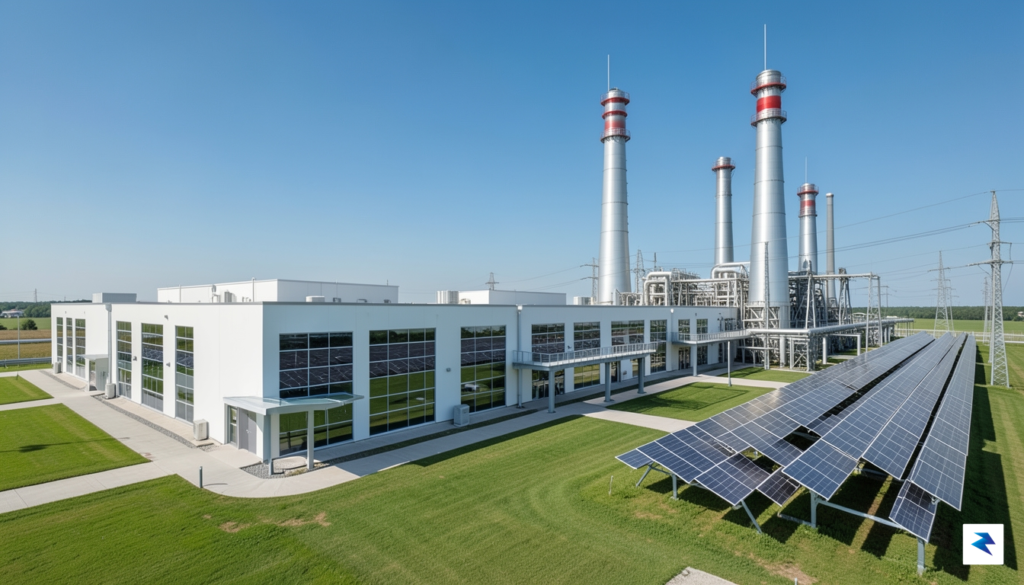
The scale of this collaboration is intentionally vast, reflecting the sheer energy intensity required to sustain the next generation of generative AI and machine learning workloads. For Microsoft, the imperative is clear: the company must guarantee immense compute capacity for the next twenty years to maintain its competitive edge. By partnering directly with Chevron, Microsoft is bypassing traditional intermediaries and effectively financing the development of fossil fuel-based infrastructure to secure that stability. This move represents a significant strategic pivot where a software-focused enterprise evolves into an active participant in the energy sector, leveraging its immense balance sheet to incentivize the construction of dedicated power plants.
The Microsoft-Chevron deal signals a new era of “energy verticalization,” where tech giants prioritize physical infrastructure reliability over the traditional model of purchasing power from the open market.
This long-term financial commitment is not merely about kilowatt-hours; it is about risk mitigation in an era of unprecedented energy scarcity. As AI continues to scale, the demand for power is projected to skyrocket, potentially overwhelming existing grids and leading to bottlenecks that could stifle innovation. By anchoring its future in a 20-year deal, Microsoft ensures that its compute capacity is insulated from the broader grid’s supply-demand imbalances. However, this strategy also invites scrutiny, as it signals a willingness to double down on fossil fuel-based power generation at a time when the tech sector is under significant pressure to accelerate its transition toward carbon neutrality. The tension between the immediate, non-negotiable need for massive power and the long-term goal of decarbonization is precisely what makes this partnership such a complex, precedent-setting maneuver for the entire industry.

The pursuit of generative AI has placed Microsoft in an increasingly precarious position: how to maintain its reputation as a global leader in climate action while simultaneously fueling the most energy-intensive computing expansion in history. For years, the company has championed ambitious net-zero pledges, aiming to be carbon negative by 2030. However, the relentless scaling of Large Language Models (LLMs) requires a constant, high-capacity electricity supply that intermittent renewables like wind and solar currently struggle to provide on a 24/7 basis. This creates a fundamental tension between corporate decarbonization mandates and the immediate, aggressive growth requirements of the AI arms race.

To navigate this dilemma, Microsoft has been forced to look beyond traditional renewable energy credits, which often function more as accounting tools than direct emissions reductions. While carbon offsets have played a significant role in the company’s past environmental strategy, they are increasingly viewed as insufficient for the sheer volume of electricity consumed by modern data centers. The reliance on natural gas, as seen in the recent Chevron collaboration, represents a strategic pivot toward “firm” power—energy that is available whenever the data center needs it, regardless of weather conditions. By securing long-term fossil fuel-based agreements, the tech giant is effectively prioritizing the stability of its AI infrastructure over its short-term emissions trajectory.
The core challenge lies in the “baseload” requirement of AI: while solar and wind are cheaper than ever, they cannot power a data center at 3:00 AM on a calm night without massive, currently unavailable battery storage at scale.
Managing the optics of this shift is perhaps as complex as the energy engineering itself. Microsoft must communicate to shareholders and climate activists that these investments in natural gas are not a retreat from sustainability, but rather a pragmatic bridge toward a future powered by cleaner alternatives, such as next-generation nuclear energy. The company is betting that by securing reliable, high-capacity power today, it can maintain the market dominance necessary to fund the long-term research and development of carbon-removal technologies. Ultimately, this strategy suggests that the path to a sustainable digital future is not a straight line, but a messy, iterative process of balancing immediate compute necessities against the long-term health of the planet.
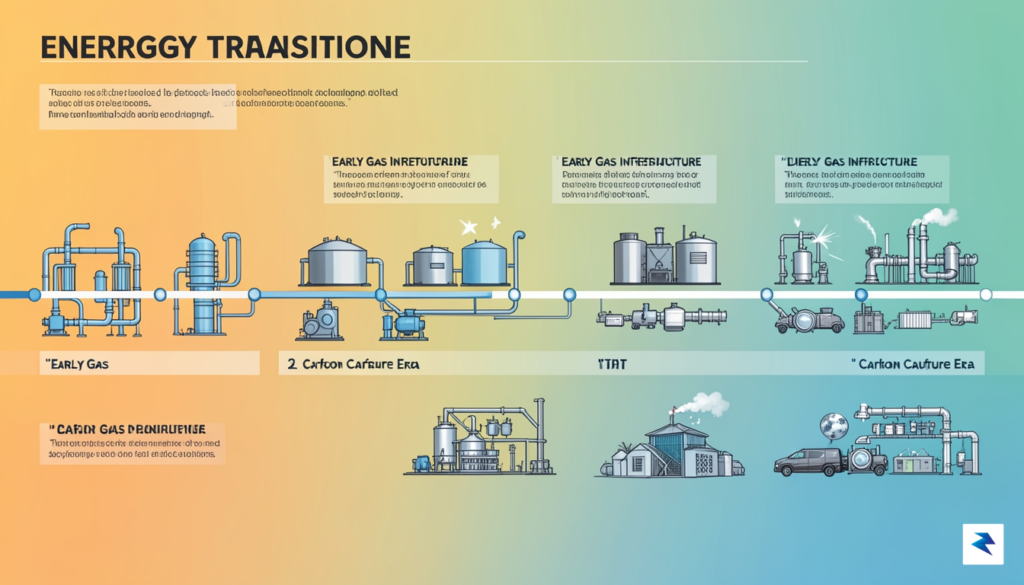
The decision to anchor massive data center operations to dedicated natural gas infrastructure introduces a complex paradox in the transition toward a greener digital economy. While natural gas is frequently characterized as a cleaner “bridge fuel” compared to coal, moving away from the public grid in favor of localized, long-term fossil fuel combustion creates a tangible carbon legacy. By committing to a twenty-year horizon for these plants, Microsoft and Chevron are essentially locking in a specific emissions profile that will persist long after renewable energy technologies might have otherwise become the more cost-effective standard. This long-term dependency forces stakeholders to weigh the immediate necessity of meeting AI’s insatiable power demand against the cumulative environmental cost of ongoing methane leakage and carbon dioxide output.
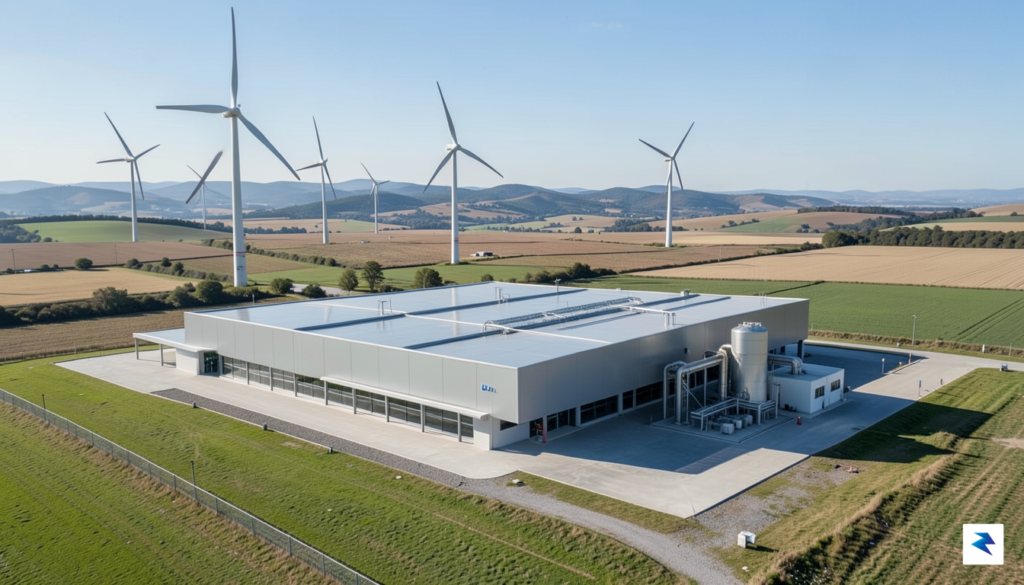
When analyzing the carbon intensity of this project, it is essential to look beyond the immediate efficiency of combined-cycle gas turbines. Traditional grid reliance often subjects corporations to a mix of energy sources, some of which may be high-polluting; however, the grid is also subject to aggressive, systemic decarbonization efforts driven by state mandates and utility-level investments. By bypassing the grid to build a private gas-fired plant, the project creates a “closed loop” of emissions that is entirely dependent on the carbon profile of natural gas. While localized generation can minimize transmission losses—a persistent inefficiency in national power distribution—it also isolates the data center from the rapid greening occurring in the broader energy market, potentially stalling the company’s progress toward its ambitious net-zero targets.
The central challenge lies in the “lock-in” effect: once multi-billion-dollar infrastructure is built, the economic incentive to maintain its operation for the full duration of the contract often overrides the environmental imperative to switch to cleaner, alternative energy sources.
There is, however, a potential pathway for mitigation through the integration of Carbon Capture and Storage (CCS) technologies. If this project is designed from the outset to be “capture-ready,” there is a slim possibility that the emissions could be scrubbed before they reach the atmosphere, theoretically transforming a fossil-fuel-reliant site into a low-carbon facility. Yet, CCS remains an expensive and technically challenging prospect at scale, often struggling with high energy penalties and the logistical hurdles of transporting and sequestering carbon underground. Without a ironclad commitment to retrofitting these plants with carbon-capture systems, the reliance on gas risks becoming a stationary source of pollution that contradicts the environmental leadership roles that major tech firms seek to occupy in the global public eye.

The collaboration between Microsoft and Chevron signals a definitive shift toward the decentralization of energy, where the traditional model of relying solely on public utility grids is rapidly becoming obsolete for hyperscale computing. As artificial intelligence demands grow exponentially, the world’s largest tech firms are increasingly acting as their own utility providers, securing direct access to power generation to bypass the grid’s constraints and volatility. This move toward private-sector-led energy procurement is not merely an isolated logistics strategy; it is a fundamental restructuring of how energy is consumed, managed, and prioritized in the digital age. By effectively becoming “prosumers” who generate and manage their own power, companies like Microsoft are insulating their critical infrastructure from the potential instabilities of aging public energy systems.
This evolution will inevitably reshape regional power prices and availability for the general public, creating a complex dual-market landscape. On one hand, the massive capital investment from Big Tech into energy infrastructure could accelerate the modernization of regional grids and the integration of new gas and renewable assets. However, critics argue that such exclusive, high-volume deals could tighten supply, potentially forcing local municipalities and residential consumers to compete for a shrinking pool of grid-based power. As these decentralized hubs proliferate, utility regulators will face the unprecedented challenge of balancing the localized needs of hyper-efficient data centers with the broader, universal requirement for stable, affordable electricity for the surrounding population.
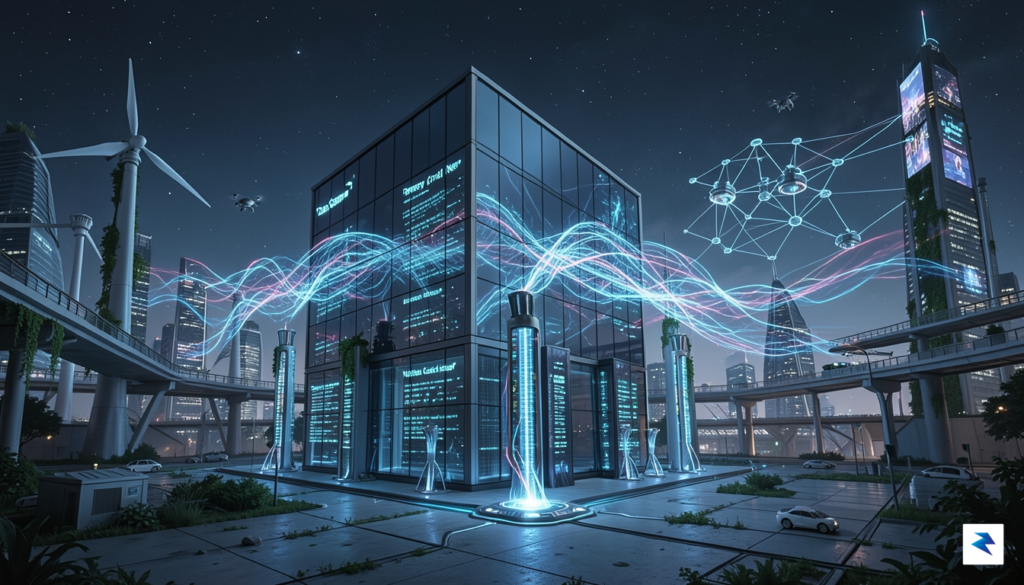
Looking toward the next decade, it is highly probable that these custom energy partnerships will become the industry standard rather than the exception. As the race for AI supremacy intensifies, the ability to guarantee 24/7 power availability will become a competitive moat as significant as proprietary algorithms or hardware access. We are likely to see a wave of similar agreements where tech giants vertically integrate with natural gas producers, battery storage firms, and nuclear developers to ensure their energy security. This trend suggests that the largest tech companies will soon hold as much influence over energy policy and market pricing as traditional utility conglomerates, effectively rewriting the rules of the global energy market.
The integration of independent power production into the tech stack is no longer an optional efficiency measure; it is a core survival strategy for the era of mass-scale artificial intelligence.
Ultimately, this transition forces a reckoning with climate goals. While these private energy deals offer a pathway to powering the next generation of technological innovation, they also lock in long-term reliance on conventional fuels under the guise of grid reliability. As these models scale, the tension between the immediate, insatiable hunger for compute and the global mandate for decarbonization will define the energy agenda for the foreseeable future, forcing tech leaders to navigate the difficult path of balancing their private bottom lines with the public interest in a sustainable climate future.
You must be logged in to post a comment.