
Tesla Texas Crash Sparks Federal Investigation into Autopilot Safety
Understanding the Federal Investigation into Tesla Driver-Assistance Systems The recent, tragic collision in Texas has served as a catalyst…

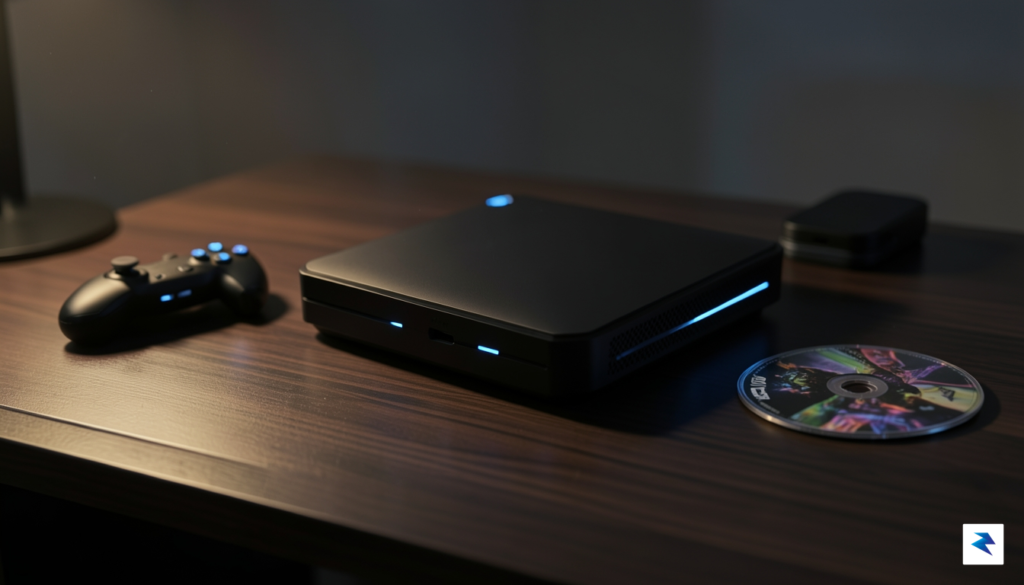
For decades, the video game console occupied a specific, protected niche in the consumer electronics market: the affordable entry point. The industry operated on a razor-and-blade model, where manufacturers would often sell hardware at a loss, banking on the long-term revenue generated through software licensing and peripheral sales. This cycle allowed millions of households to participate in cutting-edge entertainment without the prohibitive barrier of entry associated with high-end computing. However, this established narrative is fracturing as the lines between standardized consoles and premium PCs continue to blur, forcing a fundamental shift in how we perceive the cost of play.
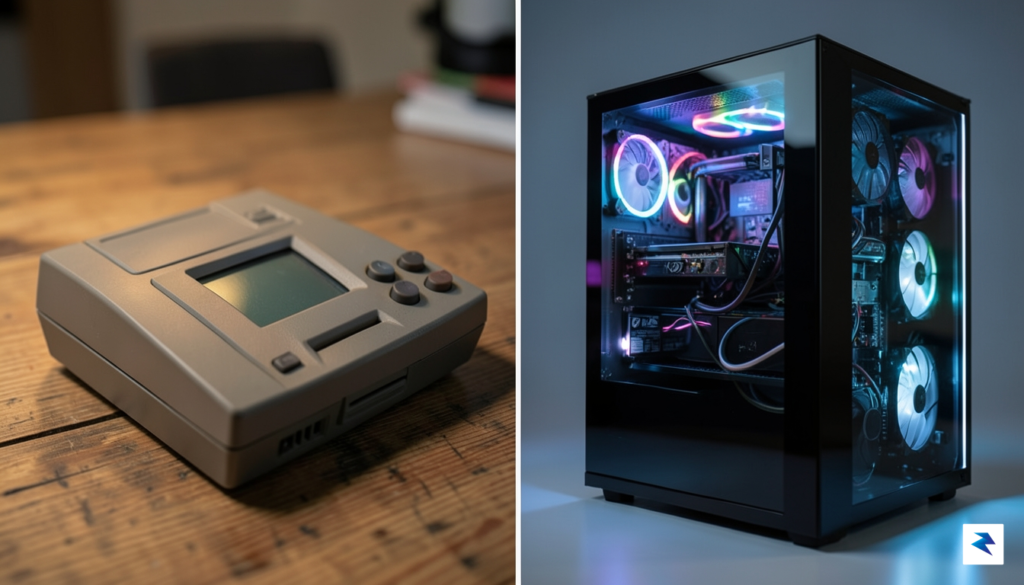
The transition from subsidized hardware to high-margin, premium devices is no longer a fringe strategy; it is the industry’s new standard. As the technological complexity required to push 4K resolutions, ray tracing, and lightning-fast solid-state storage increases, the cost of manufacturing has skyrocketed. Companies are no longer content with selling consoles as loss-leaders; instead, they are introducing “Pro” versions and modular upgrades that command prices once reserved for luxury electronics. This shift reflects a move away from mass-market accessibility toward a bifurcated model where the baseline experience is increasingly sidelined by premium hardware designed for enthusiasts with deeper pockets.
The era of the “affordable console” is not merely evolving; it is being replaced by a tiered system that treats high-fidelity gaming as a premium service rather than a utility.
This reality brings us back to the legacy of the Steam Machine. When Valve first introduced the concept of modular, living-room-ready gaming PCs, it was widely criticized for its confusing pricing and hardware fragmentation. Yet, in hindsight, the Steam Machine was a visionary, albeit premature, attempt to standardize the modular PC experience for the console crowd. Today, the market has finally caught up to that vision. We are now living in a world where users are expected to invest in tiered hardware ecosystems—much like the modular promise of those early Steam units—where the “console” is no longer a static box, but a piece of high-cost infrastructure subject to the same inflationary pressures as any professional workstation. The budget-friendly era is closing, replaced by a future where your hardware’s power is directly proportional to your willingness to pay a premium price.
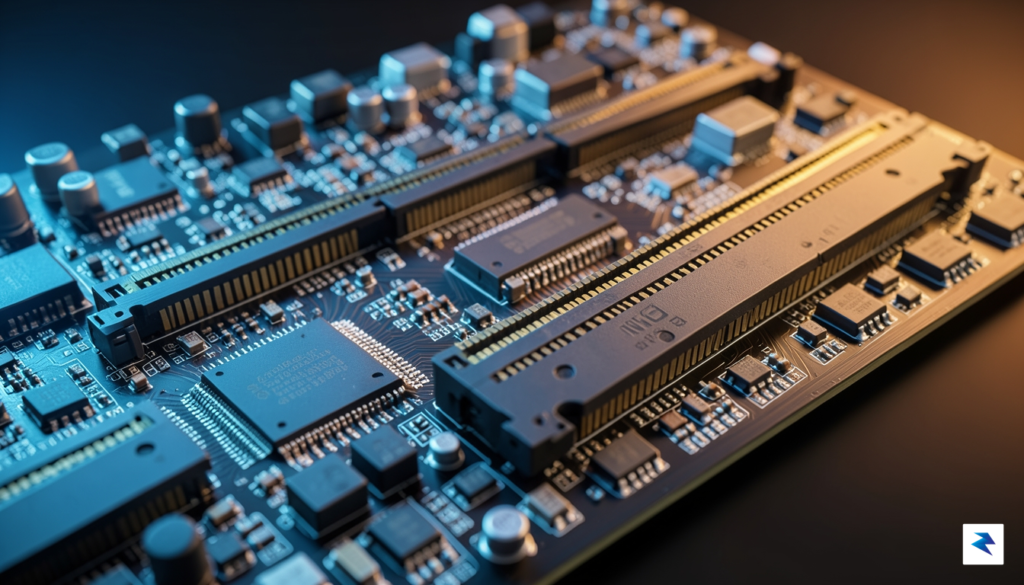
The escalating price tags on modern gaming hardware are rarely the result of simple corporate profiteering; rather, they are the direct consequence of a global supply chain that has become dangerously fragile. At the center of this turmoil is a persistent shortage of semiconductors and specialized RAM modules, components that serve as the fundamental building blocks for both high-end PCs and modern consoles. Because these chips require incredibly sophisticated fabrication processes—often involving rare earth materials and facilities that cost billions of dollars to construct—any disruption in global logistics creates a massive bottleneck. When demand for computing power surges across the automotive, mobile, and enterprise sectors simultaneously, gaming manufacturers find themselves competing for a limited pool of silicon, forcing them to absorb or pass on significantly higher acquisition costs.
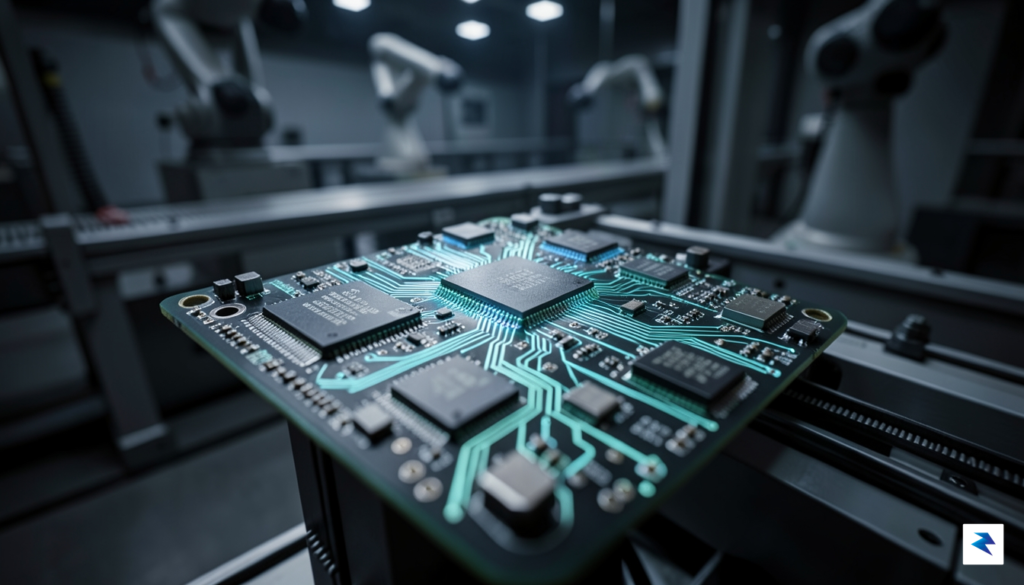
Beyond the general scarcity of silicon, the specialized nature of modern gaming hardware has fundamentally altered the bill of materials (BOM) for every unit produced. Today’s consoles are no longer generic computers; they rely on highly customized solid-state drives (SSDs) designed for near-instantaneous data throughput and dedicated hardware acceleration for Ray Tracing. Integrating these bespoke components requires extensive research, development, and licensing, which inflates the manufacturing cost long before a single device hits the assembly line. Unlike previous generations, where mass-market, off-the-shelf parts could keep prices low, modern consoles are built on custom-silicon architectures that lack the economies of scale seen in older, standardized electronics.
The transition toward premium, high-performance hardware architecture means that the days of cheap, mass-produced consoles are effectively over, as the industry pivots to prioritize fidelity over affordability.
This technical evolution has created a significant ripple effect that bridges the gap between console gaming and the PC market. Historically, consoles were viewed as the budget-friendly alternative to building a custom PC, but as console hardware becomes more closely aligned with high-end desktop components, that price disparity is rapidly vanishing. When the cost of a high-performance GPU or a modular SSD rises due to raw material inflation, it forces a market-wide readjustment. Consequently, consumers are finding that the premium experience offered by modern consoles now demands a premium price point, reflecting the true cost of bringing cutting-edge, power-hungry technology into the living room in an era of unprecedented manufacturing complexity.
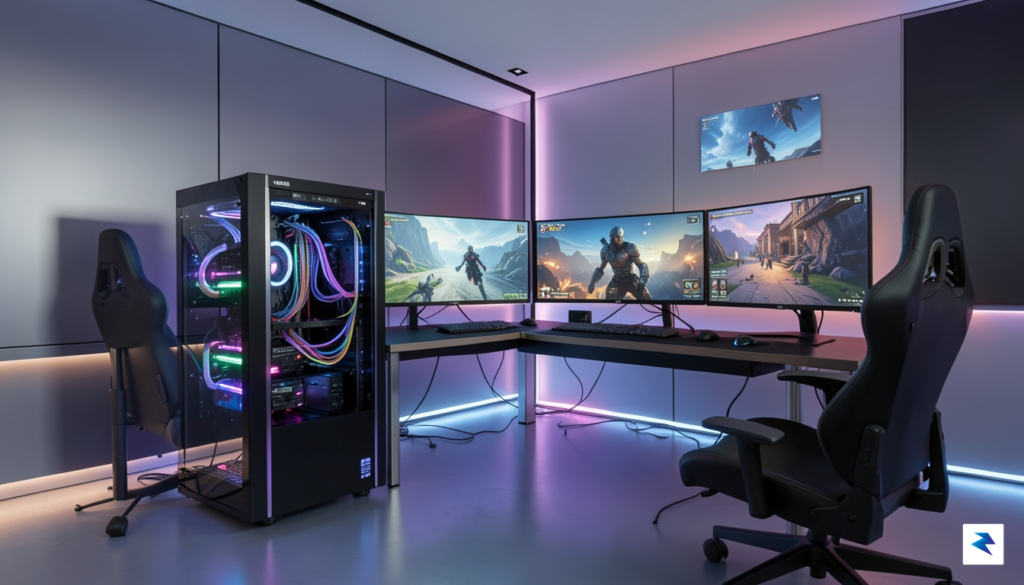
For years, the gaming industry operated under the unspoken rule that a home console should hover around the $399 “sweet spot” to ensure mass-market adoption. However, that era is rapidly fading as manufacturers pivot toward a tiered strategy that mirrors the aggressive segmentation of the smartphone market. Today’s consumers are no longer satisfied with a “one-size-fits-all” machine; instead, they are increasingly vocal about their desire for 4K resolution, consistent high frame rates, and advanced graphical fidelity. To meet these technically demanding standards, hardware developers have been forced to incorporate more expensive components, effectively pushing the baseline cost of production to heights that were unimaginable just a decade ago.
This shift is most visible in the proliferation of “Pro” and “Elite” console models, which serve as the premium tier for enthusiasts willing to pay a significant markup for marginal performance gains. By bifurcating their hardware lineups, companies like Sony and Microsoft have essentially emboldened themselves to normalize higher price points under the guise of choice. This strategy leverages deep-seated brand loyalty, where the most dedicated players feel compelled to upgrade to the latest iteration simply to ensure they are experiencing games exactly as the developers intended. Consequently, the console has transformed from a static, decade-long investment into a revolving door of hardware iterations, where the “premium experience” is locked behind a paywall that continues to climb.
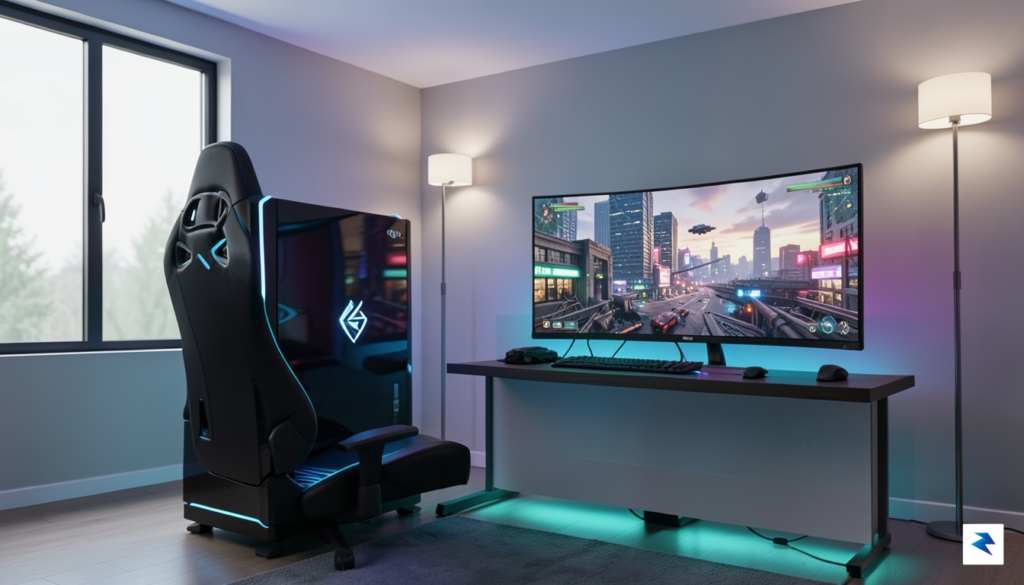
The industry is moving toward a model where gaming is no longer a singular entry-level hobby, but a tiered ecosystem where performance is directly proportional to how much a consumer is willing to invest.
While these advancements offer undeniable benefits for those who can afford the latest equipment, this trend leaves a widening gap in the market. The budget segment—once the backbone of the gaming industry—is being systematically deprioritized as manufacturers focus their R&D budgets on high-margin, premium hardware. This creates a challenging environment for casual gamers or those on fixed incomes, who find themselves increasingly excluded from the “modern” gaming experience. As the baseline for acceptable performance continues to shift upward, the industry risks alienating a large portion of its audience, potentially turning what was once an accessible pastime into an increasingly exclusive and expensive luxury pursuit.
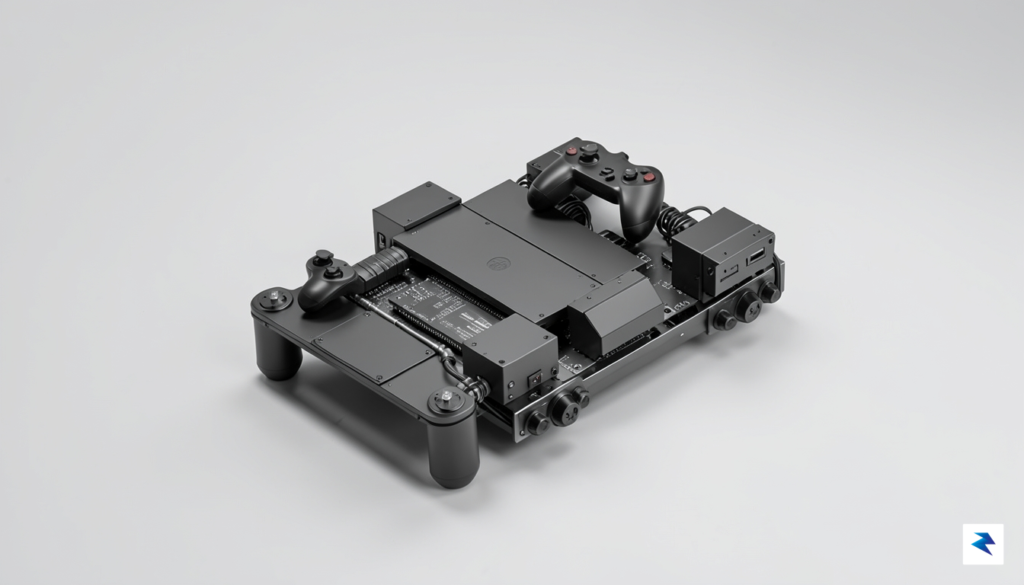
For decades, the console gaming experience was defined by a rigid, generational cadence: you purchased a box, it remained static for seven years, and it eventually became a relic of a bygone era. Today, that binary divide between the locked-down console and the customizable PC is rapidly evaporating. We are witnessing a fundamental pivot toward an iterative hardware model, where mid-generation refreshes—like the PlayStation 5 Pro or the incremental Xbox updates—have become the industry standard rather than the exception. This transition mirrors the PC market’s philosophy, where performance is no longer tethered to a fixed point in time but is instead fluid, scalable, and increasingly tethered to the player’s willingness to pay for incremental gains in fidelity and frame rates.
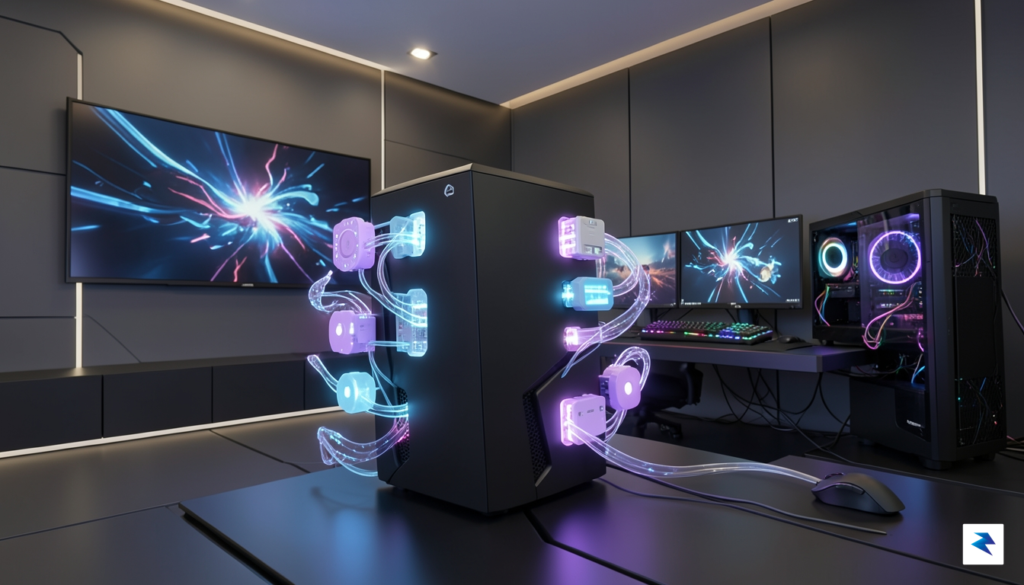
The rise of this modular approach brings a complex set of trade-offs for the average consumer. On one hand, modularity offers a path toward longevity; instead of discarding a platform entirely, users can theoretically lean into hardware that bridges the gap between generations. Yet, this evolution effectively introduces “PC-style” price creep into the living room. By forcing consumers to choose between a base model and a premium, high-performance variant, manufacturers are normalizing the idea that the “definitive” gaming experience is a luxury good. This shift places the burden of hardware obsolescence directly on the player, turning what was once a standardized entry point into a tiered investment strategy.
The modern console is no longer just a toy; it is a specialized PC masquerading as a living-room appliance, and it carries the same financial baggage as its desktop counterpart.
Ultimately, the “Steam Machine” vision—once dismissed as a failed experiment in bringing PC versatility to the console space—has quietly become the blueprint for modern hardware cycles. By championing an open-platform mentality where software is decoupled from specific hardware limitations, the industry is moving toward a future where “generations” are merely marketing terms rather than technical boundaries. While this provides developers with a more flexible canvas to create demanding, high-fidelity experiences, it also fundamentally changes the economic contract between the gamer and the hardware manufacturer. We are moving away from the era of affordable, accessible hardware and toward a future where staying relevant requires a persistent, and often expensive, commitment to hardware iteration.

As the barrier to entry for high-end gaming continues to climb, the era of the “impulse buy” console is rapidly fading. To maintain a sustainable hobby without draining your savings, you must shift from a reactive consumer mindset to a strategic, long-term approach. The most effective tactic is mastering the art of the hardware lifecycle; rather than rushing to purchase a console at launch, consider waiting for the inevitable mid-cycle “Slim” or “Pro” revisions. These iterations not only offer refined hardware—often solving early manufacturing flaws—but typically arrive at a more competitive price point, effectively lowering your cost-per-hour of entertainment over the lifespan of the machine.
Beyond hardware procurement, you should critically evaluate your reliance on full-price software purchases versus the burgeoning landscape of subscription services. While services like Game Pass or PlayStation Plus demand a recurring monthly fee, they can offer immense value if you are a prolific gamer who plays multiple titles per year. However, for those who prefer a curated library, the “own-to-play” model remains viable if you strictly utilize price-tracking tools and wait for seasonal sales, which have become increasingly aggressive as digital storefronts fight for market share.
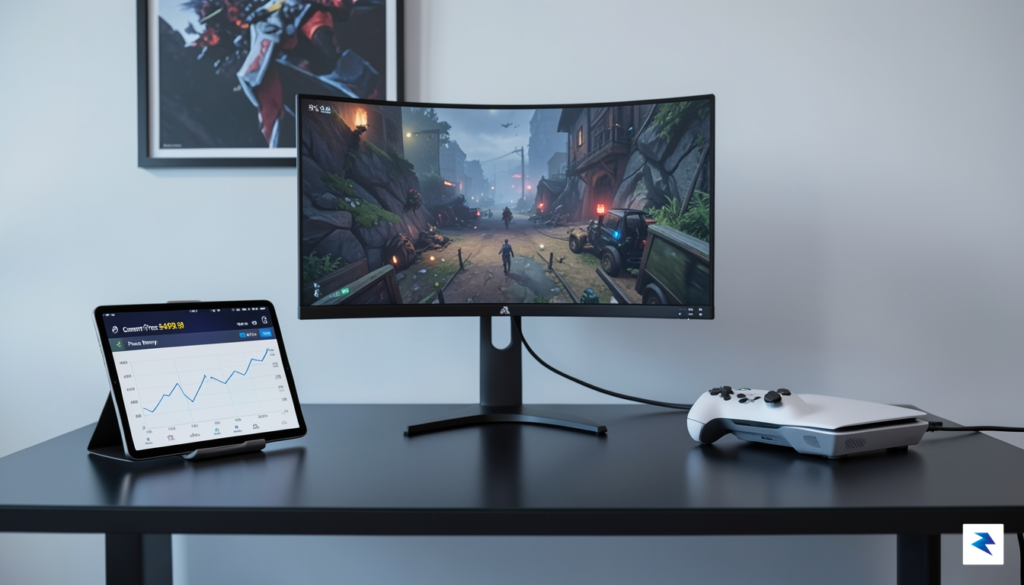
Strategic patience is the greatest asset for the modern gamer; by delaying gratification, you avoid the “early adopter tax” and allow the ecosystem to mature before making a significant financial commitment.
Looking toward the horizon of the next generation—such as the eventual PlayStation 6 or the next iteration of Xbox hardware—it is clear that the industry is pushing toward a premium-tier model. As costs for specialized silicon and high-bandwidth memory continue to escalate, we should anticipate that future consoles may launch with higher MSRPs than their predecessors. To prepare, you might explore the viability of cloud gaming platforms. By offloading the computational heavy lifting to remote data centers, cloud gaming allows you to enjoy cutting-edge experiences on existing hardware like tablets, laptops, or smart TVs, thereby bypassing the need for a multi-hundred-dollar console upgrade entirely.
Ultimately, the future of gaming will reward those who act with intention rather than habit. Whether you choose to invest in a top-tier physical console, leverage the flexibility of subscription models, or migrate to the cloud, the goal remains the same: maximizing your engagement while minimizing unnecessary expenditure. By staying informed about hardware roadmaps and keeping a watchful eye on total cost of ownership, you can continue to enjoy the latest interactive experiences without falling victim to the escalating financial pressures of the industry.
You must be logged in to post a comment.