
Clive Davis: The Visionary Who Shaped the Sound of Generations
The Architect of Modern Music History Long before he became the undisputed titan of the recording industry, Clive Davis began his professional…
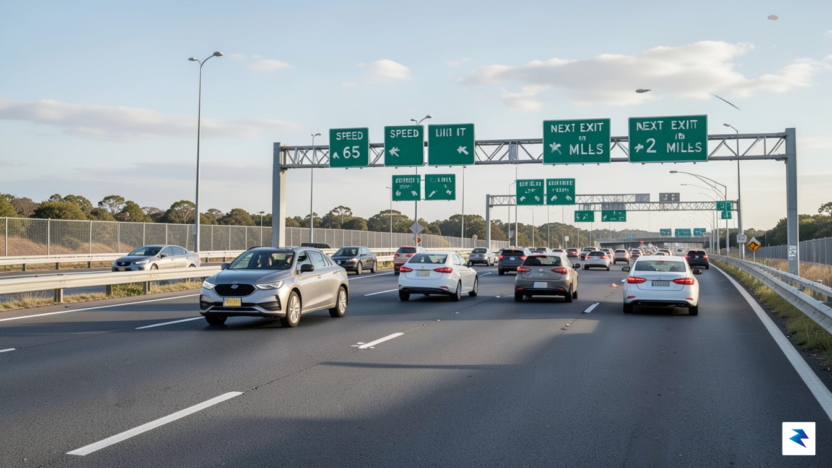
The recent, tragic collision in Texas has served as a catalyst for a sweeping federal inquiry, drawing the National Highway Traffic Safety Administration (NHTSA) into a complex examination of Tesla’s suite of advanced driver-assistance systems. While Tesla has long championed its Autopilot technology as a cornerstone of future mobility, this investigation seeks to bridge the gap between marketing claims and real-world safety performance. Federal regulators are now meticulously analyzing the vehicle’s data logs to determine whether the software functioned as intended during the moments leading up to the crash or if critical limitations in the system’s perception of the driving environment contributed to the fatality.
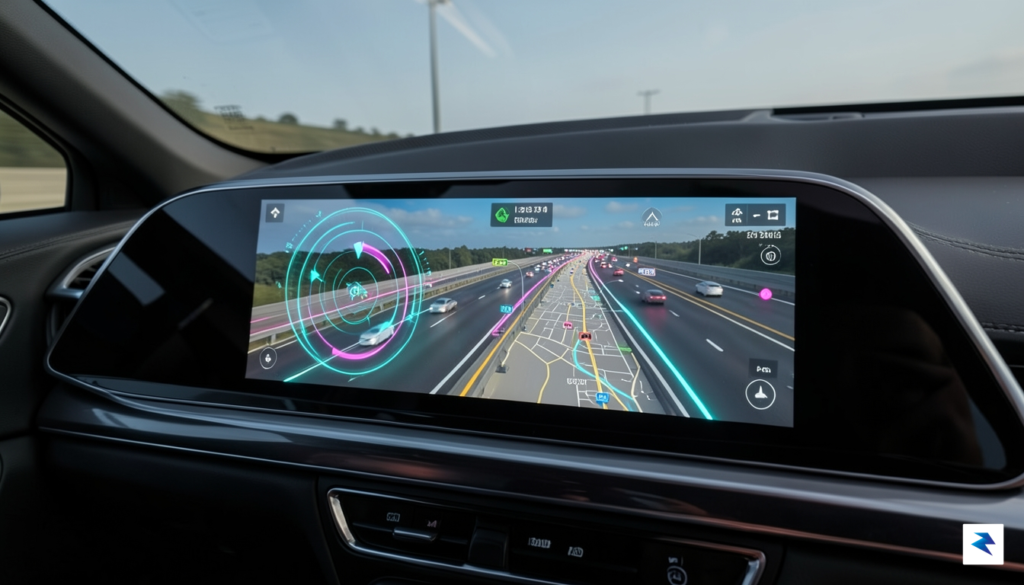
The NHTSA plays a vital role in this process, acting as the primary watchdog tasked with enforcing vehicle safety standards across the United States. Unlike previous, smaller-scale inquiries, this specific investigation represents a significant escalation in oversight, focusing on the broader architecture of driver-assistance features rather than isolated technical glitches. By scrutinizing how these systems monitor driver engagement and respond to unexpected road hazards, the agency is attempting to establish new regulatory benchmarks for how automated features are deployed in consumer vehicles. The outcome of this probe will likely dictate the future of software-defined vehicle safety, forcing manufacturers to reconcile the rapid pace of innovation with the stringent requirements of public road safety.
The core of this investigation is not merely about a single vehicle’s performance, but about the fundamental reliance on sensors and software to make life-or-death decisions on public roadways.
For the automotive industry at large, this investigation is nothing short of a watershed moment. As legacy automakers and tech-forward firms alike race to introduce higher levels of autonomy, the scrutiny placed on Tesla sets a precedent for every competitor in the space. If federal regulators conclude that the current safeguards—such as steering wheel sensors or camera-based attention monitoring—are insufficient to prevent misuse or system failure, it could necessitate sweeping software updates or even mandatory hardware recalls across the entire industry. Ultimately, this inquiry serves as a stark reminder that as vehicles become increasingly intelligent, the responsibility for ensuring passenger safety remains a shared burden between the ingenuity of engineers and the vigilance of federal oversight bodies.
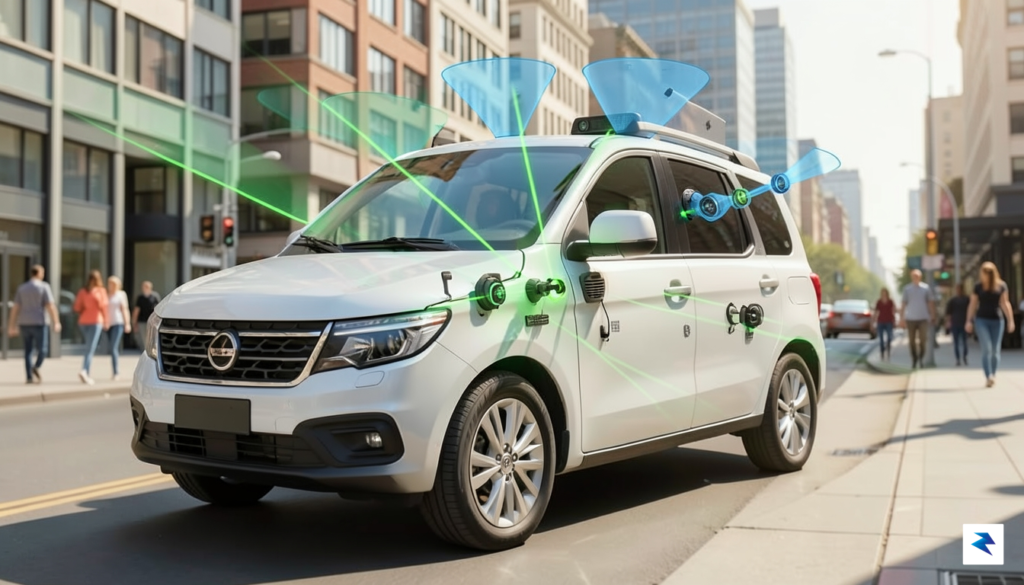
To understand the current discourse surrounding Tesla’s vehicle safety, it is essential to first clarify exactly what the company’s driver-assistance suites are—and, more importantly, what they are not. Tesla’s Autopilot and Full Self-Driving (FSD) packages are classified by the Society of Automotive Engineers (SAE) as Level 2 automation. This means that while the car can control steering, acceleration, and braking in specific scenarios, the system is fundamentally a support feature rather than an autonomous pilot. The vehicle’s software operates under the assumption that a fully attentive human is seated in the driver’s chair, ready to intervene at a moment’s notice to correct errors, navigate complex intersections, or respond to sudden road hazards.
The core of this technology relies on a sophisticated architecture of computer vision and sensor fusion. Tesla has famously opted for a “camera-only” approach, utilizing a series of external lenses to feed visual data into neural networks that attempt to identify lane markings, traffic signs, and other vehicles. While these systems are remarkably capable of processing vast amounts of data in real-time, they are not infallible. Sensor fusion—the process of combining inputs from different sources to create a holistic view of the driving environment—can be disrupted by environmental factors like heavy rain, blinding sun glare, or unexpected road debris, which can lead to “phantom braking” or a failure to detect stationary obstacles.
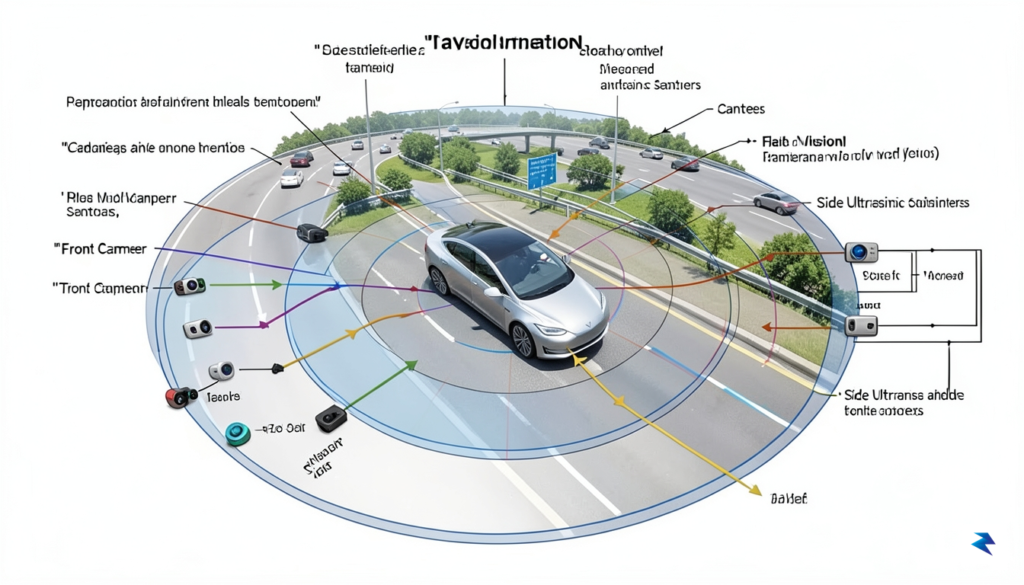
The most dangerous misconception regarding advanced driver-assistance systems is the belief that the vehicle is capable of navigating any environment without human oversight. Level 2 technology is designed to assist, not replace, the driver.
Because these systems are not fully autonomous, Tesla employs various driver attention monitoring tools, such as steering wheel torque sensors that detect if the driver’s hands are present. However, these countermeasures have faced scrutiny for being easily bypassed, leading to situations where drivers may become over-reliant on the technology. This phenomenon, often referred to as “automation complacency,” occurs when the system performs reliably for long stretches, lulling the operator into a false sense of security. As federal regulators delve deeper into recent accidents, the central question remains: how can manufacturers better design systems that not only perform complex tasks but also enforce the necessary level of vigilance required to keep occupants safe in a world where software is not yet a substitute for human judgment?

When a vehicle equipped with advanced driver-assistance systems (ADAS) is involved in a severe collision, the National Highway Traffic Safety Administration (NHTSA) launches a multi-layered investigative process that departs significantly from traditional crash reconstruction. Unlike mechanical failures in older vehicles, which often leave behind clear physical markers like broken tie rods or worn brake pads, software-based incidents require investigators to act as digital detectives. They must reconcile the physical reality of the crash scene—such as tire marks, crumple zones, and impact angles—with the invisible stream of telemetric data generated by the vehicle’s onboard computer systems in the milliseconds leading up to the event.
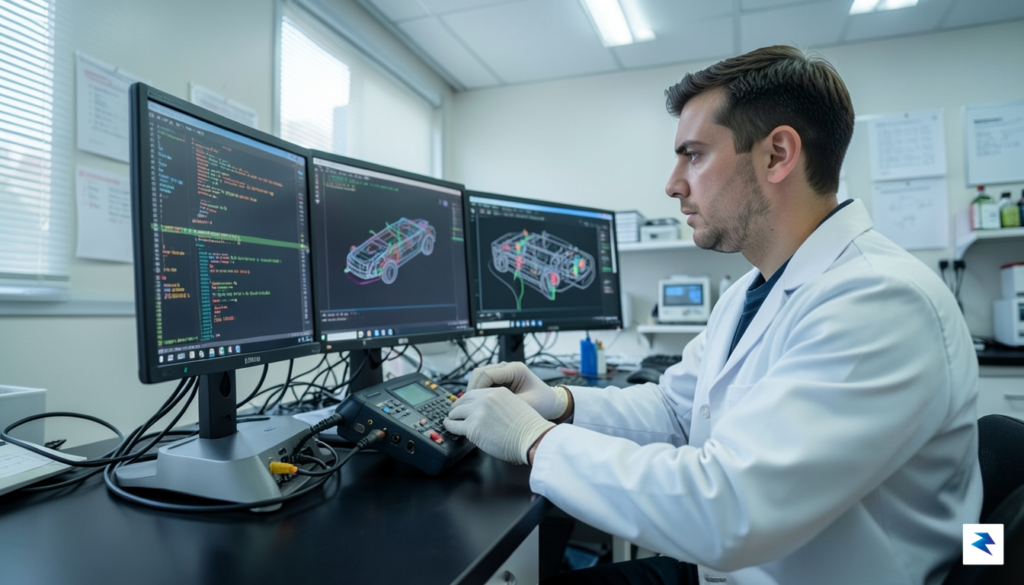
The primary hurdle in these investigations is the extraction and interpretation of the vehicle’s “black box,” or Event Data Recorder (EDR), alongside proprietary logs from the manufacturer. These logs capture a granular narrative of the vehicle’s state, including whether the steering wheel was engaged, how the cameras and radar sensors were perceiving the environment, and whether the software issued any warnings to the driver. By synchronizing this data with the physical debris, regulators can determine whether the onboard sensors correctly identified obstacles or if the software logic experienced a failure that prevented the vehicle from executing necessary emergency maneuvers. This process is inherently iterative, often requiring deep collaboration between federal engineers and the automaker’s own software architects to verify the intended behavior of the code versus its actual performance on the road.
The core of the investigation lies in distinguishing between a system-level failure, where software logic misinterprets environmental data, and human-machine interface gaps, where the driver may have become over-reliant on the automation despite clear operational limitations.
Determining the primary catalyst for a crash involves a rigorous analysis of the “hand-off” between the car and the driver. NHTSA investigators look for evidence of driver engagement, such as torque sensors on the steering wheel or interior camera tracking, to see if the human operator was adequately monitoring the vehicle as required by current safety standards. If the data shows that the system was active but the driver was disengaged, the investigation pivots toward whether the vehicle provided sufficient notification for the human to retake control. Conversely, if the system failed to detect a stationary object or a sudden lane change, the focus shifts toward the performance limits of the perception software. Ultimately, this comprehensive methodology serves to identify whether the tragedy was a result of a predictable software limitation, a hardware malfunction, or a failure in the collaborative relationship between the driver and the machine.

The federal investigation into this tragic incident serves as a significant turning point in the governance of autonomous and semi-autonomous driving technologies. For years, the rapid advancement of Advanced Driver Assistance Systems (ADAS) has outpaced the development of comprehensive federal oversight, leaving a regulatory vacuum that manufacturers have largely filled with their own safety guidelines. By taking a direct interest in the specifics of this crash, federal regulators are signaling that the era of self-regulation is likely drawing to a close. This move suggests that future legislation will move beyond voluntary industry standards, instead imposing rigid, federally mandated safety benchmarks that all automotive manufacturers must meet before deploying software updates to public roads.
One of the most pressing concerns for regulators is the current lack of standardization regarding driver-monitoring hardware. While some vehicles utilize sophisticated cabin cameras and eye-tracking sensors to ensure a driver remains attentive, others rely on less reliable methods, such as detecting minor torque on the steering wheel. This investigation will likely push lawmakers to codify specific requirements for “attentiveness tech,” mandating that any vehicle marketed with advanced automation features must include robust, fail-safe hardware capable of preventing misuse. By establishing these technical baselines, regulators aim to eliminate the dangerous ambiguity that currently allows drivers to misunderstand the limitations of their vehicles’ capabilities.
The transition from driver-assist tools to truly autonomous systems requires a fundamental shift in how we perceive accountability, shifting the burden from the consumer to the manufacturer’s software architecture.
Beyond hardware mandates, the investigation is expected to shine a harsh spotlight on software transparency and data reporting. Currently, many manufacturers keep their internal testing data and crash logs proprietary, often shielding them under the umbrella of trade secrets. However, the federal government is now moving toward a framework that demands greater clarity regarding how neural networks interpret road conditions and why they make specific split-second decisions. This could lead to a legislative requirement for a “black box” standard specifically for AI-driven systems, ensuring that regulators have full access to the decision-making logic of the car following any significant safety event. Ultimately, these measures are designed to restore public trust and ensure that as the industry races toward a fully autonomous future, safety is treated as a foundational requirement rather than an optional feature.
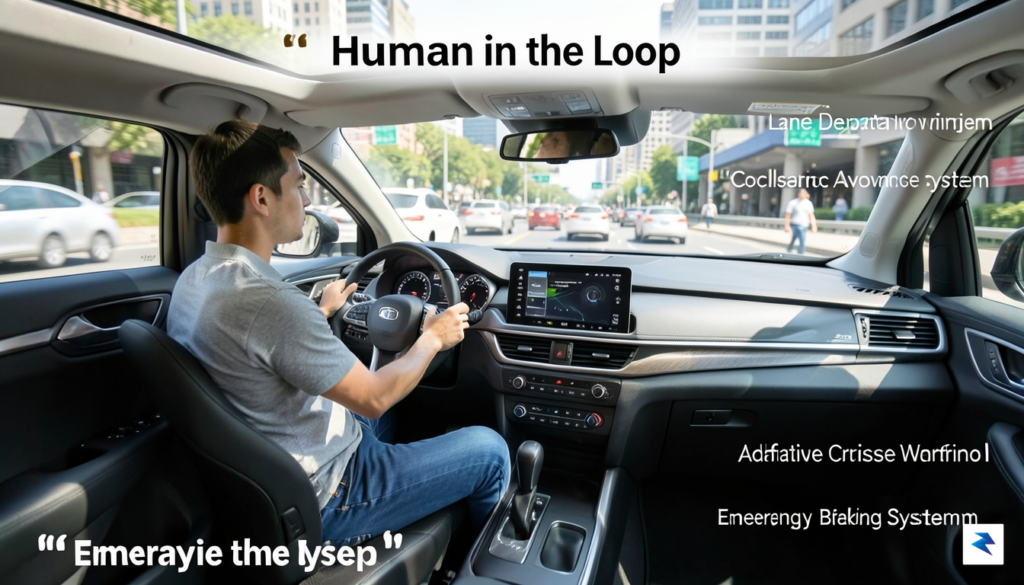
The recent scrutiny surrounding high-profile vehicle accidents underscores a critical reality: the current generation of driver-assistance technology is designed as a sophisticated support system, not a substitute for human vigilance. While features like lane-keeping assist, adaptive cruise control, and automated steering offer undeniable convenience during long commutes, they are still prone to environmental limitations and sensory blind spots. It is vital for every vehicle owner to understand that these systems operate within a specific set of parameters, often struggling with unpredictable road debris, irregular construction zones, or sudden changes in traffic patterns that a human eye might quickly recognize.
To navigate this transition period in automotive history safely, drivers must adopt a “human-in-the-loop” mentality. This means that even when the vehicle is handling steering or speed, your eyes must remain on the road and your hands should be prepared to intervene at a moment’s notice. Treating these tools as fully autonomous pilots is a dangerous misconception that can lead to complacency. Instead, consider these features as an extra pair of eyes that require constant supervision to ensure they are functioning within their intended design constraints. Staying engaged is not just a recommendation; it is the fundamental requirement for the safe operation of any semi-autonomous vehicle on public roads today.
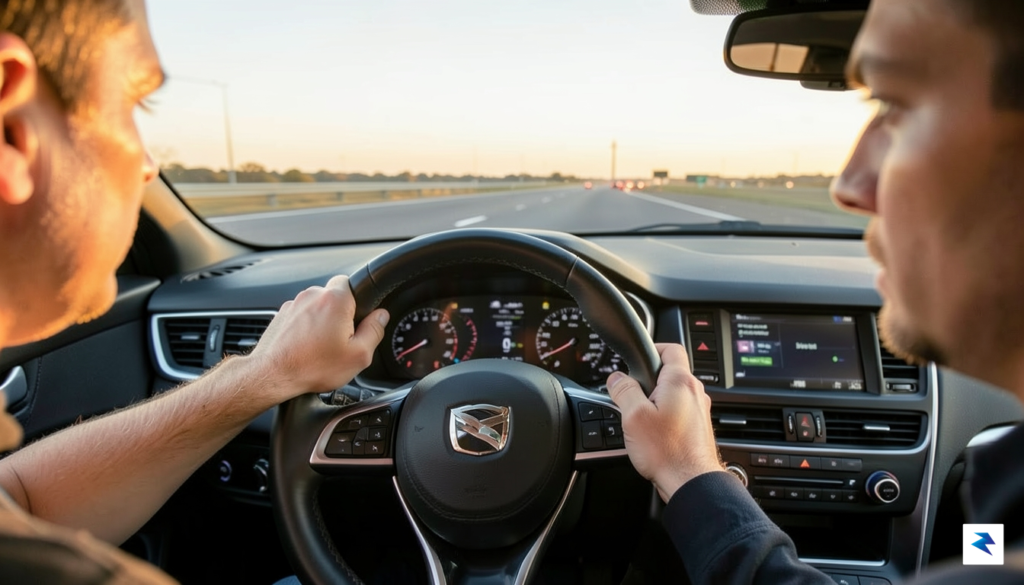
For those looking to integrate these technologies into their daily driving safely, consider the following best practices:
The safety of autonomous driving technology is not solely dependent on the lines of code written by engineers; it is equally contingent upon the behavior of the driver who remains the final authority behind the wheel.
Ultimately, the burden of safety rests on the person in the driver’s seat. As software continues to evolve, the gap between what a car can do and what it should be allowed to do will remain a point of contention. By remaining skeptical of the car’s automated decisions and maintaining a high level of situational awareness, you can leverage the benefits of these innovative tools while significantly reducing the risks associated with emerging transportation technologies.
You must be logged in to post a comment.