
The Architect of Modern Music History

Long before he became the undisputed titan of the recording industry, Clive Davis began his professional journey in the world of law. A graduate of Harvard Law School, he initially navigated the corridors of corporate litigation, never intending to become a household name in popular culture. However, fate intervened in the 1960s when he took a position at Columbia Records, a move that would ultimately alter the trajectory of global music history. His background in law provided him with a unique, analytical perspective on the music business, allowing him to see beyond the ephemeral nature of hit records and instead focus on the long-term potential of artist branding and organizational structure.
Upon his ascent to the presidency of Columbia Records in 1967, Davis discarded the traditional, assembly-line approach to music production that had dominated the industry for decades. At the time, labels often viewed artists as mere products, but Davis recognized that true commercial success was inextricably linked to the raw, authentic vision of the creator. He famously pivoted the label toward the burgeoning counterculture movement, signing iconic acts like Janis Joplin, Santana, and Chicago. By trusting artists to experiment with their sound and identity, he transformed Columbia from a stagnant, traditionalist institution into a powerhouse of innovation that defined the cultural zeitgeist of the late 1960s and early 1970s.
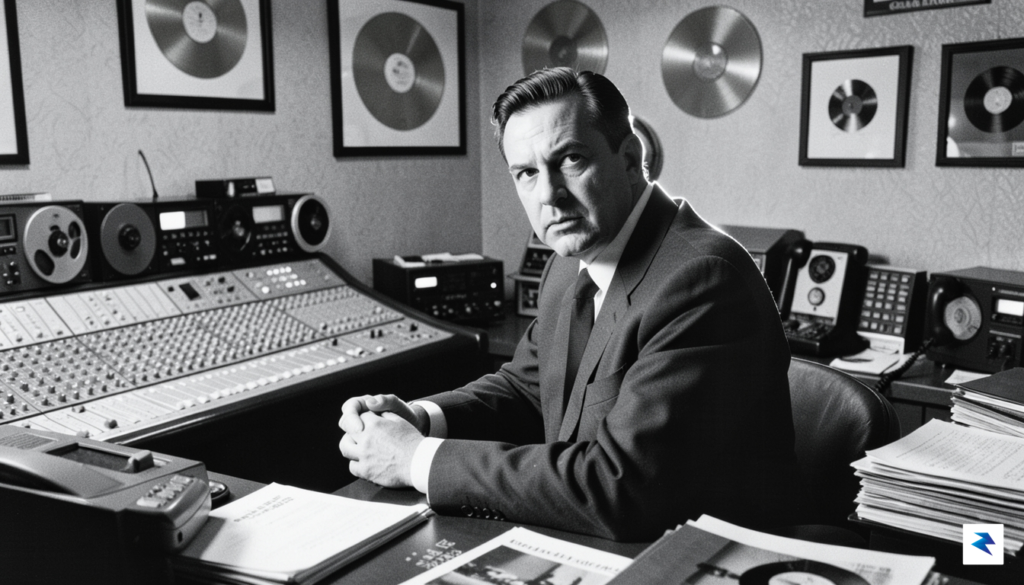
“Clive didn’t just listen to the music; he listened to the potential of the artist. He understood that the business of music was not just about the notes on a page, but the story that the artist told the world.”
His influence extended far beyond individual signings; he effectively pioneered the modern executive role by becoming deeply involved in the creative process. Davis was renowned for his “golden ear,” a preternatural ability to identify the perfect song for a performer, often spending hours in the studio helping artists refine their arrangements and vocal deliveries. This hands-on approach bridged the gap between artistic integrity and massive commercial viability, setting a standard that would define the music industry for the next half-century. By fostering an environment where talent could flourish under his meticulous guidance, he crafted a blueprint for artist development that remains the industry gold standard today, proving that a record executive could be just as essential to a song’s success as the musicians themselves.
A Legacy Defined by Unrivaled A&R Instincts

Clive Davis possessed an almost supernatural ability to spot potential where others saw only risk, transforming budding musicians into global icons and revitalizing the careers of established stars. This wasn’t merely about signing talent; it was about an intense, collaborative cultivation process, a meticulous shaping of an artist’s sound and direction that few in the industry could replicate. His ‘ear’ wasn’t just for a beautiful voice or a catchy riff, but for the fundamental elements that could translate into enduring, widespread appeal, often seeing a path to superstardom that even the artists themselves hadn’t envisioned.
At the core of Davis’s methodology was an unwavering, almost sacred belief in ‘The Song.’ He understood that a truly great song was the immutable foundation upon which any successful career had to be built. It was less about fleeting trends and more about timeless melodies, compelling lyrics, and a universal emotional resonance. Davis would rigorously vet material, often sifting through hundreds of submissions to find that one transcendent track, or pushing artists to write or seek out material that perfectly captured their essence while simultaneously reaching the broadest possible audience. He wasn’t afraid to challenge an artist’s preconceived notions, always with the singular goal of finding the undeniable hit that would define their moment.
A prime example of Davis’s meticulous artist cultivation is his work with Barry Manilow. Having initially signed Manilow after hearing his demos, Davis saw beyond the jingle writer and cabaret performer, recognizing the immense potential for a sophisticated pop crooner. He meticulously guided Manilow’s artistic direction, pushing him to embrace lush arrangements and powerful ballads that showcased his vocal prowess and knack for storytelling. This hands-on approach, particularly in song selection and production, transformed Manilow into a household name, demonstrating Davis’s profound understanding of how to package and present an artist for mass appeal, ultimately launching a career built on a string of unforgettable songs.
Years later, Davis orchestrated one of the most remarkable comebacks in music history with Santana. The legendary guitarist, while respected, hadn’t had a major commercial hit in decades. Davis envisioned an album that would fuse Santana’s signature guitar work with contemporary artists and sounds, creating something entirely fresh and accessible to a new generation. He meticulously curated collaborations with artists like Rob Thomas, Wyclef Jean, and Lauryn Hill, pairing them with the perfect material to create the multi-platinum, Grammy-sweeping album *Supernatural*. This project was a masterclass in artistic reinvention, showcasing Davis’s unparalleled ability to blend an artist’s legacy with innovative new directions, proving that his instincts for ‘The Song’ and strategic collaborations remained as sharp as ever.
These instances, among countless others, underscore Davis’s unique genius: not just as a discoverer of raw talent, but as an architect of careers. He didn’t just sign artists; he became an integral part of their creative process, a guiding hand ensuring that every track, every album, every artistic choice served the ultimate goal of connecting with listeners on a profound, lasting level. His legacy is etched not only in the record sales and awards but in the enduring soundscapes he helped to craft, proving that true artistry, when paired with unparalleled vision, can indeed shape the sound of generations.
The Whitney Houston Connection: A Career-Defining Partnership
Few professional relationships in the history of modern music have carried the seismic weight of the partnership between Clive Davis and Whitney Houston. Their story began in 1983 at a small New York City nightclub, where Davis, already a seasoned industry veteran, witnessed a young Houston performing with her mother, Cissy. He was immediately struck by the raw, crystalline power of her voice, which possessed a maturity and technical precision that felt entirely out of step with her youth. Recognizing that he had found a generational talent, Davis moved with characteristic decisiveness, signing her to Arista Records and initiating a meticulous, multi-year developmental strategy that would eventually turn her into the definitive pop icon of the late 20th century.
The mechanics of their success were rooted in Davis’s unparalleled ability to curate a sound that bridged the gap between Houston’s deep gospel roots and the demands of mainstream global pop. Rather than rushing her to market, Davis spent significant time selecting material that could showcase the full, soaring architectural range of her instrument. He served as the ultimate architect of her debut, personally overseeing the selection of power ballads and upbeat dance tracks that would become blueprints for future pop vocalists. This strategic patience allowed Houston to establish a distinctive identity that felt both deeply personal and universally accessible, ensuring that her transition from a nightclub discovery to a household name was deliberate and sustainable.
“I knew from the moment I heard her that she was going to change the industry. She had the voice of an angel and the soul of a veteran, and my only job was to make sure the world heard it exactly the way she intended.” — Clive Davis
Beyond the spreadsheets and the charts, the longevity of their collaboration was built upon a bedrock of mutual trust and respect. Davis functioned not merely as a corporate executive, but as a devoted mentor who understood the emotional labor required to maintain a career at the highest level of fame. Throughout their multi-decade run, which produced an endless string of number-one hits and historic cultural moments, Davis remained the steady hand guiding Houston through the complexities of superstardom. Even when the industry shifted and trends evolved, the synergy between his executive intuition and her interpretive genius remained constant, proving that the most enduring successes in music are born from a shared vision between an artist who dares to dream and an executive who knows how to build the stage.
Beyond the Boardroom: The Cultural Impact of Clive Davis

Clive Davis functioned as far more than a corporate executive; he was a cultural architect who systematically dismantled the rigid walls that once segregated the music industry. During his tenure at Columbia Records and later at Arista, he possessed an uncanny ability to identify talent that defied traditional categorization, effectively forcing radio programmers and critics to acknowledge that artistry could not be confined to a single box. By championing artists who blended soul, rock, pop, and R&B, he helped bridge the racial and stylistic divide in American music. His vision was not merely about commercial viability, but about the profound belief that great music is a universal language, a philosophy that fundamentally altered the landscape of what mainstream radio considered “listenable” for a diverse audience.
His impact was perhaps most visible in his elevation of the live performance as a vital extension of the recording process. Davis understood that a hit record was only the beginning of an artist’s journey; he insisted on a level of stage presence and vocal precision that forced a higher standard of excellence across the entire industry. This commitment to the craft of performance transformed how record labels viewed their rosters, shifting the focus from fleeting studio gimmicks to the enduring power of a polished, charismatic live act. Whether he was guiding a young Whitney Houston or working with rock legends like Santana, Davis demanded that his artists command the stage with the same rigor they applied to their studio sessions.
“The music business is not just about the hits you make today; it is about the legacy of sound you leave behind for the generations that follow.”
Furthermore, Davis essentially institutionalized the music industry’s social hierarchy through his legendary pre-Grammy parties. These events evolved into the most significant networking hubs in the world, transcending simple celebration to become a place where the old guard of music met the rising stars of the next era. By curating a room where industry titans, songwriters, and performers could interact in an atmosphere of mutual respect and ambition, he ensured that the collaborative spirit of the business remained vibrant. These gatherings reinforced the idea that music was a community-driven enterprise, solidifying his role as the ultimate gatekeeper and connector who kept the pulse of the industry beating in rhythm with the changing times.
Adapting to the Digital Era: A Lifetime of Musical Evolution


While many music executives from the analog golden age struggled to find their footing as the industry pivoted toward the internet, Clive Davis approached the digital revolution with the same intellectual curiosity he brought to the vinyl era. He understood early on that while the medium of delivery—whether it was a physical cassette, a digital download, or a streaming algorithm—would inevitably change, the fundamental human hunger for transformative storytelling through song remained constant. Rather than fighting the tide of disruption, he leaned into it, recognizing that the democratization of music distribution actually placed a higher premium on the “ears” of a seasoned curator. By maintaining a relentless focus on the song itself, he proved that technological shifts were merely changes in logistics, not a dissolution of the art form he spent his life championing.
His longevity in the streaming-dominated world was rooted in his unique identity as a “mentor executive” rather than a mere corporate administrator. In an era where many labels became hyper-focused on quarterly earnings and viral metrics, Davis functioned as a bridge between the raw potential of an artist and the polished reality of a commercial hit. He treated talent discovery not as a data-mining exercise, but as a deeply personal investment, often working one-on-one with artists to refine their craft long before they stepped into a booth. This hands-on philosophy allowed him to sustain meaningful relationships with emerging stars even as the industry became increasingly detached and automated. He viewed the studio as a sanctuary for creative growth, a perspective that allowed him to remain a relevant force even when his contemporaries were being replaced by digital dashboards.
“The key to survival isn’t chasing the latest trend, but recognizing the timeless quality of a melody that speaks to the human condition, regardless of how the listener accesses it.”
Ultimately, Davis’s legacy is defined by his refusal to be sidelined by the rapid pace of musical evolution. He championed a model of executive leadership that prioritized long-term career building over the fleeting nature of internet fame. By nurturing talent with the same rigor in the 2020s that he did in the 1970s, he demonstrated that the role of the visionary is to provide guidance in a chaotic market. While the tools of the trade shifted from master tapes to cloud-based servers, his core mission—identifying the next generation of voices and ensuring they were heard—remained the bedrock of his success. His transition through the digital age stands as a masterclass in professional adaptability, proving that an uncompromising commitment to quality is the only true constant in the ever-shifting landscape of modern music.
The Enduring Lessons from a Titan's Career

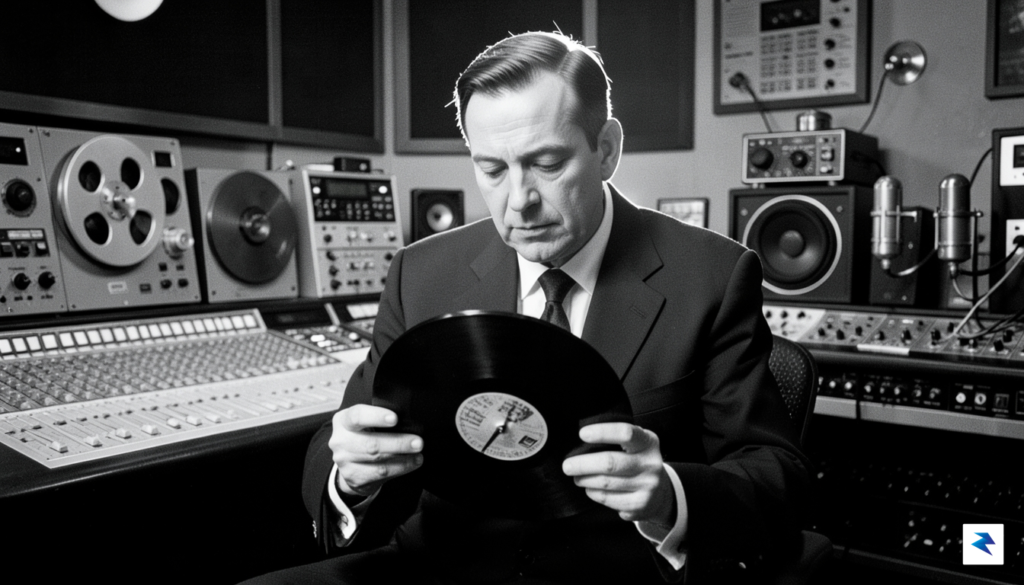
The passing of Clive Davis serves as a somber reminder that an era of music history—one defined by personal connection, hands-on mentorship, and an almost psychic ability to identify raw talent—has reached its conclusion. He was not merely an executive; he was a curator of culture who understood that the music industry, at its core, is a business of human stories. As we look back on his life, the music landscape feels quieter, missing the sharp, discerning ear that could strip away the artifice of a commercial pop song to reveal the genuine emotional core beneath. His absence leaves a void that cannot be filled by algorithms or data-driven metrics, reminding us that the most enduring successes are built on intuition, patience, and the courage to trust an artistic vision even when the rest of the world remains skeptical.
For the next generation of music executives and aspiring artists, Davis leaves behind a blueprint that transcends the changing formats of the industry. His career highlights several pillars of success that remain as relevant today as they were when he first started at Columbia Records:
- Unwavering Integrity: Davis believed that the song always comes first. He taught that if the material isn’t excellent, no amount of marketing or hype can sustain a career.
- The Art of Mentorship: He proved that a great executive must be a partner, not just a boss. By working closely with artists like Whitney Houston, he demonstrated that nurturing talent requires active listening and a deep respect for the creative process.
- Relentless Work Ethic: His legendary reputation for being present in the studio—often until the early hours of the morning—showed that excellence is not an accident. It is the result of obsessive attention to detail and a refusal to settle for “good enough.”
“The music business is not just about finding a hit; it is about finding a voice that will resonate for decades. You must have the patience to let that voice find its power before you try to sell it to the world.”
Ultimately, the legacy of Clive Davis is found in every artist who dares to be vulnerable and every executive who dares to bet on that vulnerability. He taught us that a visionary is someone who can look at a blank stage or a rough demo tape and see the potential for a global movement. As the industry continues to evolve toward digital automation and instant gratification, the lessons from his long, storied life serve as a vital anchor. We are reminded that while the tools of the trade will inevitably change, the essential nature of music—the profound, inexplicable way it connects one person’s soul to another—is eternal. His life’s work serves as a standard for what is possible when one combines an uncompromising standard of quality with a genuine, lifelong love for the art form.