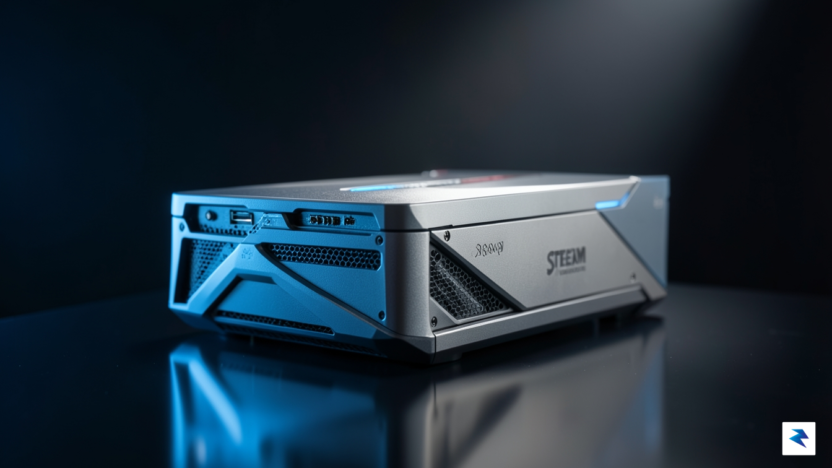
Understanding the New Steam Machine Reservation System
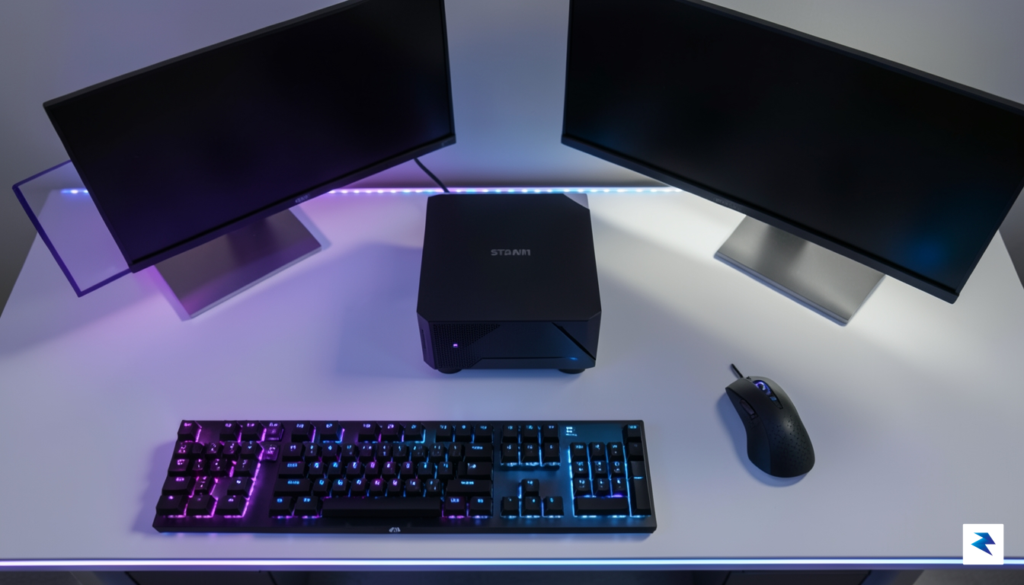
Valve has fundamentally overhauled its hardware distribution strategy, moving away from the simplistic, first-come-first-served preorder models that defined earlier releases like the original Steam Deck. In previous years, the sheer volume of automated scalper bots often overwhelmed reservation queues, leaving genuine fans empty-handed within seconds of a product going live. To combat this, the new Steam Machine reservation system implements a sophisticated gatekeeping mechanism designed to verify the legitimacy of potential buyers before they can even access the checkout process. By shifting from a race-against-the-clock approach to a more meritocratic, account-based system, Valve is prioritizing long-term community members over opportunistic resellers.
The core of this revamped process involves strict authentication requirements that serve as a barrier to entry for botnets. To be eligible for a reservation, a user’s Steam account must meet specific criteria, including a minimum account age and a demonstrated history of legitimate game purchases. By requiring that accounts be in good standing and established well before the launch window, Valve effectively renders newly created, automated “burner” accounts useless. This structural change ensures that the hardware is funneled directly into the hands of players who have invested time and resources into the Steam ecosystem, rather than those looking to exploit the scarcity for immediate resale profit.
The primary goal of this new system is to preserve the integrity of the release process, ensuring that the Steam Machine reaches its intended audience: the gamers who have built their libraries and community presence on our platform.
Furthermore, this transition represents a significant evolution in how high-demand hardware is managed in an era where digital automation often ruins the consumer experience. While the previous $5 reservation model was intended to discourage frivolous claims, it was ultimately insufficient against the massive scale of modern bot infrastructure. The current system provides a much more robust, multi-layered defense that balances accessibility with security. By requiring manual verification steps and account-age thresholds, Valve is not only streamlining the reservation flow but also signaling a commitment to fairness. This move acknowledges that true accessibility in a high-demand market requires more than just a functional server; it requires a gatekeeping system that can distinguish between a dedicated enthusiast and a malicious script.
How to Secure Your Reservation: A Step-by-Step Guide
Securing a reservation for a new hardware release on Steam is a test of preparation rather than mere luck. Before the reservation window even opens, you must ensure your Steam account meets the baseline eligibility requirements. Valve typically mandates that your account be in good standing, meaning you should have at least one successful purchase completed prior to the announcement date. To verify your status, log in to your account and check that your email is verified and that your Steam Guard mobile authenticator is active. Having these security measures enabled not only keeps your account safe but often streamlines the checkout process by confirming your identity immediately, preventing potential flags that could stall your transaction during high-demand periods.
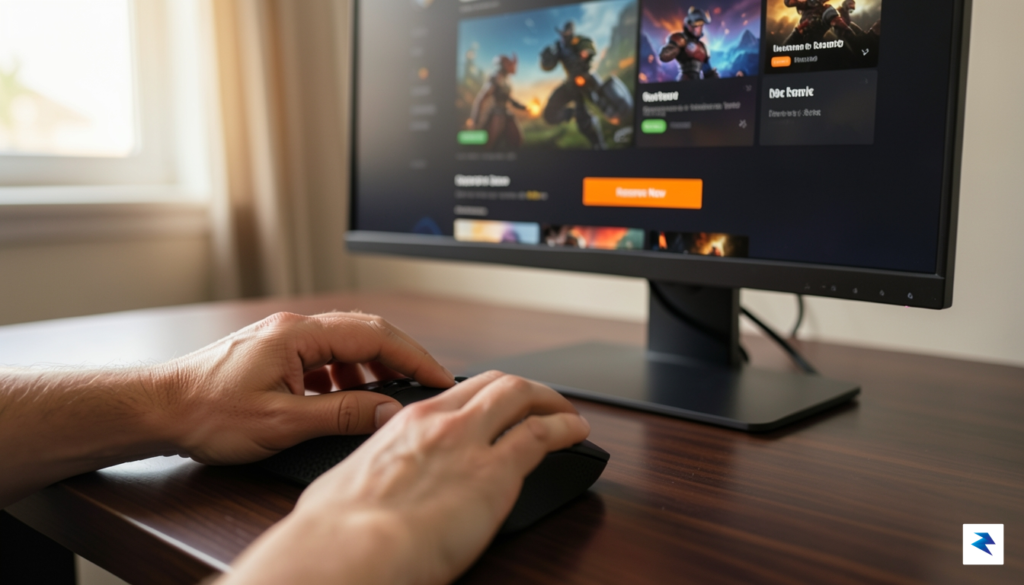
When the reservation window officially opens, the Steam store interface will likely experience significant traffic surges, which can lead to page timeouts or slow loading times. To navigate this effectively, avoid repeatedly refreshing your browser, as this can inadvertently trigger temporary rate-limiting from Valve’s servers. Instead, consider using the Steam desktop client rather than a web browser, as it is often better optimized for handling transaction requests during peak traffic. If you encounter a “server busy” error, remain patient and wait a few moments before trying again; clicking aggressively will only increase the likelihood of your session being flagged or disconnected by the system.
Preparation of your financial information is perhaps the most critical step in ensuring a successful reservation. Do not wait until you are in the checkout queue to enter your payment details; instead, navigate to your account settings well in advance to ensure your primary payment method is saved and your billing address is accurate. If you intend to use your Steam Wallet, ensure the funds are loaded onto your account at least 24 hours before the reservation window opens to account for any potential processing delays. By having your payment credentials pre-verified, you minimize the number of clicks required to finalize your order, which can be the difference between securing a unit and finding yourself on a lengthy waitlist.
To guarantee the smoothest experience, confirm that your saved credit card has not expired and that your regional settings match the billing address of your card to avoid triggering anti-fraud protocols during the final checkout step.
Finally, should you run into unexpected errors during the checkout process, do not panic or abandon your cart immediately. Common issues, such as a “transaction pending” error or a localized payment gateway failure, are frequently resolved by simply switching your payment method or refreshing the transaction status in your account purchase history. If you face a persistent error, check the official Steam community forums or social media channels for real-time updates regarding site-wide issues. Often, these errors are temporary glitches caused by the sheer volume of users attempting to reserve hardware simultaneously, and a calm, methodical approach will ultimately serve you better than erratic attempts to force the transaction through.
Why Valve Changed the Process: Lessons from the Steam Deck

Valve’s journey into the hardware market has been a masterclass in iterative learning, marked by significant growth pains that have fundamentally reshaped their current distribution strategy. During the initial rollout of the Steam Deck, the company faced an unprecedented demand spike that left their servers struggling and genuine fans frustrated. The market was quickly overrun by automated bot scripts and scalpers, who snatched up inventory within milliseconds of availability, only to list the units on secondary markets at exorbitant markups. This experience served as a harsh, yet necessary, wake-up call, proving that the traditional “first-come, first-served” retail model is fundamentally broken in an era of high-frequency trading bots and global supply chain volatility.
To combat these issues, Valve has moved away from the chaotic, high-pressure rush of standard retail launches and toward a more controlled, data-driven reservation system. By requiring users to have an account with a history of purchase activity, Valve can effectively filter out “burner” accounts created solely for the purpose of flipping hardware for profit. This sophisticated approach prioritizes long-term customer satisfaction and brand loyalty over the short-sighted goal of clearing inventory in a matter of seconds. It transforms the purchase process from a high-stakes race into an orderly, equitable queue that respects the time and dedication of the community members who have supported the Steam ecosystem for years.
By prioritizing account history and verified engagement, Valve has effectively neutralized the advantage previously held by opportunistic scalpers, ensuring that hardware reaches the hands of actual gamers rather than automated profit-seekers.
The lessons learned from previous launches have allowed Valve to refine their logistics to ensure that units are allocated based on authentic demand rather than sheer luck or connection speed. When you place a reservation today, you are not competing against a wall of code, but rather participating in a structured rollout that allows the company to manage manufacturing output in tandem with customer interest. This shift represents a broader industry realization: in the modern digital marketplace, the integrity of the purchasing experience is just as important as the technology inside the device itself. By choosing this measured path, Valve is not only protecting their consumers from predatory pricing but also building a more sustainable and predictable framework for all future hardware releases.
Navigating Availability and Potential Wait Times
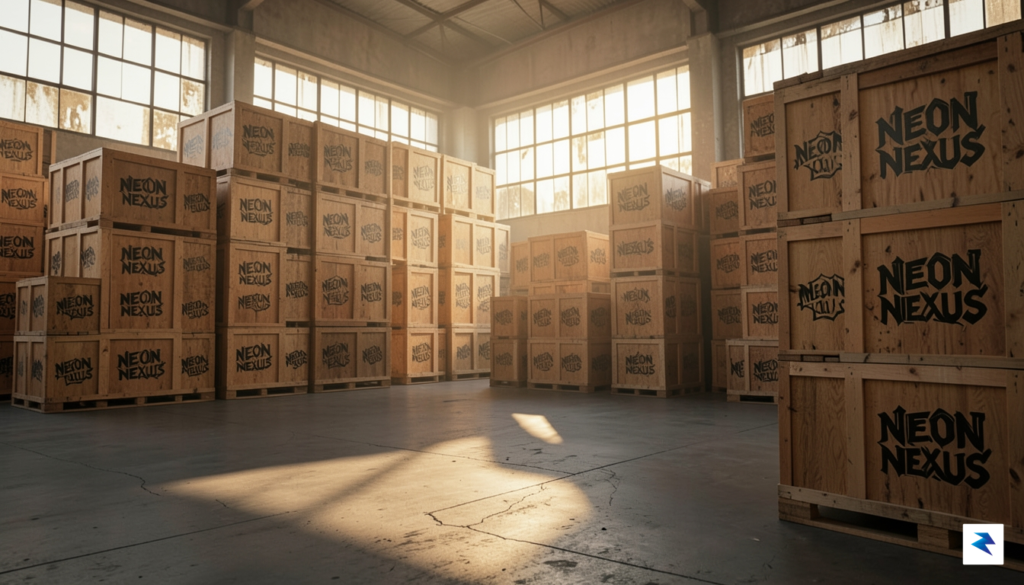
Securing a reservation is only the first step in the journey, and it is vital to understand that immediate gratification is rarely the reality when dealing with high-demand hardware. Valve utilizes a structured, wave-based shipping model designed to manage the immense logistical burden of global distribution. Instead of processing orders on a first-come, first-served basis in a singular, chaotic rush, the company rolls out units in specific batches. This approach helps stabilize the supply chain, ensures that quality control remains consistent, and allows the distribution centers to process outgoing shipments without becoming overwhelmed by thousands of simultaneous departures.
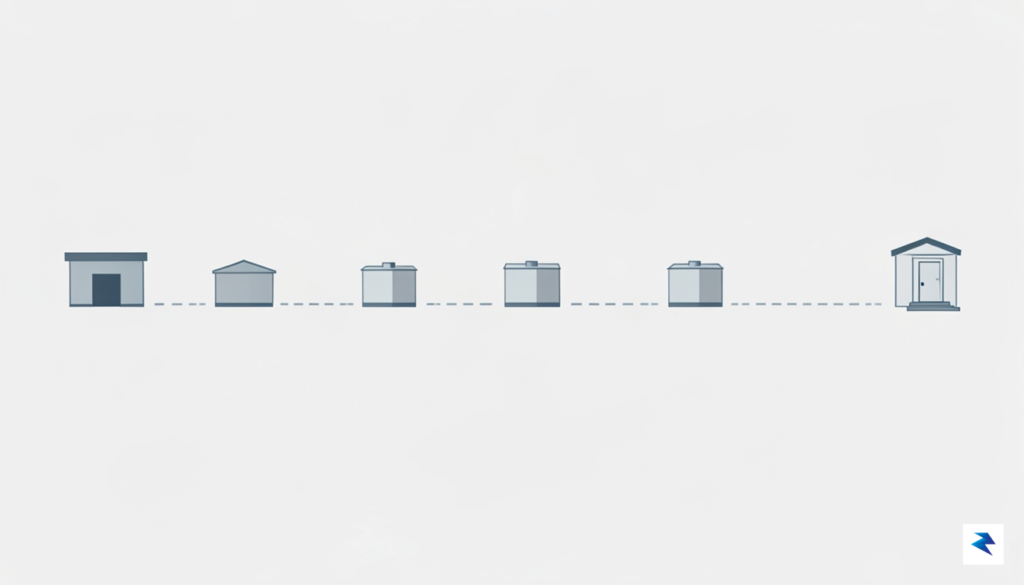
Because these batches are determined by factors such as geographical location, manufacturing output, and regional customs regulations, it is entirely normal to see your expected shipping window fluctuate. Global logistics are notoriously complex; a sudden delay in a shipping container’s arrival at a regional hub or an unforeseen bottleneck in local processing can shift delivery dates for an entire geographic area. While it can be frustrating to see your estimated date slide, these shifts are rarely indicative of a systemic failure. They are simply part of the reality of modern consumer electronics manufacturing, where the movement of physical goods must contend with international transit schedules and local distribution infrastructure.
Pro Tip: Patience is your best asset during the waiting period. Regularly checking your official reservation page is encouraged, but remember that the “Expected Shipping Window” provided by Valve is an estimate, not a guaranteed delivery date.
To stay informed, make it a habit to log into your Steam account periodically to monitor your status page. This dashboard remains the single source of truth for your specific order, providing updates as your unit moves from a pending status to “Preparing for Shipping.” If you notice your window has shifted, do not panic; the system is designed to provide automated updates as new logistical data becomes available. Should your shipping window experience a significant delay beyond what is considered standard, the official support portal is the appropriate place to seek clarity. By maintaining a realistic perspective on the nature of these logistical “waves,” you can better manage your expectations and ensure a smoother experience from the moment you click reserve until the hardware arrives at your doorstep.
Is the Steam Machine Right for You?
Before you commit to joining the reservation queue, it is essential to step back and evaluate whether this hardware truly aligns with your specific gaming habits and technical expectations. The value proposition of a Steam Machine lies in its ability to bridge the gap between the convenience of a console and the raw power of a PC, but this unique hybrid experience comes with distinct trade-offs. You are essentially choosing a platform that prioritizes a curated, living-room-first ecosystem over the absolute flexibility of a traditional desktop tower. If you are someone who enjoys the “plug-and-play” nature of modern consoles but wants access to the vast Steam library and the competitive pricing of PC gaming, this hardware is likely a perfect match for your setup.
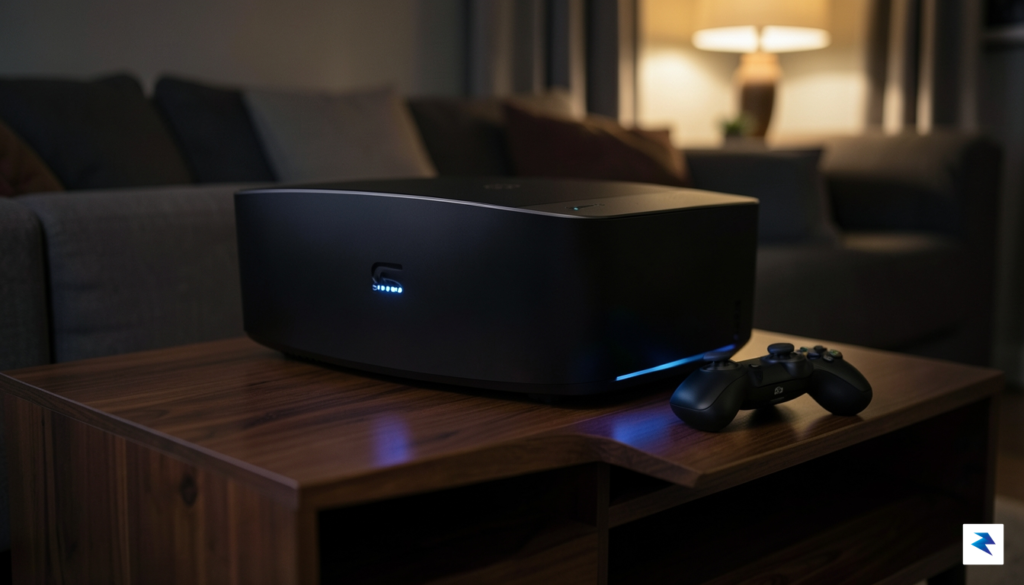
However, the transition to SteamOS is not entirely seamless for every player, and it is important to weigh the software ecosystem against your existing habits. While the interface is designed to be navigated entirely with a controller, you may find that certain titles in your library are currently incompatible or require significant configuration to run optimally on the Linux-based operating system. Furthermore, unlike a standard Windows PC, you are working within a more locked-down environment; while this promotes stability and reduces the friction of updates, it may limit your ability to use specific third-party launchers or niche peripheral drivers that you rely on for other tasks. Consider your tolerance for early-adopter challenges versus your desire for a dedicated, distraction-free gaming appliance.
To determine if you are ready to secure a reservation, ask yourself if you are prioritizing a streamlined living-room experience over the ability to perform deep system-level customization.
To help you make an informed decision, use the following checklist to evaluate your readiness for the platform:
- Library Compatibility: Have you checked your primary library to see how many of your favorite games are verified for native SteamOS play?
- Hardware Expectations: Do you value a compact, thermally optimized form factor more than the ability to manually upgrade every internal component over time?
- Platform Preference: Are you willing to embrace a controller-first interface, or do you find yourself frequently returning to a keyboard and mouse for precision gameplay?
- Ecosystem Integration: Does your current home media setup benefit from a dedicated hardware box that handles streaming, web browsing, and gaming in one unified interface?
Ultimately, if you find that you are looking for a device that offers the ease of a console without sacrificing the deep discounts and community features of Steam, then reserving now is a logical step. Conversely, if you are a power user who demands total control over every driver, file, and graphical setting, you might prefer to wait for future iterations or continue building your own custom PC. By carefully weighing these factors, you can ensure that your investment provides long-term satisfaction rather than becoming a source of frustration.