
Amazon Brings Conversational Alexa+ to India: A New Era for Voice AI
The Evolution of Alexa: From Voice Commands to Conversational Intelligence For nearly a decade, interacting with Alexa felt like navigating a…


When news of a leadership change breaks, the immediate instinct for many retail investors is to anticipate volatility; however, the U.K. markets reacted to the recent resignation announcement with a level of composure that surprised many observers. This stability is not merely a stroke of luck, but rather a reflection of how modern financial systems process political news. In the eyes of major institutional players, this specific transition is viewed as a manageable procedural shift rather than a systemic economic crisis. Because the markets have become increasingly adept at distinguishing between parliamentary noise and fundamental fiscal policy, the FTSE 100 and the U.K. gilt markets remained largely anchored throughout the announcement.
A primary driver of this calm is the concept of “priced-in” risk. Financial markets are forward-looking mechanisms that constantly adjust asset prices based on the probability of future events. Long before the resignation became an official reality, traders had already factored a degree of political instability into their models. By the time the news broke, the market had essentially already “voted” on the outcome, meaning the announcement acted more as a confirmation of existing expectations rather than a disruptive shock. Consequently, there was no frantic repricing of assets because the underlying economic assumptions—such as the Bank of England’s interest rate trajectory and the government’s long-term debt commitments—remained unchanged.

Institutional investors prioritize policy continuity over the cult of personality, viewing leadership changes as temporary shifts in management rather than existential threats to the broader economy.
Furthermore, modern financial algorithms play a significant role in mitigating knee-jerk reactions. These systems are programmed to prioritize institutional continuity, focusing on regulatory frameworks and macroeconomic data rather than the specific rhetoric of individual political figures. Because the U.K. maintains a robust, independent civil service and a transparent legal framework, capital flows remain protected from the whims of a single resignation. Investors recognize that while a Prime Minister may change, the structural integrity of the U.K. economy—governed by predictable institutions and established tax policies—remains intact. This structural stability provides a “floor” for market confidence, ensuring that even during periods of leadership flux, the machinery of commerce continues to operate without meaningful interruption.
Ultimately, the difference between a political transition and an economic collapse lies in the confidence of the bond market. If international investors feared that a change in leadership would lead to a total breakdown in fiscal discipline, we would see a sharp spike in gilt yields and a rapid sell-off in the pound. Instead, the relative stability of these indicators suggests that the global financial community trusts the underlying strength of the British economic infrastructure. By focusing on the continuity of policy rather than the headlines of the day, markets have effectively signaled that they view this transition as a routine chapter in the ongoing narrative of U.K. governance.
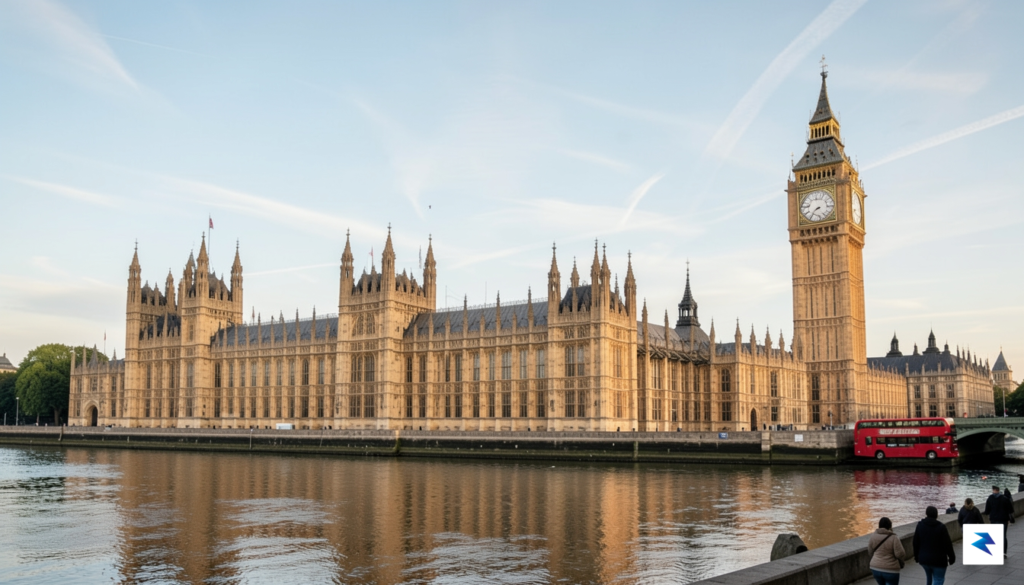
The transition of power within the United Kingdom is governed by a robust, time-tested constitutional framework that prioritizes institutional continuity over individual political fortunes. Rather than descending into a power vacuum, the machinery of government remains firmly under the stewardship of the civil service and established parliamentary procedure. This structural reliability is the primary antidote to market volatility, as it ensures that the day-to-day administration of the state—including fiscal policy, regulatory oversight, and international obligations—continues without interruption. By providing a clear and predictable roadmap for leadership succession, the government effectively signals to global investors that the U.K.’s core economic governance remains insulated from political turbulence.

Historically, the U.K. has navigated numerous leadership changes with a degree of pragmatism that characterizes its democratic tradition. When compared to the chaotic transitions often observed in other global political arenas, the British process is defined by its adherence to internal party rules and constitutional norms. This historical precedent is vital; it reassures the markets that the current situation is not an unprecedented crisis, but rather a well-documented procedural event. Past transitions have demonstrated that even in periods of heightened political intensity, the administrative engine of Whitehall continues to function, providing a necessary buffer that prevents policy paralysis and maintains investor confidence.
The strength of the British parliamentary system lies in its ability to separate the person from the office, ensuring that the fundamental principles of economic management remain constant regardless of who occupies Number 10.
Investors often fear the unknown, and a vague timeline for leadership succession is usually the catalyst for market anxiety. However, by establishing a rapid and transparent schedule for the selection of a new leader, the ruling party has effectively neutralized the “power vacuum” narrative. This clarity allows institutional investors to factor the transition into their risk models, knowing exactly when a new administration will begin to exercise authority. Consequently, the markets have reacted with notable calm, viewing the resignation not as an economic tremor, but as a manageable change in personnel within a stable, long-standing framework. Ultimately, it is this predictability that serves as the bedrock of U.K. economic resilience, proving that the structural integrity of the state is far more important to financial stability than any single political career.

While the initial financial response to the leadership transition has been characterized by a notable sense of stoicism, it would be a mistake to interpret this stability as a permanent endorsement of the status quo. Beneath the surface of steady bond yields and fluctuating indices lies a complex web of unresolved economic challenges that continue to weigh on long-term investor sentiment. The market’s current “wait and see” posture is not necessarily a reflection of confidence, but rather a strategic pause as institutional players await concrete details regarding the incoming administration’s fiscal roadmap. Until the specific legislative priorities—particularly concerning taxation, public spending, and infrastructure investment—are clearly articulated, the U.K. economy remains in a state of suspended animation.
The primary pillars of the British economy—inflationary pressures, the Bank of England’s interest rate trajectory, and post-Brexit trade arrangements—remain in a state of delicate flux. Investors are particularly wary of how a new administration might alter the existing fiscal framework, especially if there is a shift toward more aggressive tax reforms or a redistribution of government spending. Any abrupt deviation from current fiscal rules could force the Bank of England to rethink its monetary strategy, potentially keeping interest rates higher for longer to offset the inflationary impact of increased public borrowing. This creates a challenging environment for multinational firms, which are currently navigating a landscape of extreme ambiguity; they are forced to hedge against multiple potential policy outcomes rather than committing to long-term capital expenditure in the U.K.

The danger of a prolonged “policy void” is arguably the greatest threat to current market equilibrium. When a transition period lasts too long without a clear, communicated fiscal strategy, it breeds the kind of risk-aversion that stifles growth and discourages foreign direct investment.
There is a growing concern among analysts that a delay in defining a clear fiscal strategy could result in a dangerous policy void. Should the incoming leadership prioritize political consolidation over the immediate presentation of a robust budget or economic plan, the markets may lose their current composure. Without a firm commitment to fiscal discipline, the U.K. could face heightened volatility as currency traders and bondholders begin to price in the risk of unpredictable governance. Ultimately, the stability observed in the immediate wake of the resignation is a fragile asset. To maintain this equilibrium, the next administration must move quickly to replace speculation with substance, providing the transparency that global markets require to regain their confidence in the British growth story.


Despite the headlines generated by leadership changes at 10 Downing Street, international capital continues to view the United Kingdom as a bastion of financial stability. This resilience is rooted in the fact that global institutional investors often prioritize long-term structural processes over the immediate volatility of political personalities. London remains an unrivaled global clearinghouse, serving as a critical bridge between time zones and capital markets. For multinational firms, the City is not merely a geographic location; it is a sophisticated ecosystem of legal expertise, deep liquidity, and unmatched professional services that remain functional regardless of who holds the office of Prime Minister.
The bedrock of this sustained confidence is the U.K.’s robust and transparent legal system. Investors from around the world rely on English common law to protect their assets, settle disputes, and enforce contracts with a level of predictability that few other jurisdictions can match. This regulatory maturity provides a “safety anchor” for foreign direct investment (FDI), ensuring that regardless of shifting domestic policy priorities, the fundamental rules of business remain intact. Consequently, even during periods of intense political transition, capital flows into sectors like technology, infrastructure, and green energy have remained remarkably steady, signaling that the global market views the U.K. as a long-term strategic partner rather than a short-term gamble.
“The enduring appeal of the British market lies in its institutional inertia; while governments change, the underlying frameworks for property rights, financial oversight, and market competition are designed to survive the winds of political change.”
Furthermore, recent trends in FDI suggest that investors are increasingly adept at filtering out political noise. Rather than reacting to daily news cycles, global institutional players are looking at the U.K.’s underlying fundamentals: a highly skilled workforce, a world-leading university research base, and a competitive tax environment. These factors provide a compelling value proposition that transcends the identity of the current leader. By focusing on the structural resilience of the British economy, international investors are demonstrating a high tolerance for domestic political shifts, proving that the U.K.’s reputation as a reliable destination for global capital remains firmly intact. As international firms continue to anchor their European operations in London, it becomes clear that the machinery of the British economy is built to operate independently of the political theater occurring in Westminster.

The immediate transition period for a new administration is rarely afforded the luxury of a prolonged honeymoon, particularly when the U.K. economy remains precariously balanced between stagnant growth and persistent inflationary pressures. While the initial market stability following a leadership change is a positive indicator of institutional resilience, the incoming Prime Minister and Chancellor must pivot rapidly from political consolidation to substantive economic governance. Their primary task will be to provide a coherent narrative that reassures both domestic investors and international debt markets, who are currently watching for any signs of fiscal slippage or policy volatility.
Central to this transition will be the government’s inaugural budget announcement, which will serve as the definitive stress test for the new leadership’s credibility. Markets are not merely looking for headline spending figures; they are meticulously analyzing the underlying strategy for structural reform. The upcoming fiscal statement must strike a delicate, often elusive, balance between demonstrating rigorous fiscal responsibility—necessary to maintain the confidence of bondholders—and implementing bold, growth-oriented policies that can break the cycle of low productivity. If the new administration leans too heavily into austerity, they risk choking off the fragile economic recovery; conversely, excessive borrowing without a clear path toward productivity gains could trigger a sharp rise in gilt yields.
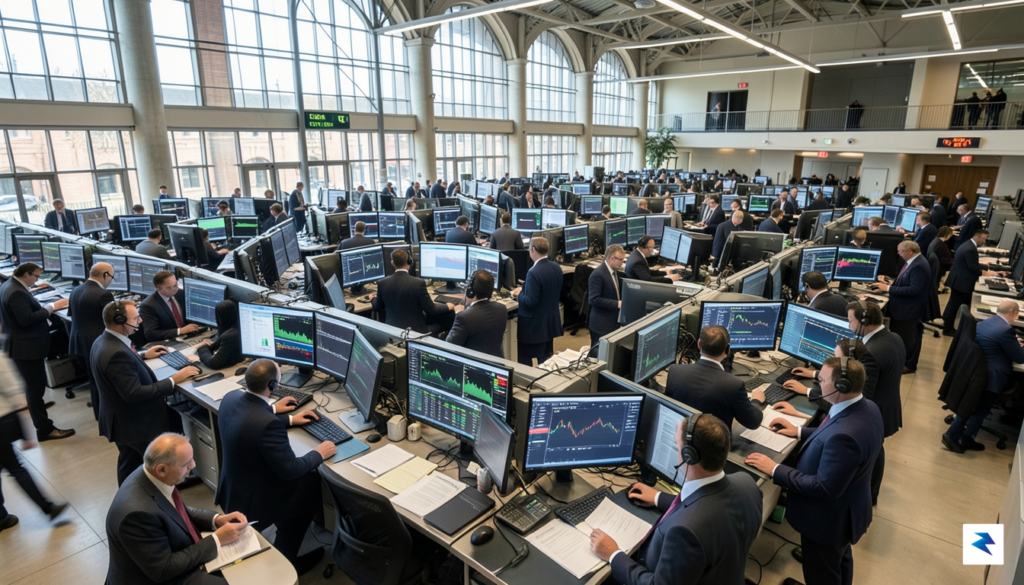
Beyond the immediate fiscal maneuvers, the government must address deep-seated structural challenges that have hampered the British economy for years. This includes tackling the persistent skills gap, modernizing energy infrastructure to meet net-zero targets, and clarifying the United Kingdom’s long-term trade relationship with global partners. Addressing these issues requires more than just short-term stimulus; it demands a multi-year commitment to investment that can survive the electoral cycle. Investors will be keeping a close watch on whether the new leadership prioritizes long-term capital projects over populist, short-term tax adjustments.
The true measure of a new administration’s success will not be the absence of market volatility in the first hundred days, but the establishment of a credible, predictable framework that encourages private sector investment in the face of global headwinds.
In the coming months, observers should look for three key signals that will define the government’s trajectory. First, the clarity of the communication between the Treasury and the Bank of England will be essential in maintaining an environment of monetary stability. Second, the administration’s approach to regulatory reform in key sectors like technology and financial services will indicate their appetite for fostering a more competitive business environment. Finally, the ability to maintain internal party unity during the legislative process will be the ultimate litmus test for their capacity to deliver meaningful, long-term economic change. Should they navigate these hurdles successfully, the current market calm may evolve from a temporary sigh of relief into a sustained period of investor confidence.
You must be logged in to post a comment.