Why Valve Isn’t Subsidizing Steam Machines: The Strategy Behind the Price
The Evolution of Steam Machines: A Pricing Reality Check For decades, the living room has been the exclusive domain of the standardized…
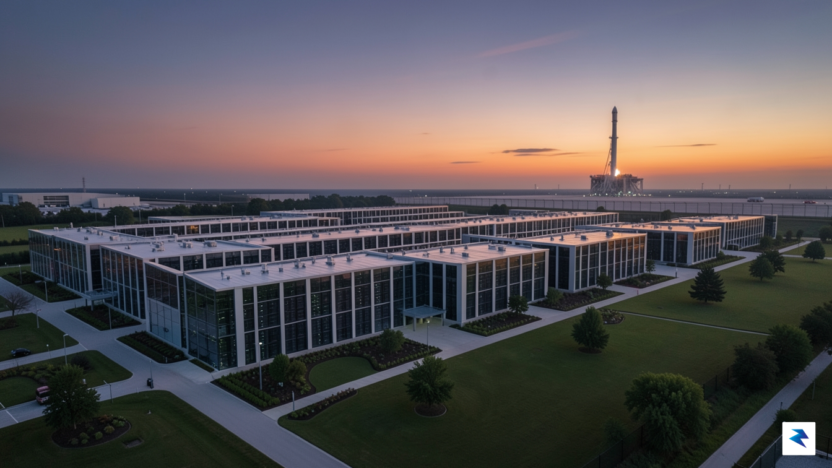
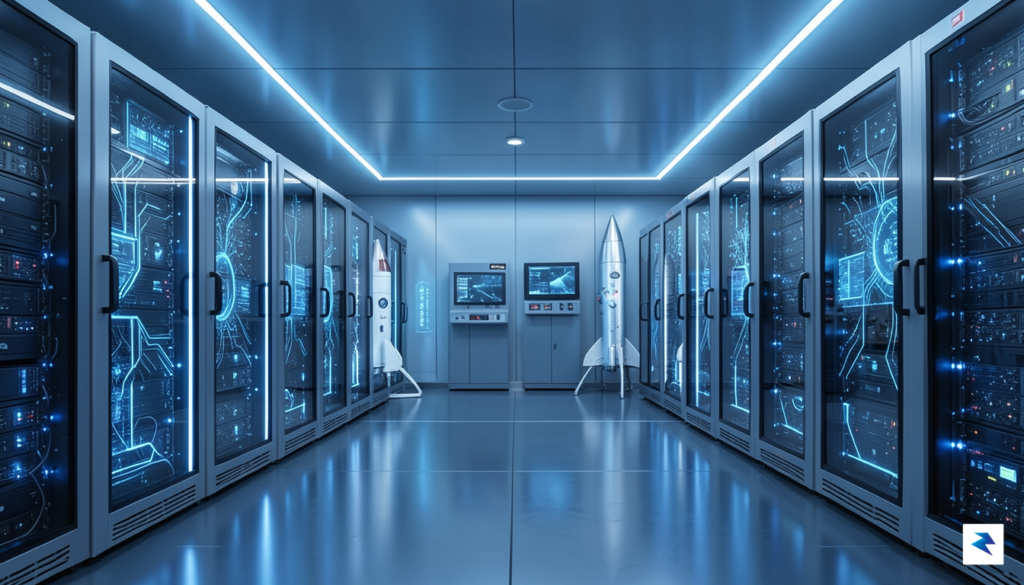
The recent landmark compute infrastructure agreement between SpaceX and the open-source AI lab Reflection AI signals a transformative moment in the evolution of modern technology. By bridging the gap between cutting-edge aerospace engineering and high-performance computing, this partnership effectively turns SpaceX’s existing infrastructure into a powerhouse for artificial intelligence research. As the global demand for advanced computational resources reaches an all-time high, leveraging private sector aerospace facilities—traditionally reserved for satellite launches and deep-space communications—represents an ingenious pivot toward solving the hardware bottlenecks currently hindering the AI industry.
At the center of this collaboration is the integration of Reflection AI into the ecosystem surrounding SpaceX’s Colossus 2, a massive, purpose-built supercomputing cluster. While Colossus 2 was initially designed to handle the immense data processing requirements of the Starlink network and complex orbital simulations, its architecture has proven uniquely suited for the heavy-duty training of large-scale models. By providing Reflection AI with access to this high-bandwidth, energy-dense environment, SpaceX is effectively positioning its hardware as a foundational layer for the next generation of open-source artificial intelligence. This arrangement moves beyond traditional cloud leasing, creating a symbiotic relationship where aerospace logistical efficiency meets the raw, iterative power of open-source development.
This partnership is not merely a transaction; it is a fundamental reconfiguration of where and how AI innovation is physically manifested. By utilizing space-grade power and cooling infrastructure, we are unlocking performance ceilings that were previously unreachable for independent AI labs.
Reflection AI operates with a distinct mandate to democratize the development of high-performance models, ensuring that the fruits of AI research remain accessible to the broader community rather than siloed within a few dominant tech giants. Their mission requires a massive, reliable, and scalable compute foundation that can handle the intensive workloads associated with training multimodal neural networks. By securing this partnership, Reflection AI gains the rare opportunity to utilize hardware that is built for durability and extreme performance—characteristics inherent to the aerospace industry. This strategic nexus between SpaceX’s physical infrastructure and Reflection AI’s software-driven goals provides a compelling blueprint for how the private sector can accelerate the global race for AI supremacy while fostering an open, collaborative ecosystem for developers worldwide.
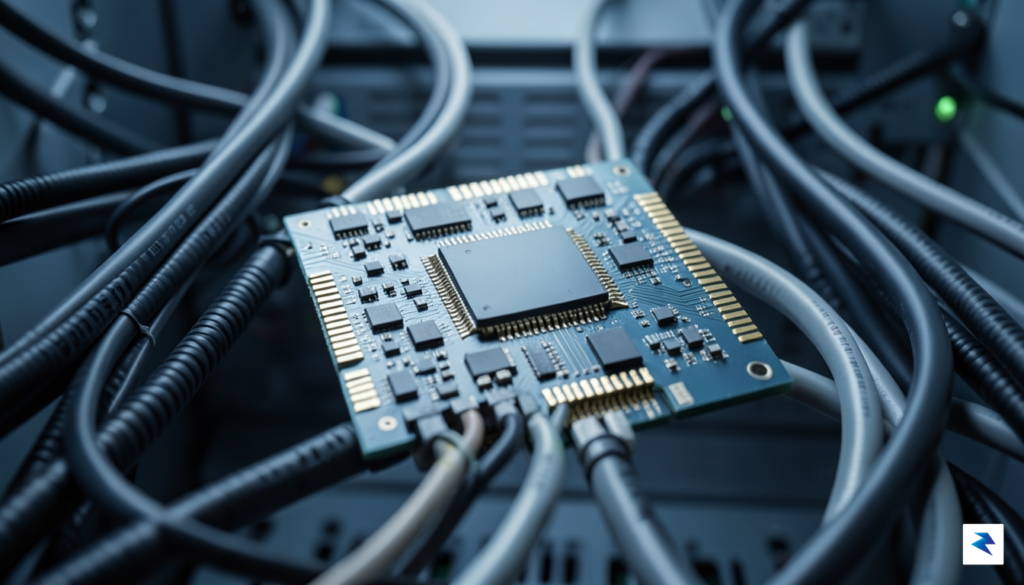
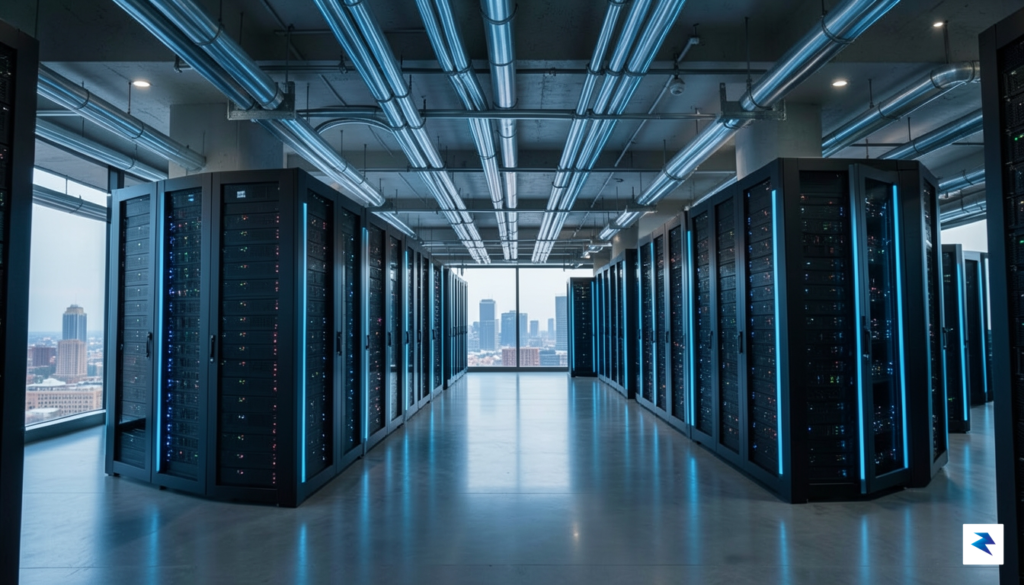
At the center of this strategic partnership is the Colossus 2 data center in Memphis, Tennessee, a facility engineered to redefine the boundaries of high-performance computing. By integrating Nvidia’s cutting-edge GB200 Grace Blackwell superchips, SpaceX has transformed a former manufacturing site into one of the most formidable AI training environments on the planet. These chips are not merely incremental upgrades; they represent a fundamental leap in architecture. The GB200 combines two Blackwell GPUs with a Grace CPU, interconnected via a 900GB/s ultra-low-latency chip-to-chip link. This massive bandwidth allows the system to process complex neural network training tasks at speeds previously thought impossible, effectively turning the facility into a singular, gargantuan computational brain capable of handling the most demanding workloads in existence.
The Colossus 2 infrastructure stands apart from traditional, general-purpose data centers because it was built specifically for the unique, grueling requirements of massive-scale AI training. Standard data centers often struggle with the “bottleneck” effect, where data movement between disparate servers slows down the learning process for large language models. In contrast, Colossus 2 utilizes a high-density, interconnected fabric that minimizes latency across the entire cluster. This design ensures that the Nvidia chips can operate in perfect synchronization, treating thousands of processors as a single monolithic unit. This architectural cohesion is essential for Reflection AI’s goals, as it allows researchers to iterate on model training without the overhead delays that typically plague cloud-based or legacy infrastructure.
Maintaining such a dense concentration of power requires engineering feats that go well beyond mere electrical capacity. Running thousands of these high-performance chips generates an immense amount of thermal energy that would melt standard air-cooled server racks in minutes. To solve this, the Memphis facility employs advanced liquid cooling technology, where coolant is circulated directly through the chassis to pull heat away from the chips with surgical precision. This liquid-to-chip infrastructure not only ensures the hardware operates at peak efficiency without thermal throttling but also significantly reduces the power footprint compared to traditional cooling methods. By coupling this bespoke thermal management system with a robust, custom-designed electrical grid, SpaceX has created a resilient foundation that allows Reflection AI to push the limits of synthetic intelligence without hardware degradation.
The integration of GB200 technology into the Memphis facility marks a pivot point where computational density becomes a primary competitive advantage in the race to achieve advanced artificial intelligence.
Ultimately, the success of this compute deal hinges on the synergy between SpaceX’s deployment capabilities and the raw power of the Blackwell architecture. Because these chips are so power-hungry, they require an environment that is optimized for constant, high-load operation. The Colossus 2 facility provides that stability, ensuring that compute cycles are maximized and downtime is virtually non-existent. This represents a paradigm shift in how AI labs access infrastructure, moving away from fragmented, multi-tenant cloud providers toward dedicated, high-performance environments that are purpose-built to accelerate the next generation of AI research.

The sheer magnitude of this partnership is difficult to overstate, representing a fundamental shift in how artificial intelligence research laboratories view infrastructure ownership. Starting in July 2026, Reflection AI will commit $150 million every month to secure dedicated compute capacity from SpaceX. Over the course of the three-year agreement, this translates to a staggering total investment of $5.4 billion. For a relatively lean research organization, such a commitment is not merely a line item; it is a transformative strategic maneuver that cements their place among the elite developers of next-generation foundational models.
By bypassing traditional public cloud providers in favor of a dedicated compute partnership, Reflection AI is effectively betting its future on the ability to maintain consistent, high-performance hardware access without the variable costs or resource contention associated with third-party vendors. In the current AI landscape, the “price of entry” for training frontier models is rapidly ballooning, driven by the insatiable demand for H100s and next-generation Blackwell-class GPUs. Securing this level of iron-clad infrastructure capacity allows the lab to bypass the volatile spot pricing of the public cloud, ensuring that their researchers can run continuous, massive-scale training runs without fear of being throttled or priced out of the market by competitors during periods of peak demand.
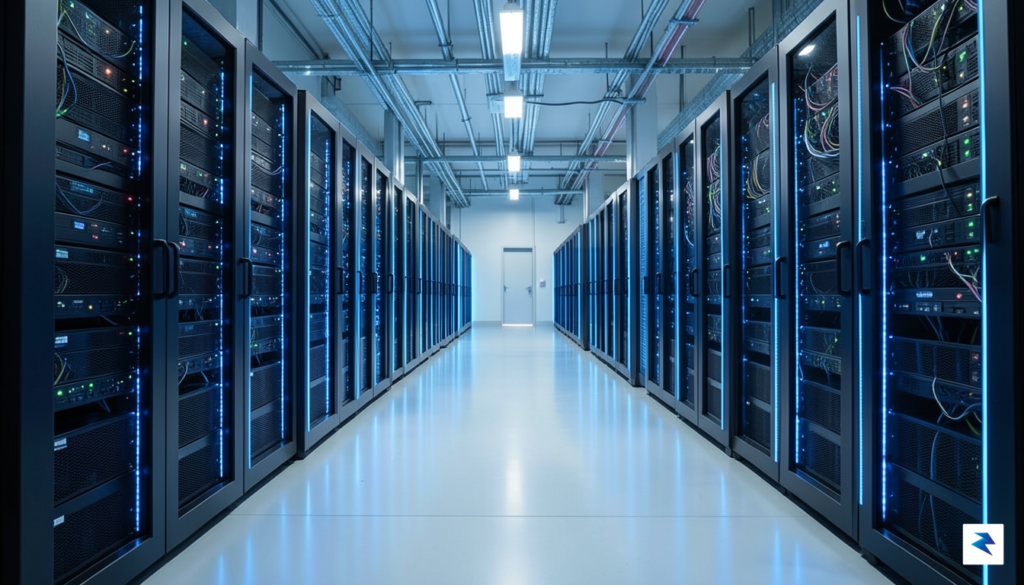
This massive capital expenditure carries significant implications for Reflection AI’s long-term growth trajectory. While the $5.4 billion price tag is undeniably high, it functions as a form of insurance against the scarcity of high-end compute. Effectively, the lab is trading cash liquidity for technological sovereignty. By locking in this supply, they are insulating themselves from the ongoing “compute crunch” that has hampered many smaller labs from scaling their models effectively. However, this level of spending also imposes intense pressure on the organization to deliver tangible, industry-leading breakthroughs. When a company commits to such a heavy burn rate for infrastructure, the margin for error in model development diminishes significantly, turning every training cycle into a high-stakes endeavor that must justify the immense capital outflow.
The transition from leasing cloud resources to securing dedicated, multi-billion-dollar compute partnerships marks a maturation point for the AI industry, signaling that the era of “playing” with AI is over, and the era of industrial-scale model production has truly begun.
Ultimately, this deal underscores a brutal reality in the modern tech economy: the gap between those who can afford proprietary, dedicated infrastructure and those who rely on shared services is becoming a chasm. By formalizing this relationship with SpaceX, Reflection AI is signaling to investors and competitors alike that they are prepared to compete at the absolute bleeding edge of the industry. This is more than a procurement contract; it is a long-term capital allocation strategy designed to ensure that the lab remains a dominant player in the race toward artificial general intelligence, regardless of how competitive the broader hardware market becomes in the coming years.

For many open-source AI laboratories, the transition from standard cloud-based infrastructure to private, dedicated hardware clusters represents a fundamental shift in how they pursue innovation. While public cloud providers offer convenience and ease of access, they often impose rigid limitations on performance and scalability that can throttle the development of frontier-scale models. By securing direct access to massive, specialized environments like those powered by SpaceX’s cutting-edge infrastructure, organizations can finally bypass the network congestion and resource contention that plague shared environments. This move is not merely about having more power; it is about having deterministic power that remains under the direct control of the researchers building the software.
The philosophy driving the open-source movement in artificial intelligence necessitates this aggressive pursuit of compute. Unlike proprietary labs that can leverage massive internal capital to build bespoke hardware stacks, open-source initiatives often rely on highly optimized software efficiencies to compete. However, these efficiencies hit a hard ceiling when forced to operate on generic, virtualization-heavy cloud platforms. Dedicated clusters allow these teams to perform low-level kernel optimizations, manage memory hierarchies with surgical precision, and orchestrate massive training runs without competing for bandwidth with thousands of other customers. When a lab is tasked with democratizing access to high-level intelligence, they cannot afford the latency or the hidden overhead costs inherent in public cloud AI services.
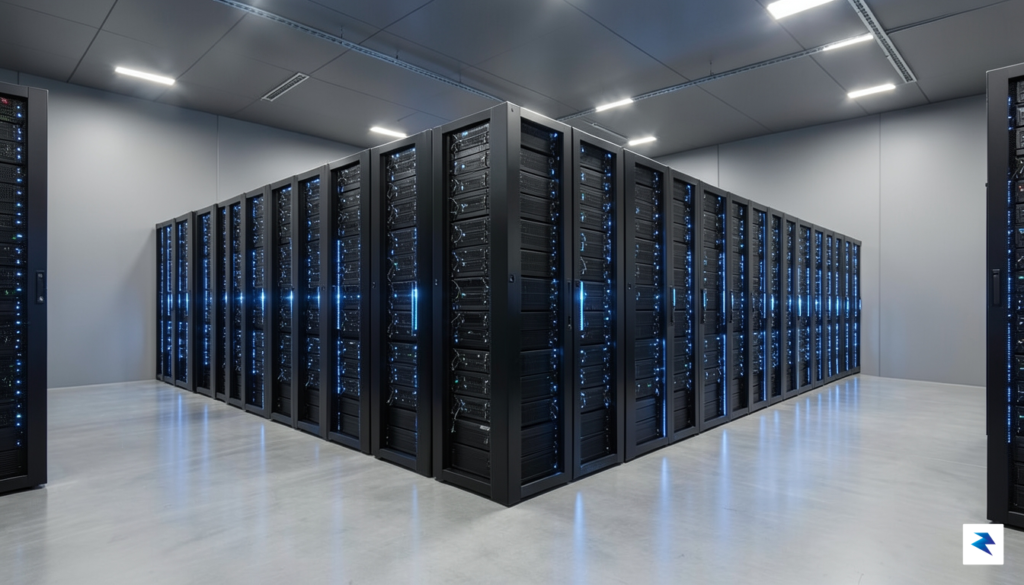
Furthermore, scaling an AI model to a size capable of reasoning or complex problem-solving requires an unprecedented level of synchronization across thousands of interconnected processors. In a public cloud environment, jitter and inconsistent latency across virtualized network interfaces can lead to “straggler” nodes, where one lagging component forces the entire training process to stall. By shifting to dedicated hardware, labs like Reflection AI can ensure that their compute nodes operate in perfect lockstep, maximizing the utilization of every available cycle. This level of hardware-software co-design is the only path forward for organizations that intend to keep their models open while simultaneously pushing the boundaries of what machine intelligence can achieve.
The shift toward dedicated compute is not just a logistical upgrade; it is a strategic requirement for any organization that prioritizes long-term architectural control and the ability to iterate at the speed of current AI research.
Ultimately, the move toward private infrastructure represents a maturation of the open-source sector. As these labs transition from experimental projects to providers of foundational intelligence, they are finding that the “renting” model of the cloud is insufficient for the scale and reliability they demand. By bringing their compute operations in-house or onto dedicated high-speed clusters, they gain the stability needed to train models that are not only powerful but also reproducible and transparent. This commitment to owning the “metal” ensures that the open-source community remains a viable, competitive, and autonomous force in an industry increasingly defined by vertical integration.

The strategic alliance between SpaceX and Reflection AI marks a pivotal shift in how we perceive the industrial requirements of the artificial intelligence era. As the global demand for high-performance computing power continues to outpace the current supply provided by traditional cloud hyper-scalers, this partnership serves as a bellwether for a new wave of infrastructure-heavy collaborations. By leveraging SpaceX’s massive operational footprint and energy-efficient hardware capabilities, Reflection AI is effectively bypassing the bottlenecks that have historically limited smaller, open-source laboratories. This suggests that the future of AI development will not be contained within the walls of Silicon Valley’s traditional tech giants, but will instead be forged by companies that control the physical foundations of our digital world, such as energy, aerospace, and satellite infrastructure.
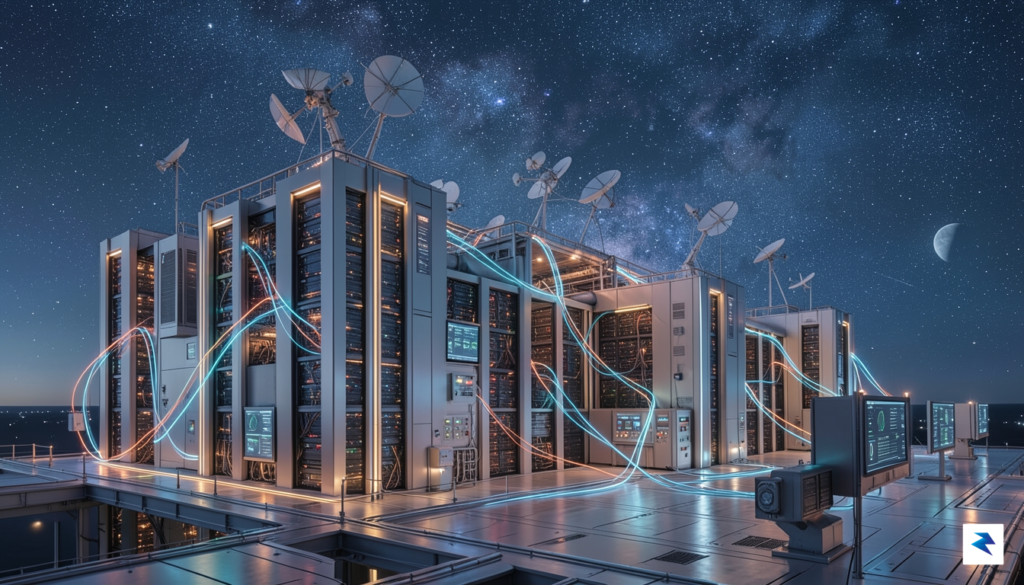
Consequently, we should expect a fundamental realignment among industry competitors who have previously relied on standard, rented cloud capacity. Companies that fail to secure their own private, high-capacity compute infrastructure may soon find themselves at a significant disadvantage, unable to keep up with the training velocity of those who have locked in proprietary hardware deals. This shift will likely force large-scale AI developers to aggressively seek out “non-traditional” partners in the aerospace, energy, and logistics sectors—industries that possess the unique operational expertise to manage massive power loads and thermal regulation. As these sectors converge, we will likely see the emergence of a more decentralized, robust AI ecosystem that is less dependent on the centralized whims of a few dominant cloud providers.
The marriage of industrial-grade infrastructure and open-source intelligence is not merely a logistical necessity; it is a democratization of the hardware layer, ensuring that the next generation of AI models is built on a diverse and resilient foundation.
Looking further ahead, this cross-industry synergy promises to lower the barrier to entry for smaller AI research organizations. By offloading the burden of compute scarcity through creative infrastructure partnerships, open-source labs like Reflection AI can focus their resources entirely on architectural innovation rather than fighting for scraps of GPU time. This democratization of AI development could lead to a more transparent and competitive landscape where groundbreaking models are produced not just by the wealthiest corporations, but by agile, collaborative collectives. Ultimately, the SpaceX-Reflection AI deal signals that the bottleneck of the AI revolution is moving away from software code and firmly into the realm of physical industrial capability, forever changing the criteria for success in the artificial intelligence industry.
You must be logged in to post a comment.