The Evolution of Steam Machines: A Pricing Reality Check
For decades, the living room has been the exclusive domain of the standardized console—a closed ecosystem where hardware is strictly controlled and performance is predictable. When Valve introduced the Steam Machine initiative, the goal was to disrupt this paradigm by bridging the vast chasm between the convenience of a console and the raw, unbridled power of a PC. The vision was compelling: a sleek, living-room-friendly device capable of delivering high-fidelity gaming without the traditional headaches of desktop management. However, as the initial units reached the market with price tags starting at $1,049, the community was forced to confront a harsh economic reality that stands in stark contrast to the console market.
To understand this price disparity, one must recognize the fundamental difference in business models. Sony and Microsoft have long operated on a “razor and blades” strategy, where hardware is often sold at a loss or at break-even prices, with the company recouping those costs through software royalties, subscription services, and platform fees. In contrast, Valve never intended for the Steam Machine to be a locked-down, subsidized appliance. These devices are, for all intents and purposes, full-fledged PCs housed in compact, specialized chassis. They contain high-end, modular components—CPUs, GPUs, and motherboards—that carry significant manufacturing costs which cannot be offset by a “walled garden” software tax.
“The Steam Machine project was never about creating a cheaper console; it was about decentralizing the PC gaming experience and proving that the openness of the platform could thrive in the living room.”
Because these machines are built from premium PC parts, the consumer is paying for the actual market value of the hardware inside the box. When you purchase a $1,049 Steam Machine, you aren’t just buying a gaming box; you are investing in a versatile machine that maintains the freedom of an open operating system. While this may seem expensive compared to the $400 or $500 consoles that dominate the market, the comparison is inherently flawed because it pits subsidized, closed-system appliances against un-subsidized, high-performance computing hardware. Ultimately, the price point reflects a commitment to hardware independence, forcing users to choose between the convenience of a subsidized closed ecosystem and the long-term flexibility of an open, premium PC architecture.
Why Valve Chose Not to Subsidize Hardware

In the traditional console gaming landscape, manufacturers like Sony, Microsoft, and Nintendo have long relied on the “razor and blade” business model. This strategy involves selling gaming hardware at or below the cost of production to maximize the installed base, banking on the recoupment of those losses through proprietary software licensing fees and locked-in ecosystem loyalty. However, Valve’s approach to the Steam Machine initiative represents a fundamental departure from this industry standard. By refusing to subsidize the hardware, Valve is signaling that it does not view itself as a traditional console manufacturer, but rather as a platform-agnostic software provider that wants to remain flexible in an evolving market.
The primary reason Valve avoids the subsidy trap is its commitment to an open, decentralized ecosystem. When a company subsidizes hardware, it effectively forces that hardware to become a “walled garden” to ensure that every software purchase remains within its proprietary store. Valve, conversely, thrives on the ubiquity of Steam across all platforms. By allowing various hardware partners to set their own pricing based on manufacturing costs and market demand, Valve maintains its neutrality. This avoids the risk of hardware dependency, where a company’s financial health becomes inextricably linked to the success or failure of a specific piece of plastic sitting in a living room.
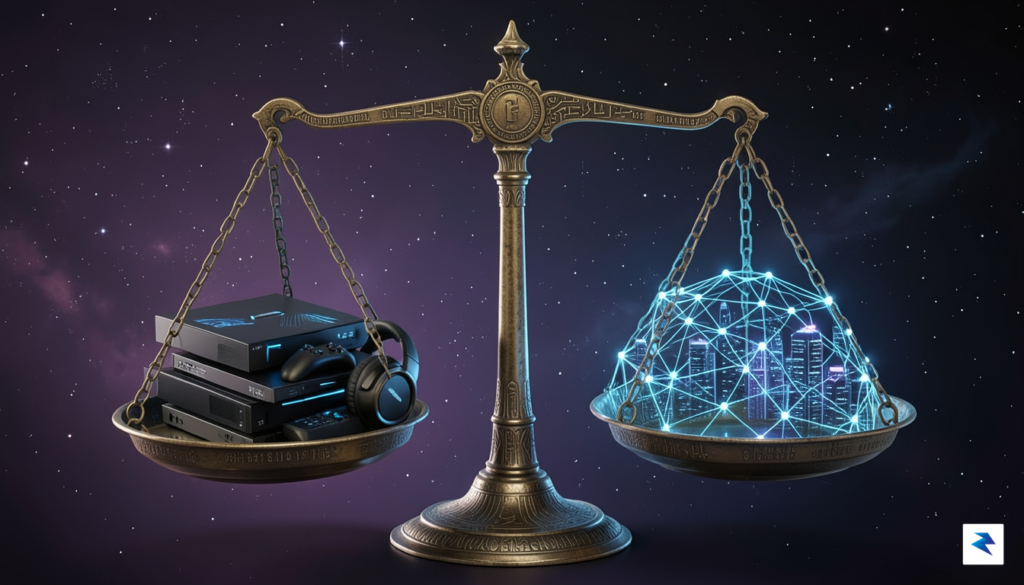
Furthermore, Valve’s business model is predicated on the strength and reach of the Steam Store, which serves as the primary engine for the company’s growth. Unlike traditional console makers who rely heavily on hardware sales to move units, Valve focuses on enhancing the value of its digital storefront through features like user reviews, community hubs, and massive seasonal sales. By keeping the Steam Machine platform open and unsubsidized, Valve avoids the pressure to artificially restrict consumer choice. This strategy prioritizes long-term platform health over the short-term goal of rapid device saturation, ensuring that users are choosing the platform because of the ecosystem’s quality, not because they are trapped by a loss-leader hardware purchase.
The decision to refrain from subsidies is essentially a vote of confidence in the Steam ecosystem’s ability to provide value that transcends the hardware itself.
Ultimately, this philosophy protects Valve from the volatility inherent in the hardware business. If a specific Steam Machine model fails to capture a significant market share, the ecosystem remains unaffected because the software platform is not tied to that specific iteration of technology. This modular, low-risk approach allows Valve to innovate and iterate without the burden of massive hardware debt, fostering a healthier, more sustainable environment for developers and consumers alike. By eschewing the traditional console subsidy, Valve is essentially betting that its digital service is compelling enough to thrive on its own merits, regardless of the device it is running on.
Understanding the Steam Machine Value Proposition
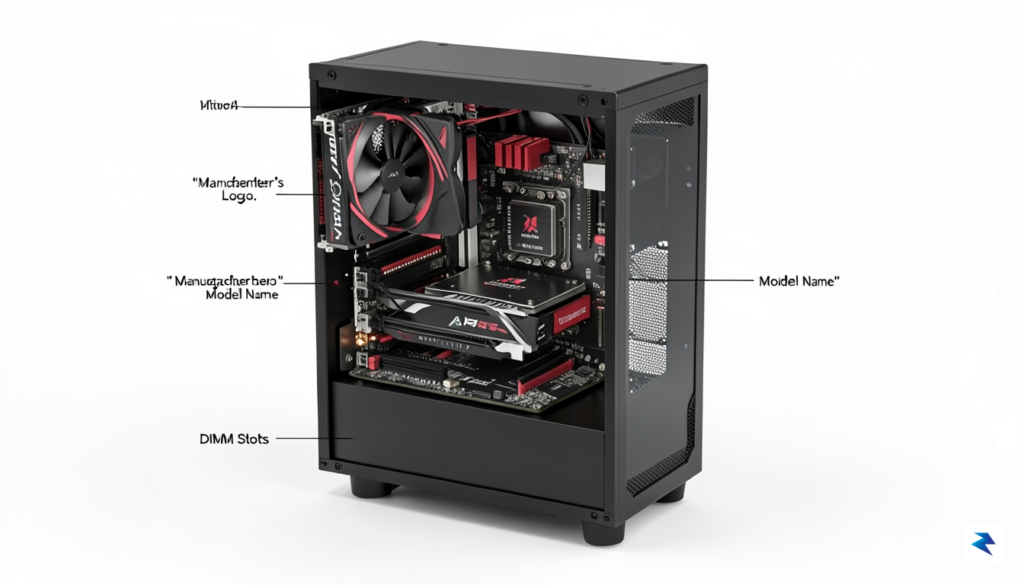
When you see a four-digit price tag attached to a Steam Machine, it is easy to succumb to immediate sticker shock, especially when compared to the subsidized, mass-produced consoles that dominate the living room. However, viewing these devices through the lens of a traditional console is a fundamental misunderstanding of what is actually being purchased. A Steam Machine is not a locked-down proprietary appliance designed to be sold at a loss; it is a high-performance, small-form-factor computer. Every dollar spent accounts for premium components—powerful GPUs, efficient CPUs, and high-speed memory—that are sourced to provide a robust gaming experience rather than a “walled garden” ecosystem. Unlike a typical console, you are paying for the raw power of a PC packed into a chassis designed for your media center.
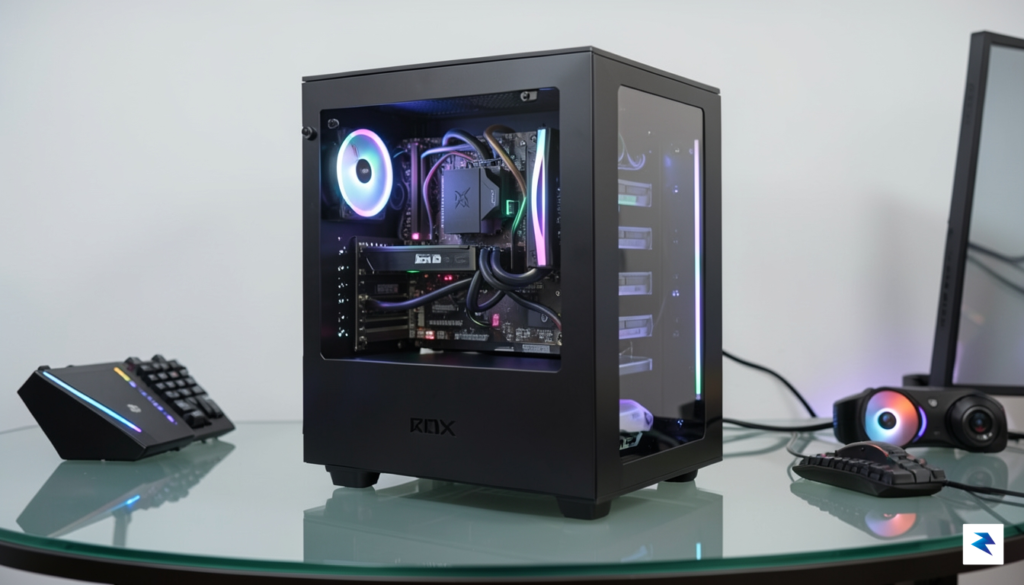
The true value of this hardware lies in its inherent modularity and the freedom of user-serviceability. With a standard console, your hardware is frozen in time the moment you pull it out of the box; you are beholden to the manufacturer’s limitations until the next generation of hardware arrives. Conversely, the Steam Machine is built for longevity. If you find that your gaming needs have evolved or that newer, more demanding titles require more graphical horsepower, you are not forced to discard your entire system. These machines are designed to be opened, tinkered with, and upgraded, allowing you to swap out graphics cards or increase storage capacity as technology advances. This flexibility transforms a one-time purchase into a long-term investment that grows alongside your hobby.
The Steam Machine represents a shift toward platform agnosticism, where the hardware serves the user, rather than the user serving the hardware manufacturer’s proprietary ecosystem.
Beyond the physical components, the software architecture provides a distinct advantage through its use of SteamOS. By utilizing an open-source, Linux-based foundation, Valve is moving away from the restrictive licensing fees and arbitrary manufacturer walls that characterize traditional gaming consoles. This open approach ensures that you are not locked into a single storefront or a specific subscription service to access your own library. Because the machine functions as a PC at its core, it grants you the versatility to manage your files, install alternative software, and interact with an expansive library of games that are not tethered to a single corporate gatekeeper. By removing the hidden costs of closed-ecosystem licensing, your money goes directly toward better hardware performance rather than subsidizing a restrictive digital environment.
The Shift Toward Open Ecosystems in Gaming Hardware
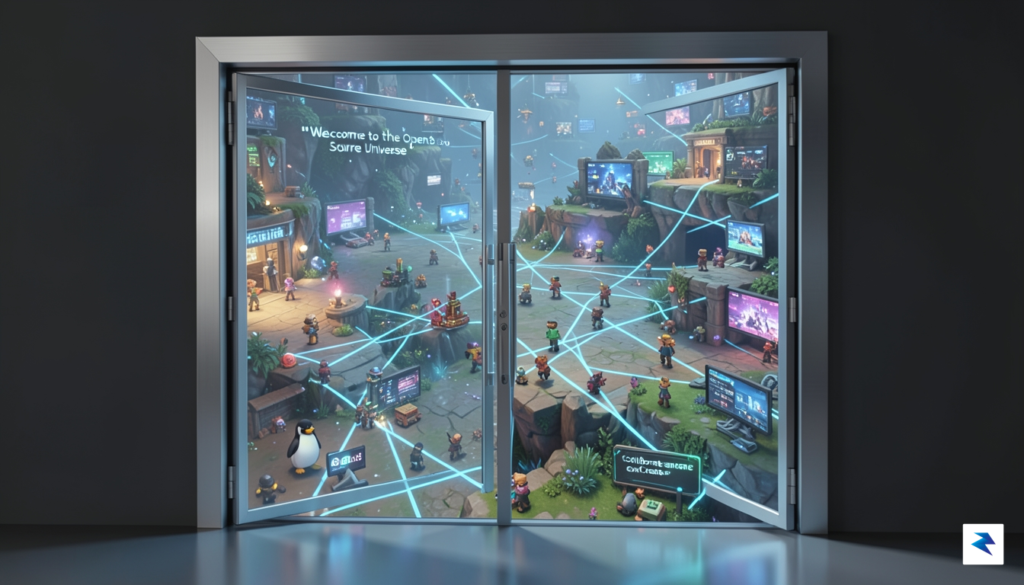
By refusing to subsidize Steam Machines, Valve is making a profound statement about the future of gaming: hardware should be a commodity, while the software ecosystem remains the true seat of power. Unlike the traditional console model, which relies on proprietary lock-in to recoup losses from cheap, subsidized consoles, Valve’s approach treats the Steam Machine as a flexible, open platform. This strategy effectively decentralizes the living room, allowing consumers to choose their own hardware specifications rather than being forced into a single, restrictive ecosystem. By shifting away from the “walled garden” mentality that has defined the console wars for decades, Valve is inviting users to view their gaming devices not as static boxes with expiration dates, but as versatile, upgradeable tools that can evolve alongside the PC gaming landscape.
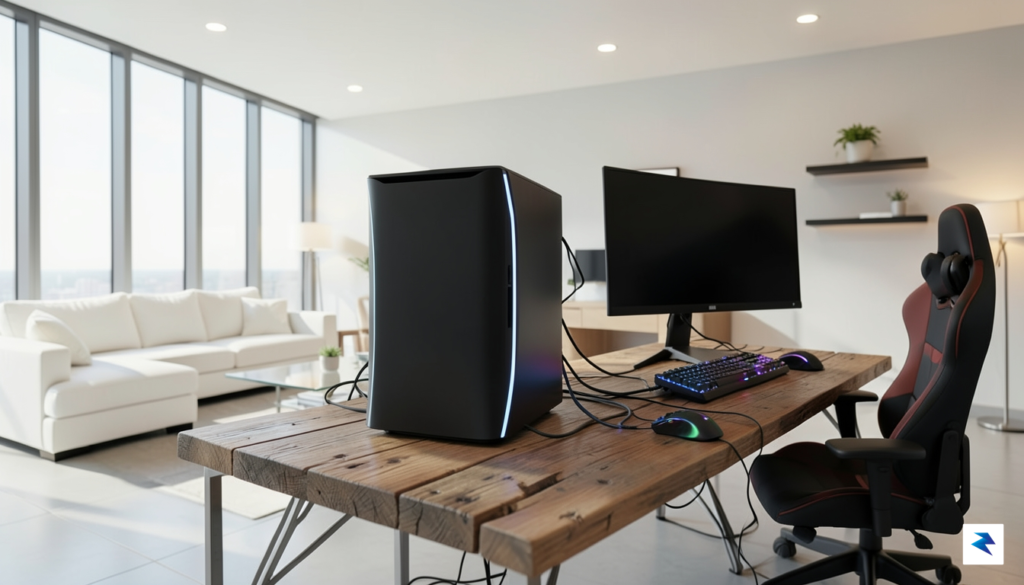
This philosophy of ecosystem neutrality is perhaps the most significant departure from the status quo. When a player purchases a Steam Machine, they are essentially buying into a service—SteamOS—rather than surrendering to a manufacturer’s hardware limitations. Because Valve does not seek to extract profit from hardware sales, they are under no obligation to restrict how or where their software runs. This openness encourages third-party manufacturers to innovate at various price points, fostering a competitive market where the best device wins based on performance and build quality rather than artificial exclusivity. It is a bold gamble that prioritizes the longevity of the platform over the short-term dominance of a single, closed-source console.
By decoupling the platform from the proprietary hardware, Valve is signaling that the era of forced, brand-loyal ecosystems is waning in favor of a more modular and user-centric future.
Central to this transition is the emphasis on input flexibility, most notably through the integration of the Steam Controller and the platform’s robust support for diverse control schemes. By prioritizing a system that can translate traditional mouse-and-keyboard inputs for a living room environment, Valve is dismantling the barrier between the desk and the couch. This level of input customization ensures that the software remains the primary interface, regardless of the physical box powering the experience. Ultimately, this shift suggests that Valve envisions a world where gamers are no longer tethered to a specific brand’s hardware roadmap, but are instead free to inhabit an ecosystem that respects their hardware preferences and technical autonomy.
Long-term Implications for PC Gaming and Valve's Strategy

By opting against the console-style model of heavy hardware subsidies, Valve is effectively signaling a shift in how it views the intersection of software and physical infrastructure. Instead of attempting to capture the market through razor-thin margins on proprietary boxes, the company is doubling down on the universality of the Steam ecosystem. This strategy ensures that SteamOS remains an open, platform-agnostic foundation rather than a walled garden, allowing Valve to focus its resources on software iteration and community features. By keeping the hardware independent and unsubsidized, Valve avoids the trap of being shackled to a specific manufacturing cycle, ensuring that they can pivot their focus as technology evolves without being financially tethered to legacy units.
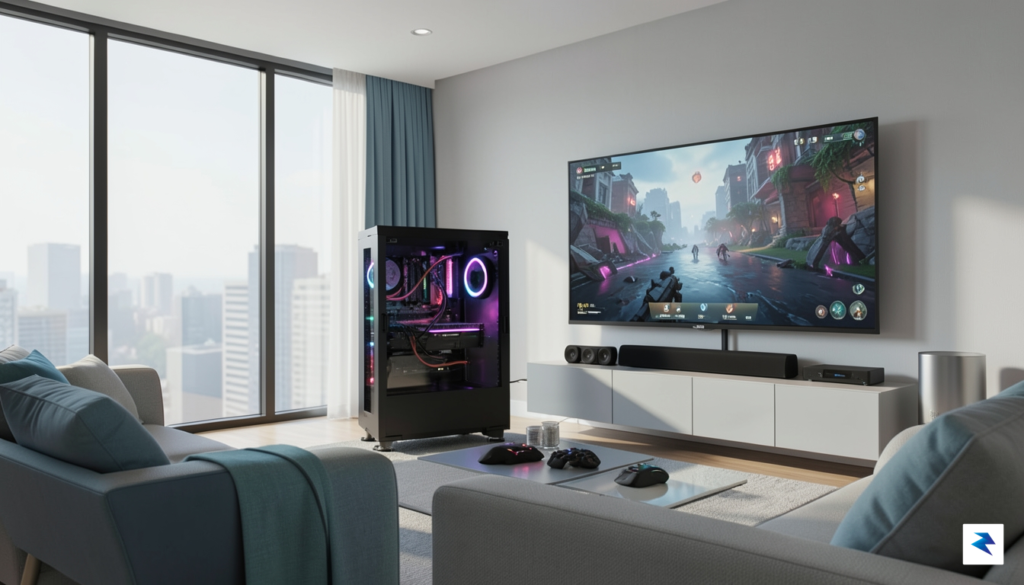
The Sustainability of the Open Ecosystem
The sustainability of this approach relies on the assumption that gamers prioritize freedom of choice over the convenience of a standardized, locked-down console. When a company subsidizes a console, they effectively trade hardware access for control over the user experience, often forcing players into specific storefronts or proprietary accessories. Valve’s decision to remain hardware-neutral suggests that they believe the future of PC gaming is rooted in choice—where players can upgrade their components, choose their own chassis, and install any software they desire. This approach may face initial friction from casual players who are accustomed to the “plug-and-play” simplicity of consoles, but it ultimately creates a more resilient platform that is not prone to the obsolescence cycles inherent in traditional gaming hardware.
The true strength of the Steam Machine initiative lies not in the profitability of any single device, but in the long-term viability of an open, decentralized gaming platform that empowers the user rather than the manufacturer.
Defining the Target Audience
Ultimately, the Steam Machine is not intended to displace the mainstream console market in the short term; rather, it serves as a bridge for the enthusiast gamer who craves the power of a PC in a living room environment. While the casual player might find the lack of subsidy-driven price points and the inherent complexity of PC hardware daunting, the enthusiast will see it as a liberating alternative to the restrictive nature of modern consoles. For these users, the value proposition is clear: they are paying for the freedom to customize, the accessibility of the Steam library, and the long-term versatility that only an open architecture can provide. By refusing to subsidize these machines, Valve has clarified its position—they are not a hardware company, but a software provider building a platform that respects the user’s right to control their own gaming destiny.