The Electrician's Dilemma: Stability vs. Ethics
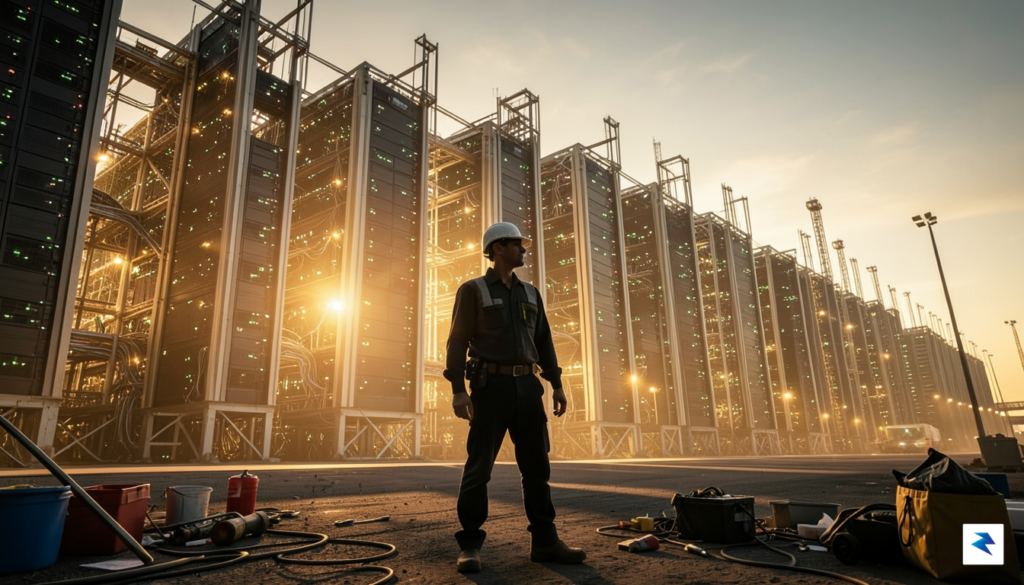
For decades, the electrical trade has been defined by a commitment to critical infrastructure—powering hospitals, schools, and the homes that form the bedrock of our communities. Today, however, the landscape of the industry is undergoing a seismic shift as Big Tech pours billions of dollars into massive, hyper-scale data center projects. These facilities have become the primary focus for large-scale electrical contractors, promising unprecedented job security, premium wages, and consistent, long-term employment. For many, this represents the “bread and butter” of modern construction, a career path that guarantees financial stability in an otherwise volatile economic climate. Yet, beneath the allure of these lucrative contracts lies a growing, uncomfortable silence among the workforce regarding what exactly they are building.

As these sprawling server farms consume vast swaths of land and place immense strain on local power grids, a growing number of skilled professionals are beginning to question the societal cost of their labor. The conflict is deeply personal; it pits the immediate, tangible need to provide for one’s family against the intangible, long-term impact of these projects on the environment and the local community. While a data center provides a steady paycheck today, many electricians are grappling with the reality that these facilities often offer little back to the surrounding neighborhoods. They are essentially closed fortresses of high-density computing that drain local resources, generate significant noise pollution, and contribute to the rising energy costs felt by everyday residents.
“We are trained to build things that serve the public good, yet we find ourselves increasingly tasked with building structures that prioritize algorithmic efficiency over human utility.”
This internal dilemma has sparked a quiet but significant divide within the trade. On one side, there is the pragmatic view that an electrician’s duty is to fulfill the contract, provide the high-quality craftsmanship required, and secure their own financial future. On the other side, there is an emerging realization that the scale of these projects is fundamentally changing the fabric of the regions they occupy. As these facilities multiply, the skilled workers who power the digital age are forced to reckon with an ethical pivot: is the stability offered by Big Tech worth the compromise of their own community values? This tension is not merely a debate over project types; it is a profound reflection of how the modern worker is navigating the ethical price of our collective digital addiction.
The Economic Engine of Data Center Construction
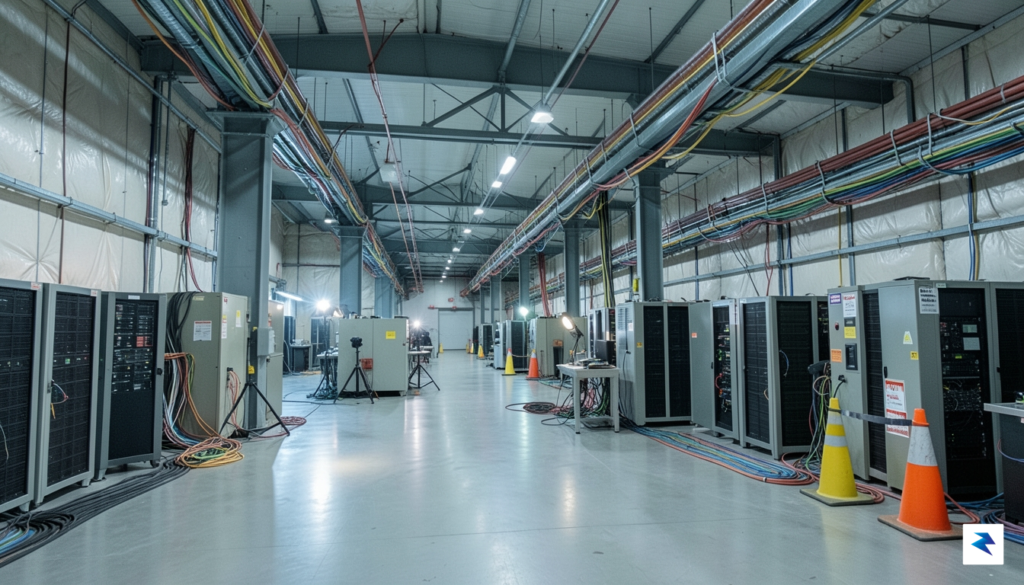
Modern data centers are far more than mere warehouses for server racks; they are the high-voltage cathedrals of the digital age, representing the physical infrastructure that sustains our entire global economy. For electrical contractors and the labor unions that support them, these projects represent an unprecedented scale of work. Unlike traditional commercial builds, which might focus on lighting and basic climate control, data centers require a labyrinthine integration of redundant power grids, high-capacity switchgear, and massive, energy-intensive cooling systems. The technical complexity involved is staggering, often demanding that electrical teams install miles of heavy-gauge conduit and sophisticated power distribution units designed to keep global networks online 24/7 without a single millisecond of downtime.
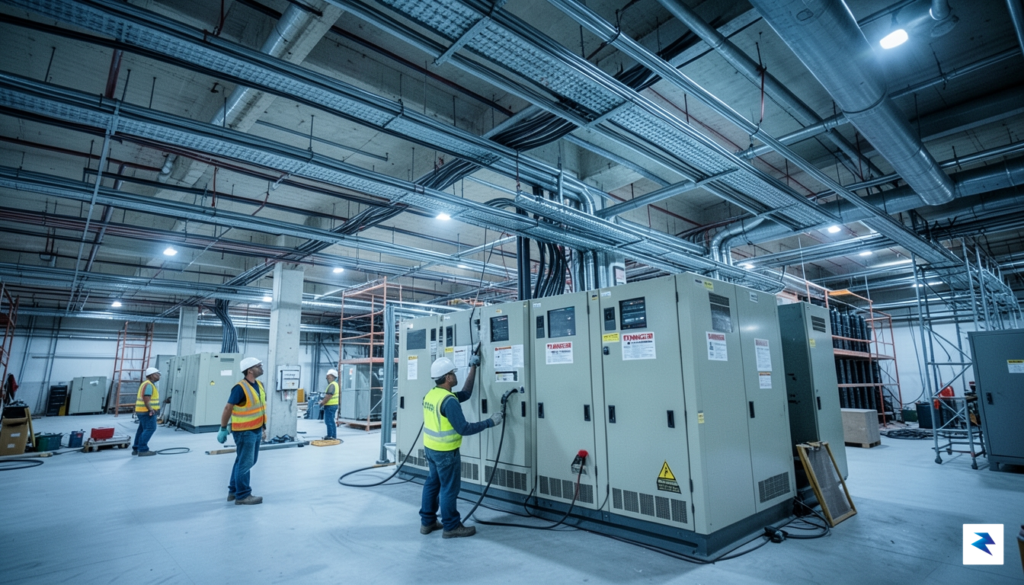
The financial gravity of this industry is exerting a massive pull on the construction sector, fueled by billions of dollars in capital flowing directly from Big Tech giants. For an electrical contractor, securing a contract for a data center campus is the equivalent of hitting a gold mine. These projects offer a level of longevity and financial stability rarely seen in the boom-and-bust cycles of commercial real estate. Because these facilities must be built to meet ever-increasing demands for cloud storage and artificial intelligence processing, the construction timelines are often multi-year, multi-phase endeavors. Consequently, these sites provide steady, high-paying work for thousands of journeymen and apprentices, effectively insulating them from the volatility of smaller residential or retail contracts.
“Data centers are the new infrastructure backbone of the 21st century. When you work on these sites, you aren’t just pulling wire; you are constructing the physical nervous system of the modern world.”
This unprecedented investment has triggered a palpable “gold rush” mentality within the electrical labor market. Union halls and private firms alike are prioritizing data center contracts, often pulling their most skilled personnel from other projects to ensure deadlines are met for tech clients. While this influx of funding provides a massive boost to the local economy and ensures record-breaking wages for many electricians, it has also fundamentally altered the landscape of the trade. The sheer scale of these builds means that resources—both human and material—are being funneled toward digital infrastructure at an accelerating rate, leaving some in the industry to wonder if the pursuit of these lucrative, large-scale projects is distancing the trade from its traditional roots in community-based construction.
Community Pushback and the Toll on Local Infrastructure

The transformation of quiet, rural landscapes into industrial hubs for massive data centers is rarely a seamless process. For the local communities residing near these developments, the arrival of these facilities often feels less like an economic boon and more like an existential threat to their quality of life. The grievances are multifaceted: residents raise alarms over the staggering amount of water required for cooling systems, the incessant drone of industrial-grade ventilation fans, and the immense strain placed on local power grids. What was once a peaceful vista is increasingly dominated by windowless, fortress-like structures that consume immense energy while offering little in the way of tangible community benefits beyond a handful of maintenance jobs.
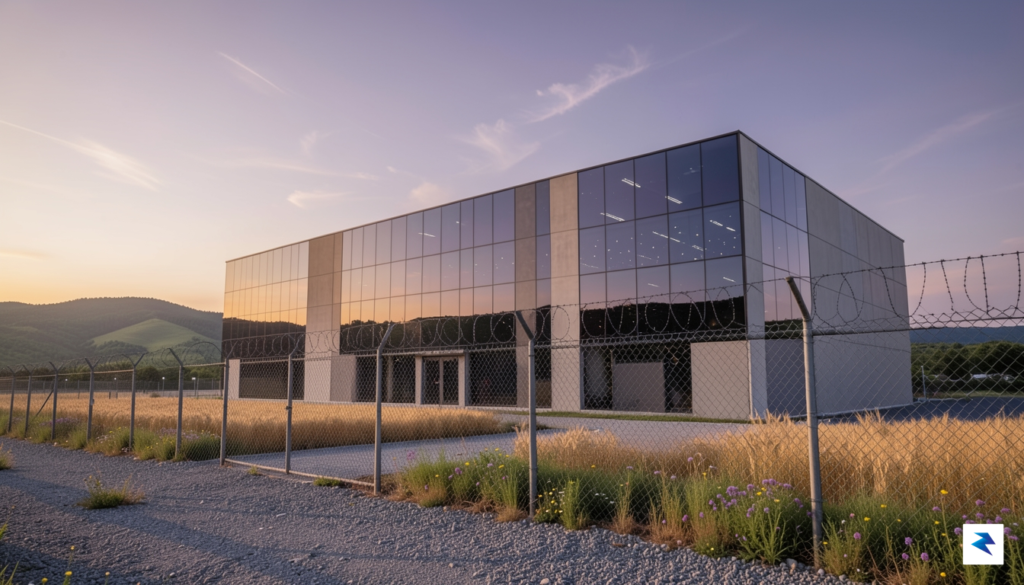
For the electricians on the ground, these tensions create a profound sense of cognitive dissonance. These tradespeople are highly skilled professionals who take immense pride in their craftsmanship, whether they are wiring a local school, a hospital, or a family home. Yet, when they arrive at a job site to build a sprawling data center, they are often met with signs of protest or the visible frustration of their own neighbors. The disconnect between the high-tech, “future-forward” promise sold by developers and the reality of the dust, noise, and infrastructure degradation felt by the community puts the workers in an uncomfortable middle ground. They are building the digital backbone of the modern economy, but to the people buying their groceries or sitting next to them at the local diner, they are seen as agents of an unwanted, disruptive presence.
The pride of building something complex is being overshadowed by the realization that the community—their own community—views these sites as parasites on local resources.
This atmosphere of friction takes a quiet but significant toll on worker morale. It is difficult to remain enthusiastic about a multi-year project when one realizes that the finished product might ultimately degrade the very town they call home. As these projects expand, many electricians are beginning to question whether the paycheck is worth the social isolation and the stigma associated with the job. This shift in perspective is causing a subtle but meaningful rift within the trade, as some workers choose to prioritize projects that align with their local values, such as renewable energy installations or infrastructure upgrades, over the lucrative but controversial construction of hyper-scale server farms. Ultimately, the industry must reckon with the fact that its footprint is not just measured in megawatts, but in the trust and goodwill of the communities that host them.
The Skill Gap and the Future of the Trade

The modern data center has become the gold standard for high-end electrical installation, pushing the trade into a realm of unprecedented technical complexity. Electricians working on these massive infrastructure projects are tasked with managing sophisticated power distribution systems, redundant backup arrays, and critical cooling integration that far exceed the requirements of standard commercial or industrial sites. While this environment serves as a rigorous training ground for mastering cutting-edge technology, it inherently fosters a narrow specialization. By focusing exclusively on the unique, hyper-scale demands of the tech industry, tradespeople risk becoming “facility-specific” technicians rather than well-rounded craftsmen capable of navigating the broader electrical landscape.
This specialization creates a double-edged sword regarding long-term career mobility. On one hand, the ability to install and maintain complex busway systems and industrial-grade UPS configurations is a highly marketable skill set. However, these specific proficiencies do not always translate seamlessly into other vital sectors like renewable energy integration, smart-grid development, or residential infrastructure. While the fundamental principles of Ohm’s law and circuit safety remain constant, the regulatory environments, code interpretations, and practical installation methods in residential or public works projects differ drastically from the proprietary, high-speed requirements of a private data warehouse. Consequently, an electrician who spends a decade solely on data centers may find themselves facing a steep learning curve if they attempt to pivot toward the evolving demands of the green energy sector or local infrastructure upgrades.
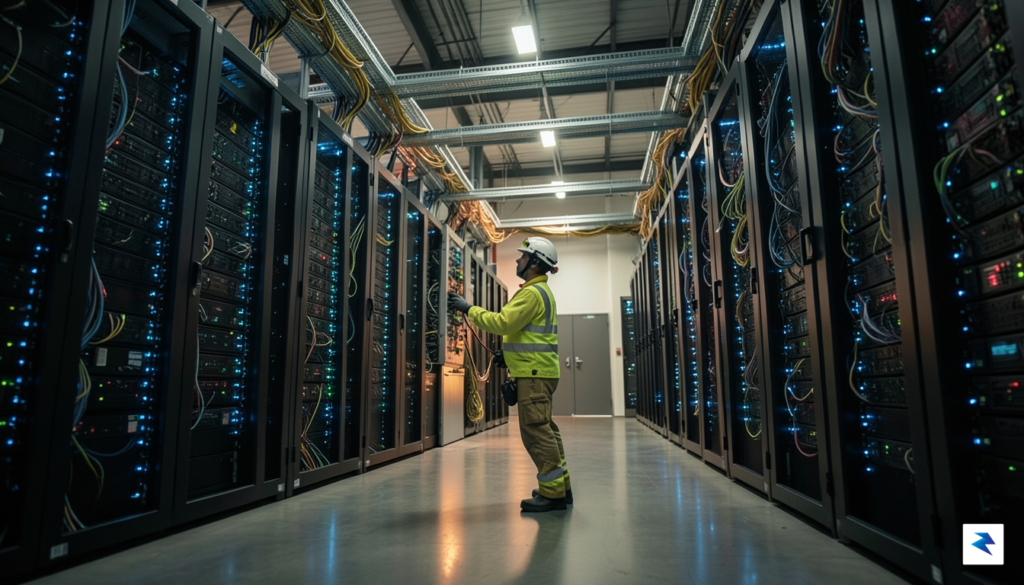
Specialization is a powerful tool for short-term efficiency, but in the skilled trades, it can act as a tether that limits a worker’s professional autonomy.
Perhaps the most significant concern for the future of the trade is the over-reliance on a niche controlled by a handful of global tech giants. When a large portion of the regional workforce is funneled into these massive, high-security projects, the industry loses the organic dispersal of talent needed to maintain the backbone of our everyday electrical infrastructure. If the tech sector faces a downturn or if design trends shift toward localized, decentralized computing, thousands of specialists could find their niche evaporated overnight. To ensure long-term stability, it is imperative that the next generation of tradespeople balances the allure of high-paying data center contracts with the foundational, versatile experience that can only be gained through a wide array of diverse projects. Protecting the diversity of the trade is not just about nostalgia for traditional work; it is a necessary strategy for economic resilience in an increasingly volatile digital economy.
Navigating the Moral Landscape of Modern Electrical Work

The tension between the traditional values of the electrical trade and the rapid, often opaque expansion of the digital infrastructure sector has sparked a necessary, if difficult, dialogue. At the heart of this conflict lies a fundamental question: does the role of a skilled tradesperson end at the successful installation of a circuit, or does it extend to the ethical implications of the facility itself? As data centers continue to consume vast amounts of energy and reshape local landscapes, those responsible for bringing these projects to life are increasingly finding themselves at a professional crossroads. Reconciling a career built on craftsmanship with the environmental and social footprint of “Big Tech” requires a shift in perspective, moving from a role of mere service provider to that of an active stakeholder in the built environment.
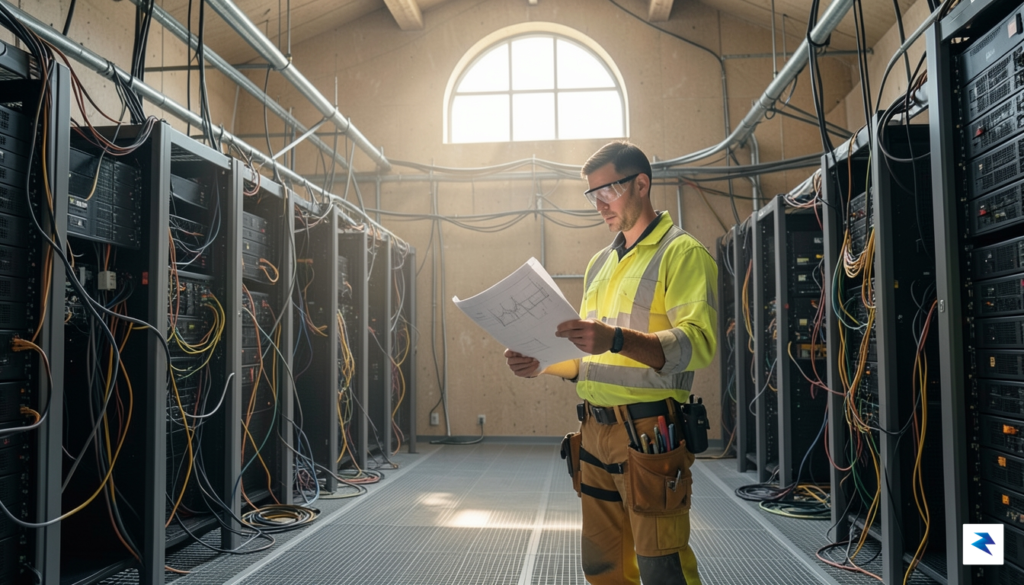
For the individual electrician, this reconciliation does not necessarily mean walking away from high-paying projects, but rather leveraging their position to advocate for more sustainable building practices. Skilled workers are the eyes and ears on the ground, and they are uniquely positioned to push for efficiency, waste reduction, and the integration of renewable energy sources during the construction phase. By demanding transparency in how these facilities are powered or insisting on the use of environmentally responsible materials, tradespeople can act as a bridge between the sterile efficiency of tech corporations and the tangible needs of the surrounding community. This transition from labor to advocacy ensures that the human element of construction is not lost in the pursuit of digital scale.
The future of our trade in a tech-dominated economy depends on our ability to align our technical expertise with a broader commitment to sustainable development. We are not just installing wire; we are building the foundation of the future, and we have a right to ask what that foundation is holding up.
Ultimately, the construction of the digital age relies entirely on the hands of skilled workers who possess the expertise to make the abstract realities of the cloud physically tangible. As the industry matures, the conversation is shifting from simple project completion to a more nuanced understanding of the social contract between the tech industry, the construction labor force, and the local communities that host these massive structures. A balanced perspective acknowledges that while data centers are essential to modern life, their development must be tempered by accountability. By fostering a culture where electricians feel empowered to question the “how” and “why” of their work, the trade can ensure that its legacy is defined not just by the speed of the internet, but by the integrity and sustainability of the infrastructure that supports it.