
The Ethical Price of the Digital Age: Why Some Electricians Are Turning Away From Data Centers
The Electrician's Dilemma: Stability vs. Ethics For decades, the electrical trade has been defined by a commitment to critical…

Will Cathcart’s departure from the helm of WhatsApp concludes a transformative chapter that saw the messaging platform evolve from a simple communication tool into a ubiquitous global infrastructure. During his tenure, Cathcart navigated the platform through intense regulatory scrutiny, the implementation of end-to-end encryption across billions of devices, and the delicate balancing act of maintaining user privacy while scaling infrastructure. His leadership was defined by a steady hand, focusing primarily on stability, feature expansion, and the long-term integrity of the user experience. By successfully steering the app through these pivotal growth years, he leaves behind a foundation that is technically robust and deeply embedded in the daily lives of over two billion people.
As Cathcart transitions into a new, broader strategic role within the wider Meta ecosystem, his departure signals more than just a routine change in management; it represents a fundamental pivot in the company’s corporate philosophy regarding its messaging crown jewel. Meta is now signaling a clear departure from the “growth at all costs” model of the past, opting instead for a more aggressive approach to monetization and sophisticated ecosystem integration. This shift suggests that the company is no longer satisfied with WhatsApp operating as a standalone messaging utility. Instead, the leadership transition is designed to facilitate deeper synergy with Meta’s advertising technologies, payment gateways, and artificial intelligence initiatives.

The decision to install new leadership at this juncture is a calculated move to accelerate the integration of complex business solutions within the app. By moving away from the purely user-centric focus of the previous era, the incoming management team is tasked with weaving WhatsApp into the fabric of Meta’s commercial ambitions. This requires a delicate touch: the platform must maintain the high level of trust and privacy that users expect, while simultaneously unlocking the latent revenue potential that has remained largely untapped for years. The internal shakeup is effectively a mandate for transformation, shifting the focus toward a more complex, multi-layered ecosystem that bridges the gap between personal messaging and global digital commerce.
The transition marks the end of an era defined by user acquisition and the beginning of a cycle prioritized by ecosystem monetization and deep-tech integration within the Meta umbrella.
Ultimately, this leadership turnover reflects the broader challenges Meta faces as it matures into an AI-first company. The incoming executives will need to navigate the friction between preserving the app’s simplicity—which has been its greatest asset—and introducing the sophisticated features required to compete in a crowded market of super-apps. As the organization pivots toward this new trajectory, the industry will be watching closely to see how the platform balances its commitment to encrypted privacy with the inevitable pressures of corporate profitability and platform-wide integration.
Kunal Shah’s appointment as the new head of WhatsApp marks a pivotal moment, signaling a significant strategic pivot for Meta’s global messaging behemoth. Widely celebrated as a visionary within India’s hyper-competitive fintech landscape, Shah is best known for founding and scaling CRED, a platform that ingeniously incentivized financially responsible behavior among its users. His move from the helm of a highly successful, loyalty-driven fintech giant to leading a global communication platform suggests that Meta is not merely seeking a new leader, but a catalyst to infuse WhatsApp with innovative financial services, deepen user engagement, and cultivate unparalleled loyalty on a global scale. This decision profoundly underscores Meta’s ambition to transform WhatsApp from a ubiquitous chat app into a multifaceted ecosystem.
Shah’s career trajectory is anything but conventional, characterized by a keen understanding of consumer psychology and a knack for identifying market gaps. Before the meteoric rise of CRED, he co-founded FreeCharge, a mobile recharge and bill payment platform that became a significant player in India’s digital payments revolution before its acquisition by Snapdeal. It was with CRED, however, that Shah truly cemented his reputation as an innovator. Launched in 2018, CRED targeted creditworthy individuals, offering exclusive rewards and benefits for paying credit card bills on time. This seemingly niche yet highly effective approach cultivated an extremely loyal and high-value user base, demonstrating Shah’s unique ability to build trust and drive engagement through intelligent design and aspirational branding.
His specific expertise lies not just in fintech but, more profoundly, in user-experience design and fostering community value. Shah possesses an innate understanding of how to craft products that resonate deeply with users, encouraging habitual interaction and fostering a sense of belonging or exclusivity. CRED’s success wasn’t solely about processing payments; it was about creating a premium experience that rewarded good financial habits, effectively turning a mundane task into an aspirational activity. This approach involved meticulous attention to UI/UX, data-driven personalization, and a strong emphasis on brand narrative, all crucial elements that could be transformative for a platform like WhatsApp seeking to expand its utility beyond basic messaging.
This rich background positions Kunal Shah as the quintessential ‘disruptor’ candidate Meta needs for WhatsApp. In an increasingly competitive digital landscape, where messaging apps are rapidly evolving into comprehensive ‘super apps,’ Shah’s mandate likely extends to accelerating WhatsApp’s foray into financial services, e-commerce integration, and perhaps even innovative loyalty programs. His ability to identify and cater to aspirational users, coupled with his proven track record in building secure and engaging financial ecosystems, could be instrumental in unlocking new revenue streams and user functionalities for WhatsApp globally. He brings a fresh perspective that prioritizes the holistic user journey, moving beyond simple communication to facilitate more complex, value-driven interactions directly within the app.
Ultimately, Meta’s strategic decision to bring Kunal Shah on board, alongside its reported $900 million investment in CRED, underscores a clear strategic intent: to leverage WhatsApp’s immense global reach for deeper financial integration and higher user lifetime value. Shah’s leadership signifies a bold move to infuse WhatsApp with the same innovative spirit and user-centric design principles that made CRED a runaway success. His appointment is not just about a change in leadership; it’s a clear signal that WhatsApp is poised for a significant evolution, aiming to become a more integral part of its users’ financial and commercial lives, powered by a vision that understands both cutting-edge technology and nuanced human behavior at its core.

The decision to inject $900 million into the ecosystem surrounding WhatsApp represents far more than a simple capital expenditure; it is a calculated pivot toward establishing the platform as the primary financial gateway for billions of users. By funneling such a substantial amount into the integration of sophisticated fintech capabilities, Meta is signaling that the era of WhatsApp as a mere messaging utility is rapidly coming to a close. This investment serves as the bedrock for a broader vision where peer-to-peer payments, merchant services, and micro-lending are woven directly into the fabric of daily conversations. In emerging markets, where banking infrastructure is often fragmented or inaccessible, this move positions Meta to capture the massive shift toward mobile-first economic participation.
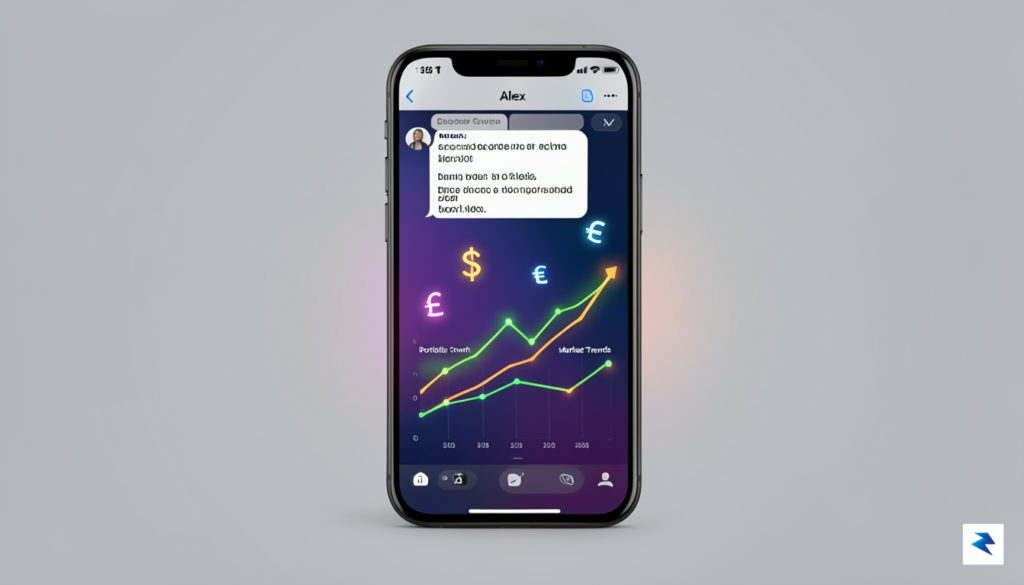
The appointment of a seasoned fintech visionary to lead this transition is the final piece of the puzzle, bridging the gap between social connectivity and transactional security. By bringing in a founder who understands the nuances of user behavior and digital credit, Meta is moving beyond generic payment processing to create a highly personalized financial environment. This strategy is essential for outmaneuvering global competitors like WeChat, which successfully pioneered the “super-app” model by integrating lifestyle and financial services into a single interface. Meta’s $900 million bet is essentially the fuel required to accelerate this transition, ensuring that their technical infrastructure can handle the immense scale of transactional data without compromising the end-to-end encryption that users have come to expect.
The integration of fintech into messaging platforms is no longer a luxury; it is the inevitable evolution of the digital economy, turning social networks into the central nervous system of global commerce.
Looking ahead, this capital infusion will likely be directed toward streamlining the regulatory hurdles and local banking partnerships necessary to make WhatsApp the default choice for global commerce. Instead of forcing users to switch between disparate apps to pay bills, purchase goods, or send remittances, Meta aims to create a frictionless experience where money flows as easily as a text message. By leveraging the expertise of its new leadership team, the company intends to refine the user journey, making complex financial transactions intuitive for everyone, regardless of their level of digital literacy. Ultimately, this strategic shift transforms WhatsApp from a tool that connects people into a powerhouse that powers their livelihoods, cementing Meta’s dominance in the next frontier of the digital age.
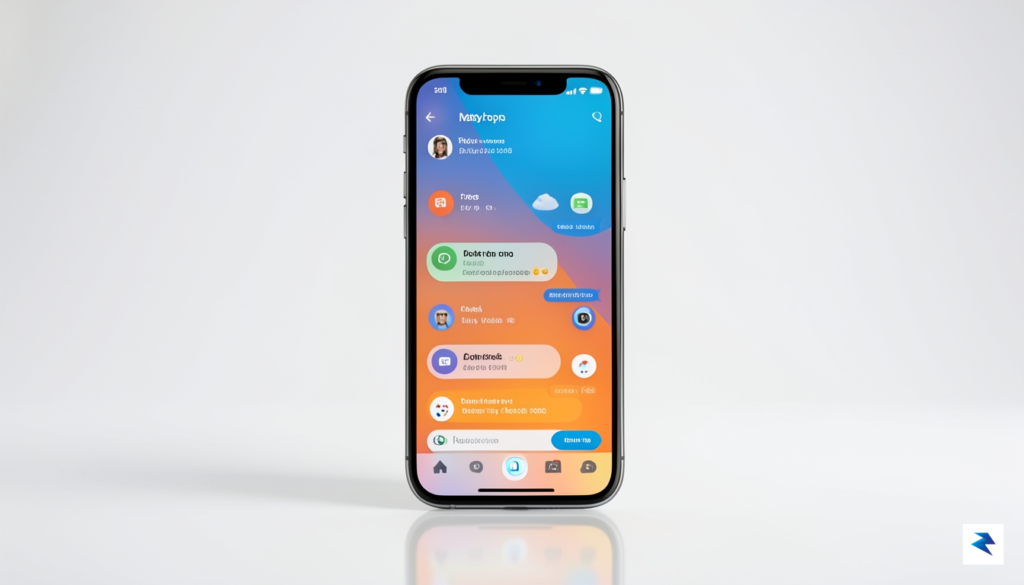
The appointment of Kunal Shah to lead WhatsApp marks a pivotal turning point in Meta’s strategy, signaling an aggressive push toward a unified, “super-app” ecosystem. For years, WhatsApp has served primarily as a communication utility, but the new leadership is expected to pivot the platform into a comprehensive financial and commercial hub. By integrating the seamless, high-velocity transaction models that defined the success of CRED, Meta aims to transform the app into an all-encompassing gateway for daily digital life. This evolution will likely prioritize in-app banking, micro-loans, and integrated merchant storefronts, effectively reducing the friction between chatting with a friend and purchasing a product or settling a bill.
As the roadmap unfolds, users should anticipate a significant expansion of business-to-consumer (B2C) commerce tools designed to keep users within the app for the duration of their shopping journey. Beyond simple messaging, WhatsApp is poised to introduce native checkout experiences, real-time order tracking, and localized financial services tailored to diverse global markets. By embedding these sophisticated merchant tools, Meta is not merely competing with traditional e-commerce platforms; it is attempting to replicate the multi-functional dominance seen in regional giants like WeChat or Grab. This shift suggests that the WhatsApp interface will become increasingly modular, utilizing advanced AI to surface relevant services—such as utility payments or travel bookings—based on individual user behavior and geographic context.
The transition toward a super-app architecture represents a fundamental change in the user experience, shifting WhatsApp from a passive medium for conversation into an active engine for digital commerce and personal finance.
However, this transition presents a unique challenge for Meta: balancing these complex commercial features with the app’s long-standing reputation for being “privacy-first.” Expanding into financial services requires a delicate handling of sensitive data, which may necessitate a more robust, transparent approach to encryption and user consent. While the integration of banking and commerce will undoubtedly increase the app’s utility, it also places immense pressure on the design team to ensure that the interface remains clean and intuitive rather than cluttered. Whether WhatsApp can successfully scale these localized, high-trust financial services to a global audience without compromising the simplicity that made it a household name remains the most critical question for its future success.
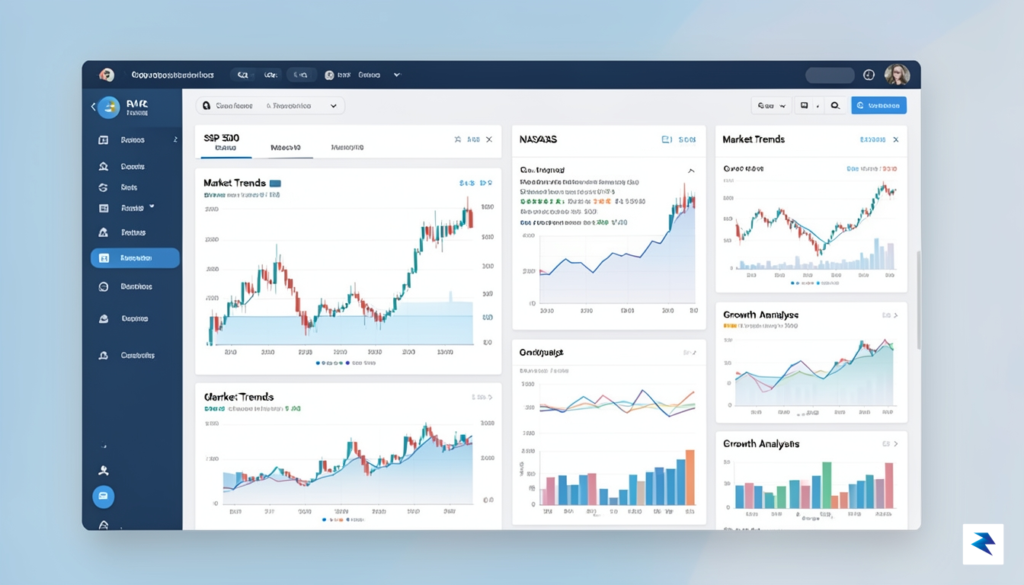
The tech industry’s reaction to Meta’s latest leadership shakeup has been one of calculated fascination, reflecting a broader recognition that the company is at a critical inflection point. By appointing Kunal Shah—a visionary synonymous with India’s booming fintech ecosystem—as the new head of WhatsApp, Meta is signaling a definitive departure from its identity as a purely social-utility provider. Industry analysts suggest that this move is more than just a personnel change; it is a strategic pivot designed to integrate high-frequency financial transactions directly into the daily messaging habits of billions of users. This ambition aligns with global trends where “super-apps,” such as WeChat in China, have successfully blurred the lines between social interaction and essential financial services, creating an ecosystem where users never need to leave the platform to manage their lives.
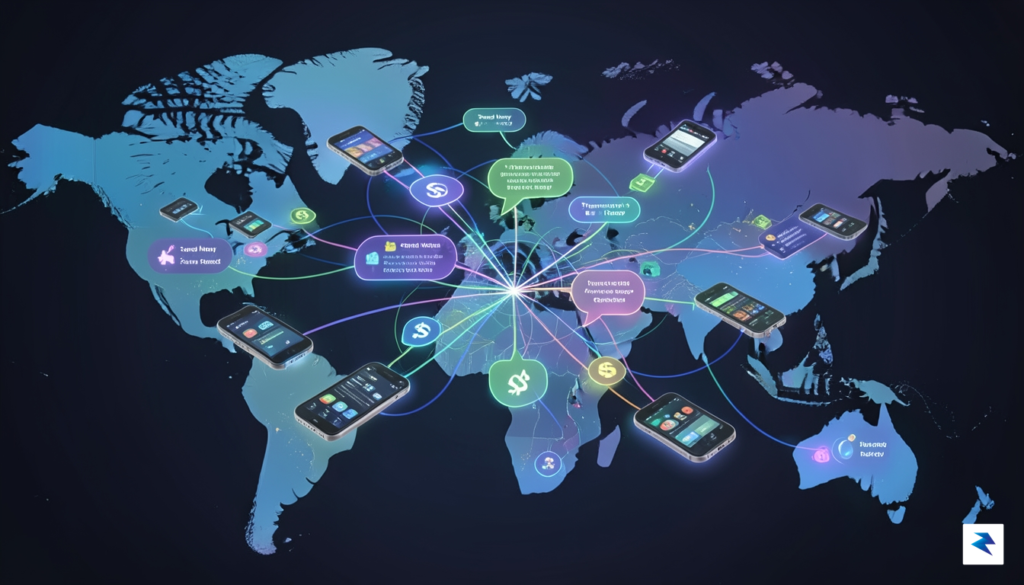
Beyond the immediate buzz, the market implications for Meta’s long-term business model are profound. For years, the company has been heavily tethered to the volatility of the digital advertising market, leaving its revenue streams vulnerable to shifting privacy regulations and shifting economic cycles. By embedding sophisticated fintech capabilities into the world’s most popular messaging application, Meta is effectively building a “walled garden” of commerce that could generate significant fee-based revenue and data-driven insights independent of traditional ad spend. If successful, this transformation could stabilize Meta’s financial performance, making the company less susceptible to the periodic downturns that plague the broader advertising sector and positioning it as a powerhouse in the digital payments landscape.
The integration of fintech into messaging platforms represents the next frontier of user engagement, shifting the focus from passive content consumption to active, value-added utility.
Ultimately, the long-term viability of this strategy hinges on Meta’s ability to balance its massive user base’s desire for privacy with the intrusive nature of personal finance. While investors have reacted with cautious optimism—viewing the appointment as a clear signal of intent—the challenge remains in execution across diverse global markets with varying regulatory hurdles. If Kunal Shah can successfully navigate these complexities, Meta may not only secure its market share against emerging decentralized finance competitors but also redefine the role of social media in the global economy. This shift suggests that the future of Meta is not just about connecting people; it is about facilitating the digital infrastructure that underpins their daily economic transactions.
You must be logged in to post a comment.