Understanding California AB 2047: The Regulatory Shift for 3D Printing
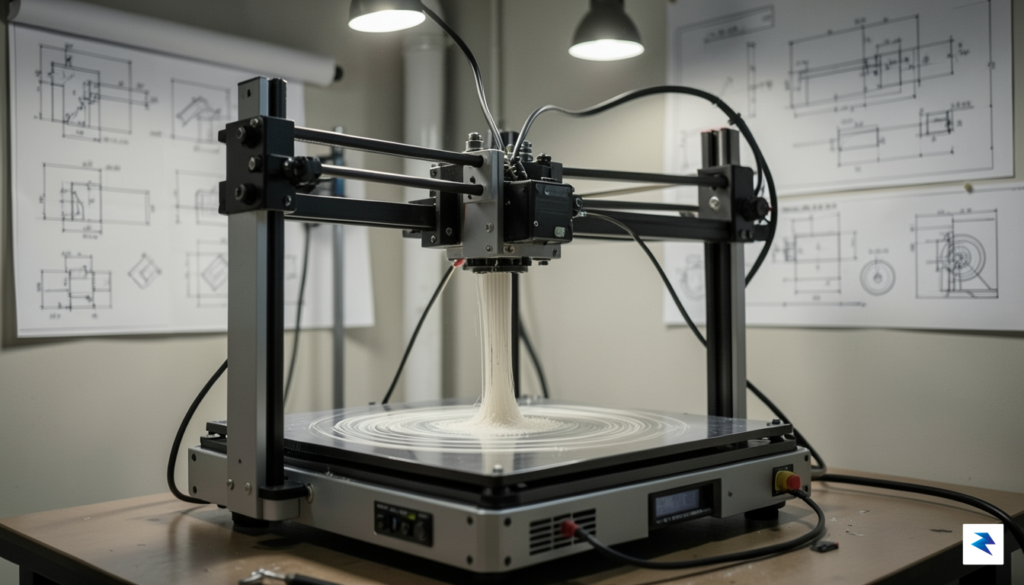
The legislative landscape surrounding additive manufacturing in California has undergone a transformative shift with the introduction of AB 2047. This bill seeks to impose rigorous oversight on the deployment and usage of 3D printing technology, effectively reclassifying how these machines are managed in both academic and professional environments. At its core, the legislation mandates a series of administrative hurdles and safety protocols that effectively restrict access for students, educators, and various business entities. By requiring specific certifications and environmental compliance standards, the state is moving away from the previously open-access model of rapid prototyping toward a more heavily regulated, centralized framework that prioritizes risk mitigation over ease of experimentation.
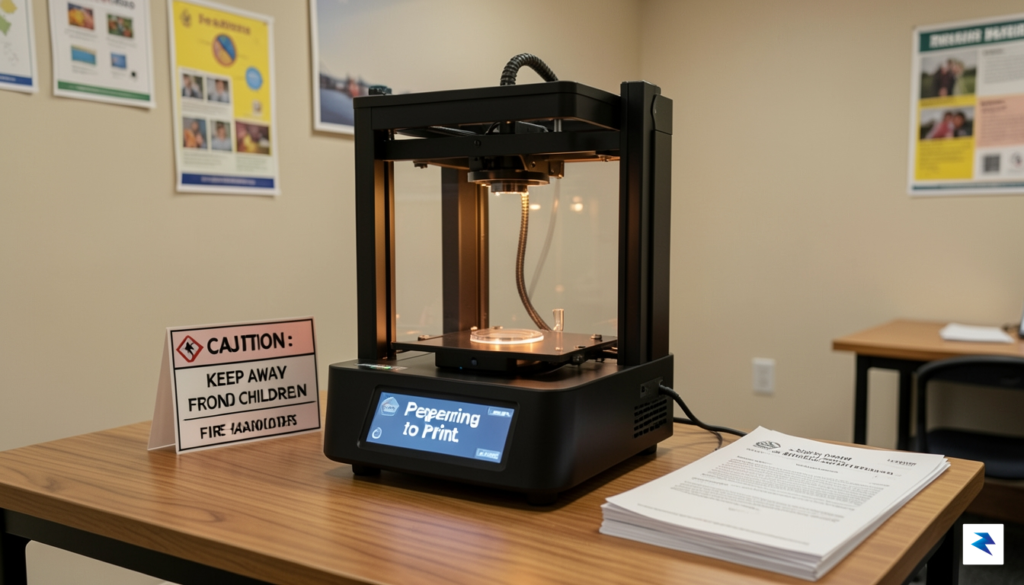
The scope of AB 2047 is expansive, reaching far beyond industrial manufacturing plants to touch the very classrooms where the next generation of engineers and designers are being trained. Under these new provisions, institutions must now maintain detailed logs of printer activity, ensure stringent air quality monitoring, and restrict the use of certain filament materials that have been flagged as potential hazards. For educators, this means that the spontaneous, hands-on learning environments that define 3D printing labs may become a thing of the past, replaced by rigorous oversight and strict adherence to state-mandated safety guidelines. Similarly, small businesses and startups that rely on desktop 3D printing for agile product development now face a complex burden of compliance that could stall innovation and increase operational costs significantly.
The intent behind these regulations is rooted in public safety and environmental health, yet the administrative reality risks stifling the very technological growth California has historically championed.
While the stated goal of the bill is to enhance workplace and classroom safety by minimizing exposure to volatile organic compounds (VOCs) and ultrafine particles, the administrative reality presents a different picture. Critics argue that the bill’s requirements are disproportionate to the actual risks associated with common consumer-grade 3D printers. Instead of fostering a safer environment, these new hurdles create a “chilling effect” where schools and businesses might choose to shutter their labs entirely rather than navigate the complex bureaucracy required to remain compliant. Consequently, the disconnect between the bill’s protective intentions and its practical implementation threatens to limit the state’s competitiveness in the rapidly evolving additive manufacturing sector.
Navigating the New Compliance Landscape
For those impacted, understanding the specific nuances of AB 2047 is no longer optional. Compliance now requires a comprehensive audit of all existing machinery, the implementation of ventilation upgrades where necessary, and the formal training of personnel to handle equipment under the new state standards. Moving forward, stakeholders must balance the necessity of adhering to these legal requirements with the need to maintain the creative freedom that makes 3D printing such a vital tool for education and industry alike. Whether this bill serves as a model for future regulation or a cautionary tale about over-legislation remains to be seen, but the immediate impact is a definitive closing of the doors for many who previously viewed additive manufacturing as an accessible, open-ended frontier.
The Impact on Education: Stifling Innovation in the Classroom
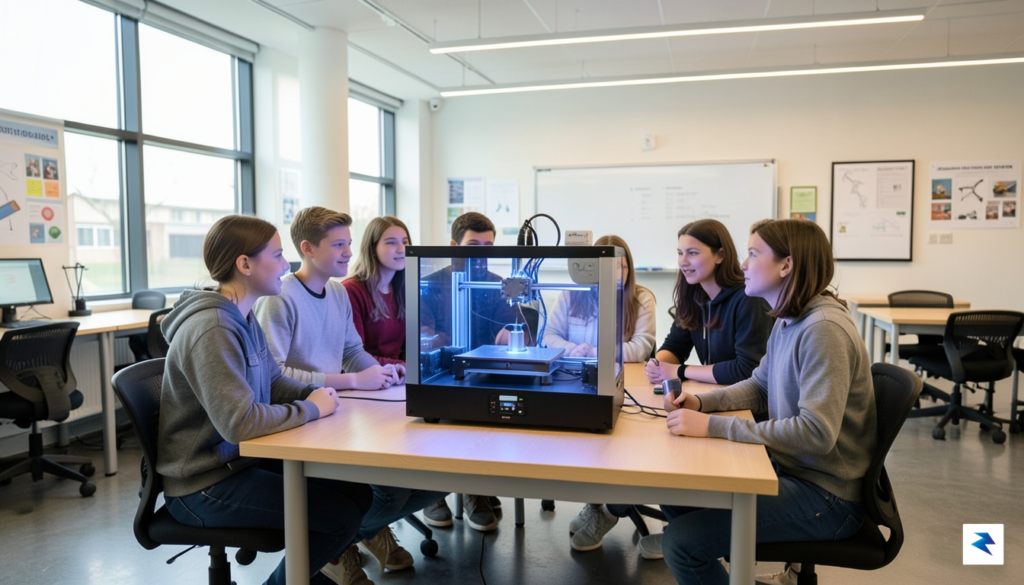
For modern educators, the 3D printer has evolved from a niche novelty into the cornerstone of the STEM laboratory. It serves as the primary bridge between abstract theoretical concepts and tangible, real-world engineering solutions. By integrating additive manufacturing into the curriculum, schools have empowered students to iterate through design failures in real-time, fostering a mindset of resilience and technical proficiency. Under the proposed restrictions of AB 2047, this vital feedback loop faces an abrupt disruption. When students are barred from direct interaction with manufacturing hardware, the classroom experience is inevitably relegated back to two-dimensional simulations, stripping away the tactile mastery that defines modern technical literacy and leaving the next generation of engineers ill-equipped for the demands of a high-tech workforce.
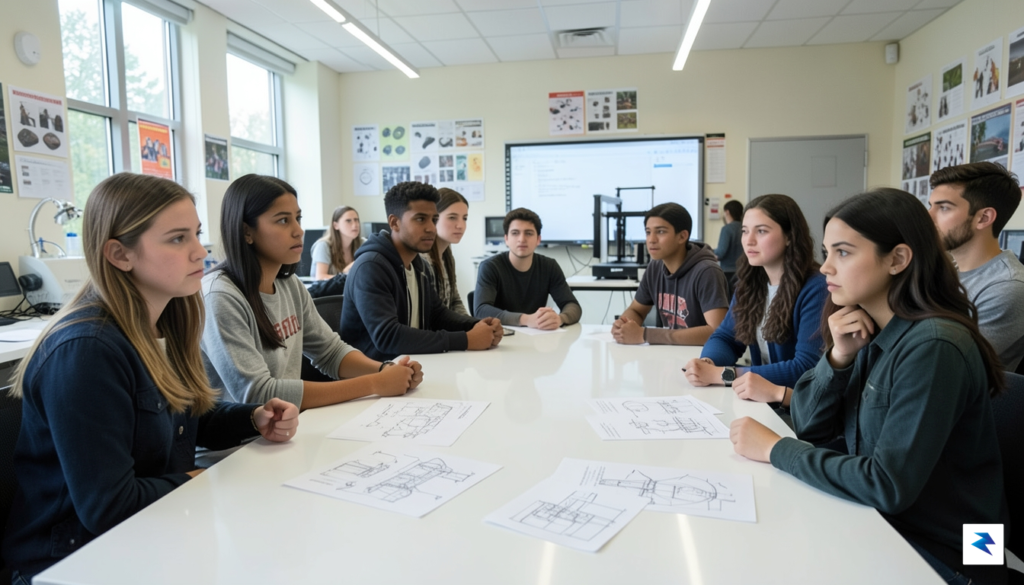
The logistical burden imposed by these regulations threatens to dismantle years of progress in school-based maker spaces. Beyond the immediate removal of hardware, the legislation creates a culture of administrative hesitation, where educators must navigate complex compliance hurdles just to facilitate basic learning modules. This uncertainty forces districts to prioritize risk aversion over academic enrichment, effectively sidelining the very tools that allow students to visualize complex geometries and mechanical assemblies. As schools grapple with these new constraints, the disparity in educational quality will widen; institutions without the resources to bypass or manage these regulatory burdens will be forced to abandon project-based learning, ultimately stifling the creative spark that drives scientific inquiry.
The restriction of 3D printing in educational settings is not merely a policy shift; it is a fundamental withdrawal of the tools required for twenty-first-century literacy. By limiting access, we are effectively telling students that the future of manufacturing is something to be observed from afar rather than something to be built and innovated upon within their own classrooms.
Furthermore, the long-term consequences of reduced student access to manufacturing tools extend far beyond the walls of the classroom. Innovation is rarely a linear process; it relies on the low-stakes experimentation that only personal access to rapid prototyping can provide. When students are denied the ability to print their own designs, they lose the opportunity to develop the essential spatial reasoning and iterative thinking skills that are mandatory in modern manufacturing, aerospace, and medical research fields. Educators are already sounding the alarm, warning of a chilling effect on creative learning where students may lose interest in pursuing STEM careers altogether if they cannot see their ideas manifested in physical form. By placing these technologies off-limits, we risk creating a generational gap in technical competence, fundamentally undermining the state’s long-standing position as a global leader in technological innovation.
Business and Industry Implications: Navigating New Compliance Hurdles
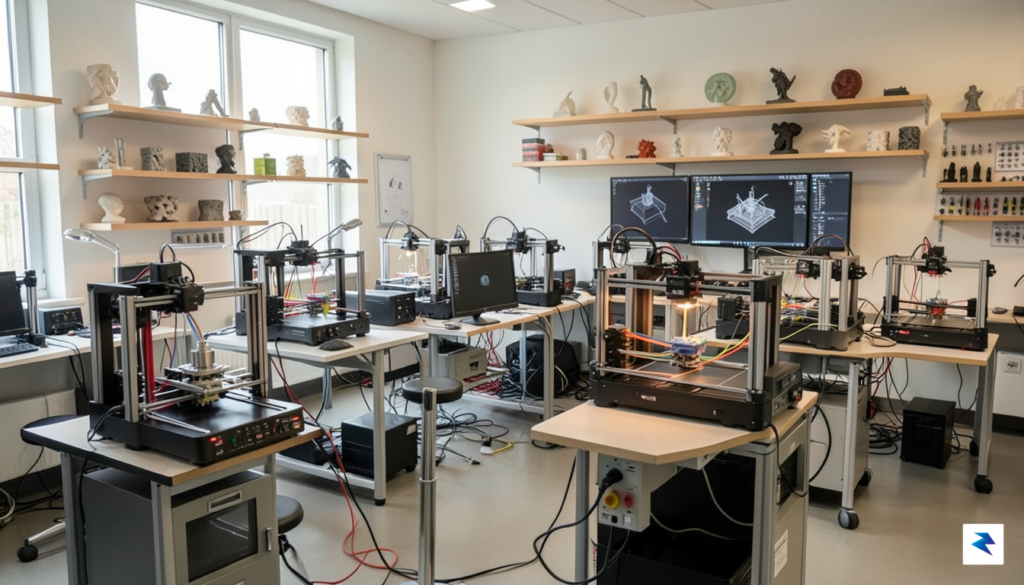
For California’s vibrant ecosystem of startups and small-to-medium enterprises, the introduction of AB 2047 represents a seismic shift in operational overhead. Rapid prototyping has long been the lifeblood of the state’s hardware innovation, allowing engineers to iterate on designs in hours rather than weeks. By introducing stringent compliance requirements and usage barriers for 3D printing technologies, the legislation inadvertently imposes a “stealth tax” on agility. Startups that once thrived on low-cost, in-house additive manufacturing must now navigate a labyrinth of regulatory hurdles, potentially forcing them to choose between expensive third-party certified services or the time-consuming process of retrofitting their existing hardware to meet new, rigorous safety standards.
The economic strain is particularly acute for bootstrapping ventures where every dollar is funneled into product-market fit. When compliance costs skyrocket, the natural tendency is to seek friendlier regulatory climates, a phenomenon that could lead to significant capital flight. As neighboring states and international tech hubs market themselves as “innovation-first” alternatives, California risks losing its competitive edge in hardware development. Companies that find their iterative workflows bottlenecked by these new restrictions may decide that the cost of doing business in the Golden State simply outweighs the proximity to venture capital and top-tier talent, leading to a potential exodus of engineering firms that rely heavily on rapid prototyping.
The true cost of AB 2047 is not just the price of compliance, but the loss of the “fail fast” culture that has historically defined California’s hardware success.
Furthermore, the friction introduced by this legislation creates a stark disparity in the professional landscape. While well-funded incumbents may have the legal and financial bandwidth to absorb these regulatory costs, smaller, early-stage startups are disproportionately affected. This environment forces a shift in strategy: instead of perfecting designs through iterative physical modeling, teams may be forced to rely more heavily on digital simulations or outsource their manufacturing entirely. While digital tools are powerful, they cannot always replicate the mechanical testing and material validation that physical prototypes provide. This shift risks slowing the pace of innovation, making the journey from concept to market significantly more arduous for the next generation of California entrepreneurs who lack the deep pockets of established industry giants.
Ultimately, the long-term impact of AB 2047 will likely be measured by the migration patterns of hardware startups. If the regulatory burden remains heavy, we may see a bifurcation in the industry: companies that stay in California will need to pivot toward software-only solutions or specialized, high-margin manufacturing, while the broader hardware prototyping sector finds a new home in regions that prioritize technological freedom. For a state that has long championed the “garage startup” ethos, this legislation serves as a sobering reminder of how quickly policy shifts can reconfigure the landscape of industrial evolution.
Safety vs. Accessibility: Analyzing the Legislative Intent

The core philosophy behind California AB 2047 rests on the premise that the rapid proliferation of 3D printing technology necessitates a more rigorous oversight framework to protect public health and safety. Proponents of the bill frequently point to the inherent risks associated with additive manufacturing, specifically the emission of volatile organic compounds (VOCs) and ultrafine particles that can be released during the heating of plastics like ABS or nylon. By restricting access to these machines within educational and professional environments, the legislation aims to mitigate long-term exposure risks for students and employees who may lack the necessary industrial-grade ventilation systems. In this light, the bill is framed as a proactive measure to prevent potential respiratory health crises before they become widespread within the state’s burgeoning maker ecosystem.
However, framing this issue solely through the lens of safety creates a significant tension with the fundamental goal of fostering technological innovation. Critics argue that the legislative approach to 3D printing often conflates the misuse of technology with the technology itself, potentially over-regulating an industry that is still in its infancy. When we restrict access to these tools in classrooms and small-scale business incubators, we inadvertently dampen the curiosity and skill acquisition that drive California’s reputation as a tech hub. The question then becomes whether the legislative path is truly the most effective mechanism for harm reduction, or if it serves as a blunt instrument that stifles the very progress it claims to protect.
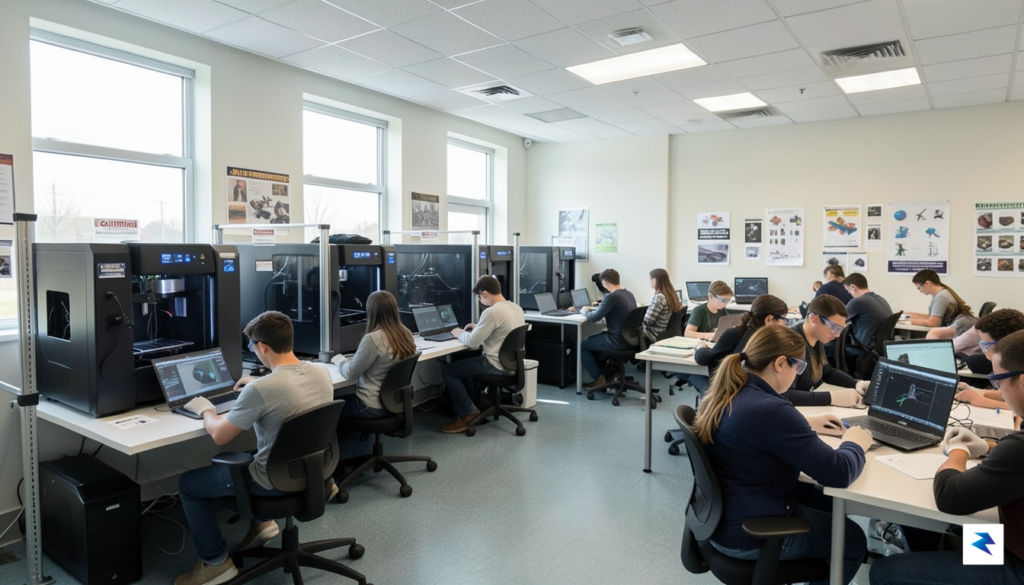
Legislative mandates should aim to support the responsible integration of new technologies rather than creating barriers that effectively freeze the learning curve for the next generation of innovators.
Ultimately, the debate over AB 2047 highlights a classic conflict: the desire to control environmental and physical risks versus the necessity of maintaining a competitive, accessible technological landscape. While concerns regarding air quality and machine operation are objectively valid, many experts suggest that industry-led standards or educational initiatives on proper ventilation and material safety might be more agile and effective than rigid state mandates. By imposing blanket restrictions, the bill risks pushing the 3D printing community into a “black market” of unauthorized use, where safety practices might actually be ignored rather than improved. A more balanced approach would likely involve targeted investments in safety infrastructure for schools and businesses, ensuring that the benefits of additive manufacturing remain accessible without compromising the health of the citizens using them.
What Comes Next: Advocacy and Adapting to the New Reality

For educators, entrepreneurs, and hobbyists currently grappling with the sudden constraints imposed by AB 2047, the immediate priority must be a balanced approach of strict compliance and proactive communication. While the legal landscape has shifted, institutions are encouraged to conduct a thorough audit of their existing 3D printing infrastructure to ensure that any current operations align with the new regulatory definitions. Maintaining meticulous records of equipment usage, safety protocols, and student certifications can serve as a vital buffer against unintended non-compliance. In the meantime, organizations should pivot toward digital design curricula that emphasize the theoretical aspects of additive manufacturing, ensuring that students continue to develop critical skills in CAD software and material science even if physical print output is temporarily curtailed.
Beyond internal adaptation, the most effective path forward lies in organized, community-led advocacy directed toward Sacramento. Policymakers are often unaware of the specific day-to-day educational and economic impacts of their legislative decisions, which is why individual testimonials carry significant weight. Educators and business leaders should draft detailed letters to their local representatives, providing concrete examples of how 3D printing serves as a gateway to STEM careers and innovation. By framing the conversation around the “innovation gap” created by these restrictions, stakeholders can lobby for targeted amendments or exemptions that allow for supervised, safe use within certified educational and professional environments.

The goal of advocacy is not merely to challenge the law, but to provide policymakers with the technical clarity necessary to distinguish between high-risk materials and the essential, safe tools required for modern workforce development.
Building a coalition is essential for long-term progress in this area. Industry professionals should consider joining or forming local advocacy groups that can pool resources for legal expertise and collective lobbying efforts. By speaking with a unified voice, the community can demand that future regulations be crafted with input from those who actually operate the technology, rather than relying on broad, blanket policies. Sustained engagement—through town halls, legislative hearing attendance, and consistent correspondence—is the only way to ensure that California remains a hub for technological advancement rather than a cautionary tale of over-regulation.
Ultimately, the future of 3D printing in California will be defined by how the community responds to these current obstacles. While the barriers imposed by AB 2047 are significant, they also present an opportunity to standardize safety protocols and formalize the industry’s role in public education. By prioritizing transparent communication with legislators and doubling down on the value proposition of additive manufacturing, stakeholders can work to restore access to these vital tools. The path ahead requires patience and persistence, but through collective action, it is possible to cultivate a regulatory environment that both protects public safety and fosters the next generation of technological creators.