
The Strategic Nexus: Meta, CRED, and the WhatsApp Evolution

Meta’s landmark $900 million investment into the Indian fintech powerhouse CRED marks a profound departure from the company’s traditional reliance on digital advertising. While Meta has long dominated the social media landscape, this infusion of capital signals a deliberate pivot toward building a multifaceted financial ecosystem. By aligning itself with CRED—a brand synonymous with high-end credit management and consumer loyalty—Meta is moving to secure a competitive foothold in the rapidly digitizing global economy. This is not merely a financial transaction; it is a calculated effort to weave complex transactional layers into the fabric of its most widely used platform, WhatsApp.

The core of this strategy lies in the evolution of WhatsApp from a basic messaging utility into a robust, all-encompassing commerce and payment gateway. For years, WhatsApp has served as the primary communication bridge for billions, yet its monetization potential has remained largely untapped compared to the core Facebook and Instagram platforms. By integrating the expertise of CRED’s founder and the platform’s sophisticated fintech infrastructure, Meta aims to transition users from simple text-based interactions to seamless, in-app financial experiences. This shift is essential for Meta as it seeks to diversify its revenue streams, moving away from a business model vulnerable to fluctuating advertising spend and toward a more resilient transaction-based model.
The integration of CRED’s ecosystem into WhatsApp represents the next frontier of the ‘super-app’ model, turning personal conversations into opportunities for secure, frictionless commerce.
Furthermore, the appointment of a seasoned fintech leader to spearhead WhatsApp’s evolution underscores the urgency of this transition. Meta recognizes that in markets like India, where mobile-first financial services are the standard, the path to dominance requires more than just connectivity; it requires trust and transactional utility. This move effectively positions WhatsApp as a direct competitor to established banking institutions and digital wallet providers. As Meta continues to integrate advanced payment features, the app is set to become the central nervous system for digital life, facilitating everything from peer-to-peer transfers to complex credit management and retail investments.
Ultimately, this $900 million bet is about securing Meta’s future relevance in an era where social media and financial services are increasingly converging. By embedding deep financial functionality into WhatsApp, Meta is ensuring that its users have fewer reasons to leave the ecosystem, thereby increasing daily engagement and long-term retention. As the boundaries between chatting, shopping, and banking continue to dissolve, Meta’s strategic partnership with CRED provides the technical and strategic maturity required to lead this shift on a global scale.
Kunal Shah’s Vision: Why Meta Tapped the Fintech Maverick

The appointment of Kunal Shah to spearhead WhatsApp’s strategic initiatives represents a seismic shift in how Meta views the future of its messaging flagship. Shah is not merely an entrepreneur; he is an architect of digital trust who transformed the landscape of Indian finance with CRED. By turning the mundane task of credit card bill payments into an aspirational, loyalty-driven experience, he demonstrated an uncanny ability to influence consumer behavior at scale. Meta’s decision to tap into this specific expertise suggests that WhatsApp is moving beyond simple peer-to-peer communication and into the complex world of high-velocity financial services.

Shah’s success with CRED was built on a foundation of proprietary infrastructure and a deep psychological understanding of high-intent users. While competitors focused on basic transaction facilitation, Shah prioritized the friction-less integration of credit, rewards, and lifestyle utility. This is the exact “missing link” WhatsApp needs to bridge the gap between being a messaging platform and becoming a universal financial utility. By leveraging Shah’s experience in building sticky, high-frequency engagement loops, Meta is positioning WhatsApp to capture deeper market share in emerging economies where financial inclusion and user loyalty are the primary barriers to widespread adoption.
“True financial innovation isn’t just about moving money; it is about creating a frictionless ecosystem where users feel empowered by their own data and creditworthiness.”
Beyond his technical acumen, Shah is expected to inject a distinct cultural shift into the WhatsApp product organization. His management style—often characterized by a relentless focus on “first-principles” thinking and a disdain for bloated corporate bureaucracy—could be the catalyst necessary to accelerate product iterations within Meta’s massive infrastructure. The goal is to shift the internal culture from a defensive posture of maintaining market dominance to an aggressive, startup-like pursuit of hyper-growth. This transition will likely involve:
- Democratizing Credit Access: Implementing scalable, data-driven lending models that utilize WhatsApp’s existing user metadata to assess risk and reward.
- Gamifying Loyalty: Introducing rewards-based ecosystems similar to the CRED model to keep users engaged within the app’s native payment interface.
- Seamless Infrastructure Integration: Reducing the friction between traditional banking rails and WhatsApp’s user-friendly interface to ensure that financial transactions feel as natural as sending a message.
Ultimately, Shah’s leadership indicates that Meta is no longer content with being the world’s most popular messaging app; they are aiming to become the central nervous system for digital commerce in emerging markets. By betting on a fintech maverick who understands how to build platforms that people actually enjoy using, Meta is signaling a move toward a future where WhatsApp serves as the primary gateway for everything from personal savings to micro-loans and retail shopping.
The Financial Infrastructure Play: Integrating Payments and Commerce
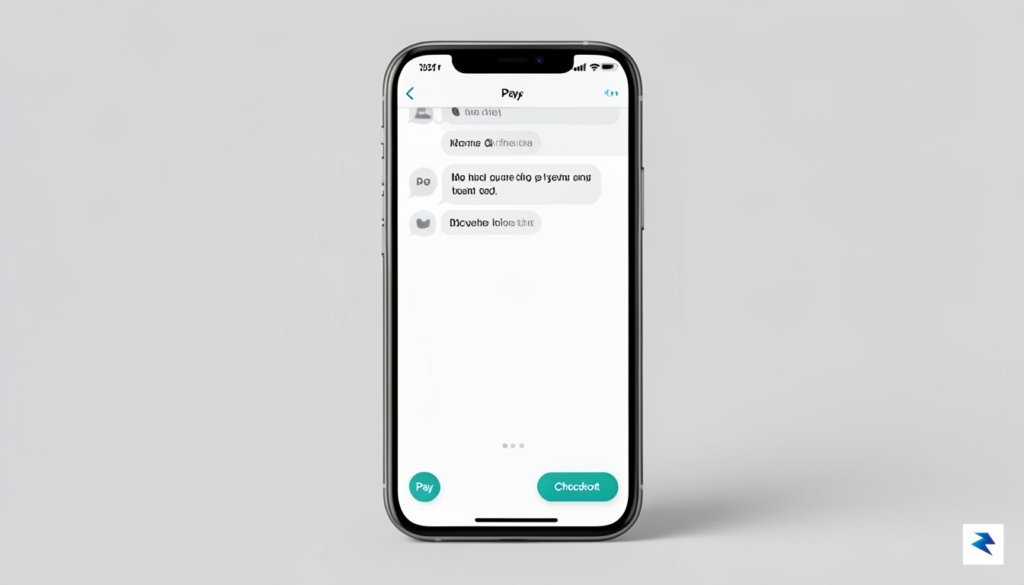
To successfully transition from a messaging utility into a global “super-app,” Meta faces the monumental task of weaving complex financial architecture into the conversational fabric of WhatsApp. The primary technical hurdle lies in maintaining a lightweight, low-latency user experience while managing the rigorous security and compliance protocols required for global banking. Integrating high-frequency transaction capabilities without bloating the application requires a modular backend, which is precisely where the strategic partnership with CRED comes into play. By leveraging CRED’s sophisticated infrastructure, WhatsApp can bypass the traditional friction of third-party redirects and banking API bottlenecks, creating a native environment where money moves as fluidly as text.
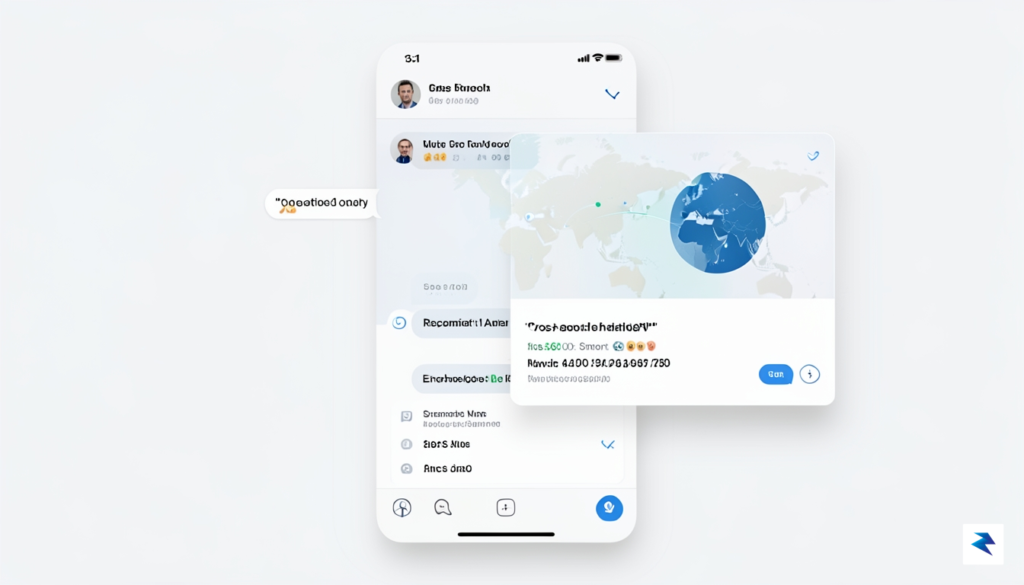
The vision for “Chat-to-Pay” is centered on eliminating the cognitive load currently associated with digital commerce. Currently, users are often forced to juggle multiple apps to verify identities, authorize payments, and confirm merchant orders; however, the CRED integration aims to collapse these disparate steps into a single, seamless interaction. By embedding advanced credit management and payment processing directly within the chat interface, Meta enables users to settle invoices, manage subscriptions, and complete merchant transactions without ever leaving the conversation. This level of integration transforms the app into a centralized financial hub, allowing for real-time tracking of personal finance metrics that were previously siloed in secondary applications.
The integration of fintech into messaging is not merely a feature update; it is a fundamental shift in how users perceive trust and utility within a digital ecosystem.
Beyond simple peer-to-peer transfers, this collaboration paves the way for sophisticated subscription-based models and automated financial management. Imagine a scenario where a user’s recurring utility payments or premium service subscriptions are managed via smart-contract-like triggers directly in a WhatsApp thread. Because CRED specializes in high-trust, high-engagement financial products, their expertise will likely be used to build a robust safety layer for cross-border commerce, ensuring that international transactions are as secure and transparent as domestic ones. This infrastructure play essentially turns WhatsApp into a gateway for digital commerce, positioning Meta to capture a significant share of the global fintech market by making sophisticated financial tools accessible to the average smartphone user.
- Frictionless UX: Eliminating the need to switch between apps for payment authorization.
- Scalable Infrastructure: Utilizing CRED’s backend to handle massive transaction volumes with minimal latency.
- Trust-Centric Payments: Implementing institutional-grade security for global merchant and cross-border transactions.
- Embedded Finance: Bringing credit management and subscription services into the conversational flow.
Market Implications: Scaling WhatsApp in the APAC Region

The Indian subcontinent has emerged as the definitive crucible for Meta’s global fintech ambitions, primarily because it hosts the largest WhatsApp user base in the world. By treating India as a high-stakes laboratory, Meta is leveraging the country’s advanced digital infrastructure—most notably the Unified Payments Interface (UPI)—to refine a super-app model that could eventually redefine the company’s revenue streams worldwide. The sheer volume of daily transactions in the APAC region provides a massive, real-world data set that is simply unavailable in Western markets, where digital payment ecosystems are often fragmented or legacy-dependent. Consequently, the success of WhatsApp Pay in India serves as the ultimate proof-of-concept for whether Meta can transition from a social networking giant into a dominant financial services utility.

To succeed in this environment, Meta must navigate an exceptionally competitive landscape dominated by entrenched players like Paytm and PhonePe. These platforms have already achieved deep market penetration, having successfully digitized everything from street-side vegetable vendors to complex utility bill payments. Meta’s strategy, now bolstered by the appointment of a seasoned fintech visionary, appears to be focused on lowering friction for the average consumer. By integrating payments directly into the messaging interface, Meta aims to bypass the need for standalone banking apps, essentially turning every chat thread into a potential point of sale. This approach is not merely about facilitating peer-to-peer transfers; it is about embedding commerce into the fabric of daily communication.
The integration of fintech within the world’s most popular messaging app represents the next frontier of digital inclusion, potentially unlocking billions of dollars in economic activity for the APAC region’s underserved populations.
The implications for local Small and Medium-sized Enterprises (SMEs) are profound, as this shift promises to democratize access to digital commerce. For many small business owners across the APAC region, the barrier to entry for e-commerce has historically been high, involving complex web hosting or high-commission marketplace fees. By utilizing WhatsApp’s massive reach, these merchants can set up “digital storefronts” within their chat profiles, allowing customers to browse catalogs, place orders, and finalize payments without ever leaving the conversation. As Meta scales this infrastructure, we can expect a significant acceleration in the formalization of the informal economy. If this blueprint succeeds in the complex, high-volume environment of India, it provides a replicable, battle-tested framework for Meta to challenge fintech incumbents in other emerging markets across Southeast Asia and beyond.
The Future of Messaging Apps: Beyond Communication into Super-App Territory

The evolution of digital interaction is rapidly converging toward a singular point: the super-app. By integrating financial services directly into the fabric of daily communication, platforms like WhatsApp are moving beyond their roots as simple messaging utilities to become the primary operating systems for our personal lives. This transition is not merely a feature update; it represents a fundamental shift in how we perceive digital trust. As Meta integrates leadership with a proven track record in fintech, the boundary between a casual conversation with a friend and executing a high-stakes financial transaction is destined to vanish entirely.
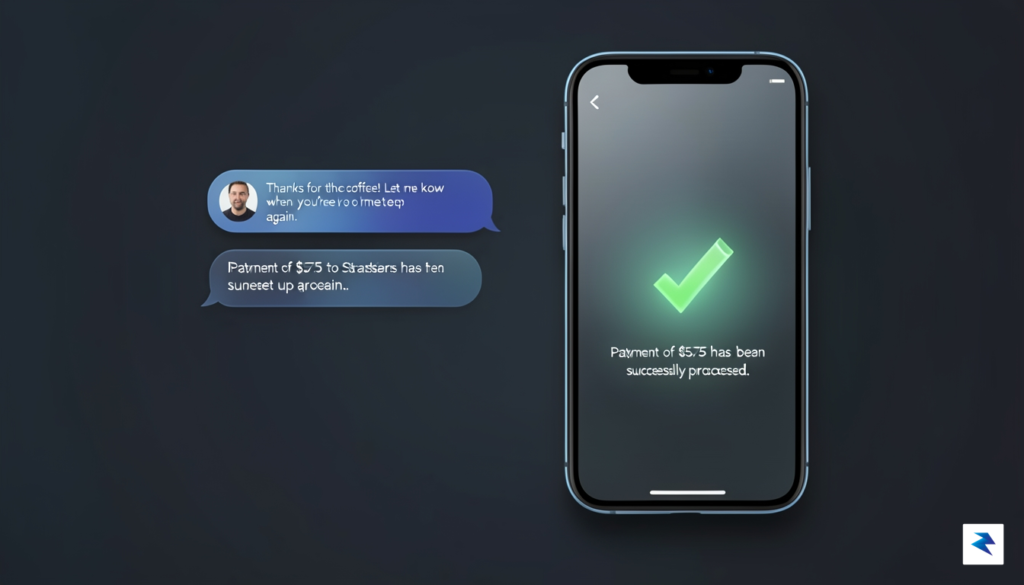
However, this ambitious trajectory is fraught with significant friction, particularly regarding data privacy and regulatory scrutiny. For WhatsApp to succeed, it must navigate the precarious balance between the convenience of integrated banking and the ironclad security users expect from their private messages. Regulatory bodies across the globe are increasingly wary of “walled garden” ecosystems that centralize financial power within a single social media conglomerate. To gain the public’s trust, Meta will need to implement transparent, decentralized security protocols that prove financial data remains siloed from the personal communication data that drives their advertising business.
The true measure of a super-app is not the number of features it packs into a single interface, but the degree to which it can simplify complex financial life without compromising the sanctity of user privacy.
The rewards for cracking this code are immense, potentially transforming WhatsApp into the most essential utility on the modern smartphone. If Meta can successfully merge the frictionless user experience of a top-tier fintech app with the massive, existing social graph of its messaging platform, they will effectively create an inescapable digital ecosystem. Users would benefit from near-instant, zero-fee transfers and integrated financial management tools that reside where they already spend their digital time. Ultimately, the transition to a super-app is the inevitable destination for platforms of this scale, provided they can prove to both regulators and users that they are as secure as a traditional bank while remaining as intuitive as a text message.
Looking ahead, the success of this strategy hinges on the ability to cultivate deep institutional trust. While the technical infrastructure is certainly within reach, the cultural shift required for users to view a messaging app as their primary financial hub is a significant hurdle. If Meta manages to navigate these complex waters, the result will be a new paradigm of digital existence where the friction of daily life—paying bills, investing, or sending money—becomes as effortless as sending a photo. This is the new frontier of the digital economy, and it is set to redefine the relationship between global technology giants and the individuals they serve.