
Tata Electronics Data Breach: What You Need to Know About the Leak
Understanding the Scope of the Tata Electronics Data Breach The recent security failure at Tata Electronics has sent shockwaves through the…


We are currently living through the most prolific era of documentation in human history, yet we are simultaneously presiding over a silent catastrophe: the rapid disintegration of our digital heritage. Every day, exabytes of information are generated, ranging from personal photographs and essential research to institutional records, all stored within a fragile ecosystem of hardware and software. This phenomenon, often referred to as “bit rot,” represents the gradual decay of digital data due to storage media degradation, format obsolescence, and the loss of the specialized software required to interpret complex file structures. Unlike a physical manuscript that can be read with the naked eye centuries after its creation, a digital file is merely a stream of binary code that requires an increasingly complex stack of technology to decode.
Current industry standards, such as JPEG, PDF, or proprietary document formats, were never designed with the intention of lasting a century. These formats are often burdened by bloated specifications, reliance on shifting metadata standards, and deep integration with specific software suites that may not exist in a few decades. When the companies behind these formats pivot their business models or cease support for their legacy tools, the files they once powered risk becoming unreadable “black boxes.” This lack of long-term stability forces users into a perpetual cycle of file migration, where data must be constantly updated to newer, yet equally transient, formats. Each migration introduces the risk of data loss, corruption, or the stripping of critical metadata, leaving us with a fragmented record of our digital lives.
To address this systemic vulnerability, the F3 initiative has emerged as a revolutionary approach to data preservation. Unlike traditional formats that prioritize feature density and proprietary control, F3 is fundamentally built on the pillars of transparency, simplicity, and extreme portability. By stripping away unnecessary complexity, the format ensures that the underlying data remains accessible to future generations, regardless of the operating system or hardware environment they might inhabit. F3 serves as an open-source, community-driven alternative that treats data longevity as a primary engineering requirement rather than an afterthought. By adopting a design philosophy that favors human-readable structures and standardized, stable encoding, F3 provides a reliable anchor in an increasingly volatile digital sea.
The true measure of a file format’s success is not its ability to perform today, but its capacity to remain accessible and meaningful one hundred years from now, long after the software that created it has vanished.
Choosing a path toward permanence requires us to move away from the convenience of proprietary ecosystems and toward formats that respect the longevity of information. The F3 initiative is more than just a new way to package bits; it is a commitment to ensuring that our collective history does not succumb to the ephemeral nature of modern technology. By embracing an open, immutable, and simplified standard, we can finally begin to build a digital library that stands the test of time, ensuring that the stories and data we value most remain intact for centuries to come.
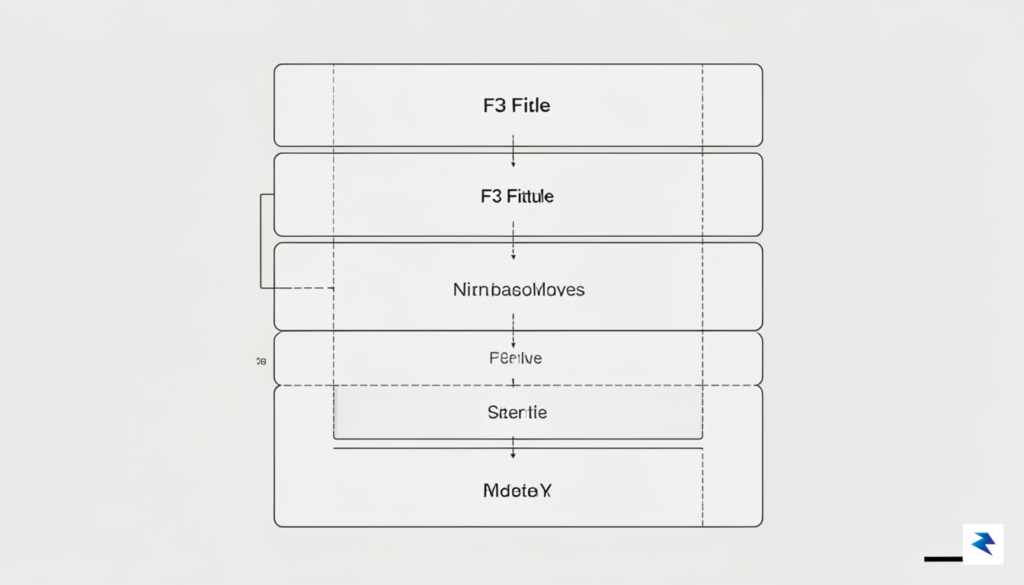
The core philosophy behind F3 is rooted in a fundamental skepticism toward the “black box” nature of modern proprietary data formats. In an era where digital decay is a silent, creeping threat, F3 asserts that if you cannot easily read a file specification, you cannot guarantee that the data it contains will survive the next decade. By prioritizing human-readable headers and a transparent, logical layout, F3 removes the barriers between the user and their content. This architectural choice is not merely an aesthetic preference; it is a defensive strategy designed to ensure that even in the absence of specialized software, the data remains interpretable by anyone with a basic understanding of text encoding.
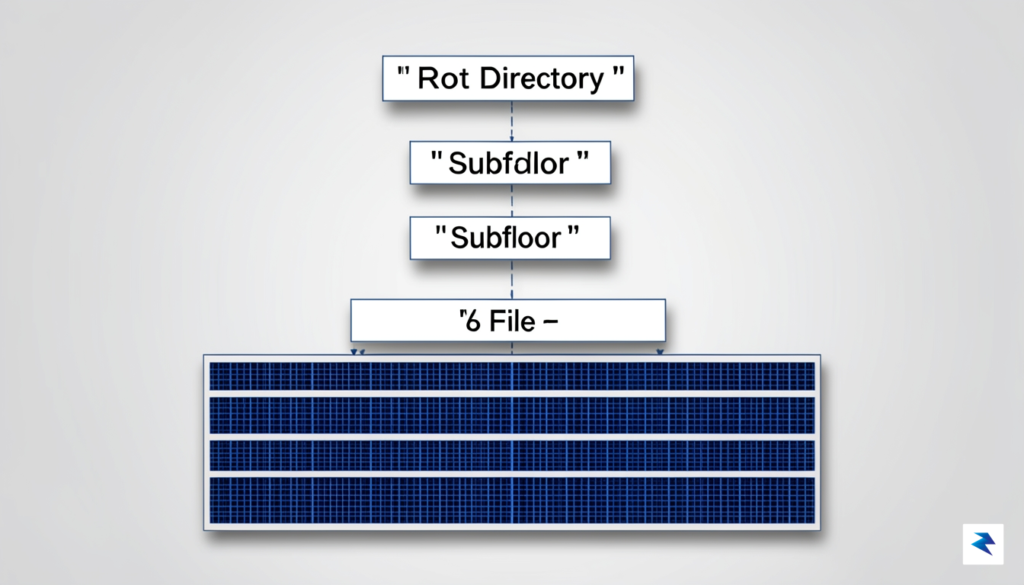
At the technical level, F3 implements a strictly modular design that decouples metadata from raw payload data. This separation is crucial because it allows the format to remain inherently resilient to corruption. If a specific block of data within an F3 file is compromised or partially overwritten, the surrounding structure remains intact, allowing recovery tools to bypass the damage and salvage the remaining information. This is a significant departure from monolithic binary formats, which often rely on complex, interdependent pointers that can render an entire file unreadable if just a few bytes are flipped or misplaced. By opting for a modular approach, F3 ensures that failure is localized rather than catastrophic.
“The longevity of information is directly proportional to the simplicity of the architecture that holds it.”
Furthermore, the design of F3 is governed by a rigid commitment to backward compatibility, ensuring that files created today will be functionally accessible by future iterations of the standard. This is achieved by embedding versioning markers directly within the header, allowing software to gracefully handle legacy structures without forcing a conversion that could introduce errors or data loss. By avoiding overly complex compression algorithms or obfuscated encryption schemas that require specific hardware keys, F3 keeps the barrier to entry low. Developers can easily build parsers for the format, and users can rest assured that their archives are not locked behind the walls of a single, potentially defunct software application.
Ultimately, this format represents a shift away from the complexity that defines so much of today’s digital infrastructure. By embracing a structure that is as clear as it is durable, F3 provides a reliable vessel for information. Whether it is used for personal archives or long-term institutional storage, the format guarantees that the data remains the priority, stripping away the unnecessary layers of “black box” complexity that often lead to the obsolescence of digital files. Through this lens, F3 is not just a format, but a standard for digital preservation that respects the user’s right to their own data.
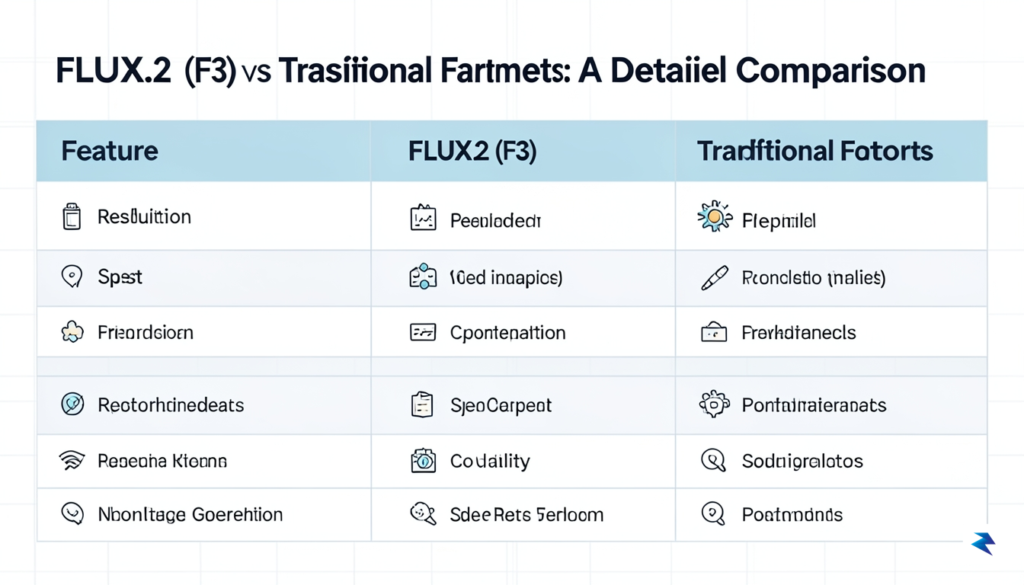
The digital landscape is currently littered with the digital equivalents of crumbling parchment: file formats that were once industry standards but have since become virtually unreadable due to layers of bloated, proprietary, or abandoned legacy code. As software ecosystems evolve at a breakneck pace, the technical debt accumulated by decades-old formats creates a significant barrier to preservation. When a format relies on obscure dependencies or closed-source specifications, the moment its parent company ceases support or updates, the data within becomes effectively trapped behind an impenetrable wall. We are currently facing a silent crisis where the tools required to interpret our own history are vanishing, leaving behind corrupted or inaccessible archives that no longer serve their intended purpose.
F3 represents a definitive departure from this cycle of obsolescence by establishing a unified, future-proof baseline designed specifically for long-term archival integrity. Unlike legacy formats that prioritize feature sets over longevity, F3 focuses on structural simplicity and universal interpretability. By stripping away the unnecessary technical overhead that plagues modern file types, F3 ensures that the data is not just stored, but remains actively accessible regardless of the hardware or operating system being utilized. This approach acknowledges that the best archival format is one that is simple enough to be documented and reconstructed by future generations without needing a complex, proprietary software suite to bridge the gap.
The longevity of digital information is not determined by the complexity of its features, but by the transparency and accessibility of its underlying architecture.
Central to the resilience of F3 is its commitment to open-source licensing, which is a non-negotiable requirement for data survival in the twenty-first century. When a file format is locked behind intellectual property barriers, its lifespan is tethered to the commercial viability of a single entity. In contrast, an open-source standard invites community scrutiny, regular updates, and broad implementation, ensuring that the specification remains a living document rather than a static relic. By leveraging these collaborative development models, F3 avoids the pitfalls of proprietary “black box” formats that have historically left archivists and historians scrambling to recover data from defunct software platforms.

Ultimately, the market gap for a solution like F3 has widened as our reliance on digital preservation has grown. Organizations, researchers, and individuals are tired of format migration—the costly and risky process of moving data from one dying format to the next every few years. F3 addresses this by providing a reliable, stable foundation that does not require constant intervention to stay compatible. It is built upon the lessons learned from the failures of its predecessors, transforming the chaotic approach of the past into a streamlined, durable framework that treats archival data as a permanent asset rather than a temporary burden.

At its core, F3 represents a paradigm shift in how we approach digital preservation by prioritizing structural integrity over the aggressive compression techniques that define many legacy formats. While modern formats often sacrifice structural transparency to squeeze out extra megabytes, F3 adopts a philosophy where simplicity acts as a safeguard against the inevitable entropy of digital storage. By stripping away complex, multi-layered compression algorithms, F3 minimizes the “surface area” for potential decoder bugs, ensuring that the software required to read your files decades from now remains lightweight, easily auditable, and inherently reliable.
One of the most significant technical advancements in F3 is its defensive file header design, which is engineered to survive partial corruption. Unlike legacy formats that store critical metadata in volatile, highly compressed blocks that can render a file unreadable if a single bit flips, F3 utilizes a redundant, distributed metadata structure. This design allows recovery tools to reconstruct the file’s primary attributes even if significant portions of the internal data have been compromised. Consequently, a bit-flip in the middle of a file no longer threatens the entire archive; instead, the format isolates the damage, allowing the rest of the content to remain accessible without specialized repair suites.
Simplicity is not merely a stylistic choice in data architecture; it is the ultimate form of robustness against the unpredictable nature of bit rot and long-term storage degradation.
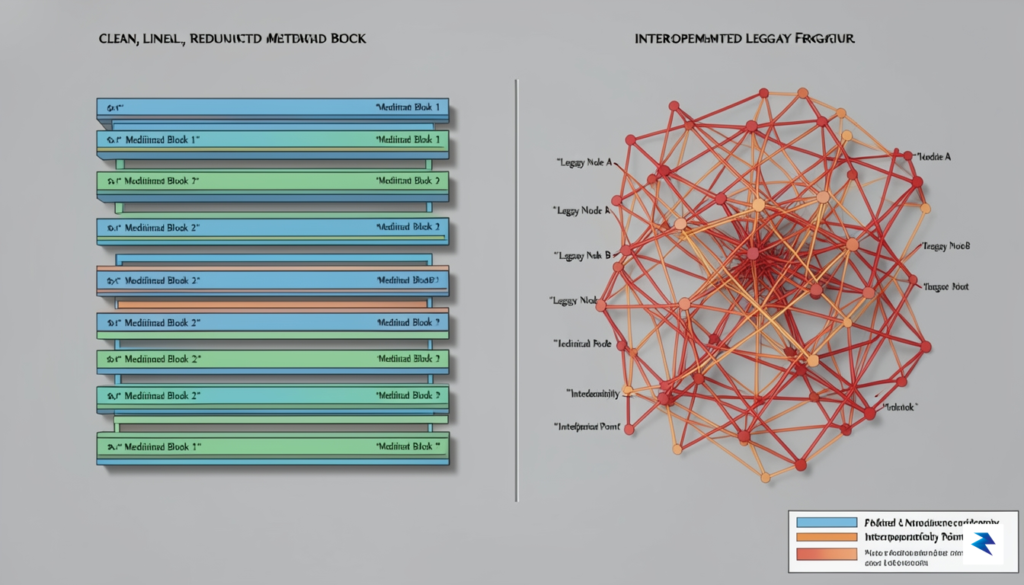
Furthermore, F3 intentionally avoids the “hidden dependencies” that plague older formats, such as reliance on external codecs, proprietary plugins, or obscure libraries that frequently vanish as technology evolves. By embedding all necessary structural definitions directly within the file specification and utilizing a modular, self-contained architecture, F3 ensures that the format is entirely self-describing. This means that a developer writing a reader for F3 in twenty or thirty years will not need to hunt down legacy documentation or orphaned software libraries to interpret the byte stream correctly.
Beyond its structural design, the format incorporates native error-correction protocols that treat data integrity as a first-class citizen rather than an afterthought. By integrating these verification checks directly into the container layer, F3 can verify its own state during routine archival audits, automatically identifying and flagging potential issues before they cascade into total data loss. This proactive approach to maintenance, combined with a rigid, predictable layout, makes F3 the most reliable choice for anyone tasked with the heavy responsibility of preserving digital assets for the long haul.

While the technical architecture of F3 represents a significant leap forward in digital preservation, the transition from a novel format to a universal standard is rarely a purely technical endeavor. The primary hurdle facing widespread adoption is not the integrity of the code, but the inertia of established archival workflows. For any format to achieve longevity, it must be supported by a robust ecosystem of tools, including viewers, validators, and conversion utilities that integrate seamlessly into the daily operations of libraries, museums, and private archives. Without widespread compatibility, even the most resilient file format risks becoming an island of data that is difficult to access, effectively defeating the purpose of long-term preservation.

To overcome these barriers, the roadmap for F3 emphasizes a community-driven approach that prioritizes interoperability and open-source accessibility. By fostering an environment where developers can easily contribute to the codebase, we ensure that the format evolves in response to real-world archival needs rather than theoretical requirements. This collaborative spirit is essential for building the plugins and software bridges necessary for legacy systems to recognize and parse F3 files. Furthermore, the goal is to secure support from major institutional repositories, as their backing provides the necessary legitimacy for F3 to be viewed as a trusted, permanent solution for digitizing everything from historical manuscripts to modern scientific datasets.
Integrating F3 into large-scale archival systems requires a concerted effort to demonstrate its reliability over existing, aging formats. This involves rigorous stress-testing and the creation of standardized documentation that helps archival professionals understand the long-term benefits of migrating to a format designed specifically for the digital age. Success in this area will depend on:
The true test of a preservation format lies in its ability to be read by machines that have not yet been invented; F3 addresses this by prioritizing simplicity, transparency, and architectural stability above all else.
Looking further ahead, the long-term vision is for F3 to serve as a universal substrate for human knowledge. As we continue to refine the format, our focus remains on ensuring that it remains lightweight enough for personal use while possessing the structural depth required by national archives. By building a community that values openness and sustainability, we are not just creating a new file extension; we are developing a reliable bridge to the future, ensuring that the digital artifacts of today remain legible and accessible for generations to come.
You must be logged in to post a comment.