Introduction: The Hidden Layers of Tropical Ecosystems
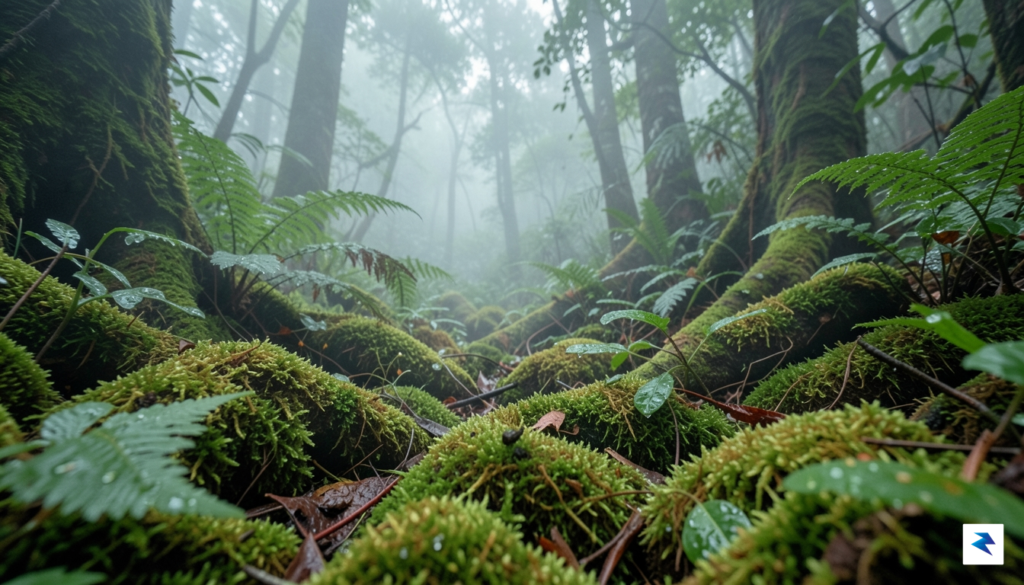
To the untrained eye, the tropical rainforests of Borneo appear as serene, emerald cathedrals, teeming with vibrant life and bathed in a tranquil, filtered light. However, beneath this lush canopy lies a biological arena of unrelenting intensity, where every square inch of bark and leaf serves as a stage for a high-stakes drama of survival. This is not merely a collection of flora and fauna living in harmony; it is a cutthroat, multi-layered battleground defined by ruthless competition and highly specialized evolutionary warfare. In this dense, humid labyrinth, the struggle for existence has driven organisms to develop strategies that are as ingenious as they are chilling, pushing the boundaries of what we consider typical natural behavior.
The complexity of these ecosystems relies on a delicate, albeit brutal, balance of power. For generations, biologists have marveled at the parasitic relationships that dominate the forest floor and the upper canopy, where fungi and insects engage in a relentless struggle for dominance. Some of these organisms have evolved to hijack the nervous systems of their hosts, effectively turning them into “zombies” that serve the needs of a fungal master. This interaction has long been viewed as the pinnacle of evolutionary ruthlessness—a final, inescapable sentence for the unfortunate host. Yet, recent scientific forays into the heart of Borneo have revealed that even these formidable masters of manipulation are not immune to the laws of the jungle.
In nature, there is no ultimate predator; there is only a sequence of checks and balances where every specialized strategy eventually meets a counter-strategy.
It turns out that the hierarchy of survival is far deeper than researchers once dared to imagine. New evidence suggests that the very fungi designed to dominate their hosts are themselves being targeted by hyper-parasites—organisms that specialize in colonizing and consuming the parasites that hunt the insects. This “parasite of parasites” phenomenon fundamentally shifts our understanding of tropical ecology, suggesting that the rainforest operates on a recursive loop of predation that never truly ends. By studying these hidden layers, we are beginning to see that the forest is not just a collection of species, but a complex, interconnected web where every survival mechanism is countered by an equally sophisticated threat, ensuring that no single organism ever truly gains total control over the ecosystem.
The Zombie Ant Phenomenon: Nature’s Most Famous Puppeteer
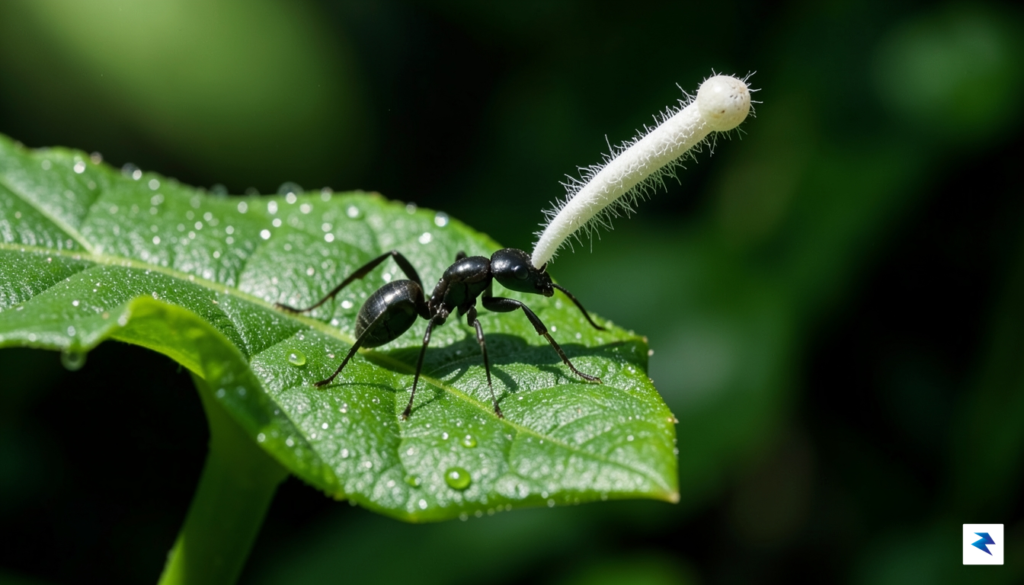
In the dense, humid canopy of tropical rainforests, the genus Ophiocordyceps reigns as one of the most chilling examples of evolutionary adaptation. Often referred to as “zombie-ant fungi,” these organisms have evolved a sophisticated and brutal life cycle that turns an unsuspecting worker ant into a vessel for fungal reproduction. The process begins when microscopic fungal spores attach to the ant’s exoskeleton, eventually penetrating the protective shell to reach the internal tissues. Once inside, the fungus does not merely consume the host; it systematically hijacks the ant’s biological functions to dictate its every move, ensuring the parasite reaches the optimal environment for its own growth.
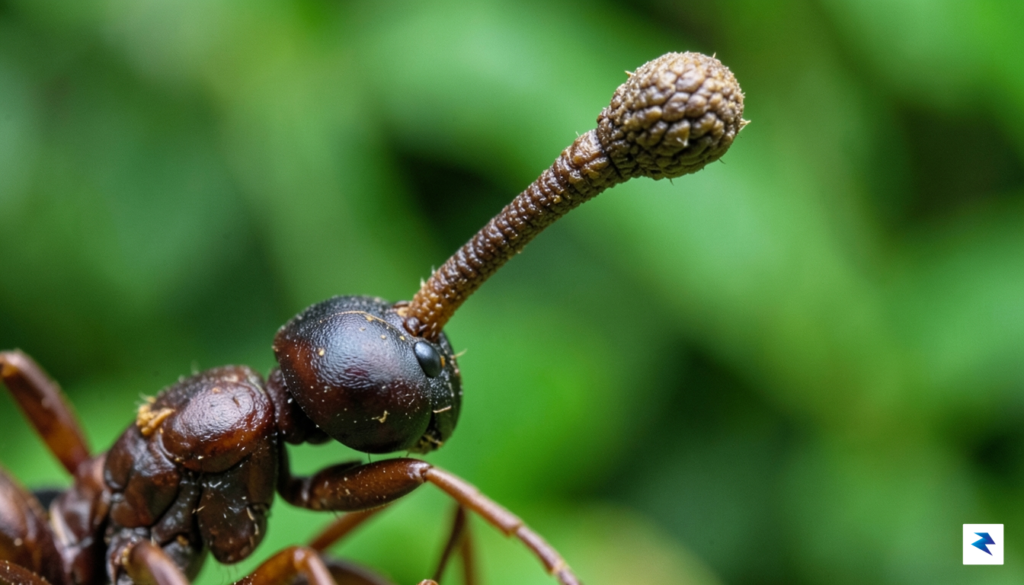
The physiological mechanism behind this mind control is nothing short of a biological masterpiece. Research suggests that the fungus secretes a cocktail of bioactive compounds that infiltrate the ant’s central nervous system, effectively bypassing the host’s own behavioral instincts. Rather than killing the ant immediately, the parasite forces the host to climb to a specific height above the forest floor—a microclimate characterized by the precise humidity and temperature ranges required for fungal development. Once the ant latches its mandibles onto a leaf or twig in a “death grip,” the fungus consumes the remainder of the host’s internal organs before erupting through the base of the skull to release a new generation of spores into the air below.
The manipulation of the host is so precise that the fungus ensures the ant perches in a location where the cascading spores can infect as many foragers as possible, maximizing the reach of the next generation.
Beyond its morbid fascination, the Ophiocordyceps fungus plays a vital role in maintaining the ecological balance of rainforest ecosystems. By acting as a natural population controller, these fungi prevent any single ant colony from expanding to a size that might destabilize the local food web. If an ant population were to grow unchecked, it could decimate local insect or plant life, leading to a collapse of biodiversity. Consequently, the fungus serves as a critical check and balance, culling the population from within and ensuring that no single species dominates the forest floor. This complex interplay between parasite and host highlights the intricate web of life, where even the most terrifying survival strategies are essential threads in the fabric of a healthy, functioning environment.
A Discovery in Borneo: The Parasite of Parasites
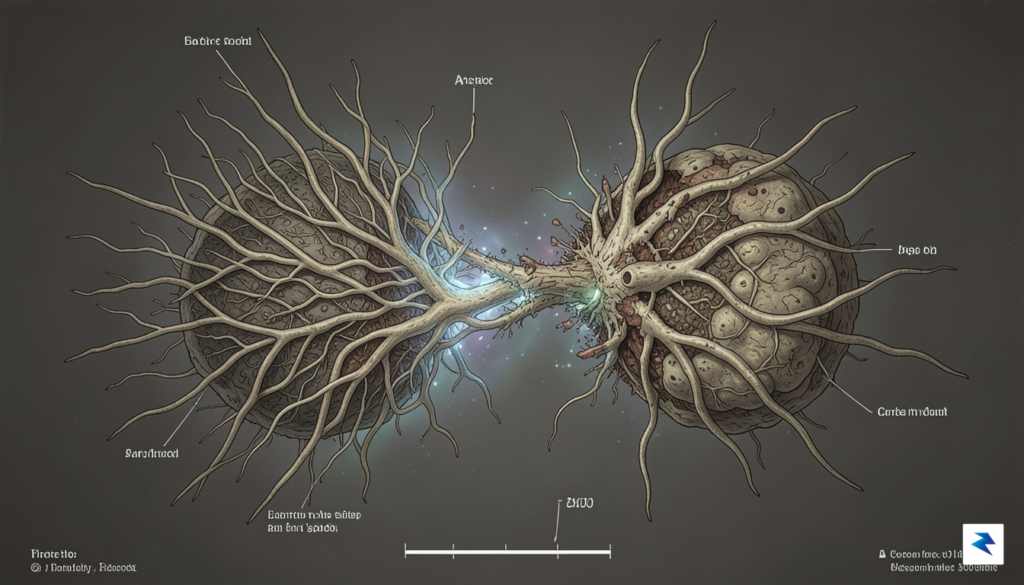
Deep within the humid, verdant canopy of Borneo’s tropical forests, researchers have stumbled upon a biological phenomenon that feels plucked from the pages of science fiction: a “parasite of parasites.” For years, scientists have documented the terrifying efficiency of Ophiocordyceps, the infamous “zombie fungus” that hijacks the nervous systems of ants, compelling them to climb to elevated positions before erupting from their bodies to spread spores. However, recent expeditions into the Bornean wilderness have revealed that these puppet-master fungi are not as invincible as they once seemed. A newly identified species of fungus has evolved specifically to hunt the hunters, effectively acting as a natural check on the population of zombie-making pathogens that haunt the forest floor.
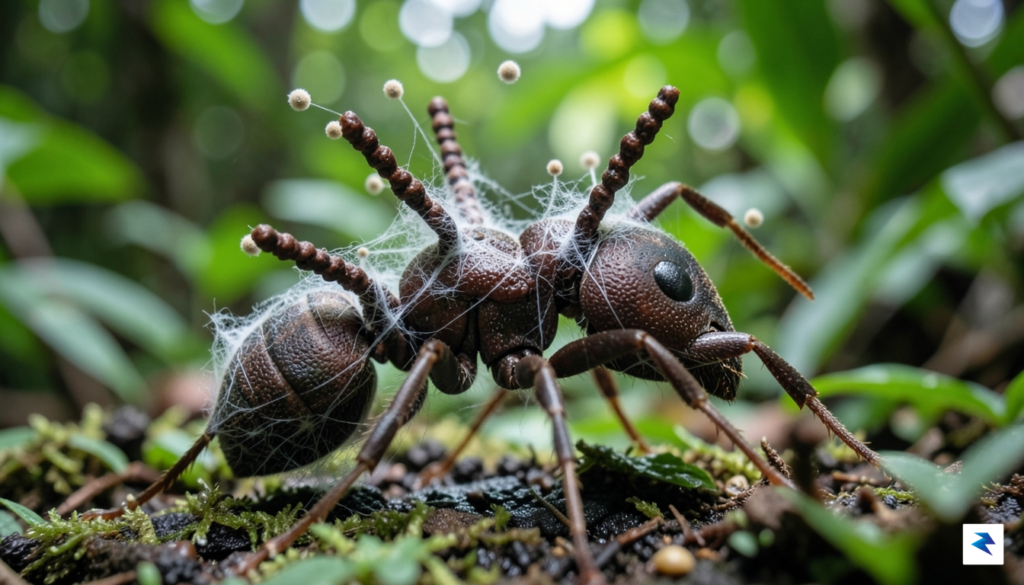
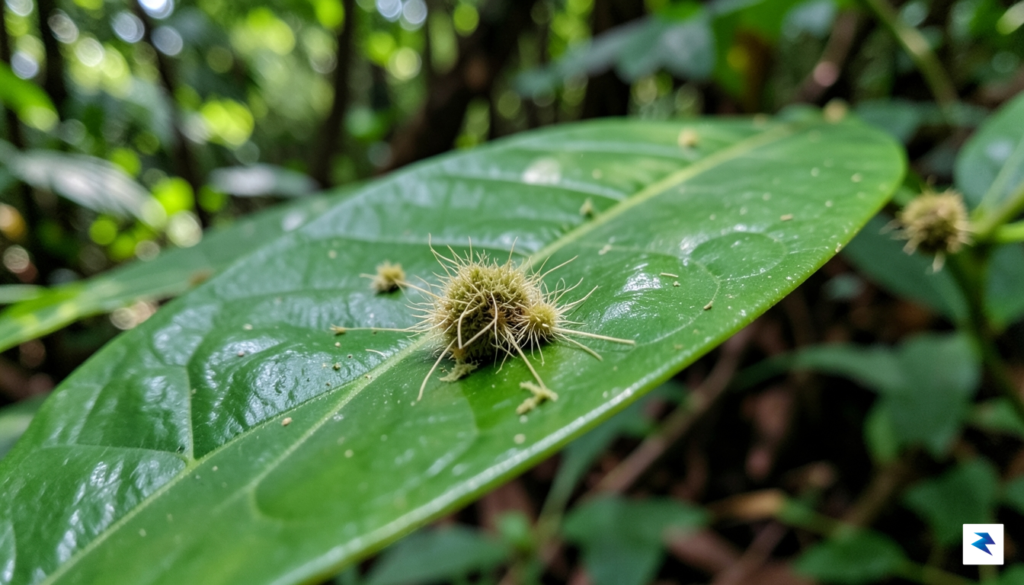
The discovery process was a meticulous feat of field biology, requiring researchers to spend countless hours scouring the undergrowth for the telltale, macabre silhouettes of infected ants. Upon closer inspection of these “zombie” specimens, the team noticed that many of the fungal stalks—the structures responsible for releasing infectious spores—were covered in a strange, white, powdery growth. Genetic analysis and morphological studies confirmed that this was not merely a secondary infection, but a specialized hyperparasite that has honed its life cycle to exploit the zombie fungus. Unlike typical decomposers that might feed on a dead host, this hyperparasite targets the fruiting bodies of the Ophiocordyceps itself, essentially sterilizing the zombie fungus before it can unleash its next wave of devastation upon the ant colony.
This hyperparasitic relationship serves as a sophisticated biological feedback loop, preventing any single species of zombie fungus from completely wiping out its host ant population.
The behavior of this new fungal species is as calculated as it is fascinating. Rather than killing the host ant prematurely, the hyperparasite focuses its energy on consuming the reproductive organs of the zombie fungus. By colonizing the stalk—the very part of the fungus that acts as a spore-launching catapult—the hyperparasite effectively renders the zombie fungus impotent. The host ant remains alive just long enough for the hyperparasite to complete its own development, ensuring that the next generation of the parasite is positioned perfectly to intercept the next potential outbreak. This delicate, multi-layered struggle for survival highlights the incredible complexity of jungle ecosystems, where even the most fearsome predators are subject to their own set of hidden, microscopic enemies.
The Evolutionary Arms Race: Hyperparasitism Explained

At its core, hyperparasitism represents one of nature’s most intricate biological feedback loops—a literal “Russian nesting doll” of exploitation where a parasite infects a host that is already serving as a parasite to another organism. While the concept of a single parasite leeching nutrients from a primary host is well-documented, hyperparasitism elevates this relationship into a complex, multi-tiered ecological struggle. Historically, biologists have viewed these interactions as a form of natural “biological control,” where the hyperparasite acts as a regulatory force, preventing the primary parasite from overwhelming the host population. By targeting the exploiters, these organisms occupy a niche that is as perilous as it is specialized, requiring them to navigate the defenses of not one, but two distinct biological systems simultaneously.
The energy trade-offs inherent in this lifestyle are staggering, as hyperparasites must derive all necessary sustenance from an intermediary that is, by definition, already draining resources from a primary source. This creates a precarious nutritional bottleneck; if the primary parasite fails to successfully extract enough energy from the host, the hyperparasite faces immediate starvation. Consequently, these organisms have evolved highly refined physiological mechanisms to detect and hijack the chemical signals of their “prey.” Rather than seeking out a standard host, they must wait for the primary parasite to establish its own infection, essentially outsourcing the labor of host-finding and initial tissue penetration to the very organism they intend to consume.
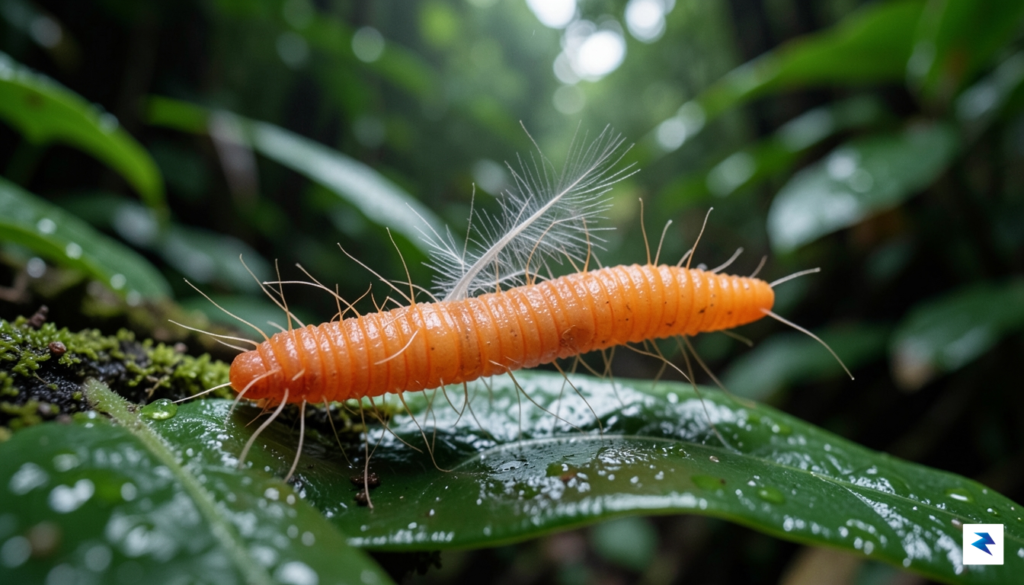
The success of a hyperparasite hinges on its ability to turn the primary parasite’s own biological infrastructure into a delivery mechanism for its own spores or offspring.
In the dense, competitive canopy of tropical forests like those in Borneo, the selection pressures favoring such extreme specialization are immense. The sheer biodiversity of these regions creates a hyper-saturated environment where space and nutrients are limited, forcing species to carve out increasingly narrow ecological roles to survive. When a primary parasite—such as a “zombie” fungus—becomes too successful, it threatens to deplete its host population, leading to a localized collapse of its own resources. Hyperparasites emerge as an evolutionary response to this density; they thrive by specializing in the overabundant primary parasites, effectively pruning the population and maintaining a delicate balance within the ecosystem.
This “arms race” is defined by a constant cycle of adaptation and counter-adaptation. As primary parasites develop thicker cell walls or chemical defenses to protect themselves from environmental threats, the hyperparasites evolve sophisticated enzymatic toolkits to dissolve those barriers or bypass them entirely. This dynamic ensures that no single organism ever gains total dominance, as the very act of becoming a successful parasite inadvertently creates a target for the next layer of the food chain. It is a brilliant, albeit brutal, demonstration of how life in the rainforest is not merely a collection of individuals, but a deeply interconnected web of dependencies where every action generates an equal and opposite biological reaction.
Why This Discovery Matters for Global Biodiversity
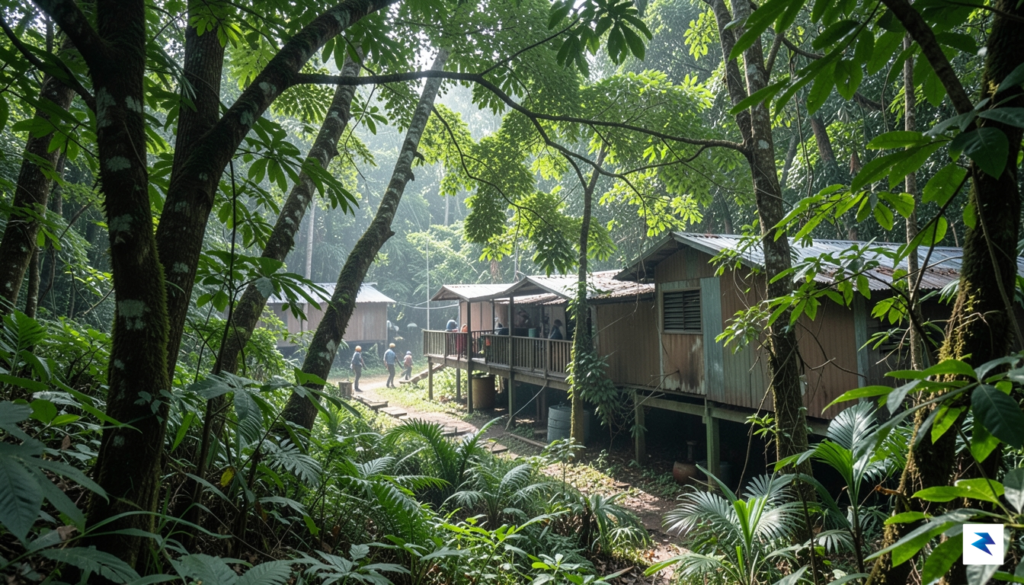
At first glance, the discovery of a microscopic fungus that preys upon the already bizarre “zombie” fungi of Borneo might appear to be a mere curiosity of natural history. However, this hyperparasite represents a vital piece of a much larger ecological puzzle, illustrating the intricate, multi-layered stability of tropical food webs. In complex forest environments, life exists in a delicate state of perpetual negotiation, where population explosions are kept in check by a vast, often invisible network of predators and parasites. By targeting the fungi that manipulate the behavior of insects, this newly identified hyperparasite acts as a biological regulator, preventing any single species from dominating the forest floor and disrupting the local equilibrium.
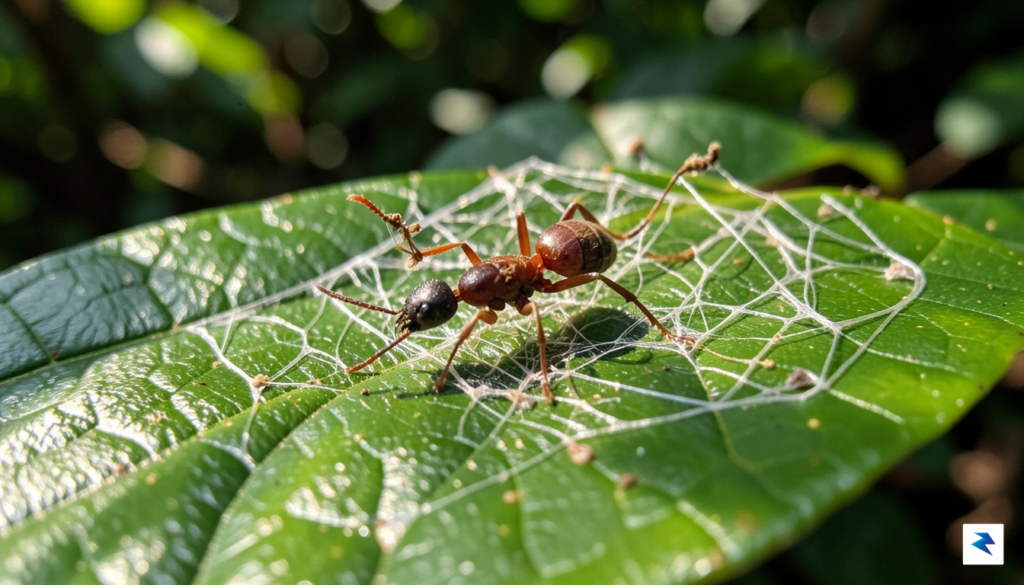
The role of a hyperparasite is essentially that of a biological “policeman,” ensuring that no population of parasites becomes too successful for the ecosystem’s own good. When a zombie fungus infects an insect, it turns the host into a vessel for its own reproductive cycle, which can potentially lead to devastating outbreaks among local insect populations. By effectively curbing the spread of these manipulative pathogens, the hyperparasite protects the broader biodiversity of the rainforest, maintaining the health and resilience of the entire habitat. This discovery underscores the concept of “cascading stability,” where the survival of even the smallest organisms is inextricably linked to the prosperity of the forest canopy and the soil beneath our feet.
The complexity of tropical ecosystems is not just in the variety of species, but in the invisible hierarchies of control that keep life in balance.
Furthermore, this finding serves as a sobering reminder of why the preservation of tropical forests is an urgent global imperative. We are only just beginning to map the microscopic interactions that sustain these ancient ecosystems, and every acre of forest lost to deforestation potentially erases centuries of evolutionary breakthroughs before they can even be documented by science. These hidden organisms are not merely biological oddities; they are the architects of forest health, holding secrets that could eventually inform our understanding of disease control, synthetic biology, and environmental management. To lose these habitats is to burn a library of natural history that we have barely begun to read, leaving us blind to the nuanced forces that maintain our planet’s vital biodiversity.