
Understanding the New Congressional Housing Legislation
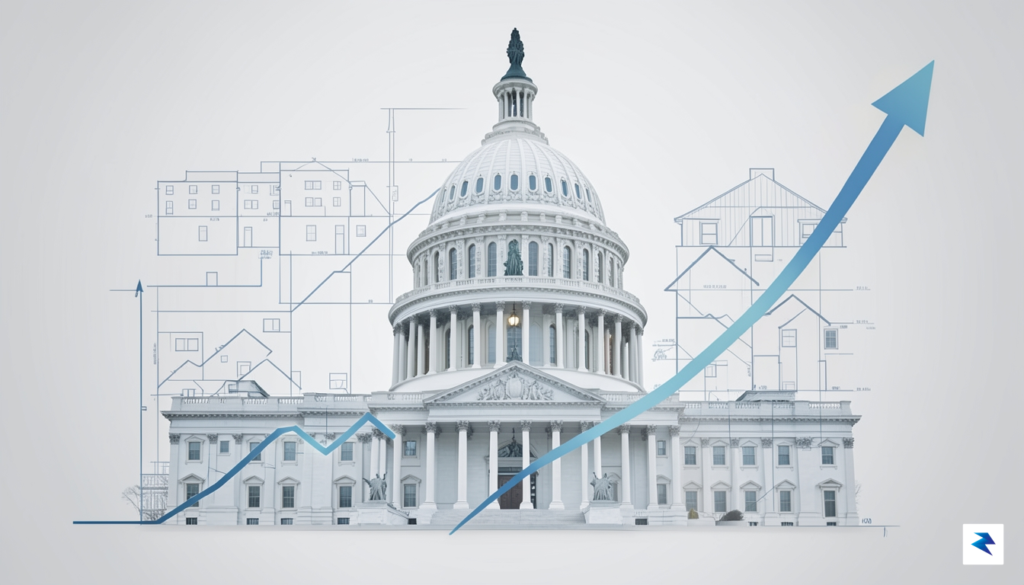
For years, the American housing market has been defined by a paralyzing stalemate, characterized by soaring prices, record-low inventory, and a pervasive sense of frustration among prospective buyers. After prolonged legislative gridlock that left many questioning whether federal intervention was even possible, Congress has finally passed a landmark housing package designed to tackle the systemic supply-side constraints that have locked so many families out of homeownership. Unlike the temporary financial relief measures seen during previous economic downturns, this legislation is not a stimulus check or a short-term band-aid. Instead, it represents a profound, structural pivot toward long-term policy reform, marking the most significant federal engagement with the housing sector in several decades.
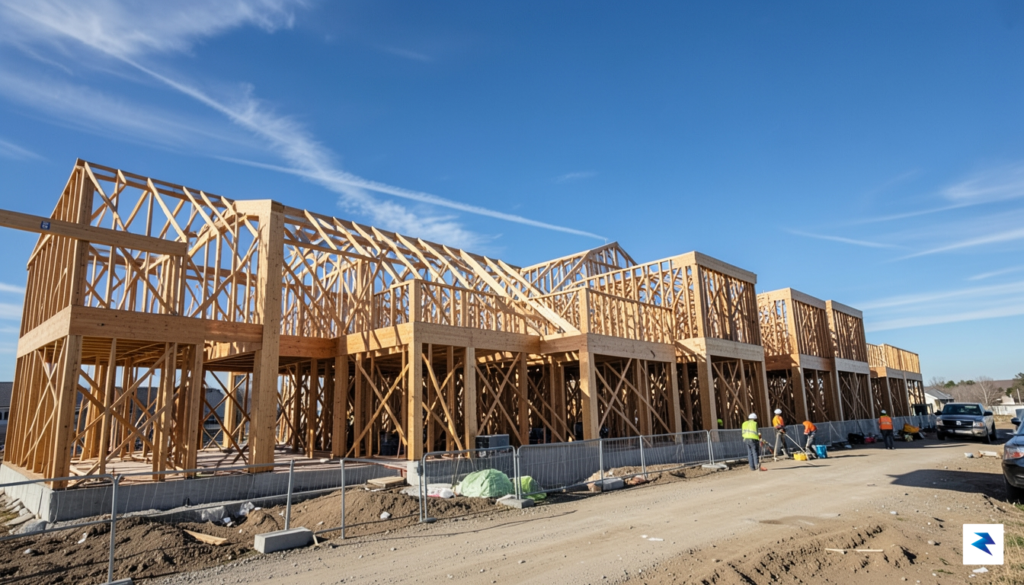
The primary intent of this legislative overhaul is to fundamentally alter the velocity and volume of new residential development. By shifting the focus away from demand-side subsidies—which often inadvertently drive up prices—the bill prioritizes the physical creation of new homes. The core components of this package are specifically engineered to incentivize builders to break ground on projects that have long been stalled by financial feasibility gaps. By providing targeted tax credits and infrastructure grants, the federal government is attempting to lower the barrier to entry for developers who have historically struggled to make middle-income housing projects pencil out in high-cost markets.
Furthermore, the bill takes a bold step toward addressing the “not in my backyard” (NIMBY) culture that has effectively throttled housing growth across the country. Through a series of competitive grant programs, the federal government is now incentivizing local municipalities to streamline their onerous zoning regulations and expedite the permitting process. By rewarding cities that modernize their land-use policies, Congress is attempting to dismantle the bureaucratic hurdles that have prevented the construction of missing-middle housing, such as duplexes, townhomes, and smaller starter homes. This systemic shift recognizes that the current housing shortage is not merely a product of market forces, but a direct result of decades of restrictive local planning that has prioritized existing aesthetics over the urgent need for new inventory.
At its core, this legislation acknowledges that the housing crisis is a multi-layered challenge requiring a shift from reactive financial assistance to proactive, supply-oriented infrastructure development.
While this legislative push is a monumental step forward, it is important to manage expectations regarding its immediate impact. Because these reforms focus on the foundational mechanics of zoning, construction, and land development, the effects will take time to manifest in the form of increased housing stock. The policy is designed to cultivate a more resilient and responsive market, but it does not promise an overnight correction to current interest rate environments or existing price volatility. Ultimately, the success of this package will depend on the sustained collaboration between federal agencies, local governments, and private developers as they navigate the complex transition toward a more inventory-rich housing landscape.
Why This Package Isn't an Immediate Market Solution

It is easy to view the recent passage of federal housing legislation as a long-awaited “silver bullet” for a market characterized by scarcity and high costs. However, prospective buyers should temper their expectations regarding an immediate shift in affordability or inventory levels. While the policy framework provides a necessary roadmap for long-term growth, it is crucial to recognize that the structural deficits currently plaguing the housing market—namely, years of chronic underbuilding—cannot be corrected by a single stroke of a legislative pen. The reality is that the housing supply chain is inherently slow, and the impacts of these new measures will likely unfold over several years rather than weeks or months.
The lag between the passage of a bill and the physical completion of a residential unit is substantial. Even under the best legislative conditions, developers must navigate a complex gauntlet of site acquisition, local zoning approvals, environmental assessments, and the procurement of labor and materials before a foundation is even poured. Consequently, the initiatives contained in this package serve as the foundation for future production rather than an immediate solution for the current, desperate demand. Furthermore, these efforts must contend with broader macroeconomic headwinds that remain largely outside the scope of congressional influence.
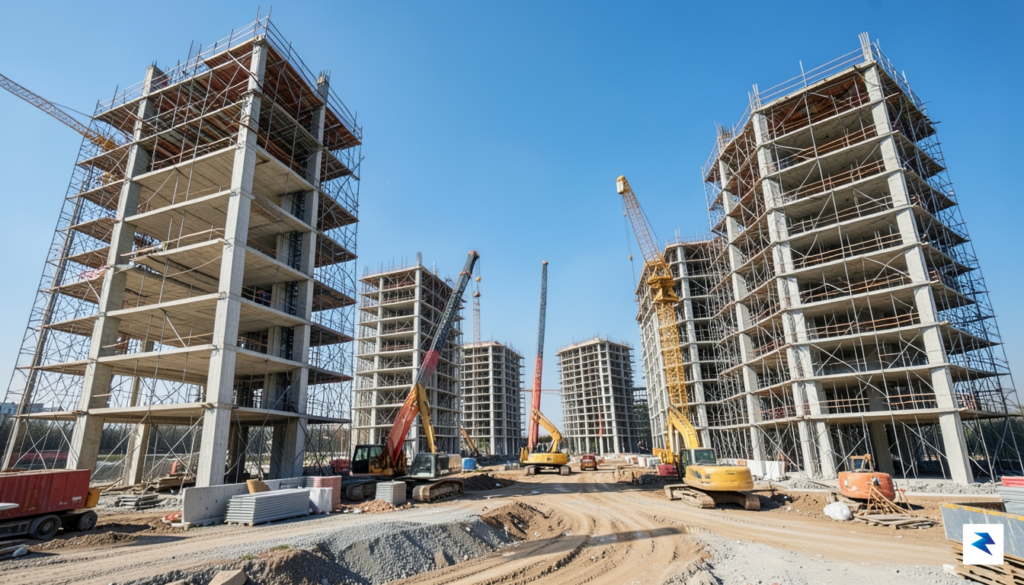
When considering the trajectory of the market, one must also account for the persistent influence of interest rates and inflation. Even if the legislative package successfully incentivizes the construction of new units, the cost of financing that construction and the subsequent mortgage rates for individual buyers remain dictated by complex global monetary policies. Inflation continues to exert pressure on the cost of building materials, which can offset the benefits of subsidies or tax credits provided by the government. In essence, while the legislation creates a more favorable environment for growth, it does not function as an override for the fundamental economic forces that have sidelined many potential buyers in recent years.
The true value of this housing package lies in its ability to shift the long-term supply curve, rather than providing an instant correction to current pricing volatility.
Ultimately, patience remains a prerequisite for navigating today’s housing landscape. By focusing on the systemic barriers to building, this legislation aims to stabilize the market by addressing the root causes of supply stagnation. While this is a significant and positive step forward for the industry, it is a marathon effort rather than a sprint. Buyers who understand that these changes will take time to manifest will be better positioned to make informed, realistic financial decisions as the market slowly—but steadily—begins to evolve toward a more balanced state.
Key Provisions and How They Aim to Support Buyers

The core of this legislative effort centers on the fundamental economic challenge of the current housing market: the severe scarcity of entry-level homes. By introducing targeted tax incentives, the bill encourages developers to pivot away from high-margin luxury projects and toward the construction of more modest, accessible housing. These incentives effectively offset the rising costs of land acquisition and materials, making it financially viable for builders to bring smaller, more affordable units to market. For the average family, this shift is significant, as it directly increases the inventory of homes that align with first-time buyer budgets rather than forcing them to compete for a limited supply of high-end properties.

Beyond tax credits, the legislation addresses the burdensome upfront expenses that often inflate the price of a new home before the first brick is even laid. A major component of the package involves federal grants specifically earmarked for infrastructure improvements, such as road construction, sewage systems, and utility hookups. Traditionally, these costs are passed directly to the homebuyer, adding thousands of dollars to the final purchase price. By alleviating these initial development hurdles through government support, the legislation aims to reduce the “hard costs” of building, thereby allowing developers to pass those savings on to the consumer and keeping homeownership within reach for a broader segment of the population.
The true impact of this housing package lies in its ability to lower the barrier to entry, transforming the dream of homeownership from a distant possibility into an actionable plan for middle-income families.
Finally, the legislation recognizes that a healthy housing market requires a robust supply of rental units to relieve pressure on the overall ecosystem. By incentivizing the construction and renovation of affordable rental properties, the bill helps stabilize housing costs for those who are not yet ready to purchase a home. When the rental market is saturated with viable, well-maintained options, it prevents a bottleneck where potential buyers are forced to remain in rentals longer than intended due to a lack of affordable housing alternatives. This comprehensive approach ensures that as families transition from renting to owning, they find a market that is not only stocked with inventory but also shielded from the volatility that has defined recent years.
- Reduced Development Costs: Tax incentives directly lower the financial risk for builders, encouraging the construction of starter homes.
- Infrastructure Subsidies: Grants for utilities and roads prevent these costs from being tacked onto the final home price.
- Rental Market Stabilization: Increasing the stock of affordable rentals prevents market overcrowding and keeps long-term housing costs predictable.
The Long-Term Outlook for Housing Affordability

While the recent legislative package has captured headlines for its immediate impact, the true measure of its success will not be found in the current fiscal quarter, but in the steady stabilization of the housing market over the next decade. For too long, the American housing sector has been trapped in a cycle of extreme boom-and-bust volatility, exacerbated by post-pandemic supply chain disruptions and a chronic undersupply of entry-level inventory. By shifting the focus away from the “fast-fix” mentality that often characterizes political discourse, this new policy framework prioritizes the slow, methodical work of structural adjustment. The goal is to dampen the wild price swings that have alienated first-time buyers and to foster a more predictable environment where long-term financial planning can actually flourish.
Transitioning toward this more resilient market requires an acknowledgment that there is no single “silver bullet” to lower home prices overnight. Instead, the legislation bets on a multi-year strategy that emphasizes sustainable growth over speculative surges. By providing federal incentives and grants, the package encourages municipalities to rethink their land-use policies, which have historically been the greatest barrier to affordable construction. This is a critical pivot; rather than merely subsidizing demand—which often drives prices even higher—the focus is now on empowering local governments to modernize their infrastructure and allow for higher-density development in areas where jobs and transit are already concentrated.
Zoning Reform as the Catalyst for Change
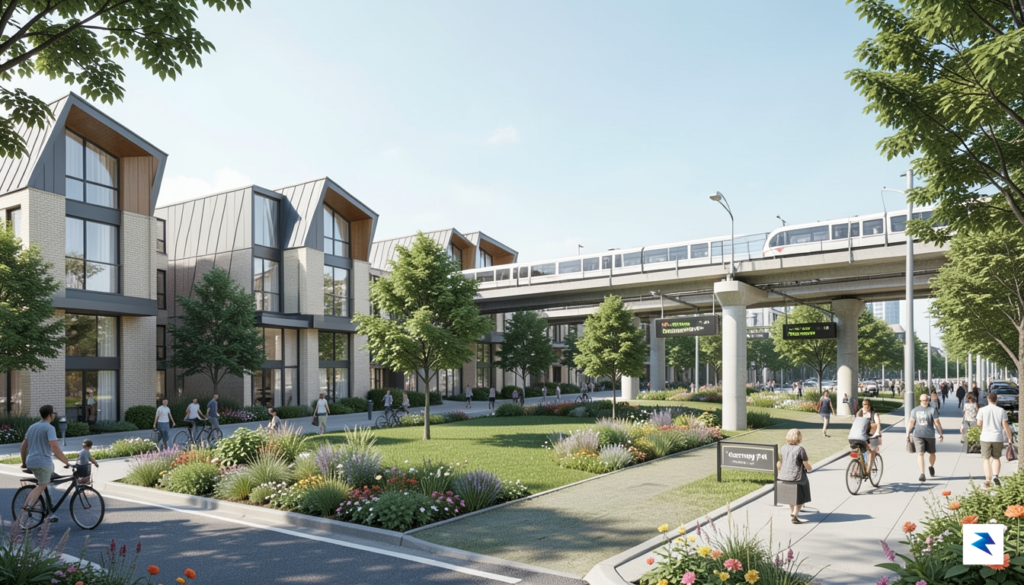
The true engine of future affordability lies in the reform of archaic local zoning laws that have restricted housing supply for decades. Through the use of federal grant tie-ins, the government is effectively nudging cities to move past “NIMBY” (Not In My Backyard) obstacles and embrace the construction of “missing middle” housing, such as duplexes, triplexes, and accessory dwelling units. These housing types are essential because they bridge the gap between high-density luxury apartments and expensive single-family homes. By clearing the regulatory hurdles that prevent these units from being built, the legislation creates a path for natural, supply-side price moderation.
The most significant shifts in housing affordability are rarely the result of a single bill, but rather the cumulative effect of persistent, locally-driven zoning reforms that favor long-term inventory growth over short-term political expediency.
Ultimately, this approach requires patience from homeowners and prospective buyers alike. While the desire for immediate relief is understandable, the reality is that the housing deficit was built over many years and will take a similar amount of time to rectify. As these zoning incentives begin to take root across the country, we can expect to see a gradual smoothing of the volatility curve, leading to a housing market that is not just more affordable, but also significantly more durable against future economic shocks. By building for the decade rather than the next election cycle, policymakers are finally addressing the root causes of our national housing crisis.
Navigating the Current Real Estate Market While Awaiting Change

For prospective homebuyers currently standing at the intersection of hope and hesitation, the recent legislative developments from Congress serve as a long-term signal rather than an immediate remedy. While the promise of increased housing supply and potential down payment assistance programs is encouraging, these initiatives often take months or even years to filter down to the local level. Consequently, the most prudent approach is to manage your personal financial strategy based on the realities of today’s market rather than betting your future on future policy impacts. By focusing on variables within your direct control, you can transition from a passive observer to a competitive, prepared buyer.

Strengthening Your Financial Foundation
The most effective way to insulate yourself against market volatility is to optimize your financial profile before you ever step foot inside an open house. Start by conducting a rigorous audit of your credit score, as even a minor improvement can result in significantly better interest rates and thousands of dollars in savings over the life of a mortgage. Beyond credit, it is essential to research niche loan programs that may already exist, such as state-specific grants, employer-assisted housing initiatives, or specialized products for first-time buyers that offer lower down payment requirements. These hidden opportunities are often overlooked, yet they can provide the necessary leverage to enter the market without waiting for broad federal intervention.
Success in today’s housing market is rarely about timing the exact bottom of the cycle; it is about ensuring your financial readiness is so robust that you can capitalize on opportunities the moment they appear.
Strategic Planning for the Long Term
Understanding the nuances of your local inventory is equally critical, as national headlines often mask the reality of specific neighborhoods. Engage with a local real estate professional who can provide deep-dive data on supply trends, days-on-market metrics, and neighborhood appreciation rates in your target areas. Simultaneously, consider consulting with a certified financial planner to stress-test your budget against various economic scenarios. They can help you determine whether waiting for the full effects of new legislation aligns with your personal life timeline or if it makes more sense to purchase now and refinance later if rates improve.
- Credit Optimization: Aggressively pay down high-interest debt to improve your debt-to-income ratio, which remains a primary metric for lenders.
- Inventory Awareness: Track local listings for several weeks to distinguish between overpriced properties and realistic opportunities, ensuring you recognize a fair deal when you see one.
- Professional Consultation: Evaluate your readiness by discussing long-term cash flow with a fiduciary advisor who understands the intersection of housing costs and investment goals.
Ultimately, patience is not synonymous with inaction. By proactively positioning your finances and maintaining a clear-eyed view of your local market, you ensure that you are not just waiting for the housing landscape to change—you are actively preparing to navigate it on your own terms. Whether or not the new legislation provides the relief you need, a disciplined approach will always remain your most powerful asset.