
Star Fox: The Visual Milestone That Redefines the Switch 2
The Evolution of Immersion: Why Star Fox Redefines Visual Fidelity For the past few years, the narrative surrounding hardware…
For years, the electric vehicle market has been a playground primarily for the affluent, with cutting-edge technology and premium features often bundled into vehicles sporting six-figure price tags. This trend, while showcasing the impressive capabilities of electric powertrains, inadvertently created a significant barrier to entry for the average consumer, especially those seeking a practical workhorse rather than a luxury statement. The early narrative of EVs was one of exclusivity, positioning them as a futuristic indulgence rather than an accessible tool for everyday tasks. Consequently, many potential buyers, particularly those in trades or small businesses reliant on utility vehicles, found themselves priced out of the transition to electric, leaving a vast segment of the automotive market underserved and tethered to gasoline alternatives.
This persistent gap in the market – the absence of an affordable, no-frills electric utility vehicle – has long been a critical oversight in the EV revolution. While sedans and SUVs have slowly diversified in price, the electric pickup truck segment, in particular, has remained largely dominated by high-spec, high-cost models designed more for lifestyle than pure functionality. However, a new player has emerged, poised to fundamentally alter this landscape: Slate Auto. With the introduction of the Slate Truck, the company is not just adding another electric vehicle to the burgeoning market; it is actively challenging the established order by prioritizing accessibility and practicality, aiming to democratize electric utility for a much broader audience than ever before envisioned.
The cornerstone of Slate Auto’s audacious strategy lies in its headline-grabbing price point: a starting MSRP of just $24,950. This figure is not merely competitive; it is genuinely disruptive, positioning the Slate Truck as arguably the most accessible electric pickup on the market by a significant margin. To put this into perspective, many entry-level gasoline trucks often start at a higher price, let alone their electric counterparts which can easily exceed double or even triple this cost. This aggressive pricing strategy is a deliberate move to bridge the chasm between the desire for sustainable transportation and the financial realities of millions of potential buyers, effectively removing one of the most substantial impediments to widespread EV adoption. It signifies a pivotal moment, pushing the automotive industry to reconsider what an electric work vehicle *can* and *should* cost.
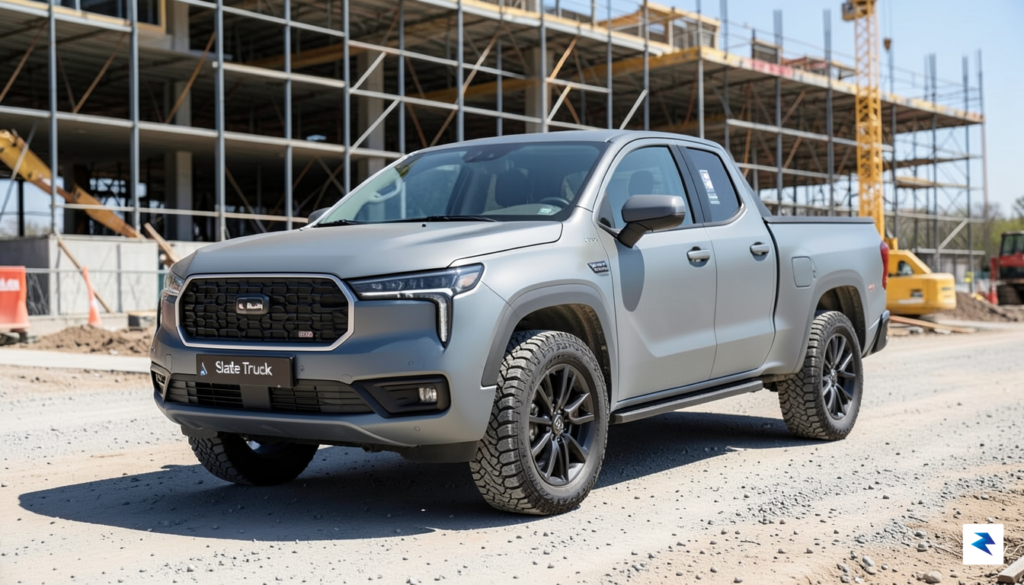
Such an unprecedented price point transforms the conversation around electric trucks from a niche luxury to a viable, everyday work solution. For contractors, small business owners, fleet managers, or even individuals simply needing a robust, environmentally conscious utility vehicle, the Slate Truck offers a compelling proposition that was previously unimaginable. It promises not only the operational cost savings inherent in electric vehicles – lower fuel and maintenance expenses – but also an upfront cost that aligns more closely with traditional, budget-friendly gasoline vehicles. This blend of utility and affordability is set to redefine expectations, proving that the future of electric mobility doesn’t have to come with a premium price tag, thereby making the transition to electric power a practical reality for the masses.
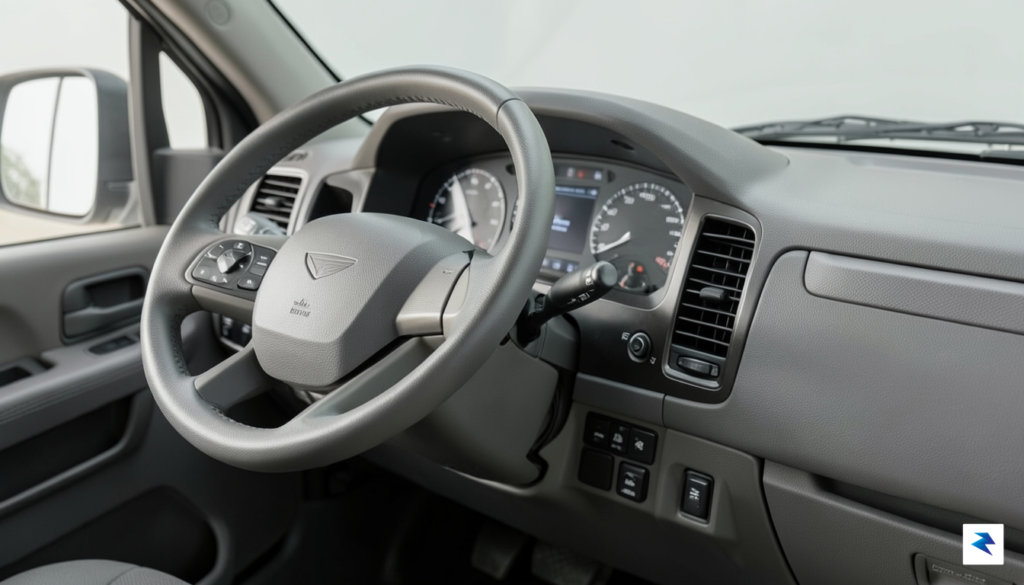
The notion that minimalism equates to a lack of quality or a cut-rate approach is a common misconception, particularly in the automotive industry where “more features” often correlates with “better.” However, in the case of the Slate Truck, minimalism is a profound and deliberate engineering philosophy, strategically employed not to compromise integrity but to enhance value and focus squarely on utility. This isn’t about stripping away essentials; rather, it’s a meticulous process of identifying and excising unnecessary complexity, ensuring that every component serves a clear purpose and contributes meaningfully to the truck’s core function and durability. By prioritizing smart design and efficient resource allocation, Slate Auto aims to deliver a robust and capable electric vehicle without the bloat that inflates costs for consumers.
Far from indicating structural weakness, the minimalist design of the Slate Truck represents a sophisticated engineering trade-off. Instead of spreading resources thin across a multitude of optional luxuries, Slate Auto has channeled its efforts into reinforcing the fundamental structural elements that truly matter for a utility vehicle. This means investing in a strong, resilient chassis and body construction, ensuring that the truck can withstand the demands of work and daily use without unnecessary embellishments. The focus is on robust materials and straightforward, durable assemblies, which not only contribute to the vehicle’s longevity but also simplify manufacturing processes, ultimately strengthening the vehicle’s core while streamlining its production.
A significant avenue for cost reduction, directly linked to this minimalist ethos, lies in the reduction of non-essential electronics. Modern vehicles are often laden with multiple large screens, complex infotainment systems, and an array of advanced driver-assistance systems (ADAS) that, while impressive, significantly drive up manufacturing costs, software development overheads, and potential points of failure. The Slate Truck, by contrast, adopts a more utilitarian approach, providing essential safety features and connectivity without the extravagant digital real estate. This strategic simplification reduces the number of expensive components, streamlines wiring harnesses, and minimizes the intricate software integration required, translating directly into lower material and assembly costs that can be passed on to the buyer.
Similarly, the interior components reflect this commitment to efficiency and utility. Gone are the days of overly complicated dashboards, intricate trim pieces, and a myriad of power-operated gadgets that add weight, complexity, and expense. The Slate Truck’s cabin is designed with durability and practicality in mind, utilizing robust, easy-to-clean materials and straightforward controls. This focus on functional design means fewer moving parts prone to wear and tear, simpler assembly lines, and a reduction in the sheer volume of different components that need to be sourced and managed. The result is an interior built for hard work, not just aesthetics, contributing to a more affordable and maintainable vehicle ownership experience.
Ultimately, these deliberate engineering choices allow Slate Auto to present a compelling value proposition, directly contrasting with the ‘feature-creep’ that has become endemic in the traditional pickup truck market. Conventional trucks have steadily evolved into luxury vehicles, packed with increasingly complex and expensive features that often push their price tags well into the $50,000 to $80,000 range, far beyond the reach or needs of many utility-focused buyers. By stripping away this non-essential complexity—from elaborate infotainment to opulent interiors—the Slate Truck re-centers the conversation on essential utility and affordability. This strategic minimalism is not a compromise on quality or capability; it is a calculated effort to deliver a truly accessible and functional electric truck, ensuring that the savings from streamlined design are genuinely reflected in its lower purchase price for the consumer.

When you first approach the Slate Truck, its stripped-back aesthetic might lead you to believe it prioritizes form over function, but the driving experience quickly dispels that notion. Beneath its minimalist frame lies a powertrain calibrated for the gritty realities of a job site rather than just stoplight drag races. The immediate, linear torque delivery typical of electric drivetrains is present, yet it feels reined in and purposeful, designed to provide consistent pulling power when the bed is fully loaded or a trailer is hitched to the rear. This isn’t a vehicle built to boast about 0-60 times; it is engineered to maintain composure while hauling materials, making it a reliable companion for contractors and small business owners who demand consistent output throughout a long workday.
The handling characteristics are equally surprising, largely due to the way the vehicle manages its battery weight. By positioning the heavy battery pack low within the chassis, the Slate Truck achieves a center of gravity that makes it feel planted and stable, even when navigating tight construction sites or winding rural roads. While some EV trucks can feel cumbersome or overly sensitive, this truck strikes a balanced middle ground that favors predictability. The suspension tuning successfully absorbs the jarring impacts of uneven pavement and gravel, ensuring that the driver remains comfortable without sacrificing the payload capacity required for serious utility work.
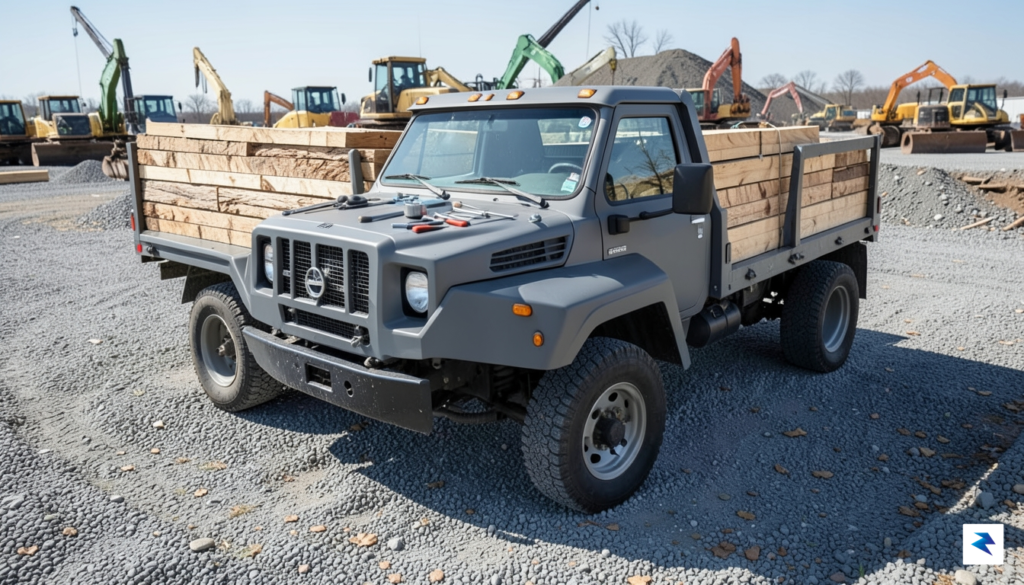
For the commuter who needs a vehicle that can pull double duty on the weekends, the cargo capacity offers a refreshing approach to accessibility. Instead of relying on gimmicky, complex motorized components that are prone to failure, the Slate Truck utilizes a straightforward, rugged bed design that maximizes every inch of space. Whether you are transporting heavy machinery for a job or clearing out a workspace, the loading floor is situated at an ergonomic height that reduces strain. This focus on utility means the truck serves its purpose without unnecessary bells and whistles, proving that a vehicle can be both modern and utilitarian.
The true value of this truck isn’t found in its digital dashboard or aerodynamic profile, but in its ability to handle a payload with the same ease as a daily commute.
Ultimately, the Slate Truck functions as a tool rather than a luxury accessory. It respects the driver’s need for durability and efficiency, shunning the trend of over-engineering features that don’t contribute to the vehicle’s core mission. By focusing on a robust powertrain, a well-balanced chassis, and a no-nonsense cargo area, it positions itself as a genuine solution for those who view a truck as an investment in their livelihood. It is a rare example of an EV that prioritizes the user’s workflow above all else, ensuring that the transition from a standard combustion engine vehicle to an electric one is seamless and, more importantly, practical.
Achieving an MSRP under $25,000 for a functional truck is a monumental shift that fundamentally challenges the current automotive status quo. For years, major manufacturers have pushed consumers toward increasingly expensive, feature-bloated vehicles, effectively abandoning the entry-level utility market. By stripping away the non-essential tech stacks and focusing on the core utility of a work vehicle, the Slate Truck forces a difficult conversation in boardrooms from Detroit to Tokyo. It suggests that the high price tags on existing electric pickups aren’t just a result of battery costs, but rather a reflection of prioritized profit margins and excessive luxury features that many fleet operators and small business owners simply do not require.

The real economic strength of this platform lies in the long-term cost-of-ownership advantage. Unlike traditional internal combustion engine (ICE) trucks that are plagued by complex transmissions, exhaust systems, and frequent oil change requirements, the Slate Truck relies on a simplified electric drivetrain with drastically fewer moving parts. When you factor in the lower cost of electricity per mile compared to gasoline—especially for businesses that can charge overnight at fleet rates—the total cost of ownership plummets. This creates a compelling argument for fleet managers who are currently struggling with the rising maintenance costs of aging gas-powered fleets and the high entry price of luxury electric alternatives.
The true value of an affordable electric truck isn’t found on the sticker price alone; it is measured in the thousands of dollars saved annually on fuel and the reduction of unscheduled downtime in the workshop.
Comparing the Slate Truck to current market offerings reveals a stark divide in philosophy. While competitors are racing to build the biggest, fastest, and most opulent electric trucks, they are inadvertently pricing themselves out of the vocational market. The Slate Truck targets the “missing middle”—the tradespeople, landscapers, and municipal workers who need a vehicle that can haul gear and handle daily abuse without costing as much as a luxury SUV. By positioning itself in this price bracket, it doesn’t just compete with other EVs; it effectively disrupts the market for used, high-mileage gas trucks, offering a reliable, modern alternative that makes financial sense for budget-conscious operators who have felt ignored by the industry’s pivot toward premium electrification.

At the heart of Slate Auto’s ambition lies a radical departure from the industry-standard reliance on sprawling, fragile global supply chains. By anchoring their manufacturing operations firmly within the United States, Slate has managed to mitigate the extreme logistical volatility that has plagued major automakers over the last several years. Rather than chasing the lowest possible labor costs in overseas markets—a strategy that often incurs massive shipping delays and unpredictable tariffs—the company has prioritized a domestic ecosystem. This localized approach allows Slate to maintain a tighter feedback loop between design and assembly, ensuring that any necessary adjustments to the truck’s components can be implemented in days rather than months.

The secret to achieving a consumer-friendly price point without sacrificing quality lies in the company’s streamlined production philosophy. By keeping the supply chain within domestic borders, Slate effectively slashes the hidden costs associated with international freight, long-term warehousing, and the inevitable damage that occurs during trans-oceanic transport. This proximity allows for “just-in-time” manufacturing, which minimizes the capital tied up in inventory and reduces the overhead that usually inflates the final sticker price of an electric vehicle. Furthermore, by sourcing critical components like battery packs and steel frames from regional partners, the company not only supports the local economy but also creates a more resilient production line that is insulated from the whims of international trade disputes.
The true innovation of the Slate Truck isn’t just in its minimalist aesthetic, but in the decision to make the vehicle’s very existence dependent on a robust, American-centric manufacturing infrastructure.
Scaling for the American market requires more than just efficient assembly; it demands a fundamental rethinking of how utility vehicles are built from the ground up. Slate’s manufacturing strategy emphasizes modularity, which simplifies the assembly process and reduces the number of specialized parts required across the vehicle’s architecture. This design-for-manufacturing approach means that the factory floor is less cluttered and more productive, allowing for higher throughput without the need for massive, energy-intensive gigafactories. As the demand for affordable electric utility vehicles grows, Slate’s commitment to domestic production positions them not just as a niche player, but as a blueprint for a new generation of American automotive companies that prioritize agility, sustainability, and economic stability over sheer, unchecked scale.
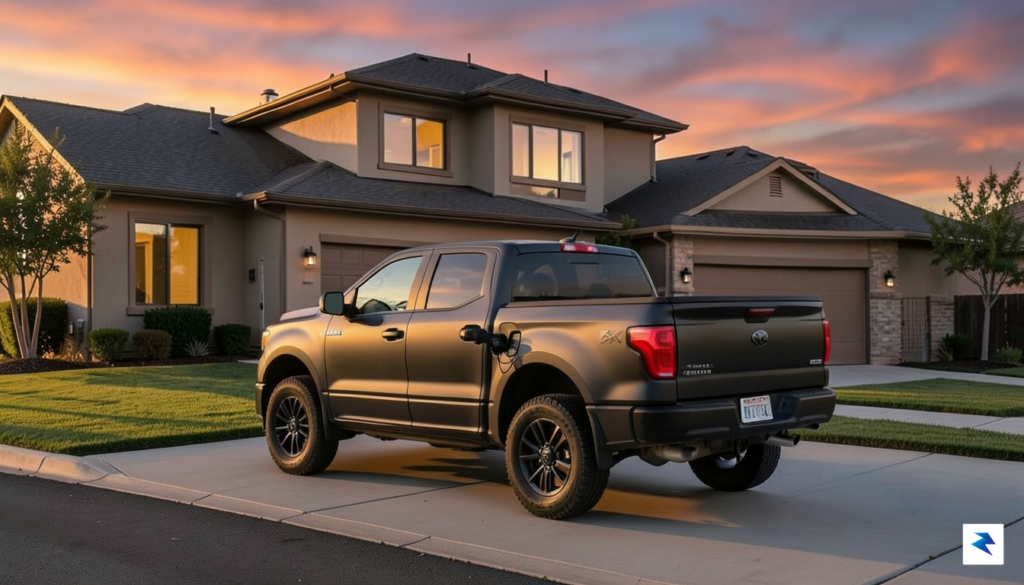
The Slate Truck emerges as a critical barometer for the evolving tastes of the American consumer, presenting a stark alternative in a market increasingly defined by opulence and advanced, often expensive, technology. It strips away the layers of digital screens, plush interiors, and performance metrics that have inflated vehicle prices, instead offering a back-to-basics proposition centered squarely on utility. This deliberate pivot forces a fundamental question upon buyers: does the practical, unadorned workhorse still hold sway when pitted against the siren song of luxury-laden tech and sophisticated creature comforts? Its success, or lack thereof, will provide invaluable insights into whether a significant portion of the market is truly ready to embrace a more frugal, function-first philosophy for their daily drivers and work vehicles.
At its core, the Slate Truck challenges the prevailing notion that an electric vehicle, especially a truck, must be an expensive, premium offering. Its proposed $25,000 price point isn’t just competitive; it’s revolutionary, positioning it as an accessible tool rather than a status symbol. This affordability is intrinsically linked to its “pure utility” design, where every component serves a clear, functional purpose without unnecessary embellishments. From its potentially durable, easy-to-clean interior to its straightforward cargo capabilities, the Slate Truck aims to deliver robust performance for tasks like hauling, towing, and everyday work, eschewing the complex infotainment systems and myriad drive modes that often inflate the cost and complexity of modern trucks. Such an approach suggests a belief that a substantial segment of buyers primarily needs a reliable, capable vehicle without the added expense of features they might rarely use.
The minimalist design of the Slate Truck isn’t merely an aesthetic choice; it’s a philosophical statement. In an era where vehicle exteriors become increasingly elaborate and interiors resemble digital cockpits, the Slate Truck’s unadorned simplicity stands out, almost provocatively. This design might appeal to those who view their vehicle as a tool, not an extension of their personal brand, or perhaps to a growing demographic seeking sustainability and less material excess. However, it also presents a significant cultural hurdle: will American consumers, long accustomed to associating value with visible features and perceived luxury, truly embrace a vehicle that prioritizes raw functionality and affordability above all else? The industry has traditionally equated higher price points with superior features and status, making the Slate Truck a fascinating experiment in re-educating consumer expectations and redefining what constitutes “value” in the highly competitive truck segment.
Ultimately, the Slate Truck represents more than just a new entry into the EV market; it’s a potential harbinger of a broader cultural and industrial shift. Should it find a significant audience, even a niche one, it could compel established manufacturers to re-evaluate their strategies, particularly concerning entry-level and work-focused vehicles. The current trend of continually increasing vehicle prices, often driven by a relentless pursuit of more features and luxury, is unsustainable for many consumers. A successful Slate Truck could demonstrate a viable path towards producing truly affordable, highly functional electric vehicles, forcing a permanent re-think among competitors. This shift could usher in an era where practicality, repairability, and genuine affordability become selling points once again, rather than afterthoughts, potentially democratizing access to electric vehicle technology for a much wider swath of the population and reshaping the very definition of a desirable truck.
You must be logged in to post a comment.