
World Cup Security: The $250 Million Shift Toward Counter-Drone Defense
The New Frontier of Stadium Security For decades, the standard blueprint for securing a major sporting event was built on the foundation of…
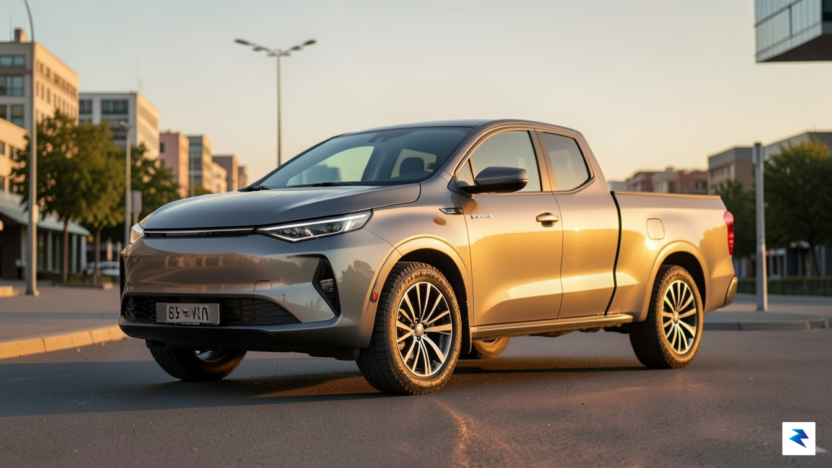
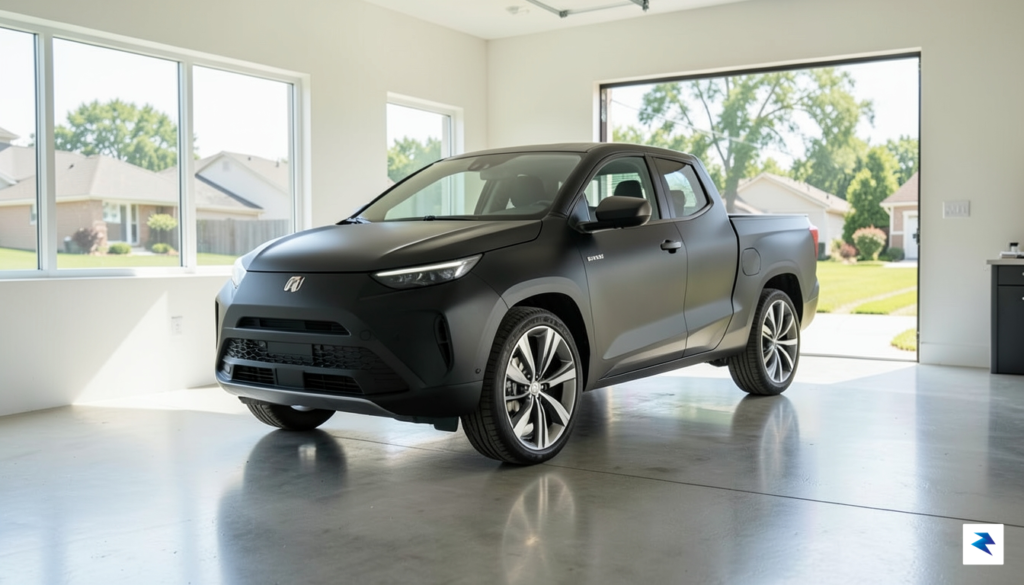
For years, the promise of the electric vehicle revolution has been stifled by a persistent reality: the market is flooded with oversized, high-end luxury trucks that carry price tags rivaling luxury real estate. For the average consumer, the transition to electric utility has remained largely theoretical, as manufacturers prioritized high-margin, feature-bloated behemoths over practical, accessible workhorses. This trend has effectively sidelined the very people who rely on trucks for their daily livelihoods—contractors, small business owners, and budget-conscious families—leaving them with little choice but to stick with traditional internal combustion engines. The industry has desperately needed a reality check, and it is finally arriving in the form of the Slate.
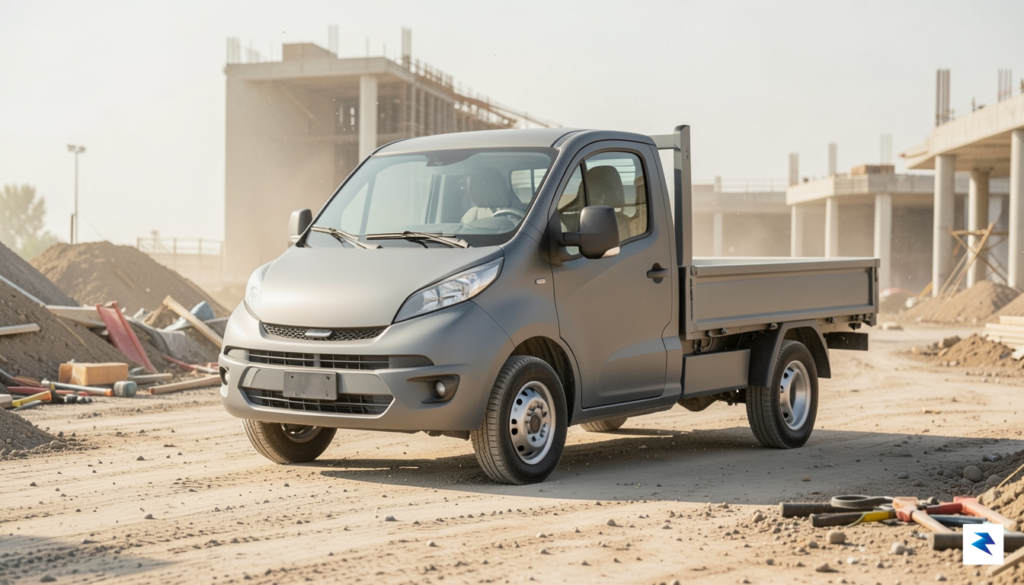
The introduction of the Slate, with its aggressive $25,000 price point, serves as a monumental disruptor that finally bridges the gap between electrification and affordability. By stripping away the unnecessary opulence that has plagued the EV truck segment, the Slate prioritizes raw utility and operational efficiency. This is not merely a marketing gimmick; it is a calculated effort to democratize sustainable transportation. When a vehicle is positioned at a price comparable to entry-level compact sedans, it shifts the conversation from a niche lifestyle choice to a pragmatic financial decision for the working class. This milestone is significant because it challenges the prevailing industry assumption that electric trucks must inherently be high-cost, high-tech status symbols.
The true measure of the electric transition will not be found in the performance of six-figure luxury trucks, but in the accessibility of vehicles that can actually do the work of the American economy.
The credibility behind this shift is further solidified by the strategic backing of high-profile investors, including Amazon founder Jeff Bezos. This financial endorsement signals a broader industry recognition that the future of logistics and personal utility must be electrified, cost-effective, and scalable. By addressing the “affordable utility” void, the Slate is positioned to do what many established automakers have failed to achieve: create a vehicle that serves as a genuine tool rather than an expensive toy. As the range of the Slate continues to see improvements, the argument against switching to electric utility becomes increasingly difficult to sustain. This isn’t just a new entry into the market; it is the beginning of a necessary pivot toward a future where electric power is the standard, not the exception, for anyone who needs to get the job done.
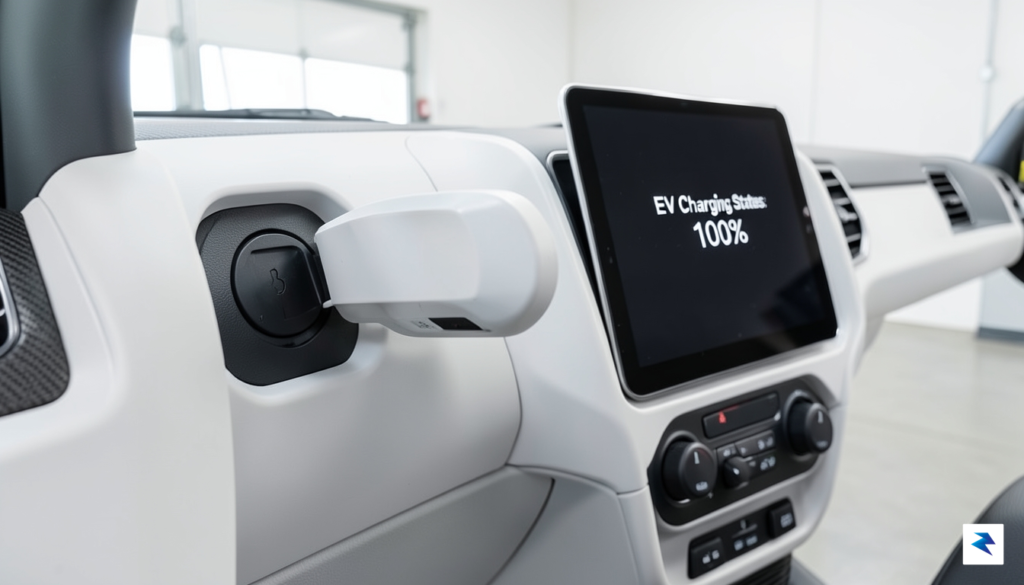
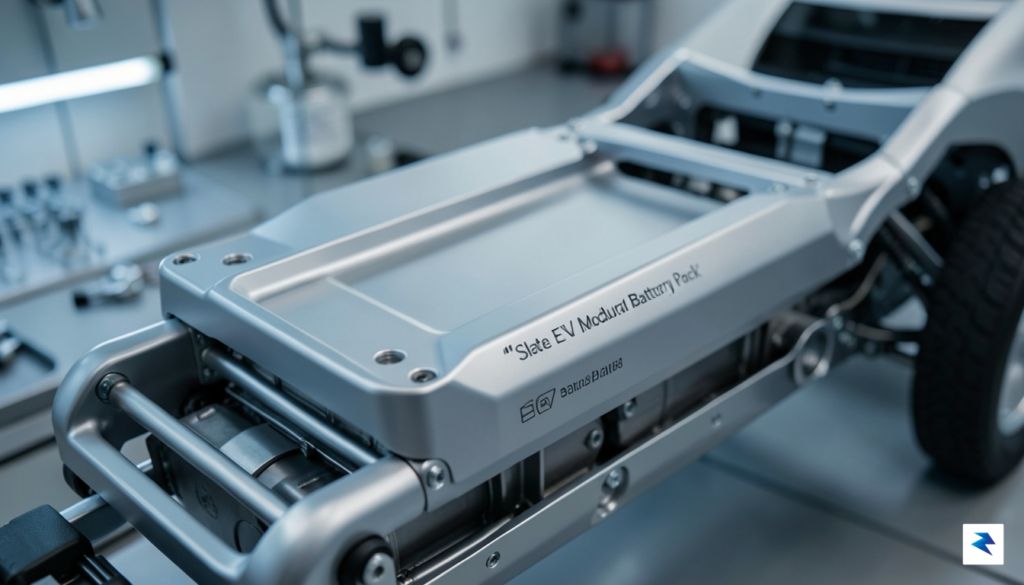
The philosophy behind the Slate is a refreshing departure from the “more is better” trend currently dominating the electric vehicle market. While many competitors are trapped in an expensive arms race of feature creep—stuffing trucks with unnecessary screens, self-driving gimmicks, and luxury appointments that drive prices toward six figures—the engineering team behind the Slate prioritized the fundamentals. By focusing on a lean, efficient powertrain, they have managed to deliver a vehicle that serves as a true utility tool rather than a rolling gadget. This “less is more” approach isn’t just about cost-cutting; it is about reducing complexity, which inherently increases reliability and lowers long-term maintenance costs for the average owner.
At the heart of the Slate’s recent transformation is a significant recalibration of its battery management system and chemistry, which has resulted in a substantial range bump. By optimizing the energy density of the battery cells and refining the thermal management architecture, the Slate now offers a range that transitions it from a niche job-site runabout to a legitimate, versatile daily driver. This boost effectively eliminates the “range anxiety” that has historically plagued entry-level electric utility vehicles, allowing owners to tackle highway commutes and regional hauling tasks without constantly mapping out charging stops.
The true measure of an EV truck isn’t found in a catalog of software gimmicks, but in the reliable, consistent delivery of torque and range exactly when the driver needs it.
The vehicle’s power output is specifically tuned to balance heavy-duty capability with everyday drivability. Rather than chasing thousand-horsepower figures that serve little purpose for the average contractor or hobbyist, the Slate delivers a steady, robust torque curve that makes towing a trailer or hauling a bed full of lumber feel effortless. This targeted performance ensures that the truck remains composed under load while maintaining a nimble, responsive feel on city streets. When you combine this refined power delivery with the improved range, the Slate establishes a new benchmark for what a $25,000 truck can actually accomplish. It proves that by stripping away the superfluous, manufacturers can create a more durable, accessible, and practical machine for the modern worker.

For too long, the electric vehicle landscape has been dominated by a “black box” philosophy, where manufacturers trap owners within proprietary ecosystems. In this restrictive environment, even a minor mechanical hiccup often necessitates a costly trip to a specialized service center, where locked-down software and proprietary diagnostic tools act as gatekeepers to your own vehicle. The Slate challenges this paradigm by embracing the Right to Repair movement, shifting the power dynamic back into the hands of the driver. By prioritizing accessibility, the Slate ensures that maintaining your truck doesn’t require a master’s degree in electrical engineering or a direct line to a corporate service department.
The core of this radical departure from industry standards is the Slate’s modular design philosophy. Instead of burying essential components deep within impenetrable chassis enclosures or soldering parts to prevent individual replacement, the engineers behind the Slate have opted for a “plug-and-play” architecture. This means that critical modules—whether they relate to the lighting systems, suspension components, or interior interface hardware—can be swapped out with standard tools. This modularity is not just a convenience; it is a fundamental shift in how we view the lifecycle of an automobile, transforming the truck from a disposable piece of tech into a long-term, maintainable investment.
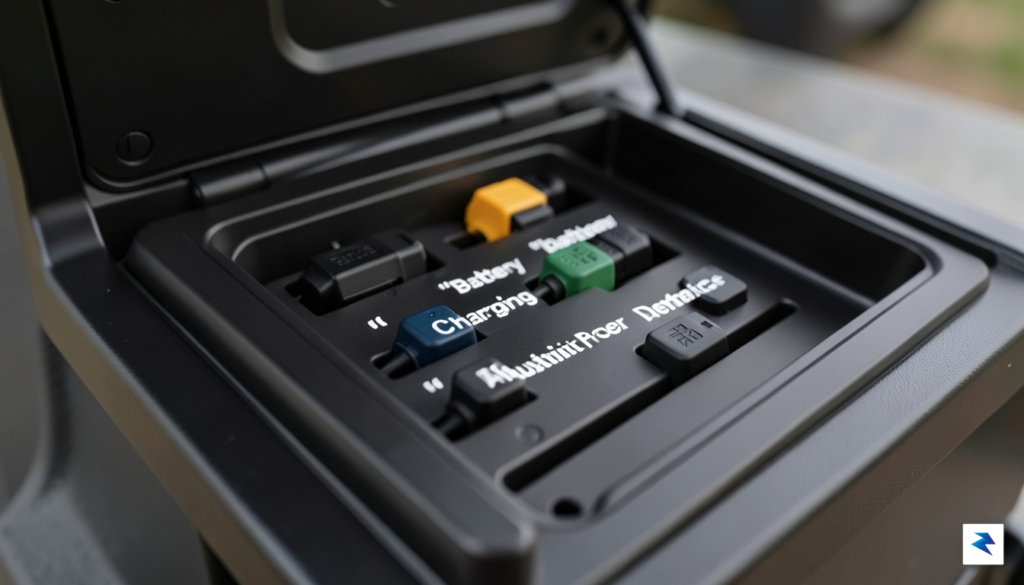
By treating the vehicle as a platform for ownership rather than a service-locked product, the Slate effectively lowers the long-term cost of ownership and extends the functional life of the vehicle for years to come.
This approach directly addresses the growing consumer frustration with “planned obsolescence” in the tech and automotive sectors. When owners are empowered to perform basic maintenance and repairs themselves, the total cost of ownership plummets, as the need for expensive, dealer-only labor is significantly reduced. Furthermore, this transparency fosters a deeper connection between the driver and the machine, encouraging a culture of stewardship rather than passive consumption. In an era where many EVs are essentially treated as rolling smartphones that become obsolete the moment a proprietary part fails, the Slate stands out as a robust, utilitarian tool built to survive the rigors of real-world use.
Ultimately, the Slate’s commitment to repairability is a bold vote of confidence in the consumer. It acknowledges that the people who drive these trucks are capable, resourceful, and deserve the autonomy to fix their own gear. By stripping away the unnecessary complexities that have defined modern EV maintenance, the Slate proves that affordability isn’t just about the initial sticker price—it is about the freedom to keep your truck running on your own terms for the long haul.
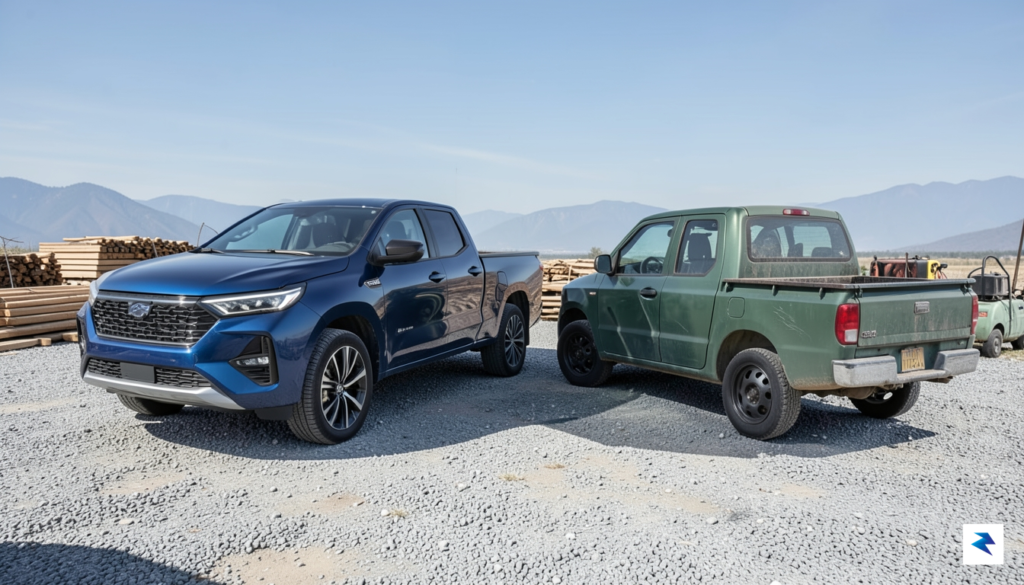
For several years, the Ford Maverick has reigned supreme as the undisputed champion of the compact truck segment, capturing the hearts of budget-conscious drivers who crave utility without the massive footprint of a full-size pickup. Its runaway success is largely built on a winning formula: a manageable size, a surprisingly accessible price point, and the versatility that only an open bed can provide. However, the arrival of the Slate creates a significant ripple in this landscape. By entering the market at a $25,000 price point, the Slate is not merely a niche alternative; it is a direct challenger designed to peel away buyers who have been waiting for an electrified option that doesn’t sacrifice their financial stability.
The primary battleground here is total cost of ownership. While the Maverick offers impressive fuel economy for a combustion vehicle, it is still tethered to the fluctuating prices at the gas pump and the inevitable maintenance costs of an internal combustion engine. In contrast, the Slate leverages an electric powertrain that fundamentally shifts the math for the daily commuter. When you factor in the reduced frequency of maintenance—no oil changes, fewer moving parts, and the inherent efficiency of regenerative braking—the cost-per-mile analysis heavily favors the Slate over the long term. For the buyer who tracks every dollar spent on their vehicle, the Slate presents a compelling case that the long-term savings of an EV can finally compete with the lower initial barrier to entry of a gas-powered truck.
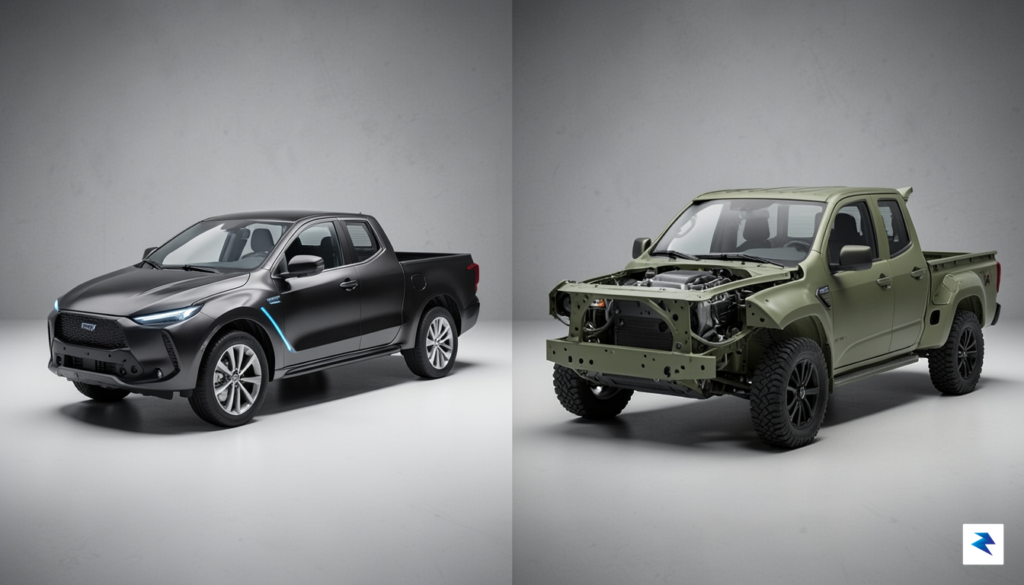
Furthermore, the target demographic for the Slate is much broader than just “tech enthusiasts.” It is aimed squarely at the same urban dwellers, DIY hobbyists, and suburban professionals who currently utilize the Maverick for light hauling and weekend projects. These individuals are increasingly environmentally conscious, yet they have previously been priced out of the electric market, where trucks often start at double the price of a standard sedan. The Slate bridges this gap by offering a utilitarian, no-frills electric experience that treats the truck as a tool rather than a luxury status symbol.
The true competitive advantage of the Slate lies in its ability to offer an electrified lifestyle at a price point that was once thought impossible for a vehicle with a cargo bed.
Ultimately, the challenge to Ford’s dominance won’t be decided by towing capacity or off-road prowess alone; it will be decided by the value proposition. While the Maverick provides a proven, reliable combustion platform, the Slate offers a glimpse into a future where the electric pickup is the standard for the working class. If the Slate can deliver on its promise of consistent range and reliable build quality, it is poised to disrupt the market segment that Ford has called its own for far too long, proving that affordable utility and clean energy can finally coexist on the same driveway.
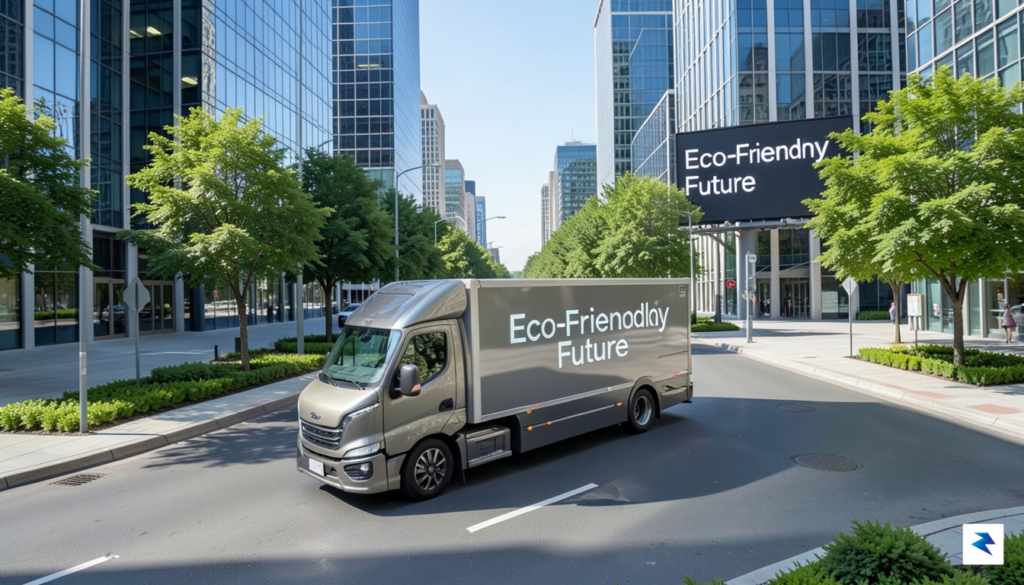
For years, the electric vehicle revolution has been stalled by a significant barrier: the entry price. While luxury EVs have successfully captured the attention of early adopters and high-net-worth buyers, they have failed to move the needle on mass-market penetration. The arrival of the $25,000 Slate truck serves as a pivotal correction to this trend, effectively dismantling the perception that sustainable transportation must be an expensive privilege. By bringing the cost of a functional, capable electric work vehicle down to a level comparable to internal combustion engine alternatives, the Slate democratizes the transition to green energy, ensuring that climate goals are not just reserved for the affluent, but are achievable for the average household.
The economic implications of such a vehicle reach far beyond the individual buyer. When an automaker proves that a low-cost, high-utility electric truck is commercially viable, it forces the entire automotive sector to rethink its profit margins and supply chain strategies. If the Slate succeeds, it sets a new benchmark for competitive pricing that legacy manufacturers will be compelled to match if they wish to remain relevant in a shifting market. This “Slate effect” acts as a catalyst for innovation, pushing engineering teams to refine battery chemistry, optimize manufacturing processes, and prioritize modular design to keep costs low. In essence, the Slate is not just a single product; it is a blueprint for a scalable economic model that could accelerate the decarbonization of the global transportation fleet.
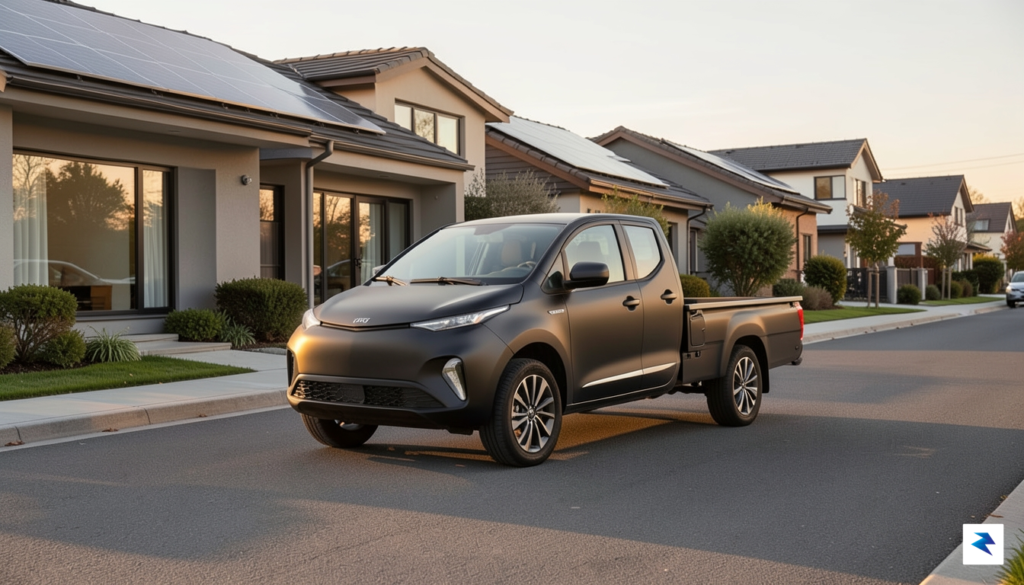
“True mass adoption of electric vehicles will not be achieved through luxury performance, but through the normalization of affordability in the most practical vehicle segments.”
Furthermore, the long-term impact on our transportation infrastructure could be transformative. As more families and small businesses swap their fossil-fuel-reliant trucks for affordable electric options, the demand for charging infrastructure will likely shift from niche hubs to ubiquitous, essential utility networks. This migration will incentivize further public and private investment in green energy, creating a virtuous cycle where cheaper electric vehicles lead to a more robust charging grid, which in turn encourages even more consumers to switch to electric. By bridging the gap between desire and feasibility, the Slate effectively clears the final frontier for the mass adoption of electric vehicles, signaling a future where the transition to sustainability is an economic no-brainer rather than a financial sacrifice.
You must be logged in to post a comment.