Dyson PencilWash Hits Lowest Price Ever: Is It Worth the Prime Day Hype?
The Dyson PencilWash: A New Era for Hard Floor Care For decades, the standard for hard-floor maintenance remained stubbornly stuck in the…
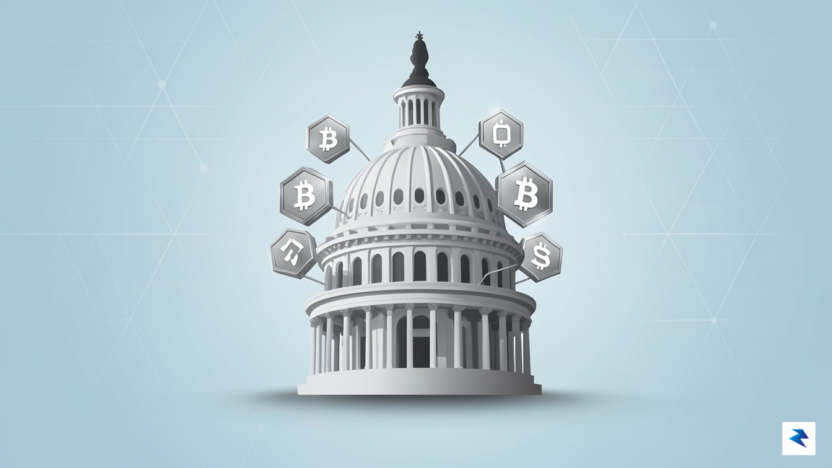
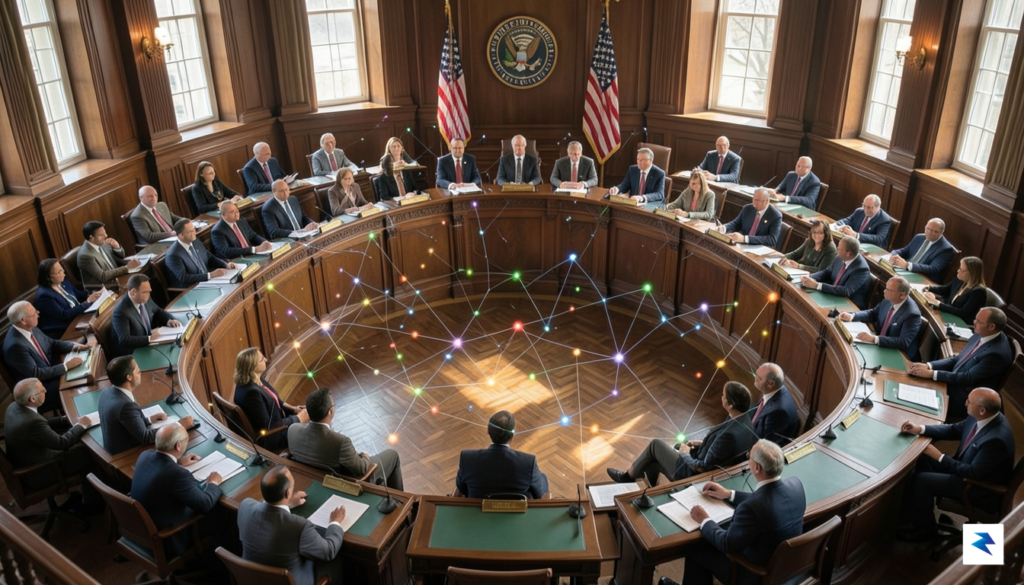
The recent emergence of a $500 million capital injection into Donald Trump’s crypto-related enterprise has catalyzed a rare, bipartisan push within the U.S. Senate for formal oversight hearings. Lawmakers from both sides of the aisle are increasingly concerned that the magnitude of this investment—originating from entities with ties to the United Arab Emirates—could pose a significant risk to national security and political transparency. By calling for a comprehensive inquiry, members of the Senate are signaling that they view this financial arrangement not merely as a private business deal, but as a potential litmus test for modern political integrity. They argue that the intersection of high-stakes digital asset ventures and ongoing presidential campaigning necessitates a rigorous examination to ensure that no foreign entity is leveraging financial support to gain undue influence over future federal policy.
Central to this legislative concern is the fear that such massive inflows of foreign capital could create systemic conflicts of interest. Senators are particularly focused on the opaque nature of the funding structures involved, questioning whether the UAE-based investors expect specific regulatory or legislative favors in return for their financial backing. As digital assets remain a volatile and largely under-regulated sector of the global economy, the possibility that a political candidate might be beholden to international stakeholders creates an uncomfortable precedent. Lawmakers contend that if the financial interests of these foreign backers are intertwined with the success of the candidate’s platform, the public’s ability to discern whether policy decisions are made in the national interest or for personal gain becomes severely compromised.
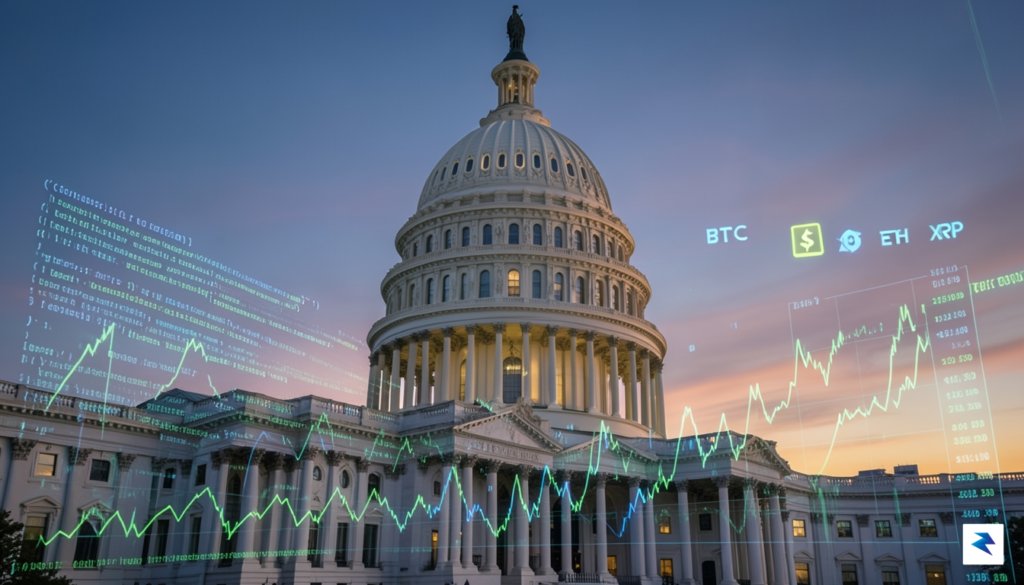
The timing of this investment has further fueled skepticism among investigators, as it correlates closely with Trump’s pivot toward a more vocal and supportive stance on digital assets. Prior to this influx of capital, the former president had expressed significant reservations about the industry; however, his recent shift toward a pro-crypto platform appears to mirror the growing financial interests of his new partners. This correlation has led some in the Senate to suggest that the capital injection acted as a catalyst for a change in public policy positioning. By scrutinizing the timeline of these developments, the Senate aims to determine whether the investment was a response to shifting political trends or if the policy shifts themselves were a prerequisite for securing the venture’s funding.
The core of the Senate’s inquiry rests on a simple, yet profound question: at what point does a private financial partnership cross the threshold into a national security vulnerability?
Ultimately, the push for these hearings represents a broader effort to establish guardrails in an era where digital currencies and political fundraising increasingly overlap. As the Senate prepares to potentially subpoena records and demand transparency regarding the venture’s ownership, the outcome of this investigation may well dictate the future standards of financial disclosure for political figures. The bipartisan nature of this call underscores a collective recognition that the integrity of the American electoral process must remain insulated from the complexities of international crypto markets, regardless of the individual involved.

World Liberty Financial, the decentralized finance (DeFi) project associated with the Trump family, was initially marketed as a transformative platform designed to democratize access to digital assets and streamline lending and borrowing protocols. By leveraging blockchain technology, the venture aims to offer users a suite of financial services that bypass traditional banking intermediaries. However, the operational model has faced intense scrutiny regarding its governance structure and potential conflicts of interest, as it seeks to position itself as a major, high-liquidity player within an increasingly volatile crypto market. The project relies on a complex tokenomics strategy, which, while innovative in its technical ambition, has raised significant concerns about the transparency of its backend operations and its long-term sustainability.

The narrative shifted significantly with the revelation of a massive $500 million capital infusion linked to United Arab Emirates-based entities. This investment is not merely a standard venture capital injection; it represents a strategic alignment between a high-profile domestic political figure and foreign financial interests. Analysts are currently investigating the specific nature of this capital, questioning whether it originates from private equity firms or, more controversially, sovereign wealth channels that could influence the platform’s decision-making process. The size of the investment is particularly notable because it dwarfs typical early-stage crypto funding rounds, suggesting that the backers have prioritized rapid market dominance and political leverage over traditional risk mitigation strategies.
The intersection of large-scale foreign capital and domestic political figures creates a unique set of ethical challenges, especially when the vehicle is an opaque decentralized finance platform that operates outside the reach of conventional regulatory frameworks.
This influx of foreign liquidity highlights a broader, more systemic concern regarding the visibility of international influence in domestic political and commercial ventures. When foreign entities provide hundreds of millions of dollars to a project tied to a prominent political leader, it inevitably invites questions about potential leverage and the blurring lines between personal business interests and public policy goals. Critics argue that without stringent disclosures regarding the ultimate beneficial owners of these UAE-linked funds, the project remains vulnerable to accusations of foreign interference. Consequently, the inquiry into this deal serves as a critical test case for how regulators and the public might track the flow of offshore capital when it merges with the high-stakes world of digital assets and political influence.

The tension between private enterprise and public office has long been a defining feature of the American political landscape, with historical precedents ranging from real estate holdings to stock portfolios. Historically, political figures have sought to establish “blind trusts” or divest from active management to insulate their legislative and executive decision-making from personal financial gain. However, the modern era has introduced a level of complexity that traditional ethics frameworks struggle to contain. When a leader’s personal wealth becomes inextricably linked to emerging, volatile, and highly speculative markets, the separation between the individual’s pocketbook and the national interest becomes significantly blurred, creating a perpetual shadow of skepticism over policy deliberations.
Cryptocurrency ventures represent a departure from traditional business assets, introducing unique challenges that exacerbate these ethical dilemmas. Unlike established sectors such as manufacturing or commercial real estate, which are governed by mature regulatory bodies and transparent accounting standards, the crypto ecosystem is inherently decentralized, often opaque, and prone to rapid, speculative shifts. When a political figure engages in high-stakes crypto investments, they are not merely holding an asset; they are often tethered to a digital infrastructure that relies on favorable regulatory environments to survive. This creates a scenario where the official’s advocacy—or lack thereof—for specific blockchain policies could directly inflate or deflate the value of their own holdings, turning public governance into a form of market manipulation that is notoriously difficult to track or regulate.

Furthermore, the involvement of foreign capital in these ventures raises profound concerns regarding international diplomacy and potential quid pro quo arrangements. When hundreds of millions of dollars flow from entities within sovereign nations—such as the United Arab Emirates—into a political leader’s private crypto enterprise, it invites critical questions about the nature of those investments. Are these transactions purely commercial, or do they function as a subtle mechanism for foreign influence? The risk is that international relations could be compromised, with foreign actors leveraging financial contributions to gain preferential treatment or to sway the domestic policies of a U.S. official. In this high-stakes arena, the lack of transparency inherent in digital assets makes it nearly impossible for the public to discern whether policy shifts are motivated by genuine national strategy or the personal financial incentives of those at the helm.
The core of the conflict lies in the fundamental question of accountability: if a political leader can hide their financial interests behind the complex architecture of decentralized finance, the democratic principle of transparency is effectively neutralized.
Ultimately, the intersection of crypto-capitalism and political power necessitates a rigorous re-evaluation of ethical guardrails. As digital assets continue to disrupt the global economy, the potential for conflicts of interest will only intensify. Without a robust, modern framework that accounts for the unique properties of blockchain-based wealth, the integrity of political institutions remains vulnerable to the perception—and the reality—that public service has been commodified for personal gain.

The recent scrutiny directed at the intersection of high-profile political figures and the digital asset sector serves as a powerful signal that the era of regulatory ambiguity is rapidly drawing to a close. For years, the cryptocurrency industry has operated in a gray area, often struggling to reconcile its decentralized ethos with the rigid demands of federal oversight. Now, as the Senate turns its gaze toward substantial foreign investments in ventures tied to former political leaders, the focus has shifted from mere market conduct to the broader integrity of the American financial system. This inquiry is not merely an isolated case study; it acts as a catalyst for a sweeping reevaluation of how political entities interact with emerging financial technologies, potentially forcing a total overhaul of the current oversight mechanisms.
Currently, the regulatory environment surrounding crypto-lobbying and political financial disclosure is fragmented at best, relying on frameworks designed for traditional banking and securities markets that struggle to account for the unique portability of digital tokens. The Senate’s interest suggests a clear appetite for new, robust legislative guardrails that would mandate unprecedented transparency for politicians involved in blockchain-based ventures. Lawmakers are likely to push for amendments to existing ethics laws, requiring that any digital asset holdings—or partnerships with foreign entities in the crypto space—be reported with the same granular detail as traditional real estate or equity portfolios. Such mandates would serve as a critical defense against potential conflicts of interest, ensuring that political decision-making remains insulated from the speculative pressures of the global crypto economy.
The core of the legislative challenge lies in closing the gap between traditional political ethics and the opaque, often borderless nature of international cryptocurrency investment.
Beyond the technical requirements of financial disclosure, this investigation is fundamentally about the preservation of public trust in the digital asset ecosystem. When institutional oversight fails to catch up with the rapid pace of financial innovation, it creates an environment ripe for skepticism and institutional distrust. By bringing these transactions into the light of congressional hearings, the Senate is effectively signaling that digital assets will no longer enjoy a “wild west” status, regardless of who is behind the curtain. This shift will likely lead to a more formalized regulatory apparatus that prioritizes investor protection and national security, ultimately forcing the industry to choose between deeper integration with federal oversight or continued isolation from mainstream financial adoption.

Moving forward, the industry should expect a period of intense institutional friction. As regulators move to codify these new standards, organizations will need to navigate a landscape defined by higher compliance costs and stricter reporting requirements. While some critics argue that such measures might stifle innovation, proponents of the legislative inquiry maintain that a stable, transparent marketplace is the only path toward long-term institutional legitimacy. The outcome of these Senate hearings will likely provide the blueprint for the next decade of crypto regulation, establishing a precedent where political involvement in digital assets is treated with the highest degree of institutional scrutiny.

As cryptocurrency shifts from a niche interest to a mainstream financial instrument, it has firmly established itself as a significant, albeit contentious, pillar of modern political campaigning. Candidates are increasingly navigating a landscape where digital assets serve as both a potent fundraising tool and a barometer for technological ideology. This emergence of crypto as a recognized political asset class brings with it a complex set of challenges, as lawmakers must balance the allure of technological innovation against the imperative to maintain domestic financial integrity. Whether through the direct acceptance of digital campaign contributions or the alignment with blockchain-centric policy agendas, political figures are finding that their relationship with the crypto ecosystem is now a defining feature of their public service records.
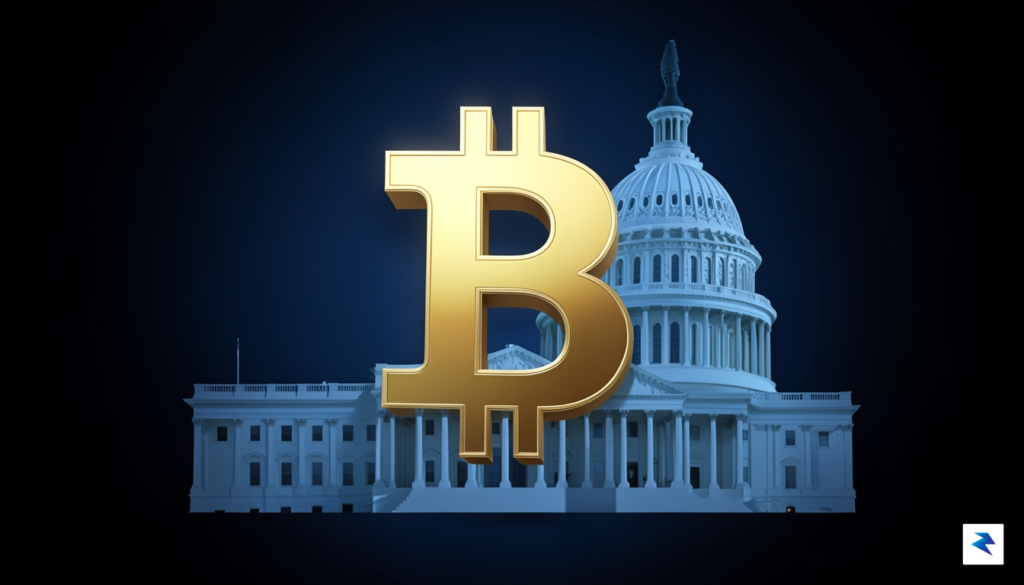
In this digital age, the demand for transparency has reached an all-time high, particularly when personal investment portfolios intersect with legislative power. The public and oversight bodies alike are scrutinizing the ways in which private ventures—especially those involving foreign entities—might exert influence over domestic policy decisions. The current inquiry into high-stakes international crypto partnerships serves as a critical case study for why robust disclosure frameworks are essential. Without clear, consistent standards for reporting these complex financial arrangements, the boundary between legitimate entrepreneurial endeavors and potential conflicts of interest becomes increasingly obscured, which ultimately threatens to undermine public trust in the governing process.
The future of digital asset policy will likely be defined not by the technology itself, but by the rigor of the governance frameworks established to oversee its political and financial integration.
Moving forward, the primary challenge for the American political establishment will be to strike a delicate balance between fostering a pro-innovation environment and upholding strict accountability. Policymakers must cultivate a regulatory climate that encourages the development of blockchain infrastructure and digital financial services while simultaneously implementing safeguards that prevent foreign influence or unethical financial entanglement. The path toward comprehensive crypto legislation requires a bipartisan commitment to clarity, ensuring that as the digital economy continues to expand, it remains subject to the same principles of transparency and ethical oversight that govern traditional financial sectors. Ultimately, the maturity of the crypto industry will be measured by its ability to coexist with these democratic checks and balances, transforming from a speculative frontier into a stable component of the broader American economic framework.
You must be logged in to post a comment.