
Understanding the A380 Wing Crack Issue
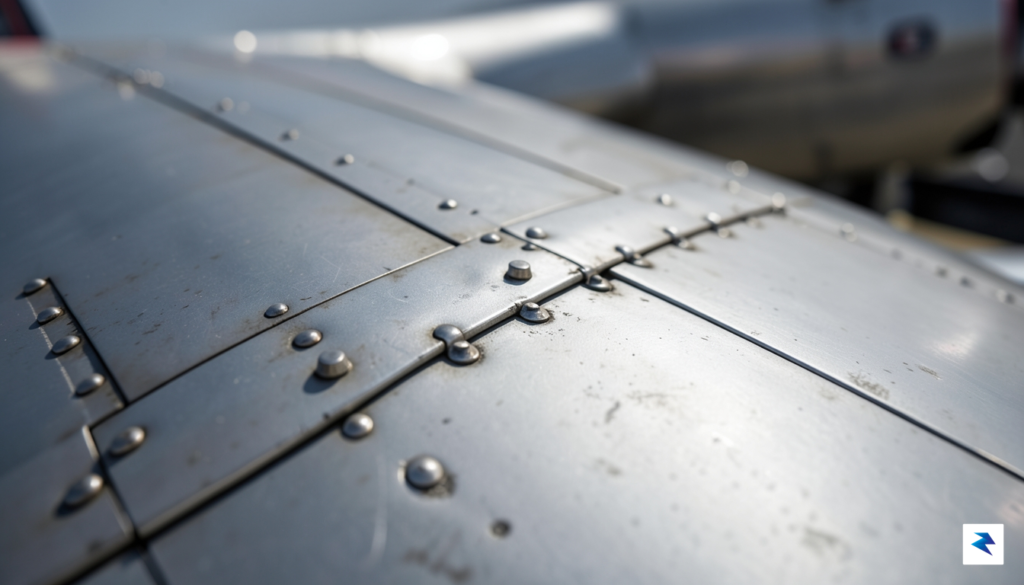
The recent focus on the Airbus A380 fleet centers on the discovery of minute structural irregularities known as micro-cracks, specifically located within the wing rib feet. These components act as the internal skeleton of the wing, anchoring the rib structures to the wing skin and helping to maintain the aircraft’s aerodynamic shape under the immense pressures of flight. While the term “crack” often evokes a sense of alarm for the average traveler, it is essential to understand these findings within the context of aviation engineering, where materials are constantly subjected to cycles of expansion and contraction. These micro-cracks are typically microscopic in nature, manifesting as tiny fissures that develop over time due to metal fatigue—a natural, expected byproduct of the heavy-duty operational life of a long-haul airliner.
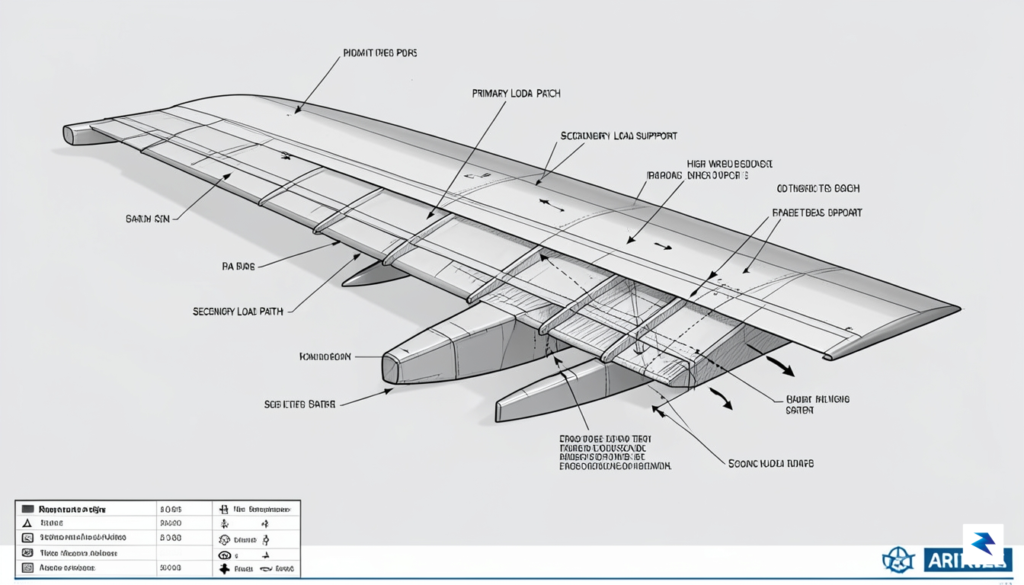
To differentiate between structural fatigue and catastrophic failure, one must look at how modern aircraft are designed. Aviation safety protocols operate on a philosophy of “fail-safe” engineering, which assumes that some degree of wear is inevitable and builds in redundant layers of protection to ensure that no single component failure can compromise the integrity of the aircraft. When engineers identify these micro-cracks, they are essentially detecting the very early stages of material fatigue long before the component reaches a point of structural compromise. Consequently, the mandate for inspections is a proactive, preventative measure designed to manage the health of the fleet rather than a reaction to an emergency situation. By identifying these areas early, maintenance teams can apply repairs or reinforcements that effectively “reset” the service life of those specific parts.
The aviation maintenance industry relies on rigorous, data-driven inspection cycles to ensure that even the smallest signs of wear are addressed long before they could ever impact the safety of a flight.
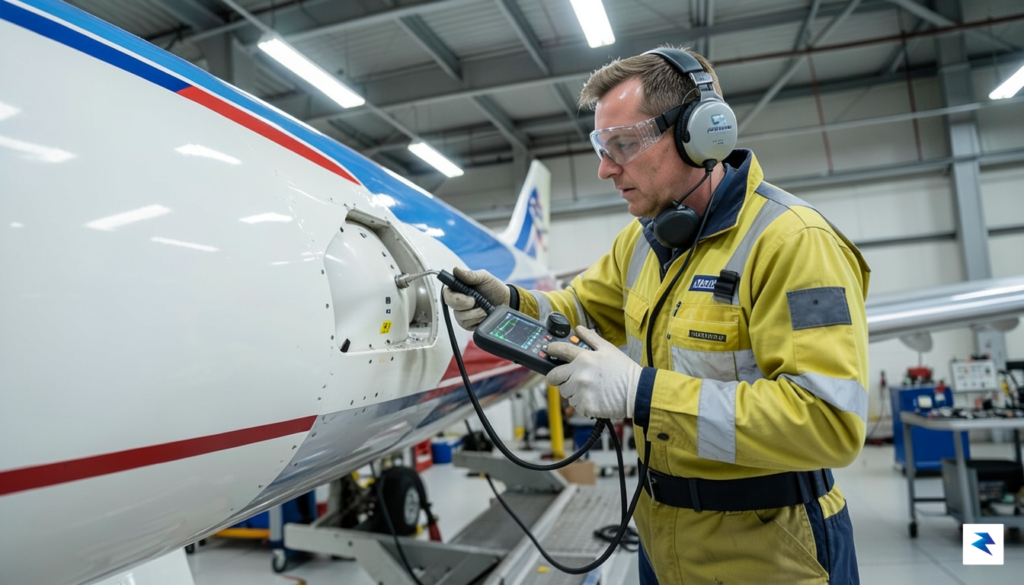
These inspections involve specialized non-destructive testing (NDT) techniques, such as ultrasonic or eddy current testing, which allow technicians to peer deep into the metallic structure without needing to dismantle the wings entirely. Because the A380 is a massive, complex machine, this level of scrutiny is standard procedure for any aircraft type as it matures and accumulates thousands of flight hours. By mandating these checks now, regulators and Airbus are ensuring that the entire fleet continues to meet the incredibly high safety standards that define global commercial aviation. Passengers should view these developments as a testament to the effectiveness of the industry’s oversight; the system is functioning exactly as it was designed, prioritizing long-term structural reliability through transparent and methodical maintenance.
The Regulatory Response and Safety Implications
The European Union Aviation Safety Agency (EASA) has long served as the primary watchdog for aviation integrity, and its recent directive regarding the A380 fleet demonstrates an uncompromising commitment to structural safety. By mandating immediate inspections of specific airframes, the agency has effectively prioritized long-term operational viability over short-term scheduling convenience. This regulatory intervention is not merely a reactionary measure; it is a calculated response based on rigorous data analysis concerning wing stress. When microscopic fissures—often referred to as “fatigue cracks”—are detected, EASA’s protocols dictate a strict hierarchy of action that begins with comprehensive non-destructive testing, such as ultrasonic or eddy current inspections, to determine the exact depth and extent of the structural degradation.
Grounding an aircraft is a logistical undertaking that ripples through global flight networks, forcing airlines to navigate complex rebooking scenarios and fleet reallocations. However, regulators operate on the fundamental principle that the cost of a delayed or cancelled flight is negligible when compared to the catastrophic potential of a structural failure at altitude. Throughout the lifespan of an airframe, manufacturers and regulators alike monitor the cumulative effect of pressure cycles, turbulence, and thermal expansion on wing assemblies. As these jets age, the metal components within the wing-to-fuselage attachment points are subjected to immense physical forces, necessitating the precise, proactive maintenance schedules that EASA enforces to ensure the fleet remains airworthy.
“Aviation safety is built upon the assumption that structural integrity is non-negotiable; therefore, even the smallest detected crack triggers a mandatory review process that supersedes commercial interests.”
Ultimately, this inspection mandate highlights the invisible, ongoing dialogue between aircraft manufacturers and regulatory bodies. While Airbus provides the engineering blueprints and stress-load projections, EASA acts as the final arbiter of safety, ensuring that real-world performance aligns with theoretical models. By requiring operators to pull these specific jets from active service, the agency ensures that every A380 remains resilient against the extreme environmental conditions encountered during long-haul international flights. This systematic approach—combining advanced monitoring technology with decisive regulatory oversight—remains the backbone of modern aviation, keeping passengers safe through constant vigilance and scientific rigor.
Engineering Complexity: Why Wings Develop Micro-Cracks
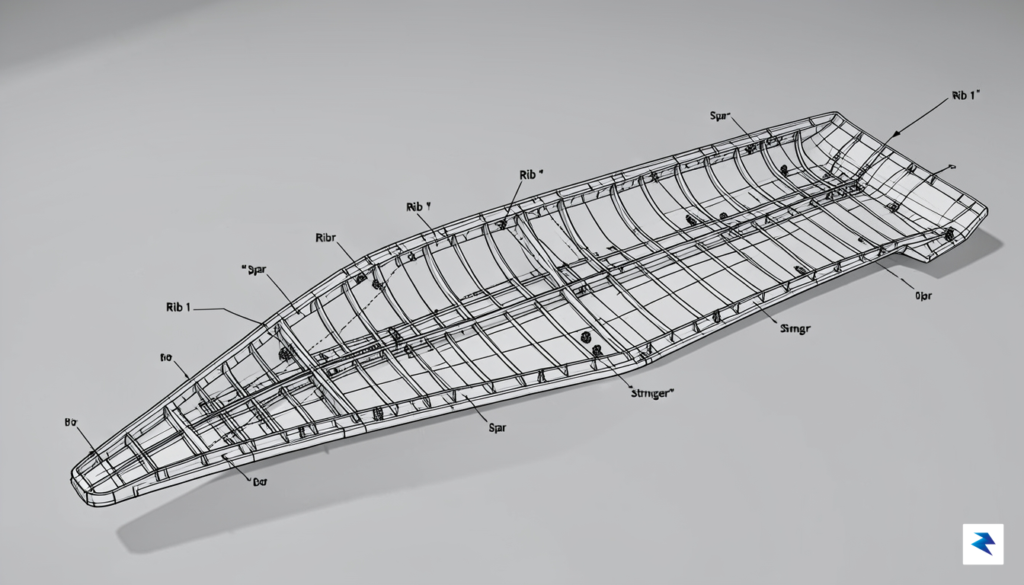
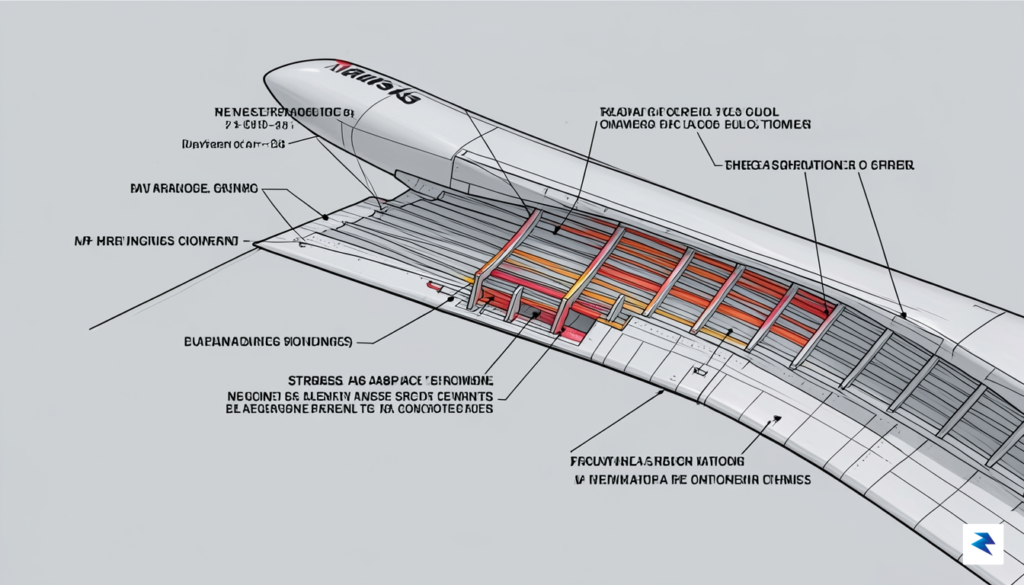
The A380 is an engineering masterpiece, yet it exists within a world of relentless physical demands. During every flight, the wings serve as the primary structural interface between the aircraft’s immense mass and the aerodynamic lift generated by the atmosphere. As the plane climbs, cruises, and descends, the wings undergo constant flexing, transitioning from the heavy load of a full fuel tank on the ground to the upward pressure of flight. Over thousands of takeoff and landing cycles, these repeated fluctuations—known as load cycles—create a phenomenon called fatigue. Much like a paperclip bent back and forth until it eventually snaps, the metal structure of the wing experiences microscopic stress points that gradually accumulate over years of service.
To balance weight and strength, modern aircraft like the A380 utilize advanced aluminum-lithium alloys. These materials are prized for their high strength-to-weight ratio, which allows the massive superjumbo to remain fuel-efficient despite its gargantuan size. However, these alloys possess unique characteristics when subjected to cyclic loading. If a microscopic imperfection exists within the grain structure of the metal, the constant expansion and contraction of the wing can cause that tiny blemish to propagate. Over time, these atomic-level shifts coalesce into micro-cracks, which are often invisible to the naked eye but can compromise the long-term structural integrity of the wing’s spar and rib components if left unchecked.
Modern aerospace maintenance operates on the principle of “damage tolerance,” a philosophy that assumes structural flaws will eventually occur and prioritizes their detection long before they pose a safety risk.
Because these cracks remain hidden beneath layers of paint and composite fairings, maintenance crews rely on sophisticated non-destructive testing (NDT) methods to ensure the fleet’s airworthiness. Ultrasound testing is a primary tool in this effort; technicians pass high-frequency sound waves through the metal, analyzing the reflected echoes to map the internal integrity of the material. If a crack is present, it disrupts the sound wave, creating a distinct signal that alerts engineers to the problem. Similarly, eddy-current testing uses electromagnetic induction to detect surface-level fissures. By creating a magnetic field near the aluminum, technicians can identify even the most hairline fractures, as the cracks alter the flow of the electrical currents induced in the metal.
This rigorous approach represents a significant evolution from the design standards of previous generations. In the mid-20th century, engineers often utilized a “safe-life” approach, designing parts to withstand a set number of cycles before being retired entirely, regardless of their actual condition. In contrast, today’s protocols prioritize constant inspection and real-time data monitoring. By identifying micro-cracks early, Airbus can implement precise reinforcements or component replacements, ensuring that the A380 remains one of the safest and most reliable aircraft in the sky despite the punishing nature of high-altitude flight.
Airbus's Operational and Financial Challenges
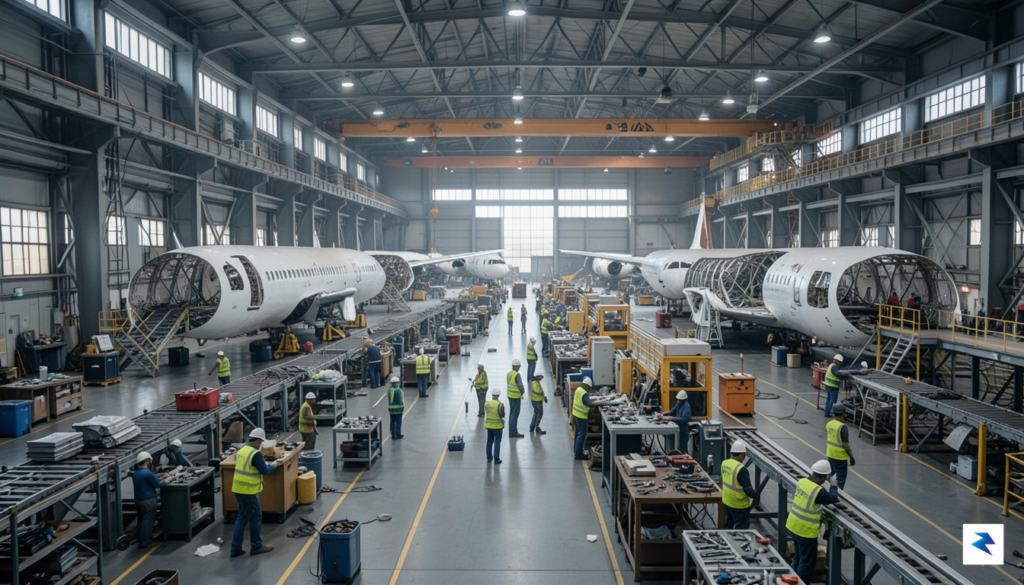
For Airbus, this inspection mandate represents far more than a routine maintenance check; it is a complex logistical undertaking that ripples across the entire aviation ecosystem. Coordinating the immediate inspection and potential repair of sixteen wide-body jets requires a synchronized effort between specialized engineering teams, ground crews, and the airline operators who rely on these aircraft to maintain their global networks. When a high-capacity jet is pulled from service, the resulting displacement of passengers and the subsequent scramble to rebook itineraries can lead to significant operational headaches. Furthermore, the necessity of sourcing specific structural components on short notice places immense pressure on an already strained global supply chain, which must pivot rapidly to manufacture and distribute the required parts to hangars scattered across different continents.
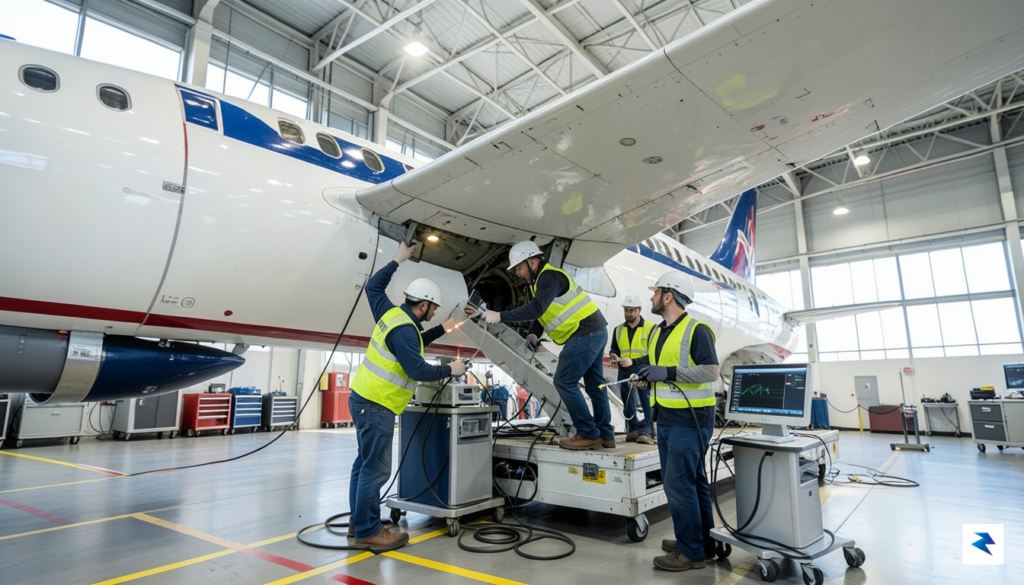
The financial implications for the manufacturer are equally substantial, as Airbus must manage the costs associated with warranty claims, specialized technical support, and potential compensation for the grounded fleet’s lost revenue. Beyond the immediate balance sheet impacts, these structural concerns inevitably cast a shadow over the long-term viability and operational costs of the aircraft in question. Airlines must weigh the necessity of these frequent, intensive inspections against the total cost of ownership, potentially forcing operators to reconsider their fleet retirement timelines or prioritize newer, more efficient models. This shift in operational strategy can have a domino effect on the secondary market for parts and the overall resale value of the A380 fleet.
Maintaining airworthiness is the cornerstone of aviation safety, yet the economic burden of unexpected structural remediation serves as a sobering reminder of the complexities inherent in managing aging high-performance machinery.
Ultimately, the reputation of the fleet hinges on how transparently and effectively Airbus addresses these technical hurdles. While the aerospace industry is accustomed to rigorous maintenance protocols, the public perception of safety—and the reliability of the A380—remains paramount. If the repair process proves seamless and the issue is contained, the impact on the aircraft’s legacy may be minimal. However, should these cracks suggest a more systemic manufacturing or design limitation, Airbus could face prolonged scrutiny that affects maintenance schedules for the remainder of the active fleet for years to come. Through careful coordination and engineering diligence, the company must now prove that these massive machines can continue to operate safely and profitably in a competitive global market.
What This Means for A380 Travelers and Airlines

For passengers currently holding tickets on the Airbus A380, news of required structural inspections can understandably cause a degree of apprehension. However, it is essential to recognize that the aviation industry operates on a rigorous, proactive safety-first philosophy that prioritizes technical integrity over operational convenience. If you are concerned about your upcoming travel plans, the most effective way to stay informed is to monitor your airline’s official travel advisory page or contact their customer service department directly. Airlines are mandated to manage their fleet schedules with precision, and if an aircraft requires maintenance, they typically adjust their rosters long before a flight is impacted, ensuring that your travel experience remains seamless and secure.
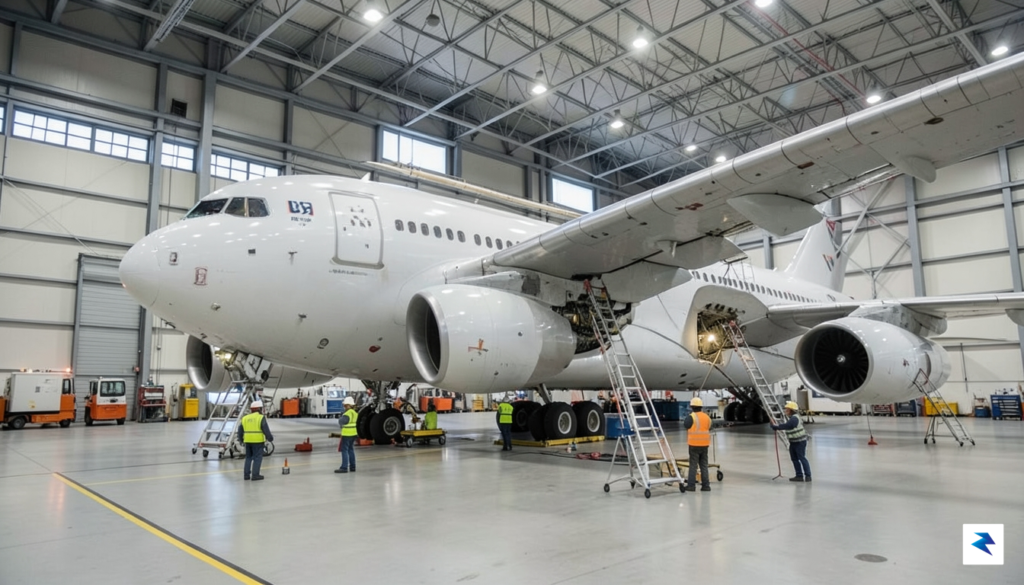
The identification of these minor wing cracks should be viewed as a success of the global aviation safety network rather than a failure of the aircraft design. By proactively ordering these inspections, regulators like the European Union Aviation Safety Agency (EASA) are demonstrating a commitment to long-term structural health. This meticulous maintenance culture is precisely what keeps commercial flight the safest mode of transportation in the world. Rather than signaling the end of the A380, these inspections act as a preventative measure, ensuring that the “Superjumbo” continues to serve as a reliable, high-capacity workhorse for long-haul international routes for many years to come.
The core strength of the aviation sector lies in its transparency; by identifying and addressing structural fatigue in its infancy, manufacturers prevent more significant issues, reinforcing the long-term viability of the aircraft program.
Looking ahead, the future of the A380 remains firmly established within the global aviation market, particularly for airlines that rely on its massive capacity to connect high-demand hub airports. While the industry is shifting toward more fuel-efficient, twin-engine aircraft, the A380 retains a unique niche that no other plane can fill. As maintenance protocols evolve, transparent reporting between Airbus and its airline partners will remain the cornerstone of operational stability. This commitment to transparency not only builds trust with the traveling public but also ensures that the A380 program can gracefully transition into its next phase of service, continuing to connect the world with the comfort and reliability that passengers have come to expect.