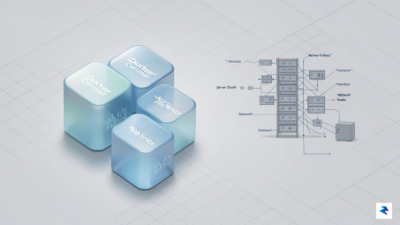
The Resilience of the Engineering Role in the AI Era

For the better part of the last two years, the global tech sector has been caught in a state of collective nerves, fueled by the rapid ascent of Large Language Models and sophisticated coding assistants. The prevailing narrative suggested a bleak trajectory: as machines became increasingly adept at writing syntax, debugging complex codebases, and scaffolding architectural patterns, the human engineer would eventually find themselves sidelined. This anxiety permeated everything from internal team meetings to venture capital boardrooms, fostering a widespread fear that the profession was hurtling toward obsolescence. The prevailing wisdom assumed that if a tool could generate a function in seconds that previously took an hour, the demand for the human hand behind the keyboard would inevitably plummet.

Yet, as the dust begins to settle on the initial hype cycle, the data tells a story that is remarkably at odds with the “replacement” hypothesis. Rather than witnessing a mass exodus of talent or a sharp decline in headcount, the industry is experiencing something more akin to a renaissance. Recent workforce analysis reveals that software engineers are not only maintaining their foothold in the job market but are actually capturing a larger share of new hires than they did before the AI explosion. This shift suggests that the primary impact of these tools has been to expand the scope of what is possible, rather than simply automating existing tasks out of existence.
The integration of AI into the software development lifecycle has transformed the engineer from a mere code-writer into a high-level architect and system overseer.
This transition represents a fundamental move away from “replacement anxiety” and toward a paradigm of “integrated productivity.” When businesses adopt AI tools, they rarely choose to cut their engineering teams; instead, they pivot those teams toward higher-value initiatives that were previously deemed too complex or time-consuming to execute. By offloading the mechanical, repetitive aspects of coding to intelligent systems, engineers are finding more bandwidth to focus on system design, security, edge-case architecture, and user experience. Consequently, companies are discovering that the productivity gains provided by AI actually necessitate more human oversight to manage the increased speed and scale of production. The reality is that the profession is not being retired; it is being upgraded, requiring a more sophisticated set of skills to navigate an era where human intuition and machine efficiency work in tandem.
Decoding the Data: Why Engineering Hiring is Outpacing the Hype
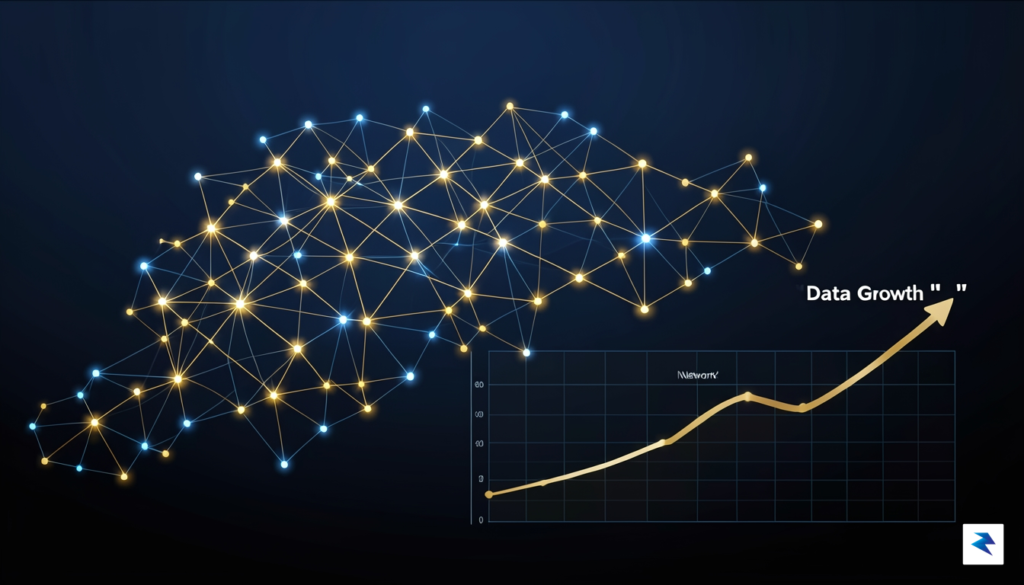
When the first wave of generative AI tools hit the mainstream, the prevailing narrative was one of inevitable displacement. Pundits and industry analysts predicted that the ability of large language models to write boilerplate code would lead to a mass exodus of software engineers. However, recent data from SignalFire paints a radically different picture, revealing that the demand for technical talent is not just surviving—it is aggressively evolving. Rather than shrinking their engineering departments, companies are shifting their hiring focus toward high-level architects, system integrators, and AI-specialized engineers who can navigate the complexities of modern, intelligent infrastructure.
This resilience is rooted in the fundamental shift toward a software-defined economy, where every business, from legacy manufacturing to retail, now views itself as a technology-first entity. In this environment, software is no longer a peripheral support function; it is the core engine of value creation. Because businesses are now racing to integrate AI into their existing products, the need for human oversight has actually increased. These companies require engineers who can bridge the gap between experimental AI prototypes and robust, scalable production systems. Consequently, the volatility often seen in non-technical or administrative roles has largely bypassed specialized engineering departments, which remain the primary drivers of long-term business strategy.
The true value of an engineer today lies not in the speed at which they produce lines of code, but in their unique ability to orchestrate complex AI ecosystems that align with real-world business objectives.
The disparity between the general layoff headlines and the granular hiring data is striking. While many organizations are trimming bloated middle-management layers to improve efficiency, they are simultaneously fighting to acquire top-tier engineering talent. This isn’t a contradiction; it is a strategic recalibration. Organizations are realizing that AI does not eliminate the need for problem-solving—it merely elevates the complexity of the problems that need to be solved. As systems become more automated, the human element—the engineer who understands system architecture, security, and ethical deployment—becomes the most expensive and precious asset in the company.
Ultimately, the stability of engineering roles underscores a simple truth: AI is a force multiplier, not a replacement for human judgment. By offloading repetitive coding tasks to autonomous systems, engineers are being freed to tackle more sophisticated challenges, such as optimizing latent system performance and refining the user experience. This structural resilience suggests that as long as technology remains the primary competitive differentiator in the global market, the demand for the people who build, maintain, and innovate that technology will continue to outpace the hype surrounding its potential to automate them out of existence.
How AI is Transforming Rather Than Replacing the Engineer

The dawn of generative AI was initially met with a wave of existential dread within the software development industry, fueled by predictions that human programmers would soon be rendered obsolete. However, as these tools have matured, the reality on the ground has shifted from replacement to profound transformation. Rather than eliminating the need for human logic, AI has effectively automated the most tedious aspects of the job—boilerplate code generation, repetitive unit testing, and the drudgery of documentation. This shift has liberated engineers from the “typing” phase of their careers, allowing them to redirect their cognitive energy toward higher-level problem solving, security auditing, and the intricate choreography of complex system design.
In this new landscape, the daily life of an engineer is evolving from a craft focused on syntax to one centered on architecture. Where developers once spent hours debugging trivial errors or writing standard CRUD (Create, Read, Update, Delete) interfaces, they now act as system conductors, orchestrating AI-driven modules to build robust, scalable infrastructures. This creates a significant “force multiplier” effect; a single, skilled engineer can now accomplish the work that previously required a team of three. By leveraging AI to handle the rote execution, professionals can focus on the nuances of edge-case handling, system interdependencies, and the strategic alignment of software with long-term business goals.

This transition necessitates the emergence of “AI-augmented” engineering skills, where the ability to articulate complex requirements and critique machine-generated outputs becomes more valuable than raw memorization of language syntax. The role is becoming less about being a human compiler and more about being a high-level systems thinker. To remain relevant, engineers must cultivate a deep understanding of:
- System Architecture: Designing modular, maintainable, and secure frameworks that AI can populate with functional logic.
- AI Orchestration: Learning how to curate prompts, manage model context, and integrate various LLM-driven tools into a cohesive development pipeline.
- Critical Review: Developing a rigorous eye for security vulnerabilities and logical inconsistencies that AI tools might inadvertently introduce into a codebase.
The true value of an engineer today lies not in their ability to write a function from scratch, but in their capacity to define the problem space, verify the machine’s output, and ensure the resulting system is secure, performant, and aligned with human intent.
Ultimately, the resilience of engineering jobs stems from the fact that software development has never been solely about code; it has always been about solving problems. AI has merely stripped away the friction of implementation, exposing the core of the profession: the human intuition required to translate ambiguous, evolving business needs into reliable technical reality. As the barriers to entry for basic coding lower, the ceiling for architectural mastery continues to rise, ensuring that human engineers remain the essential architects of our digital future.
The Shift Toward Strategic Technical Proficiency
As the barrier to entry for writing syntactically correct code continues to crumble under the weight of generative AI, the value proposition for software engineers is undergoing a profound metamorphosis. We are moving away from an era where technical competency was defined by the sheer volume of lines written or the speed of manual implementation. Instead, the modern market is placing a massive premium on strategic technical proficiency—the ability to act as a system architect who understands how to weave complex AI models into the intricate, often brittle fabric of enterprise software.
The transition from a “code-writer” to a “system orchestrator” requires a fundamental shift in mindset: prioritizing the why over the how. While an AI can generate a function or a boilerplate API in seconds, it lacks the context-aware judgment required to decide if that code serves the long-term goals of the business. Engineers today must possess a deep understanding of system design, ensuring that the AI-generated components do not introduce technical debt or scalability bottlenecks. This is no longer just about syntax; it is about architectural integrity, security posture, and the ethical implications of the systems we deploy.

The Pillars of the Modern Engineering Skillset
To remain resilient in an AI-driven landscape, engineers must cultivate a specific set of high-value capabilities that transcend basic automation:
- System Design and Security: As AI tools become common, the ability to audit generated code for vulnerabilities and architectural flaws becomes paramount. The engineer is now a gatekeeper, ensuring that automated outputs meet rigorous enterprise security standards.
- AI Integration and Orchestration: Understanding how to hook large language models into existing legacy systems—managing latency, context windows, and hallucination risks—is a specialized skill that separates novice coders from essential engineers.
- Domain Expertise: Technical skills are increasingly becoming a commodity, but deep knowledge of the specific industry—whether it is healthcare, finance, or logistics—is irreplaceable. An engineer who understands the business domain can translate complex organizational requirements into technical solutions that actually drive revenue.
- Ethical Stewardship: With the power of AI comes the responsibility of oversight. Engineers must be capable of identifying bias in training data and ensuring that automated systems remain transparent, fair, and compliant with evolving regulations.
The most successful engineers of the next decade will be those who view AI not as a competitor, but as a force-multiplier for their own strategic vision.
Ultimately, the resilience of the engineering profession lies in its inherent complexity. Software development has never truly been about the act of typing; it has always been about solving human problems through logic. By delegating the repetitive, mechanical aspects of programming to AI, engineers are finally being liberated to focus on higher-level problem-solving. This evolution does not threaten the job market; rather, it elevates the profession, demanding a higher level of critical thinking and a more holistic approach to the lifecycle of enterprise software.
Future-Proofing Your Career in a Software-Defined World

The transition toward an AI-augmented professional landscape does not signify the end of the engineering career path; rather, it marks a fundamental maturation of the role. To thrive in this new era, engineers must pivot from viewing themselves as mere code-producing units to positioning themselves as high-level system strategists. This evolution requires a proactive approach to skill development, moving beyond syntax and libraries to cultivate a deep understanding of business architecture, technical ethics, and systemic problem-solving. By embracing AI as a force multiplier—a tool that handles the routine to liberate the intellect—you can transition from a developer who writes instructions to an architect who manages complex digital ecosystems.

Building a Foundation for Longevity
To remain indispensable, you must cultivate a trifecta of competencies: AI literacy, refined soft skills, and a commitment to continuous learning. AI literacy is no longer optional; it is the new baseline. You should focus on understanding how to integrate Large Language Models and automated testing frameworks into your daily workflow, effectively becoming an orchestrator of AI tools rather than their replacement. Simultaneously, soft skills such as cross-functional communication, empathetic design, and complex stakeholder management are becoming the premium currency in the tech world. As machines become more adept at handling logic, the human ability to translate technical constraints into tangible business value becomes the primary differentiator for career security.
The most resilient engineers are not those who resist automation, but those who leverage it to solve the high-order problems that AI is not yet equipped to comprehend.
Furthermore, your career roadmap should prioritize the ability to learn how to learn. The technical stack you use today will likely be obsolete within a decade, but the underlying principles of computational thinking, data integrity, and robust security are permanent. By dedicating time to explore emerging domains—such as AI ethics, sustainable computing, or distributed systems—you insulate your career against market volatility. Focus on understanding the why behind the code, rather than just the how. When you possess the ability to synthesize disparate technologies to solve unique, ill-defined problems, you move away from being a replaceable cog and toward becoming the indispensable strategist that every forward-thinking organization requires.
Ultimately, the engineering profession remains the bedrock of the modern economy because modern progress is built on layers of complexity that require human judgment to navigate. Even as algorithms become more sophisticated, they lack the contextual nuance, ethical framework, and creative vision necessary to lead innovation. As long as you remain curious, adaptable, and focused on delivering high-impact solutions, your role will not only persist but will grow in influence and necessity. The future belongs to those who view this technical shift not as a threat, but as the ultimate opportunity to elevate their craftsmanship to a higher level of impact.