The State of Passkey Adoption in 2026

For many years, the technology industry has passionately championed a future free from the cumbersome and insecure nature of traditional passwords. The vision of a “passwordless” world, where authentication is both seamless and inherently more secure, has been a central pillar of digital innovation. At the heart of this movement are passkeys, developed under the robust, open standards set by the FIDO Alliance. These cryptographic credentials promise to replace passwords, offering stronger protection against phishing and account takeovers by tying user authentication directly to their devices, making login experiences not only safer but also significantly more convenient across various platforms and operating systems.
Despite this clear technological superiority and the sustained industry push, the reality of passkey implementation across the vast digital landscape remains strikingly inconsistent. While some leading tech giants have embraced passkeys with enthusiasm, integrating them as a primary authentication method, a substantial portion of the internet’s most visited destinations have lagged considerably. This disparity has now been thrust into the spotlight through a significant new public tracking initiative. This project meticulously monitors and reports on the passkey adoption status of popular websites worldwide, essentially creating a transparent leaderboard that names and shames those companies still dragging their feet.
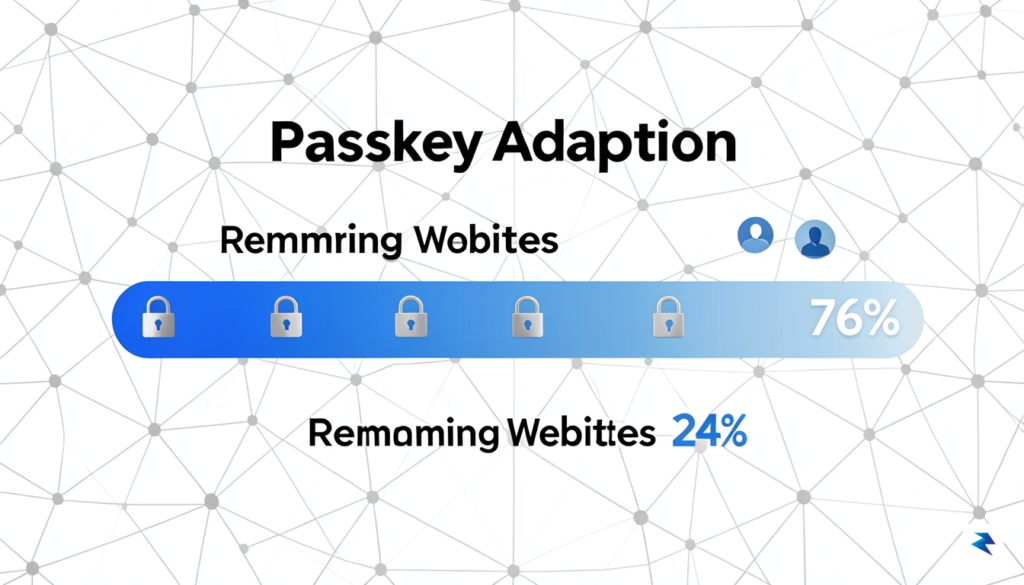
The findings from this initiative are quite revealing and, for many security advocates, deeply concerning. It has brought to light the sobering fact that nearly a quarter of the world’s most popular websites, those relied upon by millions daily for everything from banking to social media, have yet to implement passkey support. This means a significant segment of online users are still forced to rely on outdated, less secure password-based authentication, leaving them vulnerable to common cyber threats. This lack of adoption isn’t just a technical oversight; it represents a tangible gap in user security and a failure to meet evolving industry best practices, despite the FIDO standards being widely available and supported by major operating systems.
In an era where data breaches are unfortunately commonplace and cybersecurity threats grow ever more sophisticated, transparency regarding security protocols is no longer a niche concern but a fundamental consumer expectation. Users are increasingly aware of the risks associated with weak authentication and are beginning to demand better. The new public tracking initiative serves as a powerful catalyst, providing consumers with clear, actionable information about which companies are prioritizing their digital safety and which are not. This level of public accountability is crucial, pushing companies to not only talk about security but to actively implement the advanced measures like passkeys that protect their users. It transforms security from a hidden backend process into a visible, competitive advantage, influencing user trust and engagement in a highly interconnected world.
Why Passkeys Are the Gold Standard for Security
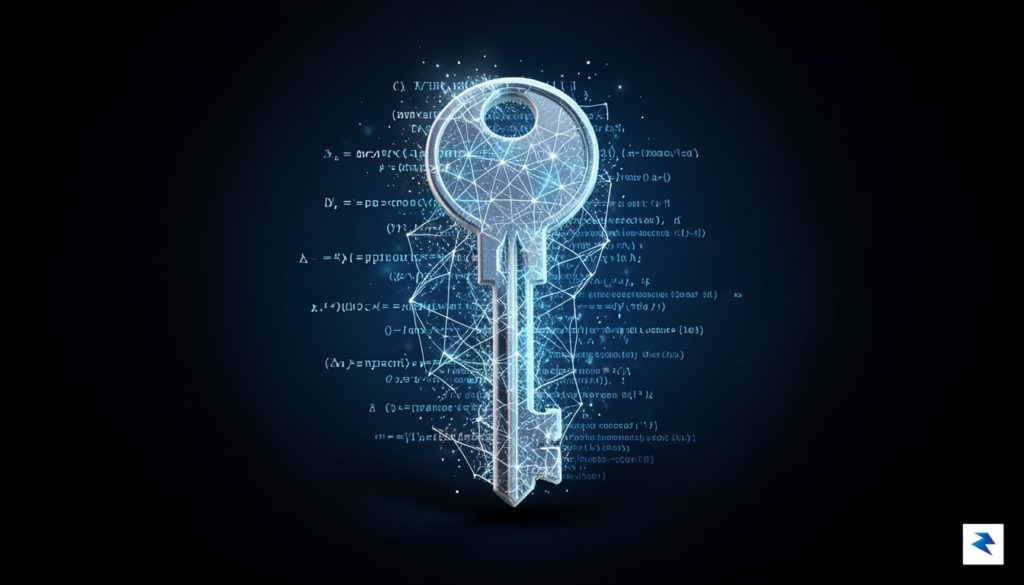
At their core, passkeys represent a fundamental departure from the antiquated practice of relying on shared secrets—passwords—that are prone to theft and human error. Unlike traditional credentials, which reside on a server and can be leaked during a data breach, a passkey functions through public-key cryptography. When you set up a passkey, your device generates a unique cryptographic key pair: a public key stored by the service provider and a private key that never leaves your personal hardware. Because the private key is securely locked within your device’s specialized security module, it is practically impossible for an attacker to intercept or replicate your credentials, regardless of how many databases a company might lose to hackers.
This technical architecture provides a near-total immunity to the most pervasive threats facing modern internet users, most notably phishing and credential stuffing. Because a passkey is cryptographically bound to the specific domain where it was created, it simply will not work on a fraudulent or spoofed website, even if a user is tricked into visiting a malicious link. Since there is no password to type, cybercriminals have no “secret” to steal, effectively rendering the entire industry of password-harvesting phishing kits obsolete. This shift transforms security from a game of constant vigilance into a passive, invisible layer of protection that operates automatically in the background.
The Intersection of Convenience and Defense
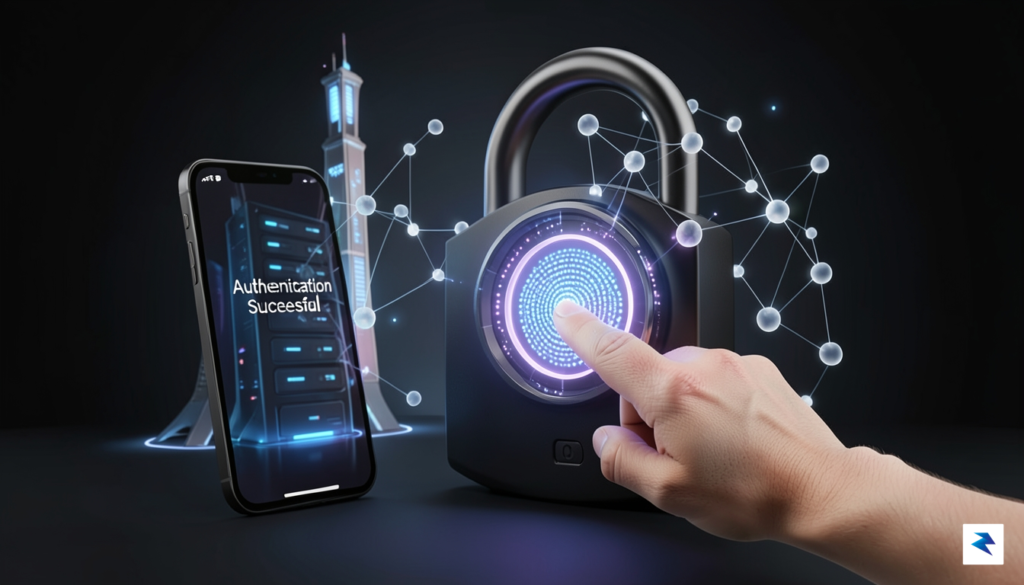
Beyond the robust security architecture, the user experience benefits of passkeys are profound. Instead of forcing users to memorize complex, unique character strings for every account—often leading to “password fatigue” and the dangerous habit of reusing simple passwords—passkeys leverage the biometric sensors already present on your devices. By utilizing FaceID, TouchID, or a device PIN, you authenticate your identity locally. This process is not only faster than typing a long, complicated password, but it also removes the friction of multi-factor authentication (MFA) codes that are often intercepted via SIM-swapping or SMS-based attacks.
Passkeys turn the act of logging in from a tedious, high-risk chore into a seamless, high-security event that leverages the hardware you already carry every day.
Furthermore, because passkeys are synchronized across your devices through secure, end-to-end encrypted cloud services, you no longer have to worry about losing access to your accounts if you misplace your phone or computer. The transition to this standard is not just a technological upgrade; it is a necessary evolution in human-computer interaction. By moving away from human-memorable strings and toward machine-verifiable cryptographic proofs, the web becomes a significantly safer environment where the burden of security is shifted away from the user and onto the hardware itself.
The 24% Problem: Why Major Sites Are Lagging
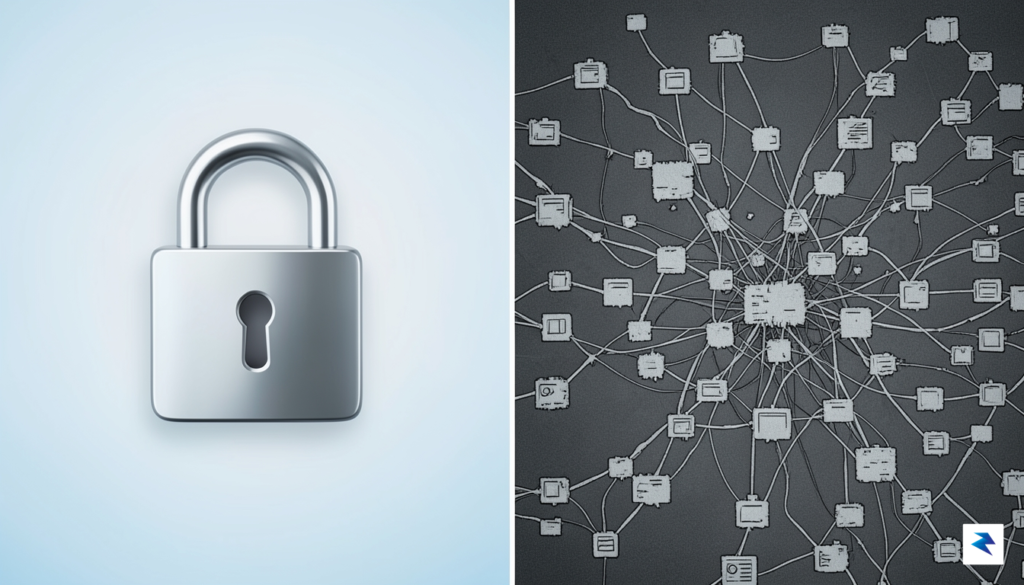
When we examine the landscape of digital security, the benefits of passkeys—namely their resistance to phishing and the elimination of password fatigue—seem indisputable. However, the fact that nearly a quarter of the world’s most prominent websites have yet to adopt this standard reveals that the transition is far from a simple software update. For large-scale enterprises, authentication is rarely a standalone module; it is deeply embedded within a complex web of legacy infrastructure. Refactoring these systems to support FIDO2 and WebAuthn protocols requires a significant investment of time and engineering resources, often forcing teams to choose between implementing modern security features and addressing immediate, user-facing product roadmap goals.
A primary friction point for these organizations is the daunting challenge of maintaining cross-platform compatibility across a global, diverse user base. While modern operating systems and browsers have largely embraced passkey standards, many large sites must still cater to users operating on outdated hardware, older mobile devices, or legacy browser versions that simply do not support cryptographic key storage. Abandoning password-based entry entirely could effectively lock out a significant portion of their audience, leading to an unacceptable spike in support tickets and lost revenue. Consequently, many companies are trapped in a state of hybrid authentication, where they must maintain the old system while building out the new one, effectively doubling their maintenance burden.

The transition to passwordless authentication is not merely a technical migration; it is a fundamental shift in how a company manages its entire user identity lifecycle.
Furthermore, there is a pervasive fear of account recovery complications that keeps risk-averse security teams on the sidelines. Passwords, despite their flaws, are familiar; users understand that if they forget them, they can reset them via email. With passkeys, the recovery process is inherently tied to the user’s device or cloud ecosystem, creating a new set of hurdles if a user loses their phone or switches platforms unexpectedly. For massive platforms with millions of users, even a small percentage of account recovery failures could trigger a massive logistical crisis for customer support departments. Until there is a more standardized, industry-wide approach to account recovery that feels as intuitive as a password reset link, many of the world’s most popular sites will likely continue to view the move to passkeys as a risk to user retention rather than just a security upgrade.
Ultimately, the barrier to entry is as much about psychological inertia and operational risk as it is about raw technical debt. Large organizations often function like massive ships that are difficult to steer; changing a core component as sensitive as login authentication requires a level of testing and redundancy that smaller startups can skip. Until the industry reaches a tipping point where passkeys become the default expectation for the average consumer, many large platforms will likely remain in this “wait and see” mode, balancing the desire for better security against the immediate, tangible costs of platform-wide change.
How to Audit Your Own Security Hygiene
While the digital landscape moves toward a passwordless future, the reality remains that many services still lag behind in modern security adoption. You do not have to wait for your favorite platforms to provide passkey support before you start hardening your personal digital infrastructure. By taking a proactive stance today, you can significantly reduce your attack surface and ensure that your credentials remain secure even when websites rely on outdated authentication methods.
The Personal Security Audit Checklist
Start your security audit by categorizing your most important accounts based on their current protection levels. Create a list of every service you use, noting which ones offer passkeys, which offer traditional two-factor authentication (2FA), and—most dangerously—which still rely solely on a standard password. For those accounts that haven’t yet adopted passkeys, your primary goal should be to implement the strongest possible secondary verification methods available to create a layered defense.
- Verify Passkey Readiness: Regularly check your account settings or centralized databases to see if passkey support has been enabled for your frequently used services.
- Consolidate with Password Managers: If a site does not support passkeys, ensure every single password is unique, complex, and generated by a reputable, encrypted password manager.
- Prioritize Hardware Security: Whenever a service allows it, bypass SMS-based codes and opt for hardware-backed security keys or robust authenticator apps to verify your identity.
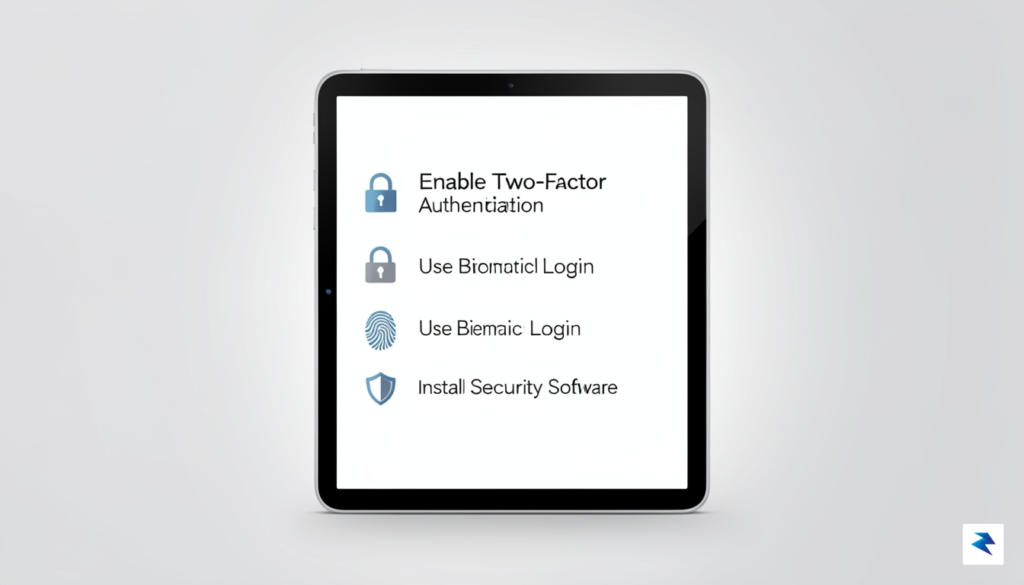
When passkeys are unavailable, your password manager acts as your most critical line of defense. It is vital to move away from reusing passwords across different platforms, as a single breach at one company can provide hackers with the keys to your entire digital life. By generating high-entropy, randomized strings for every site, you essentially neutralize the threat of credential stuffing attacks. Furthermore, ensure that your master password is truly unique and consider utilizing a physical security key to protect the vault itself, adding a hardware-backed layer that software-only solutions simply cannot match.
True digital autonomy requires treating every account as a potential target. Even if a service is slow to modernize its security protocols, your commitment to unique credentials and hardware-backed MFA provides a formidable bridge until the rest of the web catches up.
Ultimately, security is not a one-time setup but a continuous process of refinement. By periodically auditing your accounts and upgrading your verification methods, you transform from a passive user into an active guardian of your own data. Whether or not your service providers are ready to embrace the future of authentication, these foundational habits will keep your identity shielded against the persistent threats of the modern web.
The Future of Authentication: Moving Beyond Passwords

The transition away from password-based authentication is no longer a matter of technological capability, but one of collective momentum. While legacy systems remain entrenched in our digital infrastructure, the industry is witnessing a definitive shift toward passkeys—cryptographic credentials that offer superior security without the vulnerability of human error. Major browser vendors and operating system developers have already paved the way by integrating seamless biometric and local device authentication into the core of the web experience. As these platforms continue to tighten security protocols and prioritize phishing-resistant standards, the friction associated with traditional passwords will eventually become an unsustainable burden for developers and users alike.

Market pressure is currently acting as the primary catalyst for this evolution. When consumers are empowered with transparent data—such as public lists exposing companies that remain stuck in the past—the cost of inaction begins to outweigh the effort of implementation. We are rapidly approaching a tipping point where companies that refuse to adopt passkey technology will be viewed as fundamentally untrustworthy. In a digital landscape where data breaches are frequent and catastrophic, security is fast becoming a core component of brand value. Organizations that fail to evolve will likely find themselves at a distinct competitive disadvantage as security-conscious users migrate toward platforms that prioritize their digital safety.
The death of the password is inevitable because the security risks are no longer manageable for the average user, and the technology to replace them is already at our fingertips.
Ultimately, the era of the password is coming to an end, even if it is leaving the stage with stubborn reluctance. The future of authentication lies in a frictionless experience where the security happens in the background, invisible to the user yet impenetrable to attackers. As we move forward, the responsibility does not rest solely on developers; it also falls on the users to demand better standards. By choosing to support services that embrace modern, secure authentication methods and voicing dissatisfaction with those that don’t, we can accelerate the retirement of the password. It is time to treat authentication as a fundamental right of the digital age rather than an afterthought, ensuring that our personal data is protected by the most advanced tools currently available.