
Why 24% of Top Websites Are Still Ignoring Passkey Security
The State of Passkey Adoption in 2026 For many years, the technology industry has passionately championed a future free from the cumbersome…
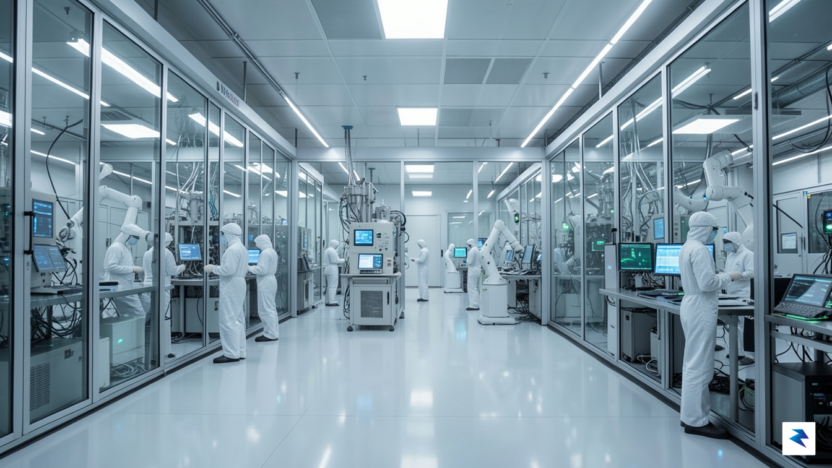
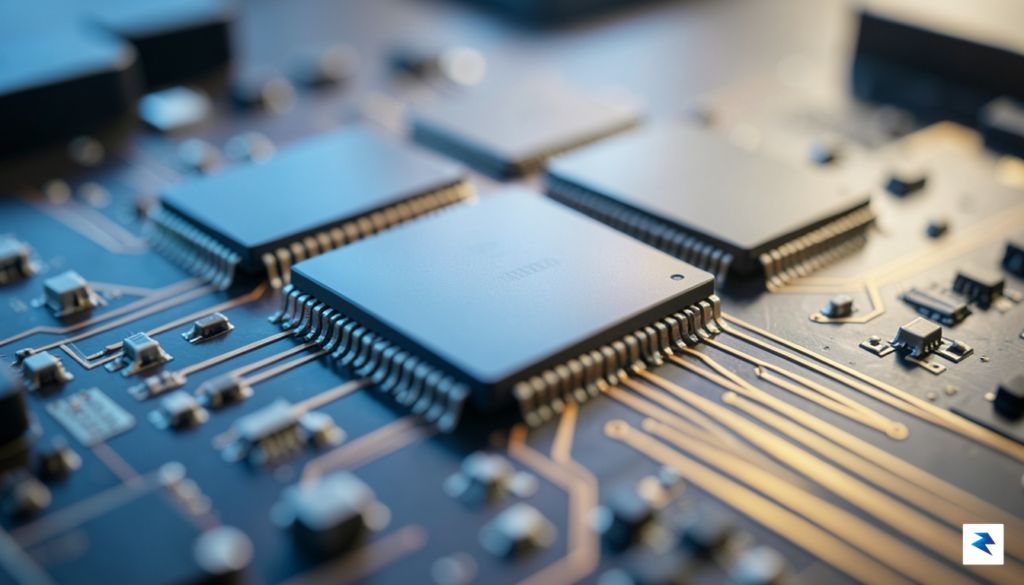
The digital world is undergoing a profound transformation, moving beyond the traditional computing paradigms that once defined our technological landscape. We are witnessing an unprecedented surge in demand for high-performance computing, driven primarily by the explosive growth of artificial intelligence, machine learning, vast data centers, and advanced autonomous systems. This isn’t just about faster processors; it’s about an entirely new architecture that requires an intricate ballet of immense data processing power and the ability to feed that power with an uninterrupted, high-speed flow of information. Consequently, components once considered mere commodities are now recognized as the critical backbone of this modern technological revolution.
Historically, memory chips were often viewed as standardized components, essential but frequently overlooked in favor of the flashier central processing units (CPUs) or graphics processing units (GPUs). However, the advent of AI-driven architecture has fundamentally reshaped this perception. AI models, particularly large language models and complex neural networks, are voracious consumers of data. They don’t just need to calculate quickly; they need to access, process, and store petabytes of information with incredible speed and efficiency. This intense requirement for data throughput and low latency has elevated memory from a supporting role to a starring one, making it an indispensable asset in the race for AI dominance.
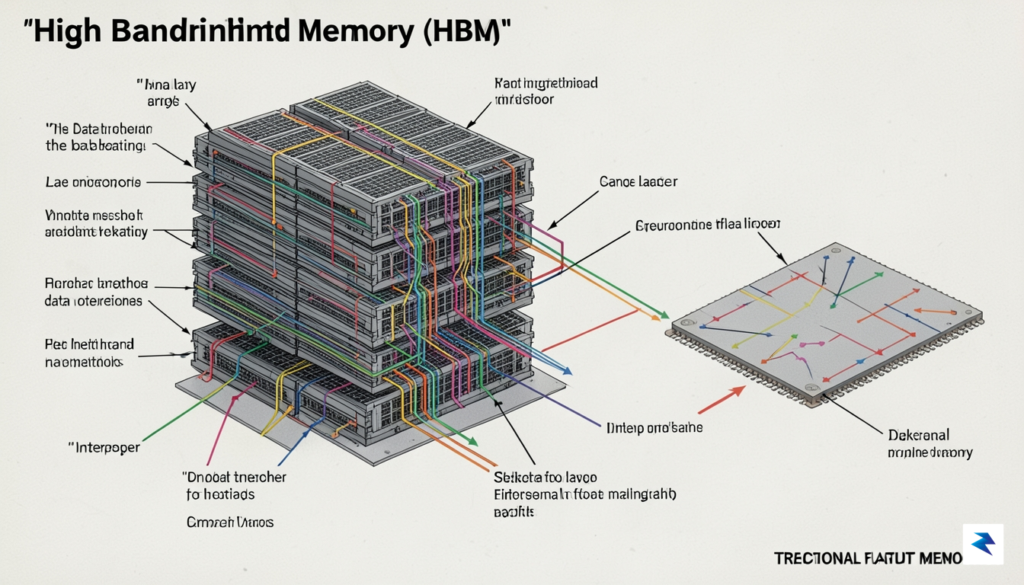
At the heart of this shift lies the specialized realm of High Bandwidth Memory (HBM) and other advanced storage solutions. Unlike conventional DRAM, HBM utilizes a stacked architecture, allowing for significantly higher data transfer rates by placing multiple memory dies directly on top of each other, connected by tiny through-silicon vias (TSVs). This innovative design drastically reduces the physical distance data must travel, enabling parallel processing on an unprecedented scale. As such, HBM and similar high-performance memory technologies have become the most valuable real estate in the tech world, directly determining the performance ceiling of AI accelerators and supercomputers. Without sufficient, ultra-fast memory, even the most powerful processors would be starved of data, rendering their immense computational capabilities underutilized.
This escalating demand, however, coincided with a sudden and significant supply crunch in the semiconductor industry. Geopolitical tensions, pandemic-related disruptions, and a global manufacturing capacity stretched to its limits created a perfect storm. The scarcity of these advanced memory components amplified their strategic importance and market value, transforming the landscape for manufacturers. What was once a competitive but somewhat predictable market suddenly became a seller’s paradise, especially for firms capable of producing cutting-edge HBM and other specialized memory solutions. This dynamic shifted the power balance, rewarding companies with established expertise and robust production capabilities.
The resulting shift in supply-demand dynamics has created an unparalleled opportunity for certain domestic chipmakers, allowing them to regain and solidify a competitive edge on the global stage. By leveraging their deep engineering prowess, significant investments in advanced manufacturing processes, and strategic positioning within key technological ecosystems, U.S. chipmakers have been able to capitalize on this memory chip surge. This period of intense demand and limited supply has not only highlighted the critical role of memory but has also underscored the strategic imperative for resilient, advanced semiconductor manufacturing capabilities closer to home, ultimately paving the way for substantial financial returns and renewed innovation within the sector.

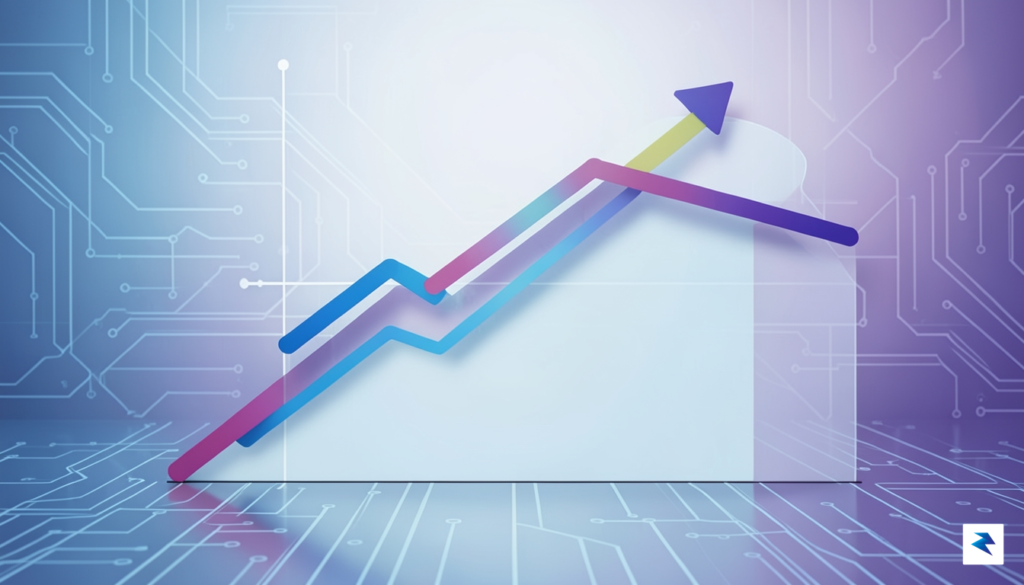
When a corporation pivots from a profit of $1.88 billion to a staggering $28.2 billion within a single fiscal year, it ceases to be a mere quarterly success story and instead signals a fundamental transformation in the global technology landscape. This exponential growth represents a rare paradigm shift where the confluence of supply chain constraints and insatiable demand for high-performance computing has created a perfect financial storm. By quadrupling revenue, the company has effectively captured the lion’s share of the premium memory market, turning what was once a cyclical commodity business into a high-margin powerhouse fueled by the artificial intelligence revolution.

The mechanics behind this windfall are deeply rooted in the compounding power of economies of scale combined with specialized manufacturing efficiency. As the firm ramped up production to meet the sudden, desperate need for high-bandwidth memory, its fixed costs—such as the massive capital expenditure required for semiconductor fabrication plants—were spread across a vastly larger volume of units. This efficiency allowed the company to drive down the cost-per-unit while simultaneously leveraging a premium pricing strategy. Because their specific architecture is essential for the latest generation of generative AI processors, they have effectively insulated themselves from the price volatility that typically plagues the broader memory industry.
The shift from $1.88 billion to $28.2 billion in annual profits is not just a statistical anomaly; it is a clear indicator that the value of specialized memory has decoupled from the traditional boom-and-bust cycles of the semiconductor market.
To put these figures into perspective, the company’s net margins now dwarf those of historical industry benchmarks, which have traditionally hovered in the low-to-mid double digits. By prioritizing the development of high-density, low-latency chips that are indispensable for data centers, the company has successfully transitioned from a volume-based manufacturer to an essential technology partner. This move has allowed them to dictate pricing rather than reacting to market fluctuations. Ultimately, this financial explosion confirms that in an era where data is the most valuable currency, the manufacturers of the “hardware infrastructure” that stores and processes that data are the ones reaping the greatest rewards.

The burgeoning field of Artificial Intelligence, particularly the rise of sophisticated large language models (LLMs) like those powering generative AI, has fundamentally reshaped the demands placed on computing infrastructure. These models are not merely data-hungry; they are voracious consumers of information, requiring processing of truly colossal datasets that dwarf anything seen in traditional computing paradigms. Consequently, the performance bottleneck for advancing AI capabilities has increasingly shifted away from raw computational power—measured in teraflops or petaflops—and towards the speed and efficiency with which data can be moved to and from the processing units. This pivotal change underscores a symbiotic relationship where the evolution of AI software is now inextricably linked to the advancements in specialized hardware, especially high-speed memory.
Training these monumental AI models involves sifting through petabytes of text, images, and other data, often adjusting billions, or even trillions, of parameters during each iteration. This process isn’t just about crunching numbers; it’s about constantly shuttling vast quantities of data—including the model’s parameters, intermediate computations, and input data—between the processor and its memory. Imagine a supercomputer tirelessly learning from the entire internet; every piece of information needs to be retrieved, processed, and stored back, often in rapid succession. If the memory can’t keep pace with the processor’s demands, the system grinds to a halt, wasting valuable compute cycles and extending training times from days to weeks or even months.
This challenge is widely known in the industry as the “memory wall”—a fundamental limitation where the speed of data transfer between the CPU/GPU and main memory has failed to keep pace with the exponential increases in processor speeds. For AI, this wall is particularly acute because of the sheer volume and constant flow of data required. Traditional DRAM, while effective for general computing, often lacks the necessary bandwidth to feed the insatiable appetite of modern AI accelerators. Without a significant leap in memory technology, even the most powerful graphics processing units (GPUs) designed for AI would be underutilized, leaving much of their immense computational potential untapped.
Anticipating this critical shift, a leading U.S. semiconductor manufacturer strategically positioned its product roadmap years ago to address this impending memory crisis. Rather than solely focusing on commodity memory, this company invested heavily in developing advanced memory solutions specifically tailored for high-performance computing and AI. Their innovation centered around High Bandwidth Memory (HBM), a revolutionary technology that stacks multiple memory dies vertically on a single package, dramatically increasing bandwidth and reducing the physical distance data must travel. This design allows HBM to deliver orders of magnitude higher data transfer rates compared to conventional memory modules, directly tackling the memory wall head-on.
This forward-thinking approach perfectly aligned with the emergent needs of AI hyperscalers and cloud providers like Microsoft, Google, and Meta. These tech giants, at the forefront of AI development, require memory solutions that can seamlessly integrate with their specialized AI accelerators and data centers. The high-speed, energy-efficient data delivery offered by HBM became indispensable for training their next-generation large language models and other complex AI algorithms. By providing memory that could finally unlock the full potential of AI processing units, this U.S. firm not only navigated a challenging market but also became a foundational pillar in the global AI infrastructure, demonstrating a profound understanding of the symbiotic relationship between advanced memory hardware and the future of artificial intelligence.

The semiconductor industry has long been characterized by its pronounced “boom and bust” cycles, where periods of rapid expansion and high demand are often followed by market saturation and price corrections. This inherent volatility makes the current windfall for US memory chip firms a fascinating case study, prompting a critical assessment: is this surge in profitability a sustainable new chapter driven by fundamental shifts, or merely another peak in the cyclical pattern, destined to recede? Understanding the forces at play, both internal and external, is crucial for discerning the long-term trajectory of these companies and the broader market.
A primary concern stemming from any period of rapid growth in the semiconductor sector is the risk of over-capacity. Historically, when demand soars, companies invest heavily in expanding fabrication facilities (fabs) to meet the perceived need. However, the lead time for constructing and equipping these advanced fabs can stretch for several years. Decisions made today based on robust demand could result in a glut of supply hitting the market simultaneously two or three years down the line, especially if global demand softens or new competitors emerge. Such an oversupply inevitably leads to intense price competition, eroding profit margins and potentially plunging even the most successful firms back into leaner times, a scenario that has played out repeatedly in memory chip markets.
Against this backdrop of cyclical risk, government initiatives like the CHIPS and Science Act in the United States introduce a new dynamic, aiming to foster greater stability in local production. By offering substantial subsidies, tax credits, and grants, the CHIPS Act directly incentivizes domestic manufacturing of semiconductors, including memory chips. For US companies, this support can significantly de-risk the massive capital expenditures required for new fabs, making domestic expansion more financially viable. This strategic investment not only bolsters national security by reducing reliance on vulnerable overseas supply chains but also aims to create a more resilient and geographically diversified manufacturing base, potentially shielding local production from certain global supply chain disruptions and fostering a more stable operational environment over the long term.
Beyond external market forces and government intervention, the sustainability of a memory chip company’s growth hinges significantly on its internal strategic decisions, particularly in portfolio diversification. Astute firms understand that relying solely on commodity memory products, which are most susceptible to price fluctuations, is a precarious position. Instead, they are actively pursuing strategies to move into higher-value, specialized memory segments critical for emerging technologies such as artificial intelligence, machine learning, high-performance computing, and advanced automotive systems. By developing proprietary technologies and securing long-term contracts with key customers in these growth areas, companies can create more stable revenue streams, mitigate the impact of swings in the broader memory market, and build a more robust business model less dependent on a single market trend. This strategic pivot towards specialization and diversification is arguably the most potent safeguard against the semiconductor industry’s inherent cyclicality.
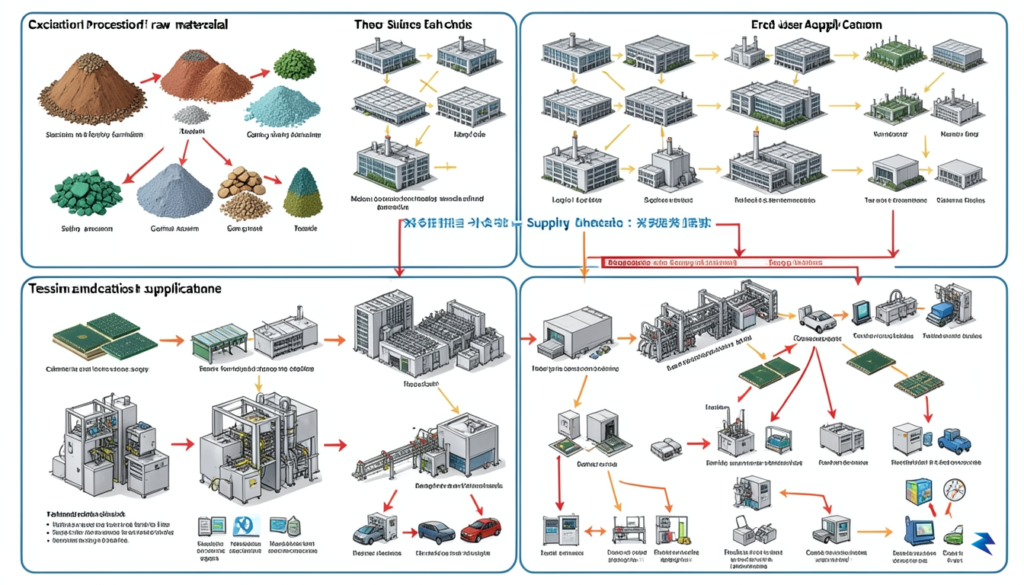
Ultimately, while the current memory chip boom presents an undeniable opportunity for significant profit, its sustainability is a complex interplay of market dynamics, geopolitical factors, and company-specific strategies. The historical lessons of over-capacity loom large, but the mitigating factors of targeted government support and a proactive shift towards diversified, high-value product portfolios offer a more optimistic outlook for firms that can navigate these multifaceted challenges effectively. The coming years will reveal whether this current surge represents a genuine structural shift or simply a more resilient iteration of the industry’s familiar cyclical pattern.

The remarkable turnaround and subsequent staggering profitability achieved by a leading U.S. memory manufacturer stand as a profound testament to the untapped potential within domestic manufacturing and strategic investment. For market analysts, this narrative isn’t just about a company capitalizing on a supply crunch; it’s a robust blueprint for resilience, innovation, and strategic positioning in an increasingly volatile global economy. It underscores the critical importance of vertically integrated supply chains, advanced R&D capabilities, and the ability to pivot rapidly in response to market demands, particularly in foundational technologies like semiconductor memory. This success story signals that significant returns are indeed achievable for companies that commit to high-value domestic production, challenging the long-held assumption that manufacturing profitability is solely dictated by the lowest labor costs abroad.
Looking deeper, this resurgence carries immense implications for U.S. manufacturing jobs and, crucially, for technological sovereignty. The investment in state-of-the-art fabrication facilities and a highly skilled workforce directly translates into thousands of high-paying jobs, spanning from advanced engineering and materials science to precision manufacturing and logistics. Beyond mere employment numbers, it represents a crucial step towards re-establishing America’s leadership in a sector vital to national security and economic independence. By reducing reliance on concentrated overseas production, the U.S. mitigates risks associated with geopolitical instabilities, trade disputes, and natural disasters, ensuring a more secure and predictable supply of critical components. This movement towards a more self-reliant tech ecosystem is not just a commercial endeavor but a strategic imperative, fostering a robust domestic talent pipeline and safeguarding intellectual property.
As we transition further into the AI era, the strategic importance of memory chips is only set to amplify, shaping how the entire industry will evolve. Advanced AI models, from large language models to sophisticated machine learning algorithms, demand exponentially greater quantities of high-bandwidth, energy-efficient memory to process vast datasets at incredible speeds. The U.S. firm’s ability to innovate in this space, developing next-generation memory solutions, positions it as an indispensable enabler for future AI breakthroughs. This success story therefore offers a compelling outlook: it suggests a future where hardware innovation, particularly in memory and processing, will become even more tightly integrated, driving demand for specialized talent and sustained investment in cutting-edge manufacturing. Ultimately, the lessons learned from navigating the recent memory chip boom will serve as a foundational guide for navigating the complex and rapidly accelerating landscape of future technological innovation.
You must be logged in to post a comment.