
The Shifting Regulatory Landscape for Crypto in Europe

The implementation of the Markets in Crypto-Assets (MiCA) regulation stands as a watershed moment for the digital asset industry, marking the transition from a “Wild West” era to a structured, institutionalized environment. As the world’s first comprehensive legislative framework specifically designed for crypto, MiCA provides a harmonized set of rules across all 27 European Union member states. By establishing clear requirements for transparency, disclosure, and consumer protection, the European Union has effectively signaled that the era of regulatory ambiguity is over. For global exchanges, this means that operating within the bloc is no longer a matter of choice or creative interpretation, but a rigorous commitment to standardized legal compliance.
One of the most transformative elements of this new regime is the introduction of “passporting” rights. Under the MiCA framework, once a crypto-asset service provider (CASP) secures a license in a single EU member state, they gain the legal authority to offer their services across the entire European Economic Area. This mechanism creates a powerful incentive for exchanges to seek a primary foothold in a jurisdiction that balances regulatory rigor with market accessibility. While this makes the continent an attractive destination for growth, it also raises the stakes for compliance; a failure to meet these high standards in one region can jeopardize an exchange’s ability to operate throughout the entire union, making regulatory adherence a vital component of business longevity.

MiCA is not merely a set of hurdles to clear; it is a fundamental shift in the industry’s social contract, moving from decentralized autonomy to a regulated framework that demands accountability from global players.
Consequently, regulatory compliance has evolved from a suggested best practice into an absolute necessity for survival. Exchanges that once thrived by operating in gray areas are now facing a stark reality: they must either invest heavily in the infrastructure required to meet EU standards or face forced exit from one of the world’s largest financial markets. This shift is driving a “flight to quality,” where the industry’s largest players are forced to prioritize long-term stability and legal certainty over rapid, unchecked expansion. As the deadlines for various MiCA provisions approach, the European market is rapidly becoming a litmus test for the global crypto industry, determining which platforms are capable of maturing alongside the regulatory landscape and which will be left behind by the march of institutional integration.
Why Binance Withdrew its Greek MiCA Application

The decision to retract the registration application in Greece should be viewed as a calculated recalibration rather than a signal of waning interest in the European market. Navigating the regulatory landscape of the European Union is a notoriously complex endeavor, as individual member states often maintain distinct oversight frameworks that precede the full, harmonized implementation of the Markets in Crypto-Assets (MiCA) regulation. By streamlining its efforts, Binance is effectively moving away from a fragmented, country-by-country registration model in favor of a more centralized strategy that aligns with the broader, unified compliance mandates that MiCA will soon enforce across the entire bloc.

Operating a global exchange requires significant human and financial resources, particularly when dealing with the administrative burden of maintaining active regulatory applications in multiple jurisdictions simultaneously. Binance’s strategic pivot suggests a desire to concentrate its internal compliance teams and legal resources on jurisdictions that offer the most efficient, streamlined pathways to full MiCA authorization. Instead of stretching resources thin across various local regulators who may have conflicting timelines or procedural requirements, the exchange is choosing to prioritize hubs that provide greater long-term scalability. This optimization allows the company to reinforce its structural integrity, ensuring that when the transition to the full MiCA regime occurs, its internal processes are already robust and ready for pan-European operations.
This move is a business optimization strategy, not a systemic failure or a departure from the European vision; it is about choosing the most effective route to long-term regulatory integration.
Ultimately, this development reflects the maturation of the cryptocurrency sector as it moves from a wild-west era into one of formal institutionalization. For users, this shift does not equate to an abandonment of service, but rather a refinement of where and how the company builds its regulatory foundations. By focusing on key markets where the regulatory infrastructure is most conducive to the forthcoming MiCA standards, Binance is positioning itself to be more agile and resilient. This proactive consolidation ensures that the exchange can maintain high standards of consumer protection and transparency, while simultaneously avoiding the unnecessary overhead that comes with managing redundant applications during this transitional period in European law.
The Strategic Necessity of a MiCA-Compliant Hub

As the July 1 deadline for the Markets in Crypto-Assets (MiCA) regulation looms on the horizon, the European crypto landscape is bracing for a fundamental shift in how digital assets are traded and managed. For a global giant like Binance, this date represents more than a mere administrative milestone; it is an existential threshold that dictates the platform’s ability to maintain its vast European user base. Failing to secure a permanent regulatory home within a member state by this time risks creating a fragmented service model, potentially forcing the exchange to curtail offerings or exit specific markets entirely to avoid non-compliance. The pressure is compounded by the fact that MiCA is designed to create a “passporting” system, where a license obtained in one EU country grants the right to operate across the entire bloc, making the selection of a primary hub a high-stakes strategic maneuver.
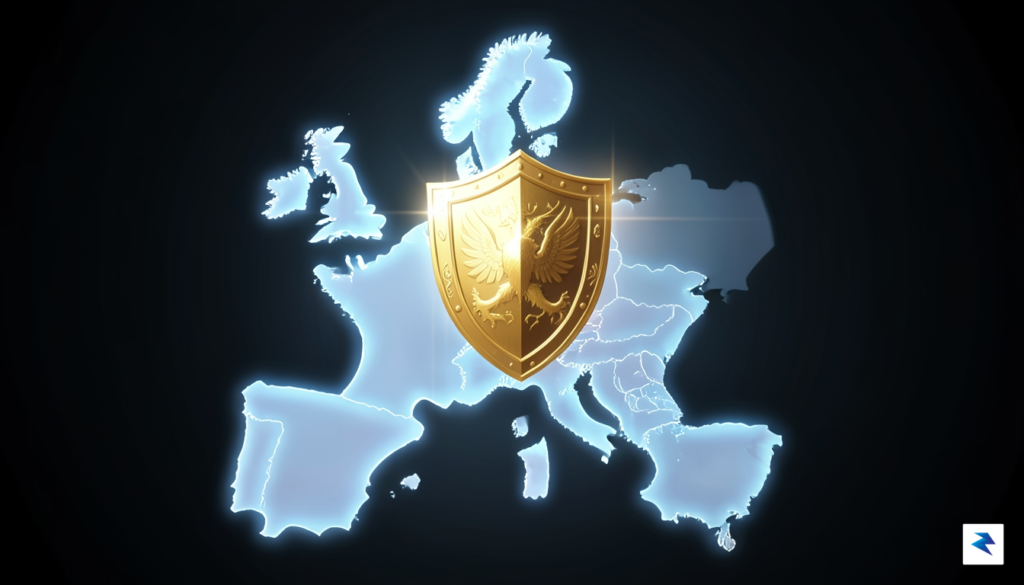
Establishing a definitive home base is not just about ticking a bureaucratic box; it is the cornerstone of providing long-term legal certainty for millions of investors. Without a centralized hub that satisfies the rigorous standards of the European Securities and Markets Authority (ESMA), the exchange faces the constant threat of operational disruptions and regulatory scrutiny that could jeopardize user funds and account accessibility. By rooting its operations in a stable, MiCA-compliant jurisdiction, Binance aims to foster a transparent relationship with regulators, which in turn builds the trust necessary for retail and institutional investors to engage with crypto markets confidently. This legal anchor serves as a protective layer, ensuring that even as the regulatory environment evolves, the exchange remains shielded by a clear and predictable framework.
The transition to a unified EU regulatory framework is not a hurdle to be overcome, but a prerequisite for the maturation of the digital asset industry in Europe.
Choosing the ideal member state for this regulatory headquarters involves a complex balancing act, as each nation offers a distinct set of trade-offs regarding its economic and political climate. While some countries are aggressively courting crypto firms with favorable tax structures and simplified licensing paths, others prioritize strict consumer protection, resulting in a more arduous application process. Binance must weigh the availability of top-tier fintech talent, the proximity to traditional financial hubs, and the inherent receptivity of local regulators to innovation against the potential for high operational costs. Ultimately, the decision will determine the exchange’s agility in the European market for years to come, forcing leadership to prioritize long-term stability and regulatory alignment over short-term geographical convenience.
What This Means for European Binance Users

For the millions of individuals across the European Union who rely on Binance for their daily digital asset management, news of the exchange withdrawing its registration application in Greece may initially feel unsettling. However, it is essential to distinguish between corporate-level regulatory maneuvering and the actual safety of individual user accounts. This decision is primarily a strategic pivot in how the exchange aligns itself with the European Union’s Markets in Crypto-Assets (MiCA) regulation, rather than a sign of operational instability. Your assets remain secure, and the platform continues to function as usual, as these administrative filings are distinct from the technical security protocols that safeguard your private keys and wallet balances.
The regulatory landscape in Europe is shifting rapidly, and major exchanges are frequently adjusting their legal frameworks to comply with evolving mandates. While Binance has chosen to withdraw its specific application in Greece to better streamline its broader European strategy, this move does not imply a withdrawal of services for Greek or other European residents. Instead, the company is demonstrating a commitment to consolidating its efforts under more centralized regulatory entities. Consequently, users should not interpret this as a signal to move their funds; the core infrastructure, liquidity, and security measures that govern your account remain firmly in place, entirely unaffected by these bureaucratic shifts in jurisdiction.
To navigate these updates with confidence, it is vital to remain vigilant regarding where you source your information. In an era where speculation can easily turn into alarmism, official communication channels are your most reliable resource. We strongly advise users to monitor the following to ensure they stay informed:
- Official Announcements: Always verify news through the official Binance blog or verified social media accounts, rather than relying on unconfirmed rumors circulating on forums.
- Platform Notifications: Keep your email and app notifications enabled, as the exchange will communicate any service-level changes directly to your account dashboard.
- Regulatory Compliance Pages: Periodically review the exchange’s dedicated compliance or legal transparency pages, which provide the most accurate breakdown of their active registrations across different EU member states.
It is important to remember that regulatory registration is a process of ongoing dialogue between exchanges and authorities. A change in filing status is often a technical requirement of that dialogue, not a disruption of the services you access daily.
Ultimately, the goal of these regulatory requirements is to foster a safer, more transparent environment for crypto participants throughout the continent. Binance’s stated intent to remain a key player in the European market suggests that they are working toward a long-term, sustainable presence that adheres to the highest standards of the MiCA framework. By maintaining a focus on official updates and continuing to utilize standard security practices—such as enabling two-factor authentication and maintaining strong account hygiene—you can navigate this period of regulatory transition with total peace of mind.
Looking Ahead: The Future of Crypto Exchanges in the EU

The strategic recalibration of major crypto entities within the European Union signals a broader, inevitable maturation of the digital asset sector. As the Markets in Crypto-Assets (MiCA) regulation transitions from a theoretical framework into a lived reality, we can expect a wave of consolidation across the continent. Smaller exchanges that lack the capital reserves or legal infrastructure to navigate these rigorous compliance protocols will likely exit the market or seek acquisition by larger, better-capitalized players. This shift is not merely a bureaucratic hurdle; it is a fundamental transformation that prioritizes long-term sustainability over rapid, unchecked expansion.

In the coming months, the industry should prepare for a landscape defined by higher barriers to entry but significantly greater credibility. By aligning with standardized EU oversight, exchanges are effectively clearing the path for mass institutional adoption. Historically, pension funds, asset managers, and traditional banking institutions have remained wary of the crypto space due to the prevalence of regulatory grey areas and security vulnerabilities. MiCA serves as a standardized “rulebook” that provides the legal certainty these institutional giants require to allocate capital into digital assets. Consequently, we are likely to see a shift from a retail-dominated market to a more balanced ecosystem where institutional liquidity plays a central role.
The transition toward a regulated European crypto market is not a signal of decay, but a necessary evolution that shifts the industry from a “wild west” frontier to a foundational component of the modern financial system.
Ultimately, the friction caused by compliance requirements is a small price to pay for the long-term health of the ecosystem. While the immediate withdrawal of certain registration bids may create temporary uncertainty for local users, the end result will be a more resilient and consumer-protected environment. Markets that operate under clear, enforceable laws are inherently more attractive to global investment and innovation. As the European market stabilizes under the MiCA framework, it will likely serve as a gold standard for international policy, proving that digital assets can coexist with robust financial oversight without sacrificing the core innovations of blockchain technology.
Key Long-Term Implications for the EU Market:
- Increased Consumer Trust: Standardized reporting and transparency requirements will significantly reduce the risk of platform insolvency and fraudulent activities.
- Institutional Integration: Regulatory clarity will facilitate the entry of traditional financial service providers, bringing more diverse products to market.
- Operational Efficiency: Once the initial compliance phase is complete, companies will benefit from a “passporting” system, allowing them to operate seamlessly across all EU member states with a single license.