
The Best LED Face Masks of 2026: Expert-Tested and Ranked
The Science Behind Red Light Therapy Masks While the concept of wearing a glowing, futuristic mask might feel like something out of a science…


The intersection of artificial intelligence and the music industry has long been defined by a tense standoff, characterized by fears of unauthorized data scraping and the displacement of human ingenuity. For months, the discourse has centered on the proliferation of AI-generated tracks that mimic the vocal timbres and stylistic nuances of famous artists without their permission. This environment has fostered a climate of litigation and defensiveness, where the primary objective for many labels and creators has been the protection of intellectual property at all costs. While various platforms have experimented with generative models to create background music or synthetic soundscapes, these efforts often feel disconnected from the soul of the artistic process, threatening to relegate the human creator to the sidelines of their own craft.

In a decisive move to challenge this adversarial dynamic, Deezer is pivoting toward a model that views AI not as a replacement for the musician, but as a sophisticated tool for structured interaction. Unlike the industry-standard approach—which often treats AI-driven remixes as copyright-infringing noise—Deezer’s latest initiative is built upon the foundational principle of artist consent. By embedding guardrails that ensure every remix is sanctioned by the original creator, the platform is effectively turning the concept of AI on its head. Instead of fueling the “deepfake” epidemic, this framework transforms fans from passive listeners into authorized collaborators, allowing them to explore the textures of a song within a sandbox that respects the artist’s vision and proprietary rights.
This shift represents a fundamental evolution in how we conceive of digital music consumption. By moving away from the paradigm of the “untouchable” recorded master, Deezer is inviting audiences to engage with their favorite catalogs in a more active, participatory way. This is not merely about adding a filter or changing the tempo; it is about creating a symbiotic ecosystem where the artist maintains final authority over how their brand and work are interpreted.
By placing the power of remixing squarely within a framework of legal and creative consent, the industry may finally be finding a middle ground where technological innovation and artistic integrity can coexist.
Ultimately, this approach could set a new industry benchmark for transparency. As the lines between the creator and the consumer continue to blur, providing fans with a legitimate, approved avenue to remix music satisfies the growing demand for interactive experiences without compromising the livelihoods of the artists themselves. By prioritizing this collaborative bridge, Deezer is positioning itself as a leader in a future where AI is used to deepen, rather than dilute, the connection between a performer and their audience.
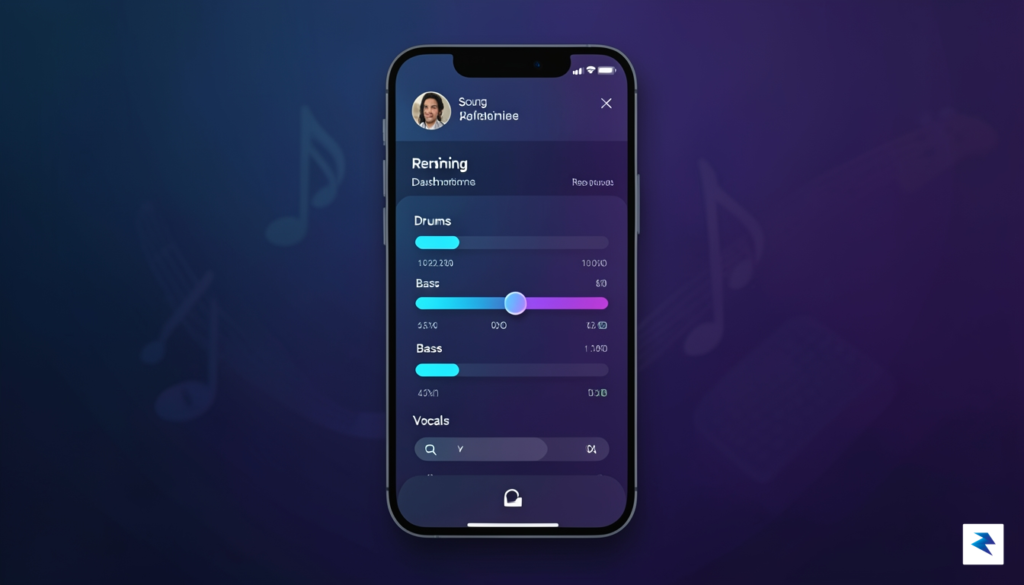
At the heart of Deezer’s remixing innovation lies a sophisticated architecture built on the separation of audio stems. Rather than allowing users to feed raw tracks into a black-box AI model—a process that often leads to the unauthorized generation of deepfakes—the platform provides fans with pre-processed, isolated components of a song. By breaking a track down into distinct layers such as vocals, drums, bass, and synthesizers, the system empowers users to manipulate specific elements without compromising the structural integrity of the master recording. This stem-based approach acts as a technical guardrail, ensuring that listeners are interacting with the artist’s original sonic building blocks rather than training a model to mimic the artist’s identity entirely.
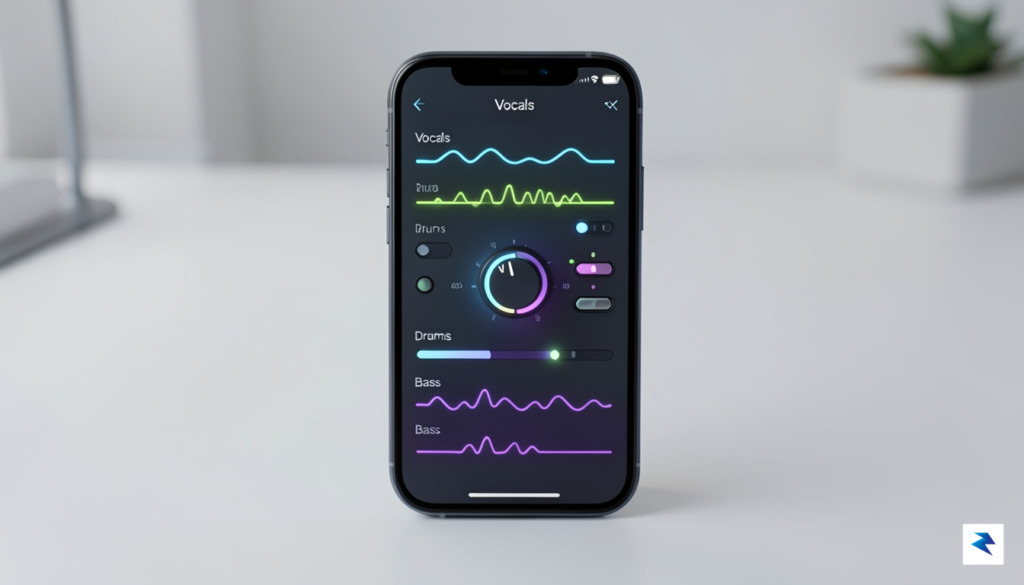
The user journey is designed to strike a delicate balance between professional-grade control and approachable creative freedom. Once a listener selects a participating track, they are presented with an intuitive interface that allows them to adjust the volume, tempo, and EQ profiles of individual stems. Because these adjustments are governed by pre-defined parameters set by the rights holders, the system prevents users from pushing the audio into distorted or unrecognizable territory. This controlled environment ensures that even the most experimental fan creations remain sonically coherent and faithful to the original production quality, maintaining the artist’s aesthetic vision even when that vision is being reinterpreted by a stranger.
By constraining the remixing tools to specific, artist-approved parameters, Deezer avoids the ethical pitfalls of generative AI while still delivering a highly engaging, interactive experience for its subscribers.
Furthermore, the system’s backend logic is strictly configured to prioritize legal and creative safety. By avoiding the use of generative AI for synthetic voice synthesis or melody creation, the platform bypasses the most controversial aspects of modern music technology. Instead, the focus remains on the “remix culture” of re-arranging, re-balancing, and re-mixing existing audio assets. This structural implementation ensures that the final output is always a derivative work of the original files, which simplifies the complexities of royalty attribution and distribution. By keeping the artist in the driver’s seat regarding which tracks are eligible for modification, Deezer creates a sustainable ecosystem where fans feel empowered to participate in the music-making process, while creators retain full control over how their professional catalog is manipulated and shared. This thoughtful implementation represents a significant step forward in how streaming services can foster community engagement without sacrificing the integrity of the art itself.
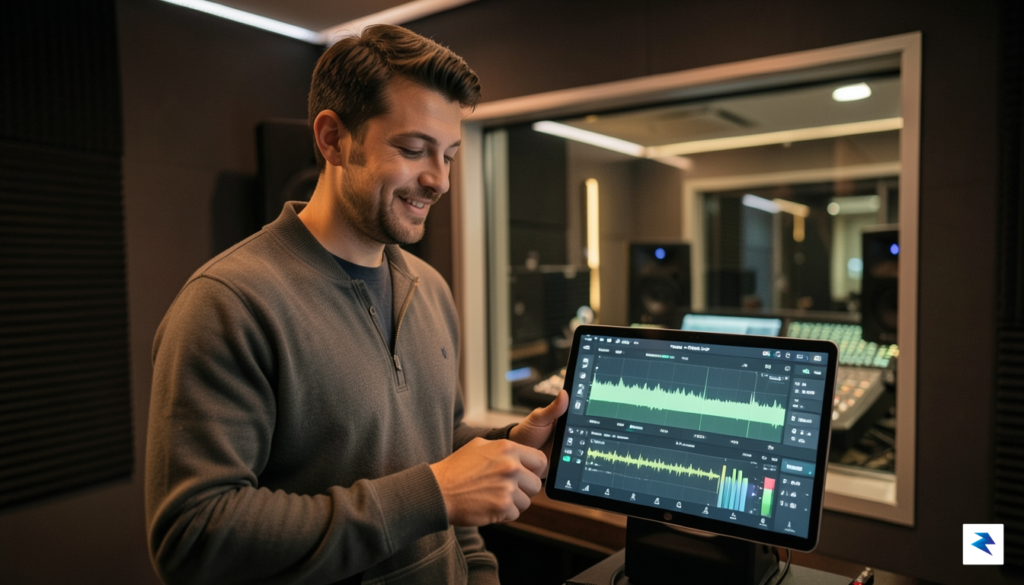
At the heart of this technological evolution lies a fundamental principle that has been largely absent in the broader discourse surrounding generative AI: the necessity of explicit artist consent. While many platforms have rushed to ingest vast libraries of copyrighted material without authorization—often treating the creative output of musicians as mere training data—Deezer is choosing a different path. By constructing a framework where creators retain granular control over how their compositions are reconstructed and reimagined, the company is establishing a necessary boundary between innovation and exploitation. This model ensures that the original creator remains the primary stakeholder in their own work, preventing the unauthorized dilution of their artistic brand while fostering a collaborative environment that respects the integrity of the original sound.
The “opt-in” model serves as the cornerstone of this sustainable integration, fundamentally shifting the power dynamic back toward the musician. Under this system, artists are not passive subjects being mined for their sonic DNA; rather, they are active participants who decide if, when, and how their tracks can be manipulated by fans. This level of autonomy is crucial because it allows artists to curate their digital presence and protect their intellectual property from being repurposed in contexts that might conflict with their personal values or professional vision. By requiring this affirmative permission, the platform effectively mitigates the risks associated with AI-driven content, ensuring that every remix exists as an authorized extension of the artist’s work rather than a parasitic derivative.

Furthermore, this approach provides a robust mechanism for addressing the long-standing issue of equitable compensation in the streaming age. When an artist consents to have their music available for remixing, they are simultaneously establishing a transparent framework for royalties and credit. This ensures that the original creator is not only acknowledged for their foundational contribution but also financially rewarded when new iterations of their work gain traction. By formalizing these protections, the industry can move toward a future where AI acts as a collaborative tool for fans and a revenue-generating opportunity for creators. Protecting intellectual property in this way is not merely a legal formality; it is an essential safeguard that preserves the value of human creativity in an increasingly automated landscape.
True creative innovation cannot thrive in an ecosystem that undermines the very people who produce the art; therefore, the future of music streaming must prioritize artist agency as the primary safeguard for intellectual property.
Ultimately, the long-term sustainability of AI in the music industry depends entirely on this commitment to artist-led governance. If creators feel that their work is being harvested without their input or fair compensation, they will naturally resist the technology, leading to legal friction and a fractured digital landscape. Conversely, by empowering musicians to set the parameters for how their music is modified, Deezer is creating a model that is both ethically sound and commercially viable. This strategy reinforces the idea that technology should serve the artist, not replace them, and provides a blueprint for how platforms can successfully bridge the gap between fan engagement and the preservation of artistic heritage.

Deezer’s pivot toward an “artist-first” model for AI-driven remixing represents a significant departure from the industry status quo, potentially forcing a reckoning among major competitors like Spotify and Apple Music. While these giants have largely focused on AI as a tool for algorithmic discovery or background curation, Deezer is betting on the idea that the future of streaming lies in active participation. By placing the power of creative manipulation directly into the hands of the listener—but only under the strict, explicit permission of the original artist—the platform is effectively creating a new ecosystem of authorized user-generated content. This strategy challenges the passive nature of current streaming libraries, transforming them from static archives into dynamic, collaborative canvases that invite a deeper, more intentional relationship between musicians and their audiences.
The ethical landscape surrounding AI in music has been fraught with tension, primarily driven by concerns over unauthorized deepfakes and the unlicensed ingestion of copyrighted works for model training. Unlike platforms that have faced backlash for “black box” AI implementations, Deezer’s framework prioritizes transparency and intellectual property rights. By requiring artist consent, the service creates a competitive advantage that appeals to the growing skepticism many creators hold toward tech companies. This approach not only safeguards the artistic integrity of the original compositions but also establishes a sustainable framework where artists can retain agency over their sonic identity, rather than being exploited by automated systems that operate without oversight or compensation.

Beyond the ethical considerations, this model opens the door for innovative revenue streams that could redefine the economics of streaming. As fans transition from passive listeners to active collaborators, the potential for licensed remix competitions, tiered access to creative tools, or even direct monetization of fan-made tracks becomes a tangible reality. This shift could incentivize loyal fans to invest more time and resources into their favorite artists’ ecosystems, thereby increasing retention and engagement metrics that streaming platforms have struggled to stabilize in recent years.
By turning the listener into a collaborator, Deezer is not just adding a feature; it is building a bridge between the creator’s vision and the fan’s passion, ensuring that technology serves the music rather than replacing it.
Ultimately, the industry is watching closely to see if this “permission-based” AI model can achieve scale. If successful, it may force a standard-setting moment where platforms are no longer judged solely by their library size, but by the level of creative autonomy they offer to their users. For creators, this represents a crucial safety net; for fans, it is an invitation to participate in the musical process in ways that were previously reserved for professional producers. By balancing innovation with a deep respect for the artist’s role, Deezer is positioning itself as a leader in a new, more collaborative era of digital music.

As the digital age matures, the very definition of music consumption is undergoing a profound transformation. We are rapidly moving toward a more participatory era where the traditional boundary between the artist and the audience continues to elegantly blur. Deezer’s pioneering initiative in offering AI-powered remixing tools, crucially underpinned by explicit artist consent, isn’t merely a novel feature; it serves as a foundational blueprint for how technology can effectively bridge the gap between human creativity and digital innovation. This approach provides a powerful model for the music industry, demonstrating that profound engagement and innovation can coexist harmoniously with respect for intellectual property and the creator’s vision.
Looking ahead, the long-term potential of such features extends far beyond simple fan engagement. We can envision a future where these interactive tools become central to the creative process itself. Imagine a vibrant ecosystem of collaborative remix contests, where established artists release stems or foundational tracks, inviting their global fan base to contribute their own interpretations and creative twists. These platforms could foster incredible communities, allowing aspiring producers and enthusiasts to hone their skills, learn from peers, and even gain recognition, potentially leading to new talent discovery within a truly democratized creative landscape. This transforms passive listening into active co-creation, deepening the bond between artists and their dedicated followers.
Furthermore, the widespread adoption of such participatory models could significantly influence the economic structures of the music industry. The emergence of decentralized royalty structures, perhaps leveraging blockchain technology, becomes a tangible possibility. In such a system, every contributor to a remix – from the original artist to the fan who crafted a viral new version – could be transparently and equitably compensated based on usage and popularity. This level of transparency and direct compensation would not only empower creators at all levels but also foster a more inclusive and fair musical economy, where the value generated by collaborative efforts is shared more broadly. It marks a significant step towards the broader democratization of music production, lowering barriers for creative input and recognizing diverse forms of contribution.
Ultimately, this trajectory points towards a future where music is less about a finished product consumed in isolation and more about a living, evolving art form shaped by collective imagination. The relationship between artists and their audience will evolve into a dynamic, two-way dialogue, fostering unprecedented levels of engagement and innovation. However, as we navigate this exciting frontier, it is absolutely critical that integrity remains the guiding force. Respect for artistic intent, transparent consent mechanisms, and robust frameworks for intellectual property protection must be the unwavering cornerstones upon which this new era of participatory listening is built. Only then can we truly unlock the full, transformative power of technology to enhance and expand the human experience of music.
You must be logged in to post a comment.