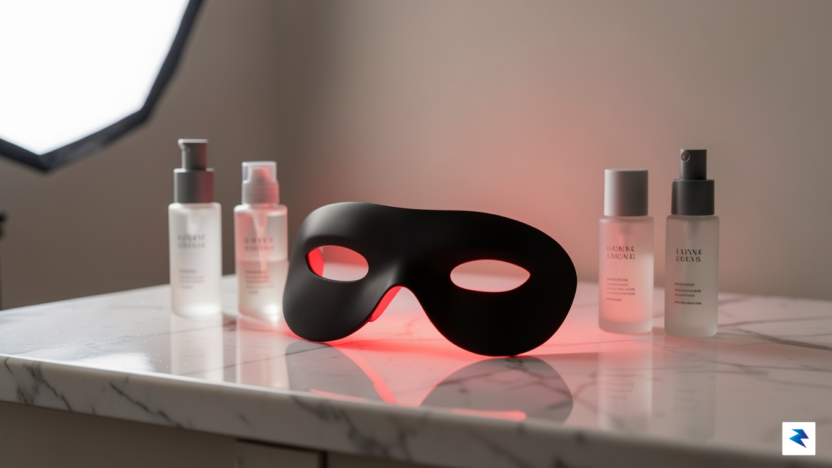
The Science Behind Red Light Therapy Masks
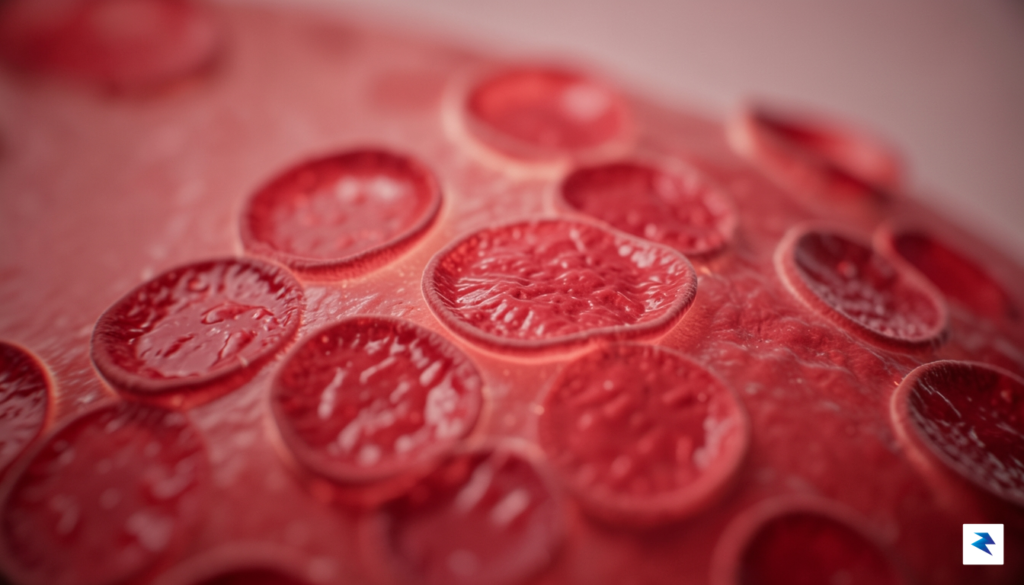
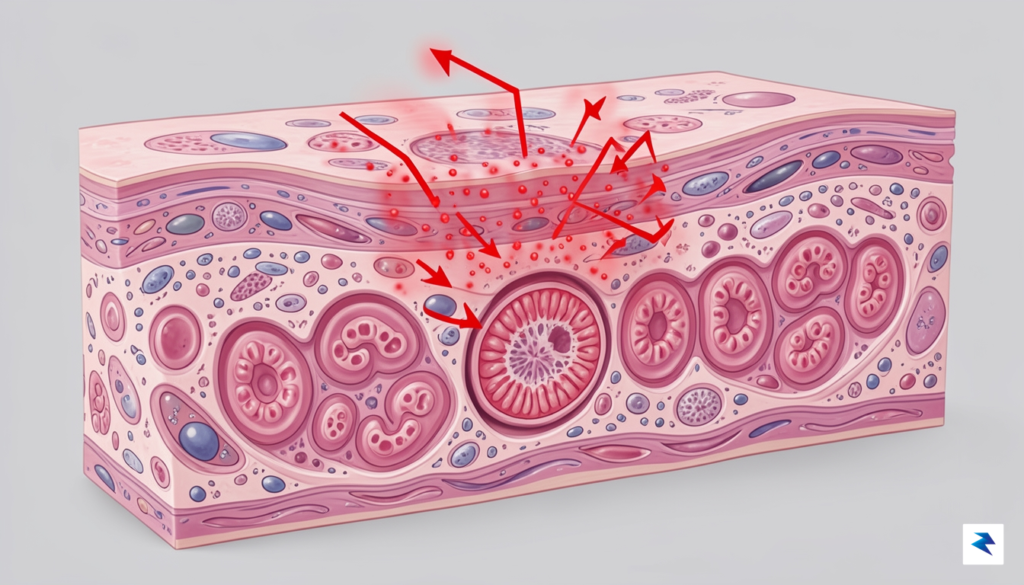
While the concept of wearing a glowing, futuristic mask might feel like something out of a science fiction film, the biological reality of red-light therapy (RLT) is grounded in well-documented principles of photobiomodulation. At its core, the technology relies on specific wavelengths of light—typically in the red (630–660nm) and near-infrared (810–850nm) spectrums—to interact with the mitochondria within our skin cells. Often referred to as the powerhouses of the cell, mitochondria absorb these photons and convert them into adenosine triphosphate, or ATP. This increase in cellular energy acts as a vital fuel source, effectively “waking up” sluggish cells and encouraging them to function with the efficiency of younger, more resilient tissue.
Once this metabolic boost is initiated, the secondary effects on skin health begin to materialize. The influx of ATP stimulates fibroblasts, the specialized cells responsible for producing collagen and elastin—the structural scaffolding that keeps skin firm and plump. By increasing the production of these proteins, consistent light exposure can help smooth fine lines and improve overall skin texture over time. Furthermore, red light has been shown to modulate the skin’s inflammatory response, helping to soothe redness and accelerate the repair of compromised barriers. It is important to remember, however, that this is a gradual, cumulative process rather than an overnight transformation; patience is the most critical ingredient in any consistent skincare routine involving light therapy.
The efficacy of an LED mask is not measured by the brightness of its glow, but by the precise delivery of specific, clinically validated wavelengths that the skin can actually absorb.
It is essential to distinguish between the high-powered medical devices found in clinical dermatology suites and the convenient, wearable masks designed for home use. Clinical devices often utilize high-intensity irradiance that can deliver concentrated energy in shorter sessions, whereas home-use masks are engineered with safety and comfort in mind, typically operating at lower power densities. While this makes home devices significantly safer for daily application and easier to integrate into a nightly ritual, it also means that users should maintain realistic expectations regarding speed and intensity of results. Home devices are designed to provide a gentle, steady support system for the skin, rather than a single, aggressive treatment.
Key Mechanisms of Action
- Mitochondrial Stimulation: Photons are absorbed by cytochrome c oxidase, boosting ATP production and accelerating cellular repair.
- Collagen Synthesis: Increased metabolic activity signals fibroblasts to ramp up the production of structural proteins, leading to improved elasticity.
- Reduction of Inflammation: By down-regulating pro-inflammatory cytokines, red light helps calm breakouts and reduce chronic surface redness.
- Enhanced Circulation: Improved microcirculation brings more oxygen and nutrients to the surface, resulting in the characteristic “lit-from-within” glow associated with consistent use.
Ultimately, the transition of this technology from the doctor’s office to the bedside table represents a significant leap in accessible skincare. By understanding that these masks function as a biological “battery charger” for your skin rather than a magical eraser, you can better appreciate the necessity of regular, consistent use. When treated as a long-term investment in cellular health, red-light therapy provides a sophisticated, non-invasive tool that works in harmony with your body’s own natural regenerative capabilities.
How We Evaluated the Top LED Masks
Navigating the saturated landscape of at-home skincare technology can be an overwhelming endeavor, as the market is currently flooded with hundreds of look-alike devices promising miraculous skin rejuvenation. To cut through the marketing noise and identify which masks actually deliver, we established a rigorous, multi-tiered testing protocol that prioritizes clinical efficacy over aesthetic appeal. Our evaluation process was designed to separate legitimate, laboratory-tested hardware from ineffective, mass-produced gadgets that offer little more than a dim, ambient glow.
At the core of our testing was the measurement of wavelength accuracy and irradiance. For red-light therapy to be effective, a mask must emit specific wavelengths—typically between 630nm (red) and 850nm (near-infrared)—at a sufficient intensity to reach the dermal layers of the skin. Using specialized light-metering equipment, we verified that each device maintained these precise specifications across the entire facial surface. Masks that failed to hit these spectral targets or exhibited significant power drop-offs were immediately disqualified, as consistency is the primary indicator of whether a device will stimulate collagen production or soothe inflammation effectively.
Ergonomics and Safety Standards
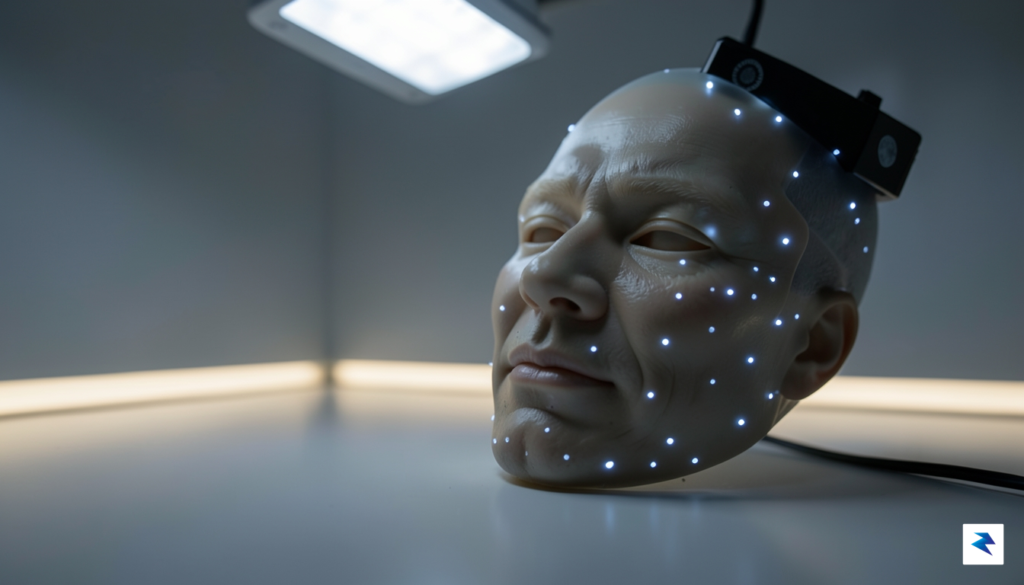
Beyond technical output, the physical design of the device plays a critical role in user compliance. We scrutinized the ergonomics of each mask, comparing the comfort of medical-grade silicone against rigid hard-plastic shells. A device, no matter how powerful, is useless if it is too cumbersome or uncomfortable to wear for the recommended 10-to-20-minute daily sessions. We favored designs that contoured naturally to various facial structures, ensuring that the light-emitting diodes (LEDs) remained at an optimal, uniform distance from the skin for consistent penetration.
Safety remains our non-negotiable benchmark; we exclusively prioritized devices that have achieved FDA clearance, as this certification verifies that the hardware has undergone independent testing to ensure it is free from electrical hazards and does not emit harmful UV radiation.
Furthermore, we evaluated the longevity and build quality of each unit. In the realm of skincare hardware, brand reputation is a reliable proxy for long-term reliability. We assessed the durability of the controllers, the integrity of the power cables, and the overall longevity of the LED arrays, as these components are prone to failure in cheaper, unverified models. By combining these quantitative performance metrics with subjective assessments of daily ease-of-use—such as battery life, interface intuitiveness, and portability—we arrived at a definitive ranking that ensures your investment is backed by both science and high-quality craftsmanship.
Understanding Wavelengths: Red vs. Near-Infrared
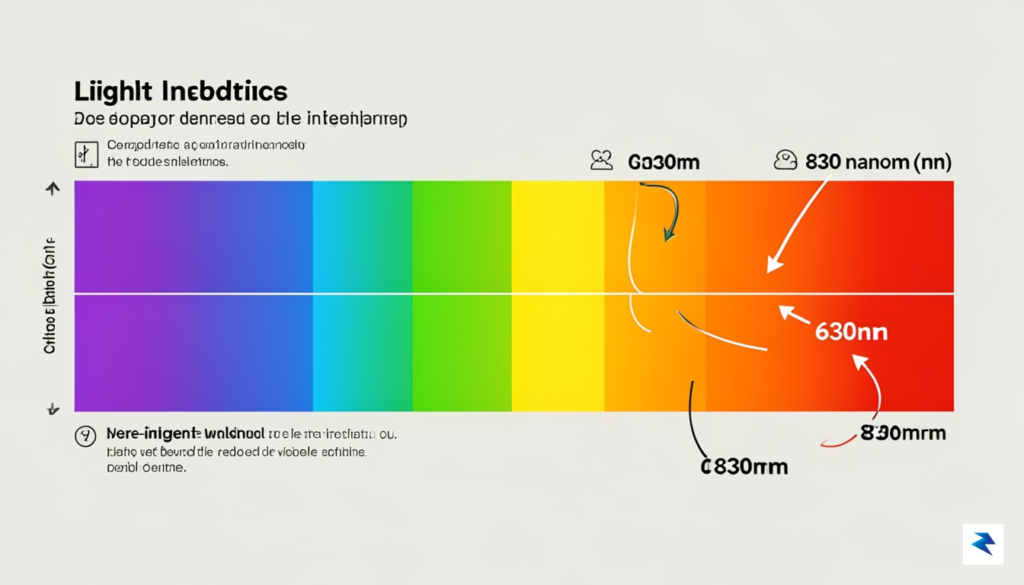
When shopping for an LED face mask, you will frequently see the terms “red light” and “near-infrared light” used interchangeably, but they serve fundamentally different functions for your complexion. To make an informed investment, it is essential to understand that these two light spectrums operate at distinct wavelengths, each targeting different layers of your skin tissue. Think of your skin as a multi-layered landscape: red light is your surface-level specialist, while near-infrared acts as the deep-tissue architect, working beneath the threshold of what the human eye can perceive.
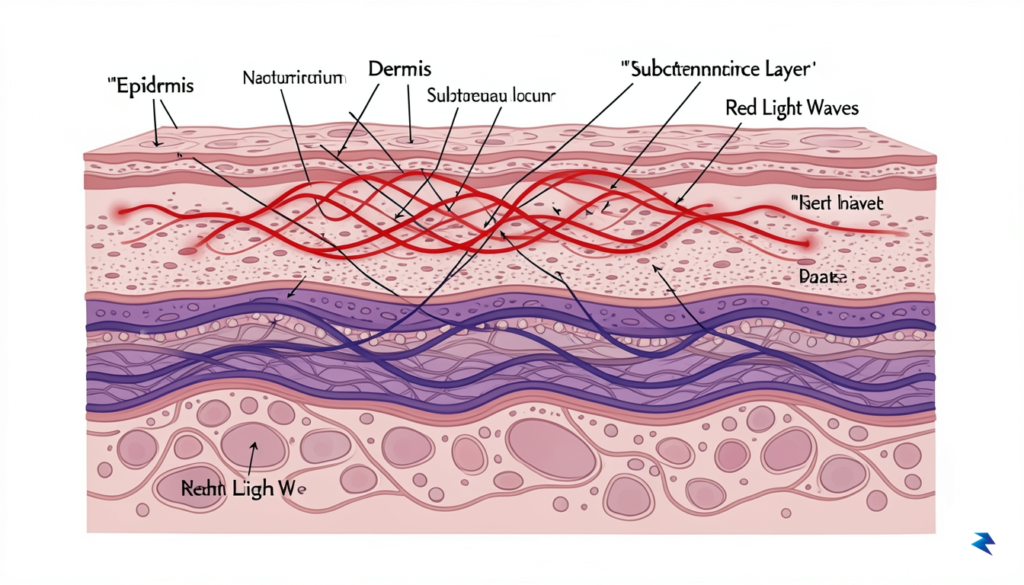
Visible red light—typically measured between 630 and 660 nanometers—is primarily responsible for superficial aesthetic improvements. When this light is absorbed by the skin, it stimulates the production of fibroblasts, which are the cells responsible for creating collagen and elastin. By focusing on the epidermis, red light effectively addresses concerns like uneven skin tone, dullness, and the appearance of fine lines. Regular exposure to this spectrum helps refine your skin’s overall texture, giving it a smoother, more radiant, and “lit-from-within” appearance that many users desire for daily maintenance.
In contrast, near-infrared light (NIR) operates at a longer wavelength, usually starting around 830 nanometers, allowing it to bypass the surface and reach much deeper into the skin. Because it can penetrate through the dermis and into the underlying subcutaneous layers, NIR is the powerhouse for structural rejuvenation and biological repair. It is particularly effective at reducing systemic inflammation, soothing redness, and promoting cellular healing from the inside out. While you won’t see the light itself—it remains invisible to the naked eye—you will certainly notice the results in the form of improved skin density, reduced puffiness, and a more resilient complexion.
The most effective devices on the market today do not force you to choose between these benefits; instead, they utilize a dual-wavelength approach to treat the skin holistically.
The gold standard for any high-quality LED mask is the simultaneous delivery of both red and near-infrared wavelengths. By combining these spectrums, a device can offer a comprehensive treatment that addresses surface imperfections while simultaneously strengthening the skin’s structural integrity. When these wavelengths work in tandem, they create a synergistic effect that accelerates cellular turnover and boosts overall skin health more efficiently than either light could achieve on its own. If you are serious about long-term anti-aging and skin wellness, opting for a mask that provides this balanced, full-spectrum exposure is the most scientifically sound path forward.
Safety and Efficacy: What the Research Actually Says
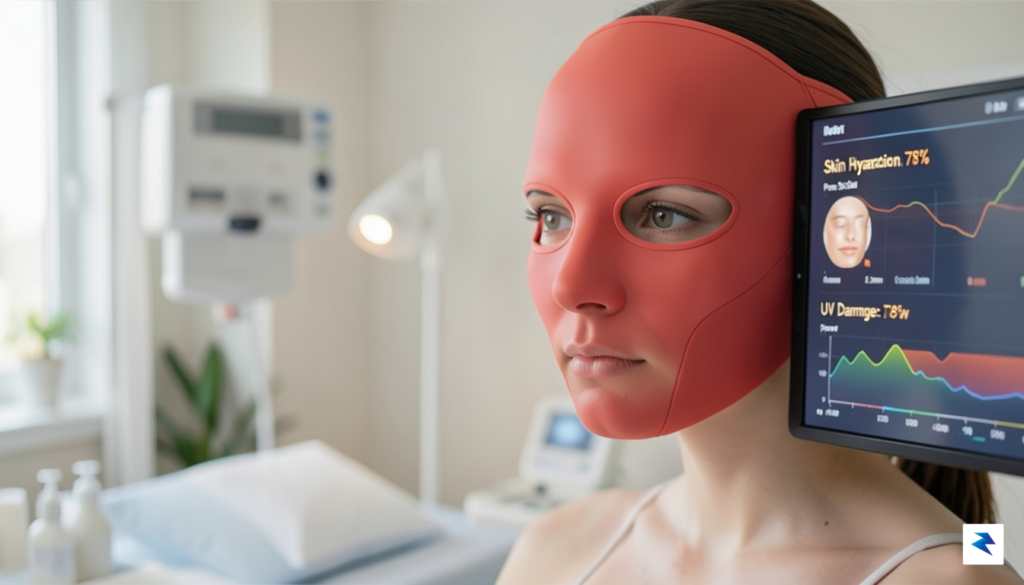
While the clinical data surrounding red-light therapy (RLT) is undeniably robust, it is essential to manage your expectations before investing in a home device. Clinical-grade machines found in dermatologists’ offices utilize high-intensity power densities that simply cannot be replicated in a lightweight, battery-operated wearable mask. Consequently, while you may notice a subtle improvement in skin texture or a reduction in mild inflammation after weeks of consistent use, you should not anticipate the transformative, overnight results often promised by viral social media trends. Home-use LED masks are best viewed as a supportive, long-term maintenance tool rather than a quick-fix cure-all for deep-set wrinkles or severe acne.
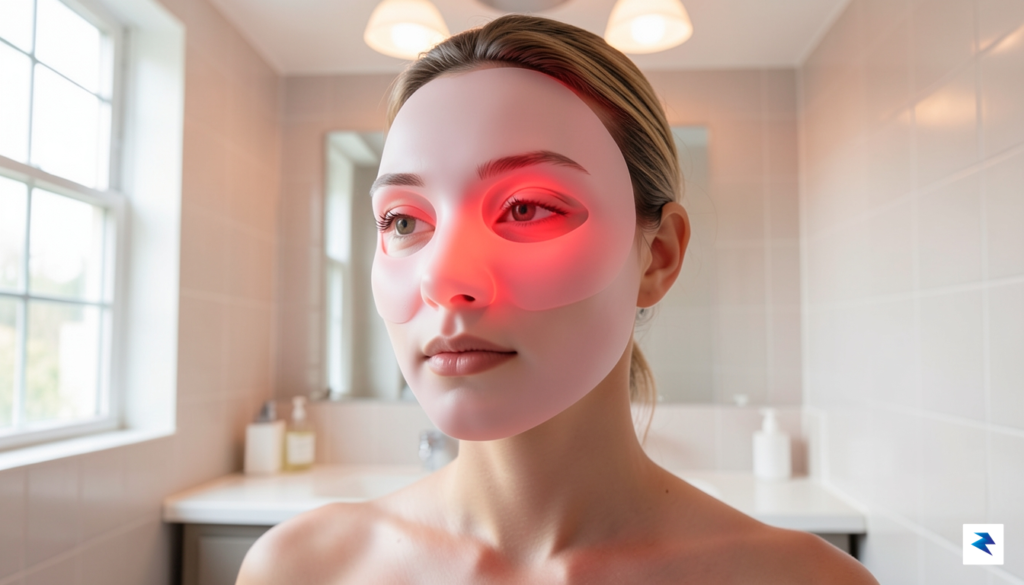
A frequent source of misinformation online is the idea that “more is better,” leading many users to wear their masks for hours on end. In reality, red-light therapy operates on a principle of biological threshold; once your skin cells have absorbed the optimal dose of light energy, additional exposure provides zero extra benefit and may even cause unnecessary thermal stress. Furthermore, the safety profile of these devices varies significantly depending on your personal medical history. If you are currently taking photosensitizing medications—such as certain retinoids, antibiotics like doxycycline, or heavy-duty acne treatments like isotretinoin—you should consult your dermatologist before incorporating light therapy into your routine, as these drugs can make your skin hyper-reactive to light exposure.
Safety remains the primary concern for home users. If you have a history of skin cancer, light-induced seizures, or active inflammatory skin conditions like severe rosacea, professional guidance is non-negotiable.
Establishing a Safe Routine
To avoid adverse reactions, especially if you have sensitive skin, never skip the patch test. Before applying the mask to your entire face, place it on the inside of your forearm or a small, inconspicuous area of your neck for the manufacturer’s recommended duration. Monitor the area for the next 24 hours for any signs of redness, itching, or blistering. If your skin remains clear, you can proceed with confidence. Additionally, always ensure that your device is cleared by relevant regulatory bodies and that you are keeping your eyes protected, as even low-intensity LED light can be harsh on the delicate tissues of the retina. Ultimately, consistency is the key to efficacy, but it must be balanced with a cautious, informed approach to your specific skin needs.
How to Integrate LED Therapy Into Your Routine
Achieving visible, lasting results with red-light therapy is not a matter of intensity, but one of unwavering consistency. Much like a gym regimen, your skin requires repeated, targeted exposure to light wavelengths to stimulate cellular repair and collagen synthesis. To see a genuine difference in texture, fine lines, or acne inflammation, aim for a frequency of three to five sessions per week. Attempting to “overdose” by wearing the mask daily for extended periods won’t yield faster results; instead, it can potentially cause skin fatigue. Stick to the manufacturer’s recommended time—usually 10 to 20 minutes—and treat this time as a non-negotiable appointment with your skin health.
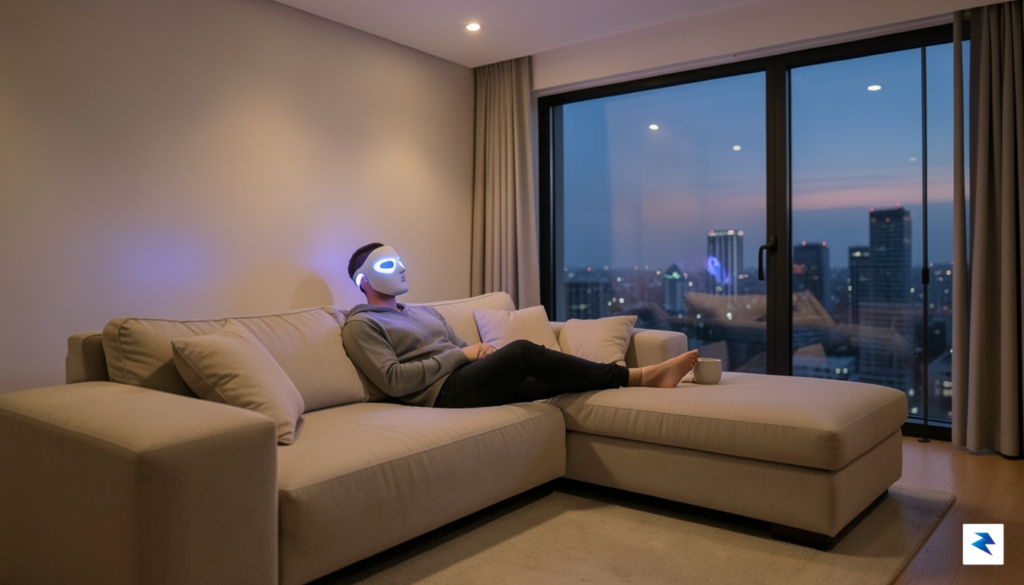
The efficacy of your LED mask depends heavily on the state of your skin during treatment. The light must penetrate the epidermis directly to reach the fibroblasts below, which means your face should be freshly cleansed and completely free of any barriers. Applying the mask over a heavy layer of moisturizer, sunscreen, or makeup will scatter the light, significantly dulling the therapeutic impact. Furthermore, you must be strategic about the other actives in your rotation. Powerful ingredients like high-strength retinoids, exfoliating AHAs, and BHAs can sensitize the skin; applying a light-emitting device over these potent compounds can lead to unexpected redness or irritation. It is best to reserve these aggressive treatments for your evening routine after you have finished your light therapy session, or save them for nights when you are skipping the mask entirely.
To maximize your investment, think of your LED mask as the foundation of your skincare routine, not an afterthought. Apply it to clean, bare skin, and follow up with your favorite hydrating serums and moisturizers to lock in the benefits.
Patience is the final, and perhaps most difficult, component of the process. Red-light therapy is a long game; while you might notice a slight “glow” or reduction in redness after the very first use, the structural changes you are seeking—such as improved elasticity and diminished hyperpigmentation—typically manifest after eight to twelve weeks of dedicated use. Avoid the temptation to abandon the device if you don’t see overnight miracles. By integrating the mask into your lifestyle during a low-stress time of day, such as while listening to a podcast or meditating, you turn a clinical chore into a sustainable habit. Over time, this cumulative exposure provides the cellular energy boost necessary to transform your complexion from the inside out.