Understanding Apple's New Pricing Strategy
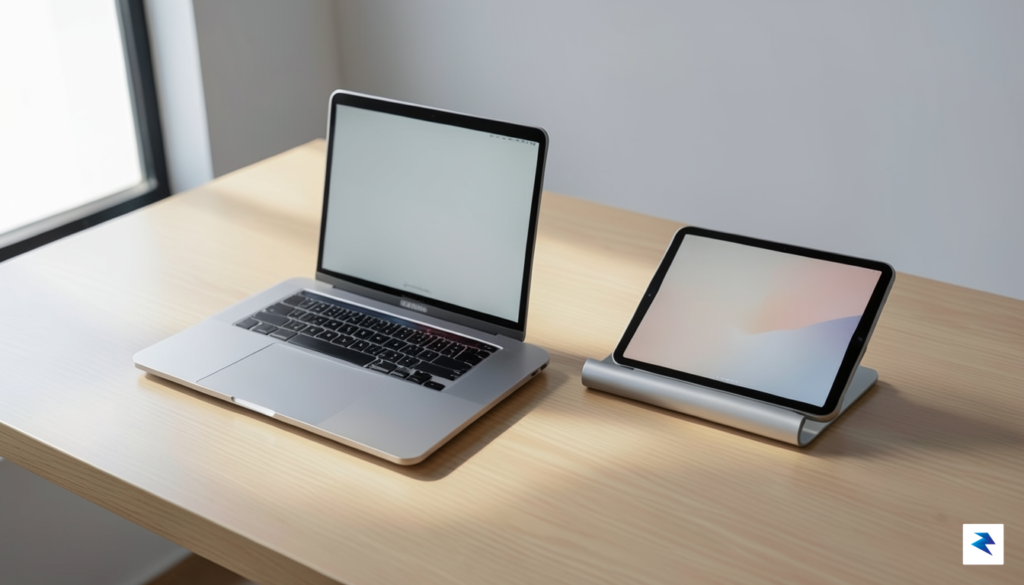
The recent adjustments across Apple’s hardware ecosystem represent more than just a routine fluctuation in retail costs; they signify a calculated pivot in the company’s long-term market positioning. Across the latest iterations of the MacBook Pro and iPad lineups, consumers are encountering steeper entry points and higher premiums for storage and memory upgrades. By expanding the price delta between base-level configurations and professional-grade tiers, Apple is effectively signaling that it is moving away from its traditional iterative pricing model. Instead, the company is embracing a more aggressive premium strategy that prioritizes high-margin hardware, even as the global economic landscape remains volatile and consumer spending faces increased scrutiny.
This shift is particularly evident in the way Apple now tiers its high-performance silicon. For years, the gap between a standard laptop or tablet and its “Pro” sibling was manageable for the average user, but that divide has widened significantly. When we look at the current MacBook and iPad portfolios, it becomes clear that Apple is no longer just selling a utility; they are selling a specialized experience that commands a higher fiscal floor. This change forces potential buyers to re-evaluate their upgrade cycles, as the “value” proposition that once defined the entry-level experience is being systematically recalibrated to align with a more exclusive, luxury-adjacent brand identity.
The transition toward a more aggressive pricing model suggests that Apple is banking on the deep loyalty of its ecosystem users to absorb rising costs, effectively betting that the integration of proprietary chips and software remains an irreplaceable value proposition despite the higher financial barrier to entry.
Whether this represents a permanent shift in Apple’s market positioning remains a subject of intense debate among industry analysts. Some suggest this is a temporary response to supply chain complexities and global inflationary pressures, intended to protect margins during a period of rising component costs. However, the sheer consistency of these price hikes across multiple product categories suggests a more structural change. By anchoring their prices at these new, higher tiers, Apple is effectively resetting consumer expectations for what a “standard” device costs. Moving forward, it is likely that these elevated prices will become the new baseline, marking a departure from the company’s historical attempts to keep hardware accessible to a broader demographic, and signaling that the future of the Apple ecosystem is firmly rooted in the premium market.
The Macroeconomic Factors Driving Hardware Costs

To understand why the price tags on your favorite Apple hardware are climbing, one must look beyond the boardroom to a volatile landscape of global economic pressures. The current reality is that tech giants are no longer operating in an environment of stable costs; instead, they are navigating a complex web of inflationary forces that affect everything from raw material procurement to final assembly. As global economies grapple with the lingering effects of supply chain disruptions, the cost of manufacturing sophisticated consumer electronics has surged, compelling companies like Apple to re-evaluate their profit margins in order to maintain the high standard of engineering expected by their user base.
A primary driver of these increases is the persistent scarcity and rising expense of specialized components. Modern devices, particularly those powered by Apple’s proprietary M-series silicon, rely on incredibly advanced semiconductor fabrication processes that are both time-intensive and capital-heavy. When the cost of the raw silicon, the specialized chemicals required for lithography, and the energy needed to run high-tech foundries spikes, those expenses inevitably trickle down to the consumer. Furthermore, the integration of high-end display panels—such as the Mini-LED and ProMotion screens found in recent iPad and MacBook Pro models—involves intricate supply chains that have become significantly more expensive to manage due to increased competition for high-quality rare earth minerals and specialized manufacturing labor.
Beyond the components themselves, the logistics of moving finished goods across the globe have become a significant bottleneck. Shipping rates, which fluctuated wildly over the past few years, have stabilized at a higher baseline than in the previous decade, while labor costs within major manufacturing hubs have risen to reflect changing economic conditions. These manufacturing centers, which were once engines of low-cost production, are now contending with their own inflationary cycles, leading to higher wages and increased operational overhead. When these logistics and labor costs are compounded, the cumulative effect on the final retail price of a MacBook or iPad becomes substantial.
The integration of cutting-edge technology into a globalized supply chain makes hardware prices uniquely susceptible to even minor fluctuations in international trade, energy, and raw material markets.
Ultimately, these price adjustments are a direct response to a fiscal environment where the “business as usual” model of the past is no longer sustainable. By raising prices, companies aim to shield their research and development budgets from the erosion caused by these external economic factors, ensuring that they can continue to innovate despite the rising cost of entry. While the consumer may feel the immediate impact at the checkout counter, these shifts reflect a necessary recalibration to keep the wheels of global tech production turning in an increasingly unpredictable world.
How Value Propositions Shift in a Premium Market

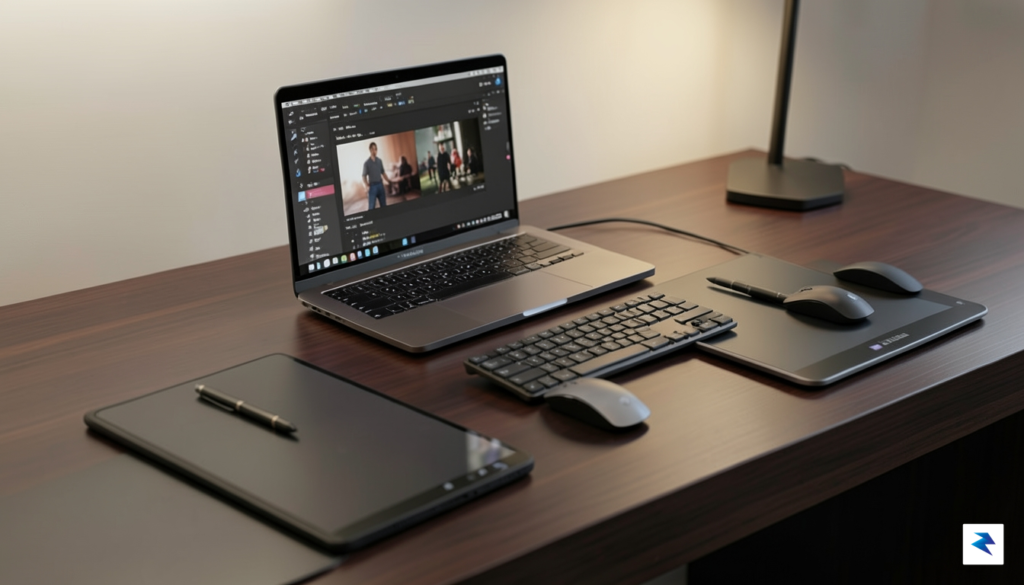
The recent upward shift in Apple’s pricing strategy forces a necessary re-examination of the long-standing value proposition associated with the MacBook and iPad lineups. For years, the “Apple Tax” was a term used to describe the premium paid for design, software integration, and resale value. However, as entry costs climb higher, the threshold for what constitutes a “good deal” has moved beyond simple brand loyalty. For creative professionals, the cost-to-performance ratio remains relatively defensible; the sheer computational power of the latest silicon chips allows for workflows that were previously tethered to stationary desktop workstations. When a laptop can render 8K video or compile massive codebases without breaking a sweat, the high upfront investment is often amortized through significant gains in billable hours and professional efficiency.
Conversely, the equation for students and casual users is increasingly strained. When a base-model iPad or MacBook requires a financial commitment that rivals high-end gaming rigs or versatile Windows ultrabooks, the hardware must prove it is more than just a luxury lifestyle accessory. While previous iterations were often viewed as accessible entry points into the ecosystem, the new pricing tiers suggest that Apple is positioning its entire hardware catalog as a professional-grade investment. This move effectively sidelines the budget-conscious consumer, forcing them to look toward the secondary market or older, refurbished models that still offer substantial utility without the “new release” premium.
The true value of Apple’s hardware is no longer found solely in raw specifications, but in the extended lifecycle that prevents the need for frequent, costly upgrades.
One of the most effective mitigating factors against these steeper price points is the remarkable longevity of modern Apple hardware. Unlike many competing devices that often show signs of obsolescence after three years, a modern MacBook equipped with Apple silicon is engineered to remain relevant and functional for significantly longer. When you factor in the extended software support, the durability of the aluminum chassis, and the industry-leading resale value, the total cost of ownership over a five-year period becomes much more palatable. This long-term durability is the bedrock of Apple’s value argument: you are not just paying for a device to use today, but for a piece of technology that will reliably serve your needs well into the next half-decade.
Ultimately, the perception of whether these new prices are “worth it” depends entirely on the user’s intent. If your work relies on the seamless synchronization of the Apple ecosystem, the price hike is a painful but predictable barrier to entry. However, for those who merely need a machine for web browsing, word processing, and light media consumption, the market has never been more competitive. Apple’s latest pricing strategy confirms that they are no longer competing on price, but on the perceived premium of a complete, end-to-end user experience that few other manufacturers can consistently replicate.
Navigating the New Ecosystem Costs for Consumers

As the barrier to entry for Apple’s latest hardware rises, the era of casual, frequent upgrades is effectively coming to a close for the average consumer. To maintain a functional workflow without breaking your personal budget, the first and most effective strategy is to aggressively extend the lifespan of your current equipment. Minor maintenance—such as replacing a degraded battery, clearing out storage, or performing a clean install of the latest operating system—can often breathe years of life into a machine that feels sluggish. By resisting the urge to jump on every incremental hardware refresh, you allow your initial investment to amortize over a longer period, significantly reducing your effective annual cost of ownership.
When an upgrade becomes truly unavoidable, savvy shoppers should pivot toward Apple’s official Certified Refurbished store rather than defaulting to new retail stock. These units undergo rigorous testing, include a brand-new outer shell and battery, and come with the same comprehensive warranty as a brand-new device, yet they frequently ship at a discount ranging from 15% to 20%. This strategy allows you to secure higher-tier specifications—such as increased RAM or additional storage—for the price of a base-model brand-new device. Buying refurbished is not merely a cost-saving measure; it is a strategic move that maximizes your performance-per-dollar ratio while ensuring your device remains relevant for several years into the future.
The “sweet spot” for any Apple purchase is rarely the entry-level configuration, nor is it the fully maxed-out flagship. Focus your budget on the upgrades that cannot be changed later, such as unified memory (RAM), while opting for external solutions for storage needs.
Finally, identifying the “sweet spot” in a product lineup requires a shift in how you view configuration options. Many consumers fall into the trap of over-provisioning storage, paying premium prices for internal solid-state drives when high-speed external Thunderbolt or USB-C drives can offer vastly more capacity for a fraction of the cost. Prioritize your budget toward increasing the base RAM, as this component is physically soldered to the logic board and cannot be upgraded after purchase. By focusing your capital on the internal specs that genuinely dictate system longevity and leveraging external peripherals for capacity, you can build a versatile, high-performing setup that survives the current climate of rising costs while keeping your financial health intact.
Long-Term Strategies for Tech Investment

The recent upward shift in pricing for premium hardware marks a significant inflection point in the trajectory of consumer electronics. For years, the industry operated under the assumption that advancements in silicon efficiency and manufacturing processes would allow for either price stability or gradual reductions in cost for equivalent performance. However, as global supply chains face unprecedented volatility and the cost of research and development for next-generation architecture continues to climb, these price hikes represent a new, more expensive reality. This transition suggests that we are moving away from an era of accessible flagship performance and toward a landscape where high-end computing power is increasingly treated as a luxury investment rather than a standard consumer expectation.
As the barrier to entry for top-tier devices rises, it is highly probable that we will see a resurgence in the competitiveness of the mid-range market. Many consumers, no longer willing to absorb the premium tax imposed by market leaders, are likely to pivot toward brands that prioritize value-to-performance ratios over brand prestige. This shift could invigorate the broader tech ecosystem, forcing manufacturers to innovate more aggressively at lower price points to capture the loyalty of a price-conscious demographic. Consequently, the personal computing landscape may become more fragmented, with a stark divide between those who chase the absolute cutting edge and those who seek the “good enough” experience offered by increasingly capable mid-market alternatives.
The long-term viability of the tech industry depends on a delicate equilibrium: consumers must perceive that the increased cost is justified by meaningful, tangible leaps in utility and longevity rather than marginal aesthetic updates.
Ultimately, these price adjustments reflect the immense capital expenditure required to push the boundaries of what is possible in mobile and desktop computing. While the immediate reaction from the public is understandably one of frustration, it is essential to consider the necessity of these revenues for future innovation. Developing custom silicon, advanced display technologies, and proprietary operating systems requires massive, sustained investment that cannot be offset by volume alone in a maturing market. If we expect the tech industry to continue delivering groundbreaking features like advanced artificial intelligence integration and modular hardware designs, we must recognize that the cost of these advancements is inevitably reflected at the checkout counter. Looking ahead, the industry will need to demonstrate that this premium pricing facilitates a sustainable cycle of creation that benefits the end user through superior durability and long-term functional relevance.