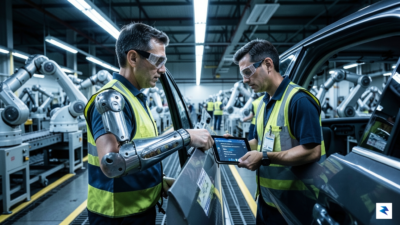
Why Ford Had to Bring Back Veteran Engineers to Fix Its Automated Systems
The Paradox of Automation: When Tech Fails the Assembly Line In the relentless pursuit of peak efficiency and cost reduction, modern…
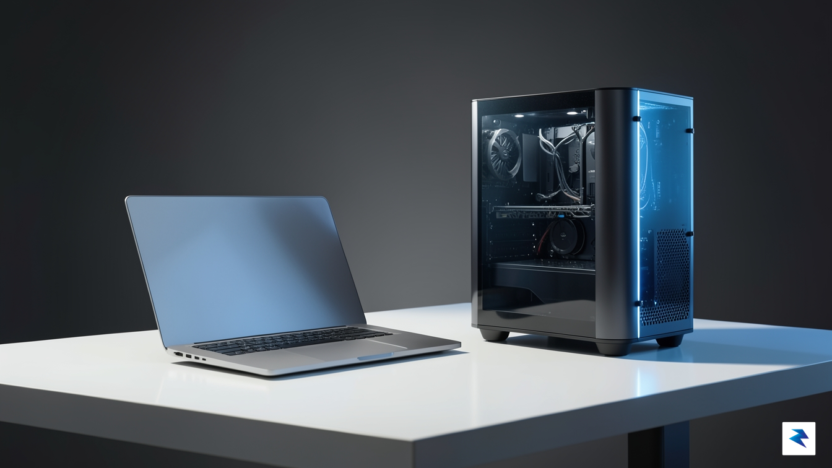
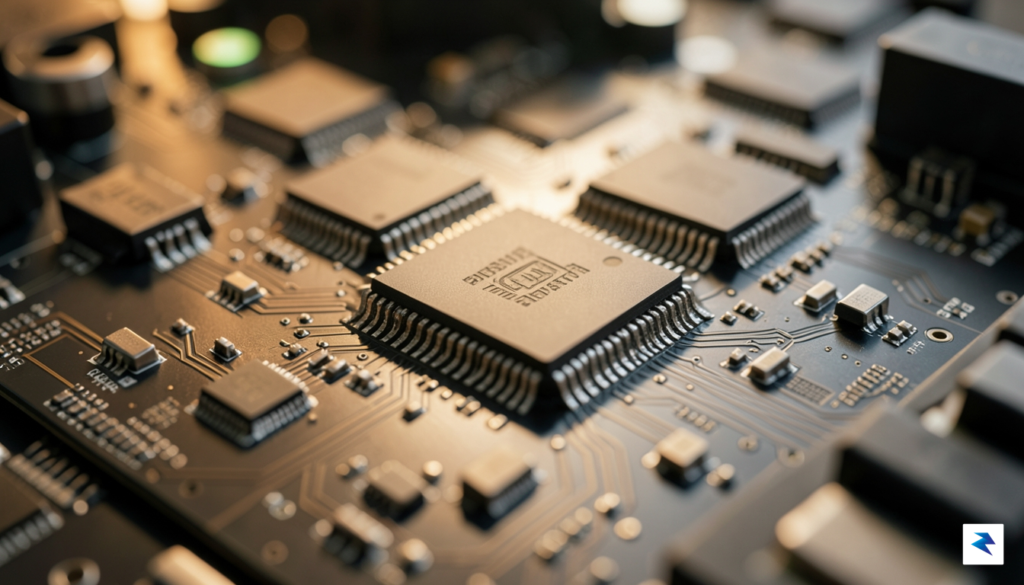
The tech world is currently navigating an unprecedented supply-side disruption, particularly concerning the essential building blocks of modern computing: DRAM and NAND flash memory. These sophisticated components are the very heart of devices ranging from your smartphone and tablet to powerful Mac computers and enterprise-grade servers, dictating their speed, storage capacity, and overall performance. Without a steady, affordable supply of these critical memory and storage solutions, the production pipelines for virtually every electronic device grind to a halt, directly impacting costs for consumers.
The semiconductor market, historically, has followed a predictable cyclical pattern, characterized by periods of robust investment and expansion followed by oversupply, and then subsequent contraction and scarcity. This boom-and-bust cycle is often driven by massive capital expenditure requirements for fabrication plants (fabs) and the inherently long lead times for bringing new production online. Currently, however, the industry finds itself in a particularly severe upturn of this cycle, exacerbated by a perfect storm of factors that have severely constricted the availability of these vital components.
A significant part of the challenge stems from production bottlenecks and reduced output from the world’s leading memory manufacturers, including giants like Samsung, Micron, and SK Hynix. These companies have faced a confluence of issues, from pandemic-related labor shortages and logistical nightmares to geopolitical tensions affecting trade and supply chains. Furthermore, natural disasters, such as the severe winter storms in Texas which temporarily shut down critical semiconductor facilities, have dealt unexpected blows to global output. These disruptions have created a cumulative deficit in production capacity, making it increasingly difficult for device manufacturers to secure the necessary quantities of memory chips.
Consequently, the reduced availability has inevitably led to a dramatic surge in component costs. Basic economic principles dictate that when demand far outstrips supply, prices will invariably rise. Manufacturers, facing a scarcity of DRAM and NAND flash, are forced to pay significantly higher premiums to secure the components needed to build their products. This isn’t a marginal increase; in many cases, the cost of these memory and storage modules has escalated by hundreds of dollars per unit, placing immense pressure on the profit margins of device makers across the board.
It is crucial to understand that this is not an issue unique to a single company like Apple, but rather a systemic industry challenge that impacts manufacturers across the globe. Every company that relies on advanced semiconductors – from PC builders and smartphone brands to automotive companies integrating more tech into vehicles, and even cloud service providers operating vast data centers – is grappling with these increased input costs. As a result, these higher expenses invariably trickle down to the end consumer, as companies are compelled to adjust their retail pricing to reflect the new economic realities of their supply chains. The current price adjustments seen in the market are largely a direct consequence of this global memory and storage supply crisis, rather than a unilateral decision to simply increase profit.
For years, Apple has mastered the art of vertical integration, carefully designing its own silicon to gain unparalleled control over both performance and power efficiency. However, the move toward unified memory architectures—where the RAM is integrated directly onto the same package as the processor—has created a unique vulnerability. While this design choice is the primary engine behind the blistering speeds of the M-series chips, it leaves the company exceptionally sensitive to the volatile global market for high-performance memory modules. Unlike manufacturers who use standard, swappable components, Apple’s commitment to this bespoke, high-density hardware means that when the cost of specialized silicon skyrockets, there is no cheaper, third-party alternative to swap into their chassis without sacrificing the very quality that defines the brand.
The current landscape of global supply chain constraints has forced a recalibration of Apple’s long-standing pricing strategy. While the company has historically absorbed minor fluctuations in component pricing to maintain its premium market position, the sheer scale of recent memory price hikes has made that approach unsustainable. By passing these increased costs on to the consumer, Apple is effectively prioritizing the preservation of its rigorous product standards and its obligation to shareholder value. Rather than diluting the user experience by sourcing lower-grade, cheaper components that would inevitably result in slower performance or higher failure rates, the company has opted to maintain its specifications at a higher retail price point.
To maintain the performance standards that define the Mac and iPad ecosystem, Apple is choosing to protect its margins at the cost of consumer accessibility, signaling that the era of stagnant pricing for high-end hardware is likely coming to an end.
This strategic shift highlights the delicate balance between maintaining a luxury brand identity and operating within the realities of modern manufacturing. Investors and analysts alike view this price adjustment as a necessary protective measure; by insulating their margins, Apple ensures that it continues to have the capital required for future research and development, which is essential to staying ahead of the competition. For the average consumer, however, this means that the “Apple Tax” is becoming more pronounced. The decision to raise prices by hundreds of dollars reflects a broader industry trend where the cost of high-performance computing is no longer being masked by the manufacturer, but is instead being shifted directly to the user who demands the absolute peak of processing power.
The recent adjustments to Apple’s hardware ecosystem represent a significant shift in the company’s pricing strategy, impacting both the entry-level consumer and the high-end professional workstation market. For the average user browsing for a reliable laptop, the most immediate change is seen in the MacBook Neo lineup, where the entry-level model has climbed from $599 to $699. While a hundred-dollar increase might seem modest at first glance, it effectively shifts the barrier to entry for Apple’s latest silicon-based portable technology. This move suggests that Apple is positioning its “affordable” tier to reflect the increased costs of premium components and advanced manufacturing processes, even as they attempt to maintain their reputation for long-term reliability and software longevity.
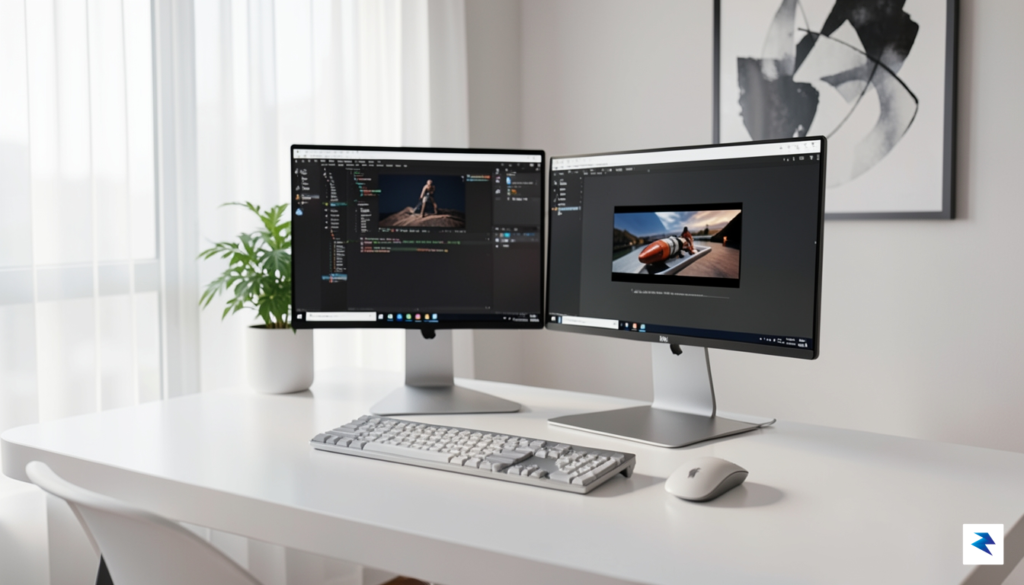
At the opposite end of the spectrum, the professional creative industry is grappling with a much steeper financial hurdle. The M3 Ultra Mac Studio has seen a substantial price hike of $1,300, a move that signals Apple’s confidence in the machine’s role as the definitive powerhouse for high-intensity workflows. For video editors, 3D renderers, and software engineers, this machine is not merely a computer but a vital piece of infrastructure for their business. Consequently, the value proposition here centers on time saved and performance stability; by integrating the M3 Ultra architecture, the machine can handle complex, multi-threaded tasks that would bring lesser systems to a crawl. Although the sticker shock is undeniably sharp, Apple is betting that professionals who rely on these machines for their livelihood will recognize that the hardware’s capability to accelerate production cycles justifies the premium.
The core of Apple’s new pricing strategy appears to be a recalibration of what constitutes “value” across different tiers of technology, shifting from accessible entry-points toward a more rigid focus on specialized, high-performance hardware.
Ultimately, these price changes force a more careful evaluation of one’s specific needs before hitting the checkout button. Casual users—those who primarily engage with web browsing, document creation, and media consumption—will need to decide if the polished experience of the MacBook Neo is worth the new $699 starting price compared to more budget-friendly alternatives on the market. Meanwhile, professionals must calculate the return on investment for the M3 Ultra Mac Studio, weighing the substantial upfront cost against the potential for increased productivity and future-proofing. Whether these changes will push users toward secondary markets or encourage brand loyalty through continued ecosystem integration remains to be seen, but one thing is clear: Apple is doubling down on the premium nature of its hardware lineup.

The recent surge in Apple’s pricing strategy has forced many users to re-evaluate their relationship with their devices, shifting the conversation from simple consumerism to a more calculated investment analysis. If you are currently standing at the crossroads of deciding whether to upgrade or wait, the primary metric you must assess is the tangible impact of your hardware on your daily productivity. For creative professionals working with high-resolution video, complex 3D rendering, or massive datasets, a performance bottleneck is not just an inconvenience—it is a direct drain on your bottom line. If your current machine experiences frequent kernel panics, thermal throttling that halts your workflow, or an inability to run the latest versions of your essential software, the cost of an upgrade is effectively a business expense that pays for itself in reclaimed time.
Conversely, for students and casual users, the “longevity factor” of current Apple Silicon hardware is remarkably high, which often makes immediate upgrades unnecessary. Thanks to the integrated architecture of M-series chips, even base-model machines from two or three years ago remain highly capable of handling modern workloads with ease. Before committing to a new purchase, audit your actual usage: are you truly pushing the limits of your RAM and GPU, or is your device simply showing its age through minor software sluggishness? Often, a clean installation of the latest macOS, a thorough clearing of background startup processes, or a simple storage optimization can breathe new life into an aging machine, effectively delaying a purchase until the next generation of hardware arrives.

Deciding to upgrade should be based on the intersection of technical necessity and your specific financial threshold, rather than the allure of the latest marketing cycle.
To avoid the sting of current price hikes, focus on extending the life of your existing gear by prioritizing maintenance and smart software habits. Start by managing your storage space aggressively; keeping at least 15% of your drive free is essential for the operating system to perform virtual memory swapping efficiently, which keeps the system snappy. Additionally, consider investing in external storage solutions for your heavy media files rather than relying on your internal SSD, as this prevents the wear and tear associated with constant read-write cycles. By adopting these maintenance rituals, you can reliably squeeze another year or two out of your current device, granting you the patience to wait for a more favorable market shift or a more significant hardware leap that justifies the higher price point.

Navigating the current landscape of rising hardware costs requires a shift from impulsive upgrades to a more calculated purchasing strategy. When the latest retail price tags feel prohibitively expensive, the first and most reliable port of call is Apple’s own Certified Refurbished store. These units are rigorously inspected, tested, and repackaged by Apple, often arriving with a brand-new outer shell and battery, all while carrying the same one-year warranty as a brand-new device. By opting for a refurbished model, you can often save hundreds of dollars, effectively bypassing the recent price adjustments while maintaining peace of mind regarding quality and long-term support.
Beyond the official refurbished channels, savvy consumers should keep a close eye on third-party retailers such as Amazon, B&H Photo, and Best Buy. These major outlets frequently run promotional pricing that undercuts Apple’s direct retail rates, even on current-generation hardware. Furthermore, if you are a student, educator, or parent of a student, utilizing Apple’s Education Pricing can yield significant savings, often coupled with seasonal “Back to School” promotions that include gift cards or discounted accessories. These programs are designed to bridge the gap between high-end performance and budget constraints, making professional-grade tools far more accessible.

The key to maintaining your technology stack without overspending is to prioritize your actual performance needs over the desire for the absolute latest version number.
If the newest model does not offer a transformative feature that you strictly require, looking toward previous-generation models is a highly effective way to maximize your performance-per-dollar ratio. Many machines from the last two years still feature incredibly capable silicon that easily handles demanding creative workflows and multitasking. Because these older models are being phased out to make room for newer stock, retailers are often eager to clear inventory, leading to steep discounts. By focusing on “good enough” rather than “cutting edge,” you effectively insulate yourself from the volatility of retail pricing hikes.
Finally, patience remains your most valuable asset. The tech market operates on predictable cycles, and waiting for major shopping events—such as Black Friday, Cyber Monday, or mid-year clearance sales—can save you a substantial amount of money. Instead of rushing into a purchase the moment a new device is announced, allow the initial hype to settle. Often, a brief waiting period provides enough time for third-party price drops to kick in, ensuring that your investment provides the best possible value without sacrificing the quality or longevity you expect from your hardware.
You must be logged in to post a comment.