
NTSB Launches New Investigation Into Fatal Texas Tesla Crash
Understanding the NTSB Investigation Process When the National Transportation Safety Board (NTSB) initiates an investigation into a…

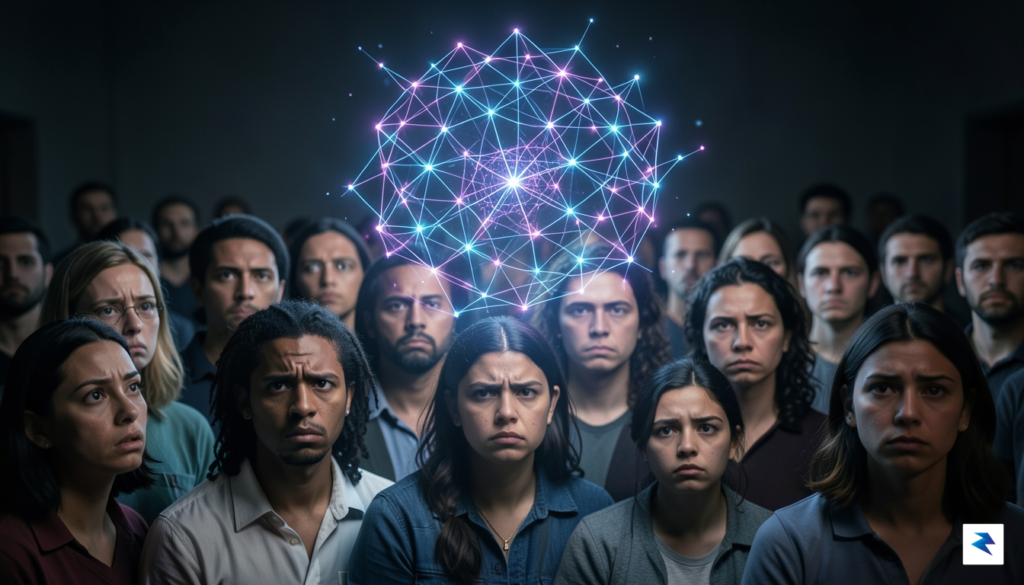
For the architects of Silicon Valley, artificial intelligence represents the ultimate triumph of human ingenuity—a bridge toward a post-scarcity future where labor is automated and efficiency is perfected. Yet, as these systems permeate every corner of our digital lives, a jarring dissonance has emerged between the techno-optimist vision and the lived experience of the average person. While the industry touts revolutionary productivity gains, a significant portion of the public is reacting with a visceral, growing hostility. This is not merely a reflexive fear of the unknown; it is a profound skepticism rooted in the realization that the “AI-everything” narrative is being imposed upon us without our consent, often at the direct expense of our creative autonomy and economic security.

The tension lies in the fundamental disconnect between how AI is marketed and how it is felt. Proponents argue that these tools are simply sophisticated assistants designed to liberate us from drudgery, but for many, the reality feels like a slow, forced displacement. When a search engine stops providing human-curated answers and starts generating synthetic summaries, or when a digital workspace is suddenly cluttered with invasive algorithmic “enhancements,” the user experience shifts from one of agency to one of passive observation. We are being asked to navigate an ecosystem where we are no longer the primary beneficiaries, but rather the raw data points fueling someone else’s proprietary engine. This loss of control creates a sense of profound alienation that no amount of efficiency-boosting software can truly compensate for.
The public’s distaste for AI is rarely about the underlying mathematics of machine learning; it is a reaction to the unchecked power of the institutions deploying these tools to reshape our societal norms without a seat at the table for the people they affect most.
Ultimately, the resentment toward AI is a symptom of a much larger crisis of trust. People are not necessarily rejecting the potential of advanced computing; they are rejecting a model of technological implementation that prioritizes speed and scalability over human dignity. When technology is force-fed into our lives under the guise of “innovation,” the natural human response is to push back. By framing every advancement as an inevitable evolution that we must simply adapt to, the tech industry has inadvertently fostered a culture of resistance. To bridge this divide, the conversation must shift away from the hype of what these models can do, and toward a more honest, transparent dialogue about what we are losing in the process.

At the heart of the modern backlash against artificial intelligence lies a profound and visceral fear: the threat to our economic survival. For decades, the narrative surrounding technological progress suggested that automation would merely offload the “three Ds”—tasks that were dull, dirty, or dangerous—leaving humans to focus on the higher-order pursuits of creativity, strategy, and complex analysis. However, the current wave of generative AI has shattered that premise. By infiltrating the domains of software development, copywriting, graphic design, and legal analysis, these systems have suddenly targeted the very white-collar professions that were once considered insulated from the reach of the machine. This shift has transformed AI from a helpful digital assistant into a direct competitor, sparking an existential crisis for a workforce that spent years cultivating specialized skills, only to see them rendered reproducible in seconds.
The psychological toll of this transition cannot be overstated. When a machine can mimic the nuance of a novelist’s prose or the precision of a programmer’s code, it does more than just threaten a paycheck; it challenges the inherent value of human effort and expertise. There is a deeply unsettling feeling in watching a model synthesize years of human learning into a generic output, effectively commoditizing skills that once defined an individual’s professional identity. This devaluation of labor leads to a paralyzing sense of precariousness, where the traditional “career ladder” feels less like a path to stability and more like a treadmill that is accelerating beyond one’s ability to keep pace. When the output of a human mind is judged against the infinite, low-cost capacity of a neural network, the resulting anxiety is not merely about money—it is about the loss of agency and the fear that one’s contribution to the world is becoming obsolete.

Furthermore, the economic reality of this transition is starkly uneven. While proponents of the technology argue that AI will usher in a new era of productivity and efficiency, the benefits of these gains are currently concentrated at the top of the corporate hierarchy. In many organizations, the integration of AI is not being used to empower employees, but rather as a justification to streamline headcounts, reduce overhead, and increase profit margins for shareholders. This creates a feedback loop of inequality: as corporations capture the value generated by AI, the workers who provided the training data or who are currently being displaced see little of that wealth returned to them. The “efficiency” that companies celebrate is often experienced by the average worker as a form of professional austerity, fueling a justified resentment toward the tech industry and the rapid deployment of systems that seem designed to prioritize bottom lines over human livelihood.
The core of the backlash is not a hatred of technology itself, but a rational defense against a system that appears to prioritize the scalability of software over the dignity and stability of human labor.
Ultimately, the anxiety surrounding AI is a reflection of a broken social contract. If society continues to treat human labor as a disposable input that is easily swapped for cheaper, automated alternatives, the backlash will only intensify. To move past this cycle of fear, we must address the fundamental question of who these advancements are truly for. Until the discourse shifts from “how can we replace human effort” to “how can we enhance and sustain the human experience,” the public will continue to view these tools as instruments of displacement rather than engines of progress.

At the heart of the growing friction toward artificial intelligence lies a profound anxiety regarding the devaluation of human effort. For centuries, the act of creation—whether writing a poignant essay, painting a canvas, or solving a complex engineering problem—has been inextricably linked to the human experience of struggle, iteration, and discovery. When we outsource these intellectual labors to algorithms, we risk transforming knowledge and art into mere commodities, stripped of the intent and personal history that once gave them resonance. This shift represents a transition from human expression to statistical approximation, where the output is designed to satisfy a prompt rather than communicate a truth.
This process creates a parasitic feedback loop that is fundamentally unsettling to the creative spirit. AI models are trained on the vast archives of human achievement, effectively consuming the collective output of our species to generate derivative works that compete with, and eventually displace, the original creators. As these models flood the digital landscape with content designed solely for algorithmic engagement—what many have begun to call “slop”—we find ourselves adrift in a sea of synthetic media. This content is crafted to tick the boxes of SEO and engagement metrics rather than to foster genuine human connection, leading to a palpable sense of alienation for the reader or viewer who recognizes the hollowness beneath the polished surface.
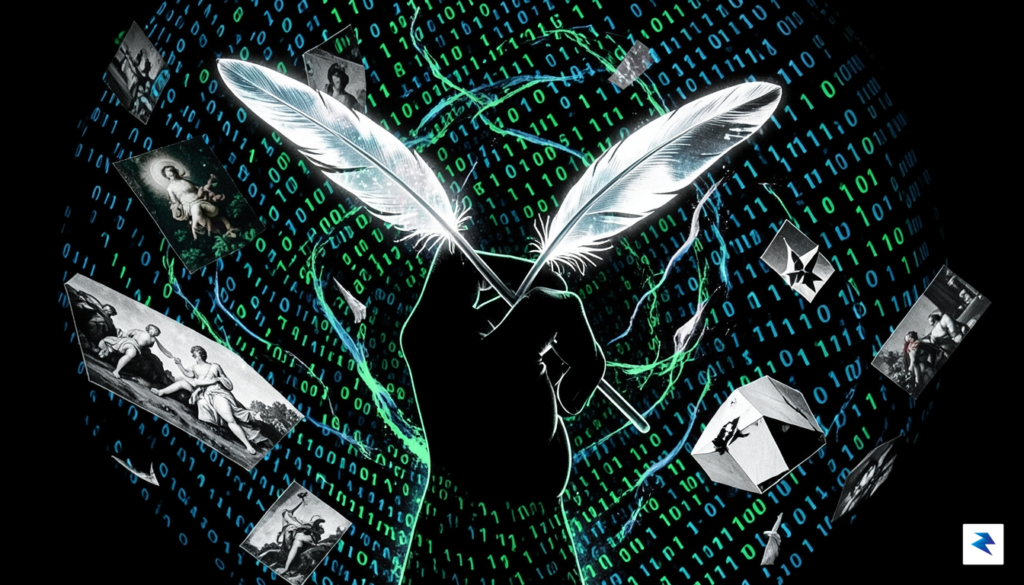
The true cost of automation is not merely the loss of tasks, but the gradual atrophy of the critical thinking muscles required to perform them. When we rely on a machine to summarize our research, draft our correspondence, and synthesize our ideas, we surrender the very friction that sharpens our minds.
Beyond the economic displacement of artists and writers, there is a deeper psychological toll to interacting with a world increasingly populated by automated output. Humans are wired to seek out the presence of another consciousness; we look for the intent, the perspective, and the unique voice of a peer. When we realize that a piece of writing or a stunning image was birthed from a probabilistic model rather than a living soul, the emotional connection evaporates instantly. This feeling of dehumanization is not merely a reaction to being replaced, but a visceral distaste for a culture that prioritizes efficiency over meaning. By allowing AI to become the arbiter of our intellectual outputs, we are not just speeding up our work—we are inadvertently signaling that human contribution is an optional, rather than essential, component of our culture.

The widespread public antipathy towards artificial intelligence often serves as a convenient lightning rod, diverting attention from a deeper, more pervasive distrust directed squarely at the massive corporations pioneering and deploying these technologies. It’s a sentiment deeply rooted in experience, where the audacious “move fast and break things” mantra, once celebrated in the realm of social media apps, has now been recklessly applied to foundational societal infrastructure. This cavalier approach, prioritizing rapid deployment over thoughtful consideration, has sown seeds of doubt about the true intentions and long-term vision of these tech behemoths. The public watches, often feeling like unwilling participants in a grand, uncontrolled experiment.
This headlong rush into integrating sophisticated AI systems into every facet of life frequently bypasses the crucial step of obtaining genuine public consent or even engaging in meaningful dialogue about the profound implications. Instead, groundbreaking AI models are unveiled and scaled globally at breathtaking speed, often with minimal foresight into potential societal disruption, ethical quandaries, or economic shifts. Such rapid, top-down deployment without robust public discourse or regulatory frameworks fosters a palpable sense of powerlessness among citizens, who feel their collective future is being engineered by a select few, far removed from democratic accountability. This perceived unilateral decision-making naturally breeds resentment and fuels the narrative that AI serves corporate agendas more than collective well-being.
A significant contributor to public apprehension is the inherent “black box” nature of many advanced AI systems, particularly large language models (LLMs). These incredibly complex algorithms operate with an internal logic that even their creators often struggle to fully explain, making their decision-making processes opaque and their outcomes unpredictable. When a system influences everything from loan approvals to job applications, yet its inner workings remain shrouded in mystery, it inevitably generates fear and suspicion. This lack of interpretability prevents meaningful oversight, hinders the identification and correction of biases, and ultimately undermines any potential for trust in the system itself.
This algorithmic opacity is merely one facet of a broader corporate culture characterized by a distinct lack of transparency. Companies frequently guard their proprietary AI models and training data as closely held secrets, citing competitive advantage, but this secrecy inadvertently raises questions about what exactly they are hiding. The public remains largely unaware of how their personal data is truly being utilized to train these powerful models, the extent of algorithmic biases embedded within them, or the full implications of their widespread adoption. Without clear, open communication and verifiable accountability, the public is left to speculate, often assuming the worst-case scenarios regarding data privacy, potential manipulation, and the erosion of individual freedoms.
Furthermore, the narrative surrounding AI has increasingly shifted from one of potential liberation and human augmentation to one dominated by concerns about surveillance and control. Early promises of AI empowering individuals or solving humanity’s grand challenges have been overshadowed by its perceived application in monitoring citizens, automating job displacement, and even influencing public opinion through sophisticated, data-driven techniques. Whether it’s the deployment of facial recognition technology by law enforcement or the pervasive data collection by tech giants, many now view AI not as a neutral or beneficial tool, but as an advanced instrument potentially wielded by powerful entities to consolidate their authority and exert undue influence over daily life. This perception fuels a profound backlash against the technology itself.
Ultimately, the deep-seated suspicion and hostility towards AI are less about the technology’s inherent capabilities and more about the corporations behind it. A history of rapid, often reckless deployment, coupled with an unwavering commitment to opacity and a perceived intent to prioritize corporate gain over public good, has cultivated an enormous trust deficit. When AI is introduced without consent, explained without clarity, and perceived as a tool for power rather than progress, it naturally becomes the target of a profound and growing backlash. This isn’t merely a rejection of silicon and algorithms; it’s a profound statement of no confidence in the entities shaping our digital future.

If we are to move past the current state of animosity and distrust surrounding artificial intelligence, we must fundamentally alter the way AI is developed and deployed. This isn’t merely a call for minor adjustments; it demands a paradigm shift towards a truly human-centric approach that unequivocally prioritizes public interest, ethical considerations, and long-term societal well-being over the relentless pursuit of rapid corporate scaling and unchecked technological advancement. Such a transformation is essential to rebuild trust and ensure that AI serves humanity rather than creating new divisions or exacerbating existing inequalities, ultimately fostering an ecosystem where innovation and responsibility coexist.
To facilitate this crucial shift, we must collectively embrace a robust framework for responsible innovation. This framework extends far beyond mere technical proficiency, insisting that every stage of AI development, from initial concept to final deployment, is imbued with ethical foresight and a deep understanding of potential societal impacts. It necessitates the active involvement of a diverse array of stakeholders, including not only engineers and data scientists but also ethicists, social scientists, policymakers, and crucially, the very communities whose lives will be touched by these technologies. By integrating these varied perspectives from the outset, we can proactively identify and mitigate risks, ensuring that AI solutions are designed with inherent safeguards and a genuine commitment to public good.
Central to this responsible framework is the establishment of comprehensive and adaptive regulation. Far from stifling innovation, thoughtfully crafted regulations serve as foundational guardrails, building trust and ensuring safety for both developers and users alike. These regulations should focus on critical areas such as data privacy and security, algorithmic transparency and explainability, robust bias detection and mitigation strategies, and clear mechanisms for accountability and redress when things go wrong. Rather than blanket prohibitions, the goal should be to foster an environment where innovation thrives within ethical boundaries, promoting responsible practices that protect individual rights and collective well-being without unduly hindering progress.
Furthermore, integrating robust human-in-the-loop systems is paramount, particularly for AI applications that impact critical decisions or sensitive domains. This means designing AI tools not to operate autonomously in all scenarios, but to function as intelligent assistants that augment human capabilities while maintaining human oversight and final judgment. Whether it’s in healthcare diagnostics, legal interpretation, or complex financial analysis, ensuring that a human expert can review, validate, or override an AI’s recommendation adds a vital layer of ethical consideration, quality control, and accountability. This collaborative model acknowledges the strengths of both human intuition and AI processing power, preventing the full automation of critical processes where human judgment remains irreplaceable.
Our developmental priorities must also shift decisively towards creating human-augmenting tools rather than solely human-replacing ones. Instead of focusing predominantly on AI that can perform tasks entirely independently, we should direct our energies towards developing intelligent systems that empower individuals, enhance productivity, unlock creativity, and facilitate deeper understanding. Imagine AI as a powerful research assistant that sifts through vast amounts of information, a creative partner that helps artists explore new forms, or a personalized tutor that adapts to individual learning styles. By framing AI as a tool for empowerment and enablement, we can foster applications that elevate human potential and capabilities, rather than sparking fear of widespread job displacement and economic instability.
Ultimately, the societal friction we observe today, often manifesting as skepticism or even outright animosity towards AI, should not be dismissed as mere resistance to progress. Instead, it ought to be recognized as a vital and necessary check on unchecked technological acceleration. This friction serves as a powerful signal, forcing introspection, demanding re-evaluation of priorities, and encouraging a slower, more deliberate pace of development. It acts as a democratic brake, ensuring that human values, ethical considerations, and collective societal well-being remain at the absolute core of our technological journey, preventing a future where innovation outpaces our capacity to manage its profound implications.
[IMAGE: A diverse group of people, including engineers, ethicists, and community members, collaboratively designing a digital interface that shows AI algorithms, with a focus on transparency and human oversight. The background is a modern, light-filled office space with whiteboards filled with ethical frameworks and design thinking sketches.]
You must be logged in to post a comment.