
Why Do So Many People Hate AI? The Truth Behind the Tech Backlash
The Paradox of Technological Enthusiasm and Public Resentment For the architects of Silicon Valley, artificial intelligence represents the…
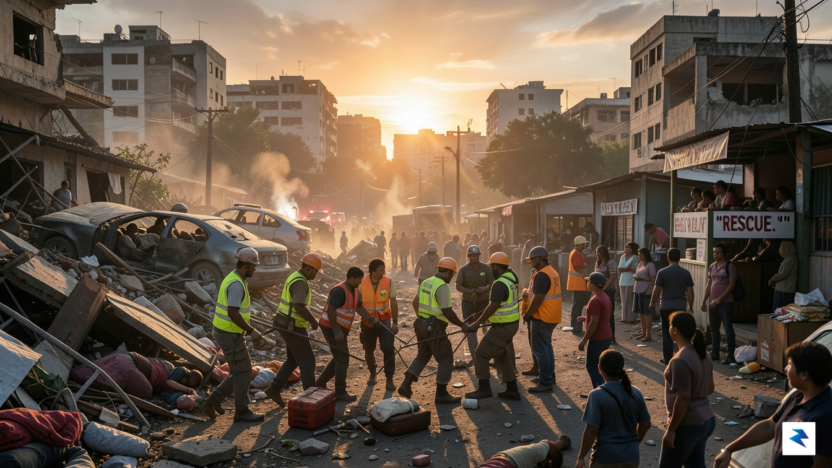
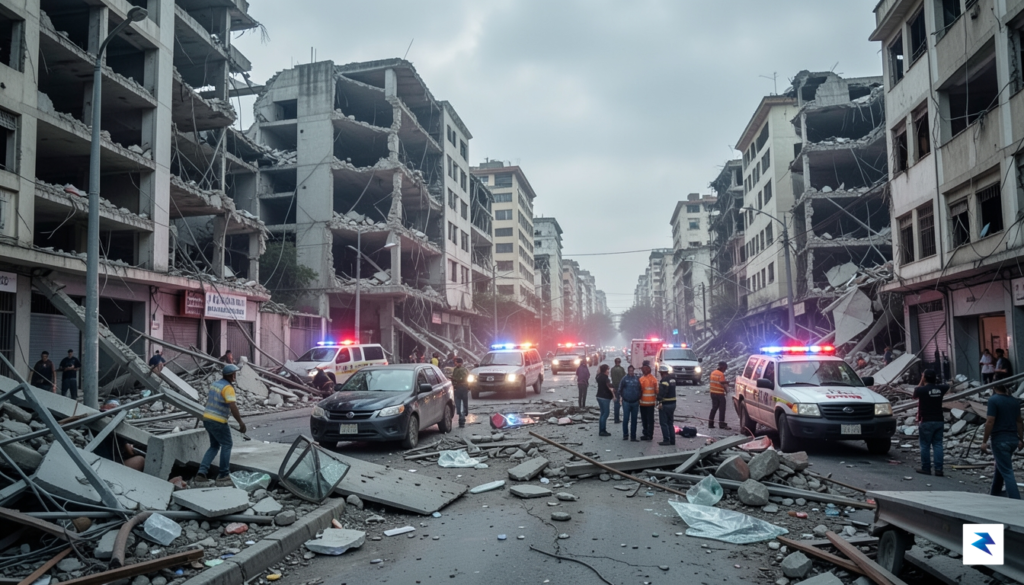
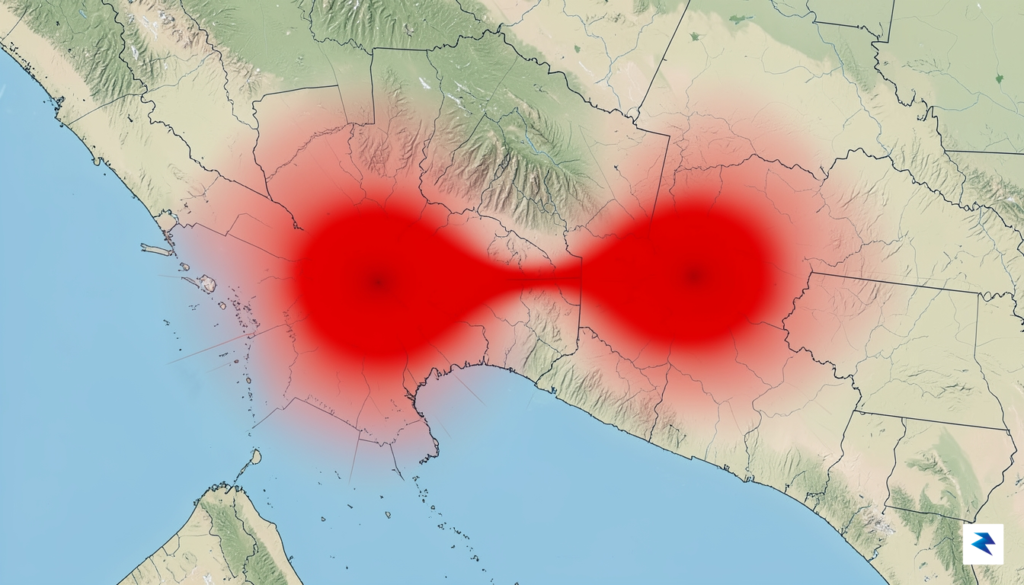
The geological stability of the Venezuelan landscape was shattered in a matter of seconds when two consecutive earthquakes, each registering a staggering 7.5 on the Richter scale, struck the region in rapid succession. This unprecedented seismic sequence occurred within a single minute, creating a catastrophic feedback loop of ground acceleration that caught the nation entirely off guard. Scientists have noted that such a high-intensity event is virtually unheard of in this specific tectonic corridor, marking it as the most significant geological disturbance to impact the country in over a century. The sheer power released by these dual tremors has exceeded historical norms for the area, leaving seismologists struggling to categorize the rarity of such a concentrated release of crustal energy.
From a structural engineering perspective, the back-to-back nature of these tremors created a compounding effect that proved fatal for even moderately reinforced infrastructure. When a building experiences a massive earthquake, its structural integrity is often compromised, leaving it in a state of precarious instability; when a second 7.5 magnitude shock hits while the frame is still oscillating and settling from the first, the building’s ability to dissipate energy is effectively nullified. This phenomenon, known as seismic resonance amplification, leads to catastrophic failure because the structures never have the chance to recover from the initial stress. The ground essentially became a liquefaction zone, where the relentless shaking pulverized foundations and caused total structural collapse across heavily populated urban centers.
The immediate sequence of two 7.5 magnitude quakes creates a worst-case scenario for civil infrastructure, as the second wave strikes while buildings are at their most vulnerable point of oscillation.
The rarity of this event cannot be overstated, as the convergence of two major tectonic ruptures within such a narrow timeframe defies standard predictive models. Typically, a massive quake is followed by aftershocks of decreasing intensity, but this event functioned more like a double-hammer blow to the Earth’s crust. By striking in such quick succession, the quakes amplified the total duration of the violent shaking, turning what might have been a survivable event into a widespread humanitarian disaster. Residents who managed to survive the first tremor were often trapped or caught in the collapse of their homes when the second wave arrived, drastically narrowing the window for escape and significantly increasing the casualty count that now haunts the recovery efforts.
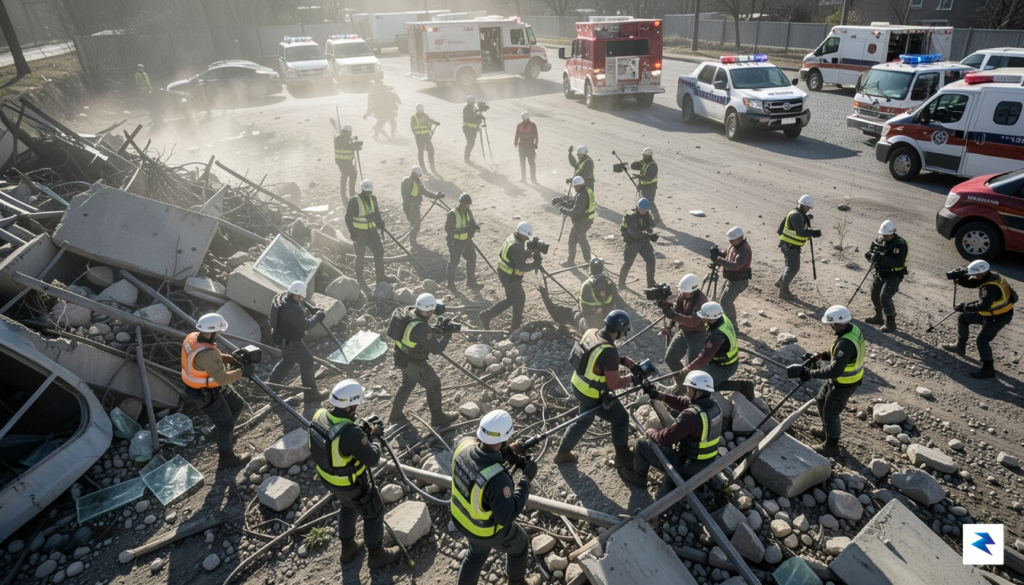
In the immediate aftermath of the dual tremors, the interim leadership acted with unprecedented urgency, formally declaring a national state of emergency to streamline the flow of resources into the hardest-hit regions. This executive decree was designed to bypass bureaucratic bottlenecks, granting authorities the power to mobilize military assets and prioritize the allocation of medical supplies toward the epicenter of the devastation. By centralizing the command structure, officials hope to coordinate a fractured infrastructure that has struggled under years of economic instability, attempting to forge a unified front against a disaster of this magnitude. However, the declaration itself serves as only the first step in a gargantuan task; the government now faces the daunting reality of managing a humanitarian crisis while navigating the limitations of a strained national grid and depleted public resources.
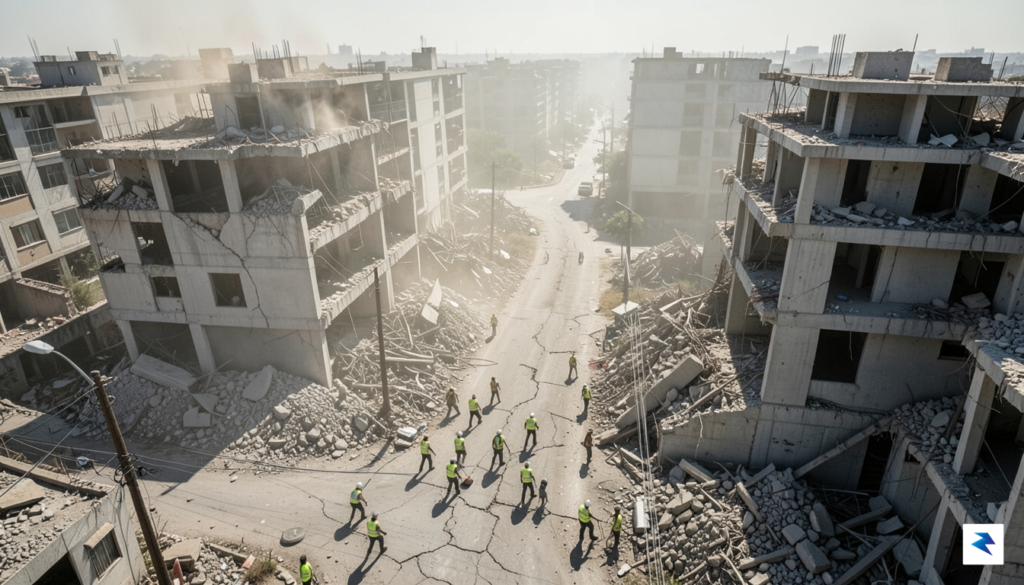
The logistics of this relief effort are complicated by the geographic isolation of some affected areas and the pre-existing fragility of local transport networks. With major arterial roads fractured and communication towers crippled, the deployment of heavy machinery—essential for clearing the massive concrete slabs trapping potential survivors—has been agonizingly slow. Local responders, many of whom are working amidst the ruins of their own homes and neighborhoods, have become the backbone of the initial rescue efforts. These frontline heroes are currently operating with minimal equipment, relying on sheer determination and manual labor to sift through the debris in what has become a desperate, hour-by-hour race against time.
“The clock is our greatest adversary,” noted one lead coordinator on the ground. “Every hour that passes without stable access to these communities decreases the likelihood of finding survivors beneath the concrete, yet our teams remain committed to digging until the last hope is extinguished.”
Moving forward, the primary focus for the interim government remains the stabilization of search and rescue operations while simultaneously preventing secondary health crises. Beyond the physical search for victims, there is an urgent need to establish field hospitals and temporary shelters for the thousands left displaced by the collapsing structures. International aid organizations are currently in negotiations to provide technical support, yet the success of these interventions will largely depend on the government’s ability to ensure safe passage and logistical coordination across the affected provinces. The path toward recovery is long, and the current state of emergency reflects a government desperately attempting to regain control in the face of nature’s overwhelming force.
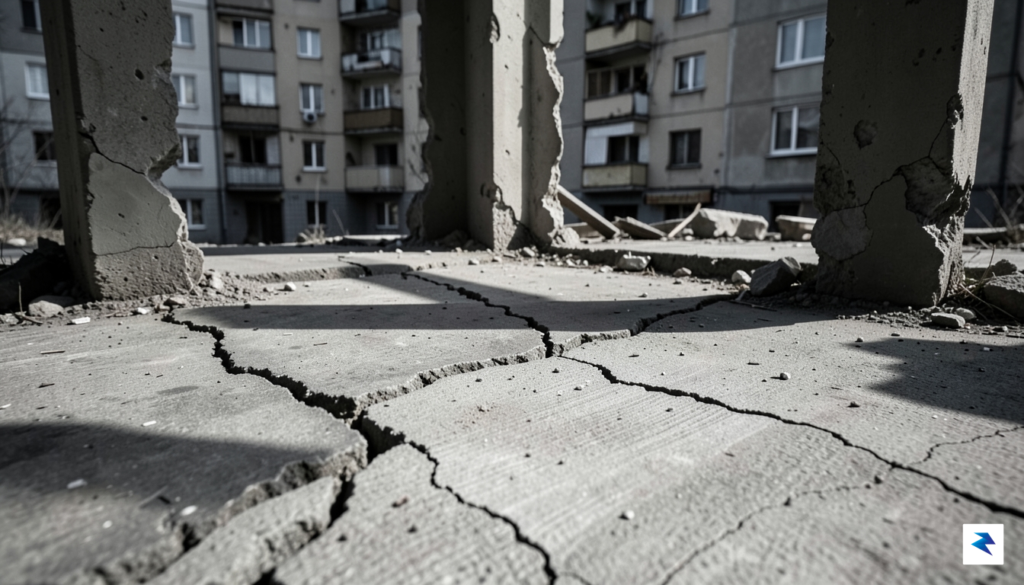
The catastrophic collapse of residential and commercial structures throughout the affected regions is not merely a consequence of the seismic force, but a direct reflection of a long-standing decline in national infrastructure. For decades, Venezuela has struggled with the implementation and enforcement of rigorous building codes, resulting in a landscape where architectural integrity varies wildly from one block to the next. In many older urban centers, buildings constructed prior to the modernization of seismic safety standards lack the necessary reinforcements, such as lateral bracing and flexible foundation systems, required to absorb the energy of a 7.5 magnitude tremor. These structures, often composed of aging masonry and unreinforced concrete, essentially acted as brittle shells that shattered under the sheer lateral displacement of the tectonic shift.
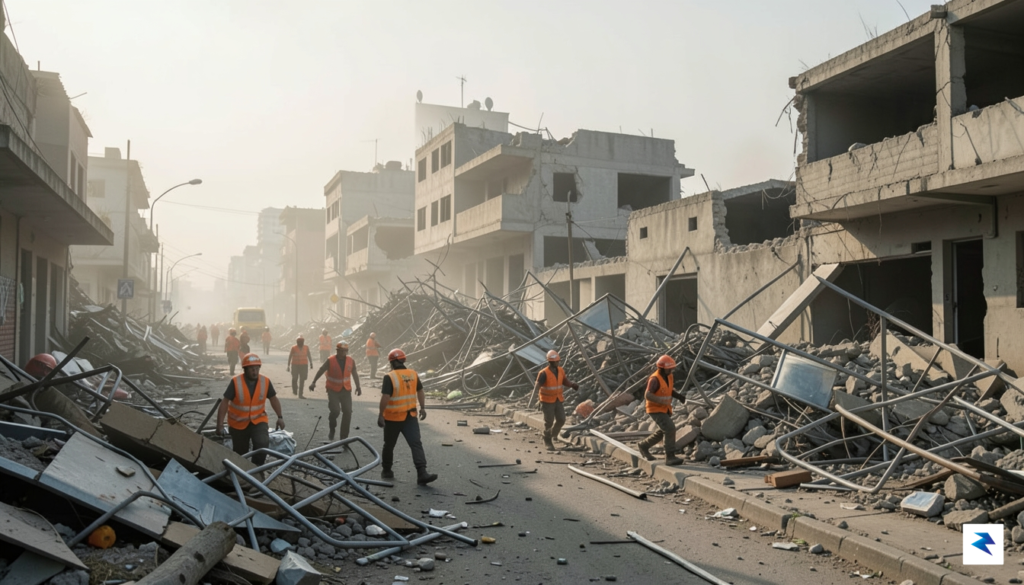
Conversely, while newer developments were theoretically designed with more contemporary safety protocols in mind, the reality of the situation on the ground suggests a systemic failure in maintenance and material quality. The economic hardships that have plagued the nation for years have led to an increase in the use of substandard construction materials and a lack of professional oversight during building projects. Consequently, even buildings that might have been expected to withstand significant shaking experienced catastrophic structural failures, as load-bearing supports proved unable to maintain their integrity under the prolonged oscillation of the earth. This discrepancy between design intent and physical reality has turned residential zones into dangerous trap-like environments, significantly inflating the casualty count as apartments pancaked upon their lower floors.
The tragic loss of life is fundamentally tied to the “seismic debt” accumulated over years of deferred maintenance and the prioritization of rapid, unregulated urban expansion over long-term structural safety.
The vulnerability of the built environment is further exacerbated by the fragility of critical utilities. When the tremors struck, they did not only damage walls and roofs; they fractured the underground networks of water pipes, electrical grids, and telecommunication towers that sustain a modern city. The immediate loss of power has plunged entire sectors into darkness, preventing survivors from calling for help and hindering emergency response teams from coordinating their efforts. Furthermore, the rupture of main water lines has complicated the situation, creating mud-slicked streets that impede the movement of heavy machinery needed for clearing debris. Without a stable foundation of infrastructure to support rescue operations, the delay in reaching trapped individuals has transformed a natural disaster into a humanitarian crisis of historic proportions.
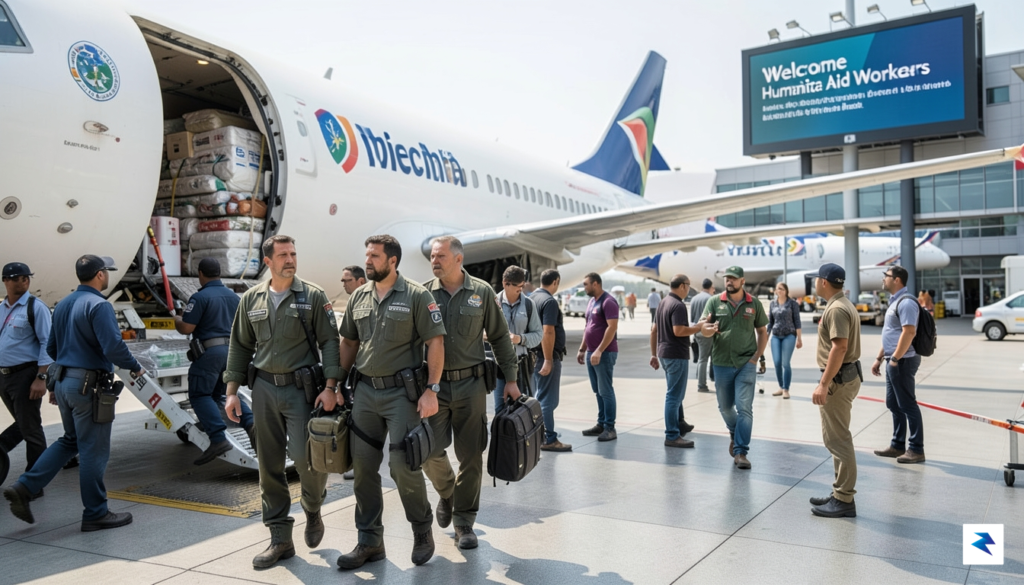
The scale of the devastation following the seismic catastrophe in Venezuela is difficult to fully comprehend, with early estimates suggesting a death toll reaching into the thousands and a staggering number of citizens left without shelter. As search-and-rescue teams comb through the rubble of flattened neighborhoods, the immediate humanitarian burden is shifting toward an urgent need for specialized medical trauma care, clean water, and nutritional support. The destruction of local infrastructure, including power grids and hospital facilities, has left survivors in a precarious position, necessitating a massive mobilization of resources to prevent secondary health crises caused by exposure and the lack of sanitation in densely populated, damaged urban centers.
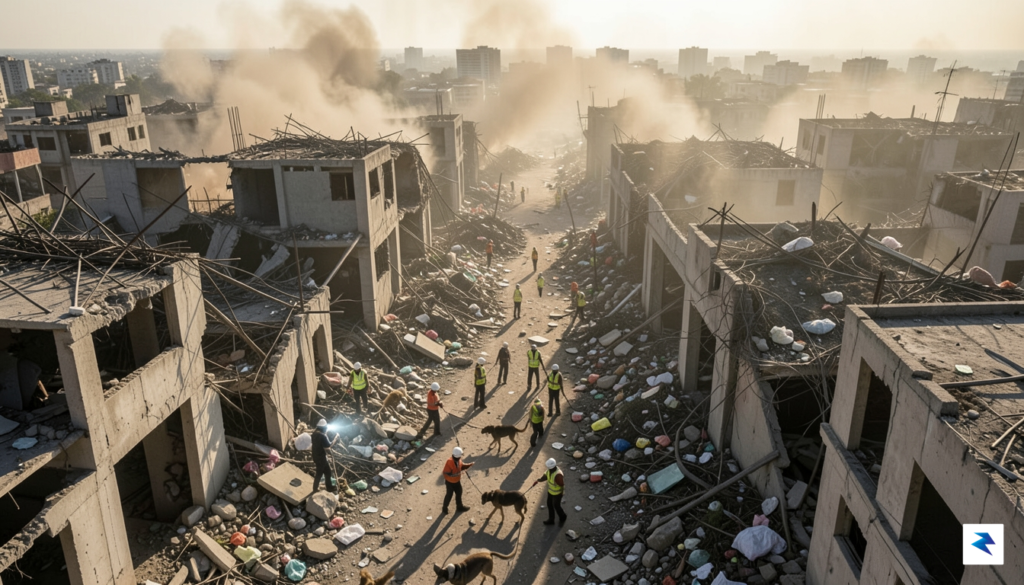
In response to this unfolding tragedy, global humanitarian organizations have begun to surge personnel and equipment toward the region. Coordinating this international influx is a monumental task, as the effectiveness of relief missions will rely heavily on logistical synchronization and the establishment of secure supply chains. International aid groups, ranging from the Red Cross to various United Nations agencies, are prioritizing the delivery of mobile field hospitals and emergency hygiene kits to mitigate the risk of disease. However, the success of these operations is inextricably linked to the ability of relief workers to gain unencumbered access to the most isolated, hardest-hit areas, where the combination of destroyed roadways and mountainous terrain continues to impede progress.
The speed and efficiency of the international response will be the deciding factor in how many lives can be saved in the critical first seventy-two hours following such a large-scale disaster.
Beyond the immediate tactical response, this disaster presents a unique challenge for international diplomatic cooperation. The magnitude of the crisis necessitates a unified front that transcends political divides, as nations across the globe look to contribute specialized engineering teams, search-and-rescue experts, and financial aid. Historically, large-scale natural disasters have occasionally served as a catalyst for fragile diplomatic dialogue, and there is a profound hope that the shared objective of saving human lives will prioritize humanitarian needs above geopolitical friction. As the world watches, the focus remains firmly on the displaced families and the survivors who now face the long and arduous road of rebuilding their lives amidst the ruins of their communities. Providing long-term housing solutions and restoring basic food security will require sustained global attention, ensuring that the international commitment does not fade once the initial media cycle concludes.
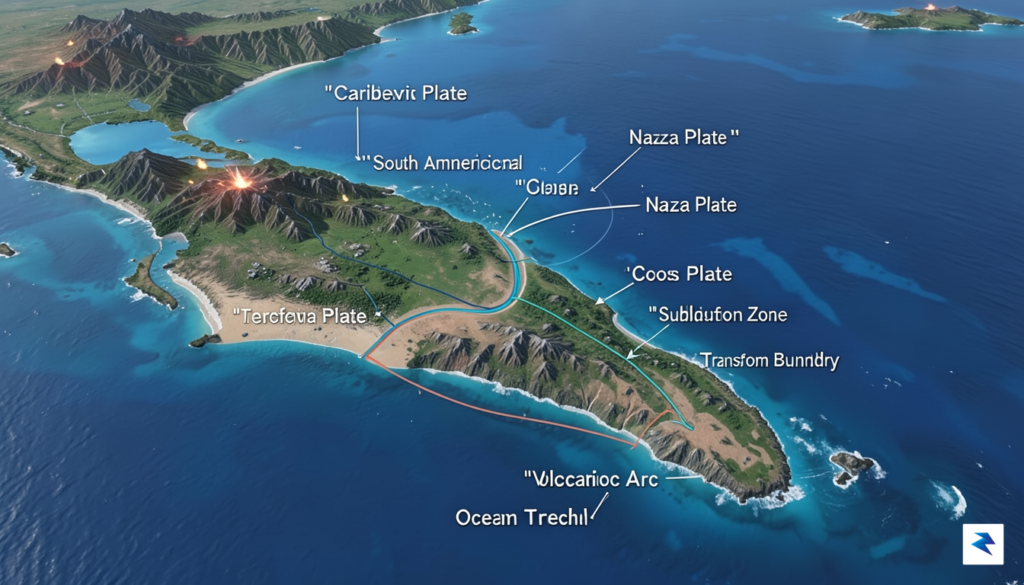
While global attention is frequently captured by the volatile seismic zones of the Pacific “Ring of Fire,” Venezuela sits atop a complex and often overlooked tectonic battlefield. The country’s vulnerability is primarily dictated by its location at the intersection of the Caribbean Plate and the South American Plate. These two massive crustal blocks are constantly in motion, sliding past and colliding with one another along a series of intricate fault lines that traverse the northern portion of the nation. As the Caribbean Plate shifts eastward relative to the South American Plate, stress accumulates within the Earth’s crust over decades or even centuries, eventually reaching a breaking point that triggers catastrophic energy releases in the form of powerful tremors.
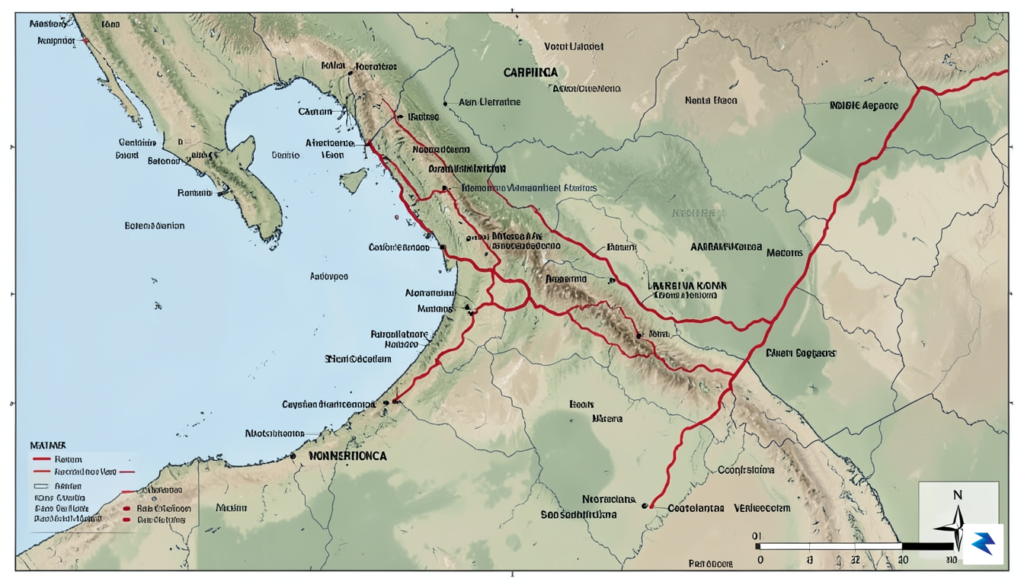
The historical seismic record of Venezuela confirms that these geological forces are not merely theoretical, but a recurring threat that has shaped the nation’s development. For centuries, residents have grappled with the reality of living in a high-risk zone, with major events dating back to the devastating 1812 earthquake that leveled Caracas and claimed thousands of lives. In the intervening years, several other significant tremors have served as stark reminders of the region’s inherent instability. These historical patterns reveal that the northern coastal ranges, where much of the country’s population and critical infrastructure are concentrated, lie directly on top of these active fault systems, making the dense urban centers uniquely susceptible to ground motion and structural failure.
The persistent accumulation of tectonic stress along the Caribbean-South American plate boundary necessitates a proactive, rather than reactive, approach to civil engineering and public safety.
Understanding this geological context is essential for moving beyond the shock of individual disasters and toward a more resilient future. The sheer magnitude of recent events underscores a critical need for rigorous urban planning that prioritizes seismic safety above all else. This involves not only updating building codes to withstand high-frequency vibrations but also conducting comprehensive soil studies to identify liquefaction risks in vulnerable neighborhoods. By integrating state-of-the-art seismic monitoring with modern architectural standards, Venezuela can begin to mitigate the devastating toll that these inevitable geological shifts exact on its people. Education, preparedness, and infrastructure reform are no longer optional considerations; they are the fundamental pillars required to safeguard the nation against the relentless power of the Earth beneath its feet.
You must be logged in to post a comment.