
Disney to Pay $50M Settlement: How to Claim Your YouTube TV and DirecTV Refund
Understanding the Disney Antitrust Settlement The recent legal resolution marks a pivotal moment for the streaming industry, as Disney has…

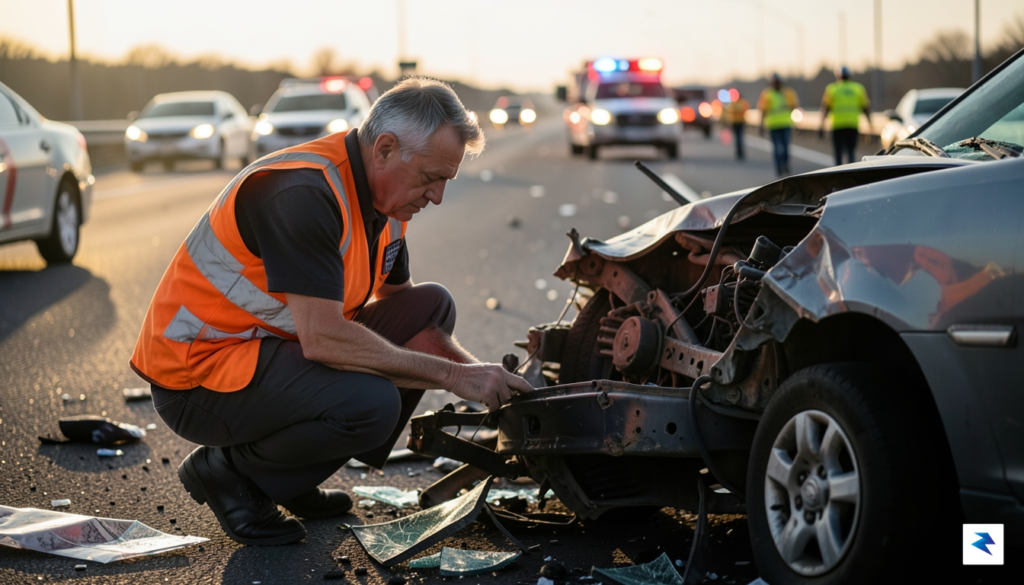
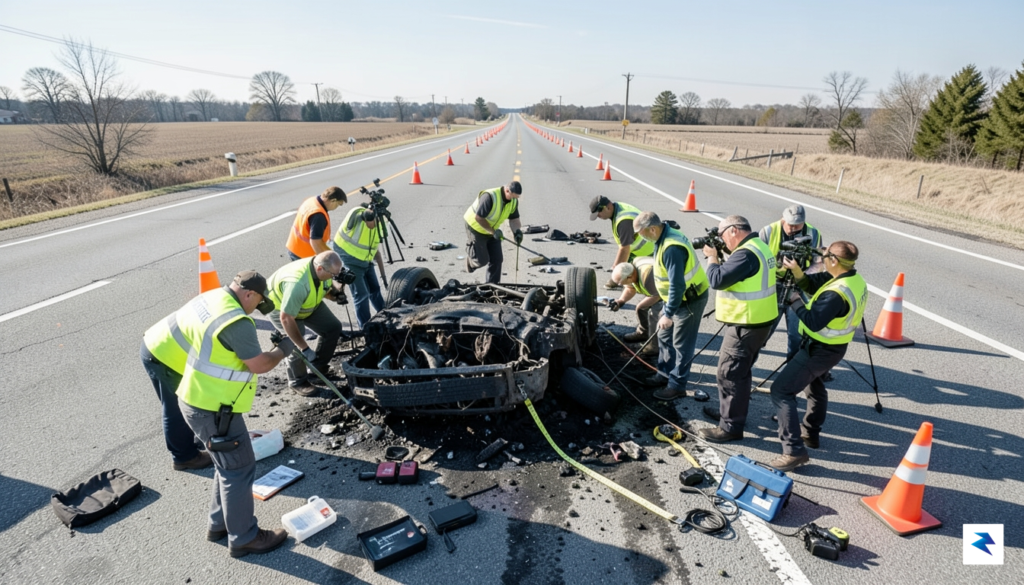
When the National Transportation Safety Board (NTSB) initiates an investigation into a high-profile vehicle accident, the scope of the inquiry shifts dramatically from a standard police assessment to a forensic, systemic deep-dive. While local law enforcement agencies primarily focus on determining immediate culpability, such as whether a driver was speeding or impaired, the NTSB operates under a broader federal mandate to identify systemic safety flaws that could impact the traveling public nationwide. By deploying what is known as a “Go Team”—a multidisciplinary group of specialists including human performance experts, mechanical engineers, and digital data analysts—the agency ensures that every variable, from the vehicle’s complex software architecture to the physical infrastructure of the roadway, is scrutinized under a microscope.
The investigative methodology employed by the NTSB is exhaustive and relies heavily on high-fidelity data extraction that transcends what a typical traffic report can provide. Investigators prioritize the recovery of data from the vehicle’s electronic control units (ECUs), which act as a digital black box, recording granular details like steering inputs, braking patterns, and the activation status of advanced driver-assistance systems in the seconds leading up to a collision. This technical data is then synthesized with environmental factors and witness testimonies to construct a precise timeline of events. Unlike a local police report, which serves as a record for insurance or criminal justice purposes, the NTSB’s findings are designed to yield actionable safety recommendations, often resulting in legislative pressure on manufacturers or federal regulators to update safety standards.
The NTSB’s role is not to assign blame in a court of law, but rather to serve as a diagnostic tool for the entire automotive industry, seeking to transform individual tragedies into catalysts for broader, life-saving technological advancements.
Furthermore, the distinction between these two types of inquiries lies in their ultimate objective: accountability versus prevention. A local officer at the scene of a crash is tasked with enforcing traffic laws and assessing the immediate circumstances of the incident, often within the constraints of a busy, localized jurisdiction. Conversely, the NTSB operates with a singular focus on “probable cause,” looking for repeating patterns or engineering gaps that suggest a systemic issue rather than a one-off human error. By examining the interplay between human drivers and increasingly autonomous vehicle technology, the NTSB ensures that if a specific Tesla model or software feature displays a pattern of failure, the root cause is identified and addressed across the entire fleet, thereby preventing future accidents before they occur.
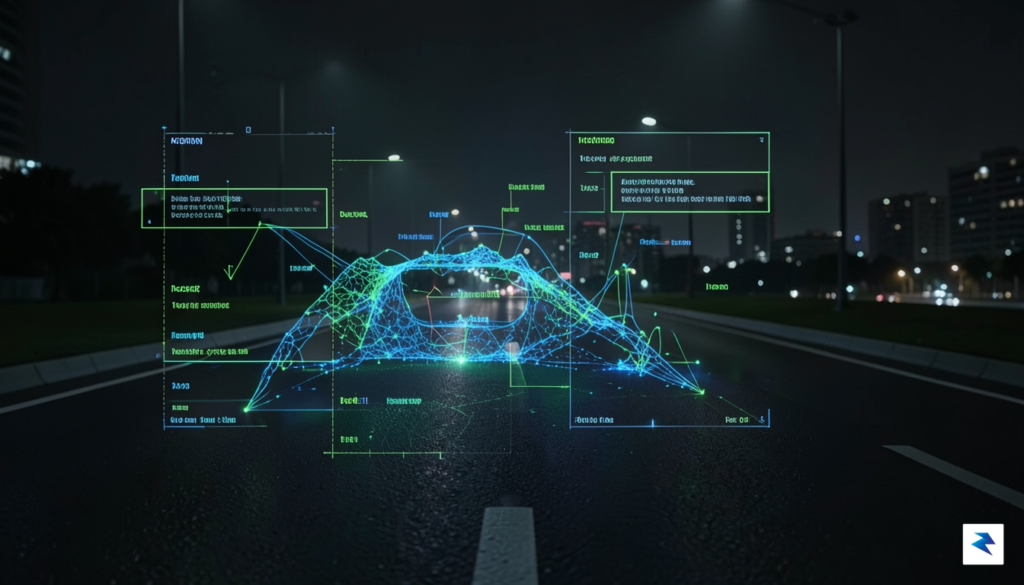
The core challenge in contemporary automotive safety lies in the precarious intersection of human behavior and machine capability. Currently, systems like Tesla’s Autopilot are classified as Level 2 driver-assistance technologies, meaning they require constant supervision from a human operator who must remain ready to intervene at a moment’s notice. Despite this clear designation, a persistent psychological phenomenon known as “automation bias” often clouds driver judgment. This cognitive trap leads individuals to over-rely on software, assuming the vehicle possesses a level of situational awareness that far exceeds its current programming. When drivers mentally “check out,” expecting the car to navigate complex or unpredictable road environments entirely on its own, the safety margin provided by these systems evaporates, leaving little room for error when the technology encounters a scenario it was not designed to handle.
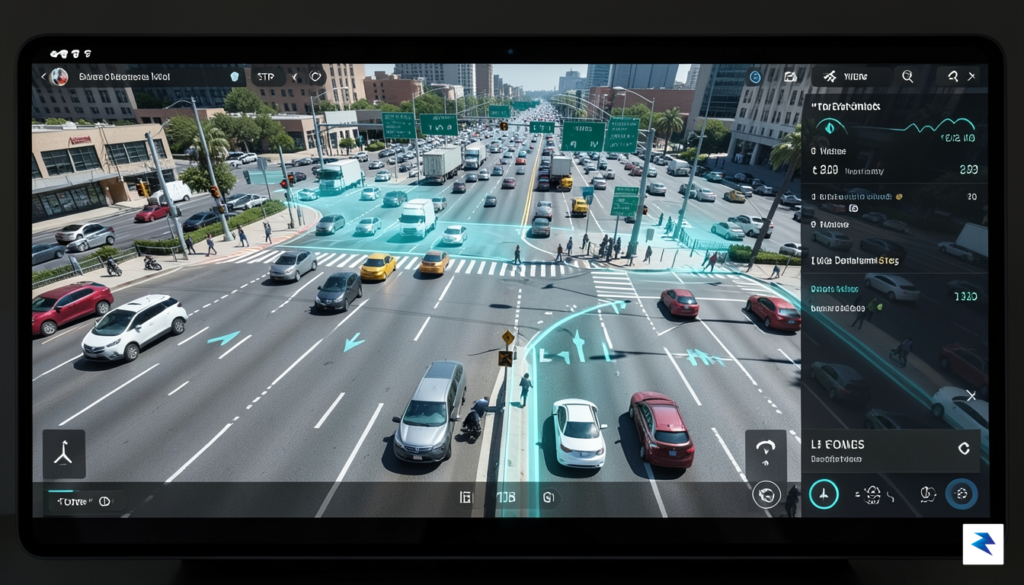
When a fatal incident occurs, the National Transportation Safety Board (NTSB) initiates a rigorous forensic examination of the vehicle’s digital ecosystem. Investigators do not merely look at the scene; they extract deep-level technical logs from the car’s internal “black box” and electronic control units. These logs are critical for determining whether the ADAS features were actively engaged at the time of the crash and, more importantly, whether the software was functioning within its intended parameters. By analyzing millisecond-by-millisecond data, investigators can track steering angle inputs, braking history, and sensor alerts. This granular data allows the NTSB to reconstruct the sequence of events and identify whether the vehicle’s sensors correctly identified obstacles or if the software failed to respond appropriately to the specific road conditions present at the scene.
The transition from manual driving to semi-autonomous operation creates a “vigilance decrement,” where the human operator becomes less attentive over time, even as they remain legally responsible for the vehicle’s trajectory.
Furthermore, the investigation into these crashes often scrutinizes how the vehicle communicated its status to the driver. Experts look for evidence of “system disengagement” or warnings issued to the operator to keep their hands on the wheel. If the software registered that a driver was distracted or unresponsive, it should theoretically trigger a series of escalating alerts or, in some cases, a gradual slowdown. Determining whether these safety protocols functioned as designed is essential to understanding the root cause of the tragedy. By comparing the vehicle’s internal logic against the actual environmental factors—such as lighting, lane markings, and the presence of stationary objects—the NTSB can discern whether the accident was a result of human complacency, a limitation in the software’s perception stack, or a catastrophic failure of the interaction between the two.
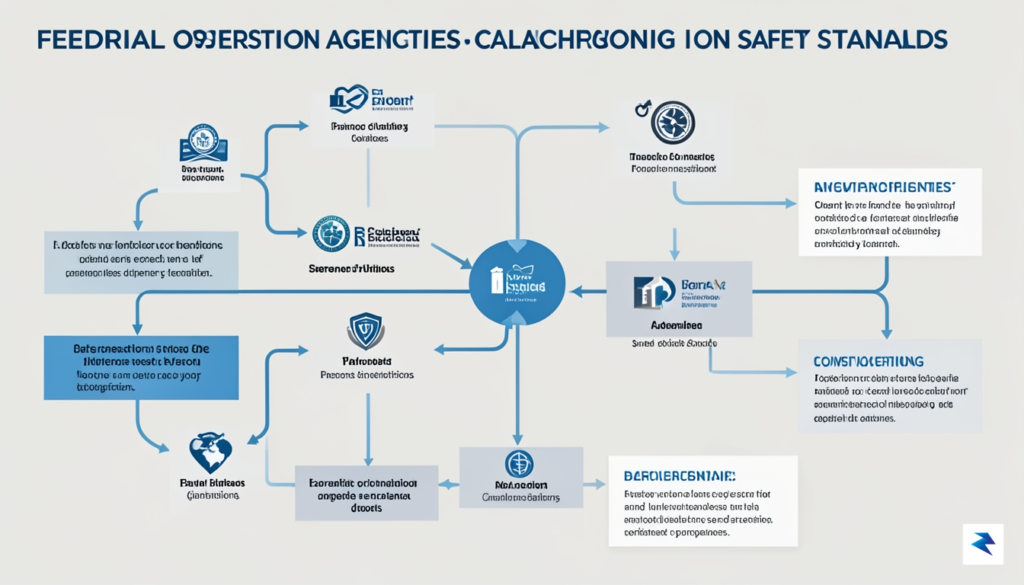
To understand the complexity of automotive safety oversight in the United States, it is essential to distinguish between the complementary yet distinct mandates of the National Transportation Safety Board (NTSB) and the National Highway Traffic Safety Administration (NHTSA). While both agencies are dedicated to the preservation of life on American roadways, they operate through fundamentally different mechanisms. The NTSB functions primarily as an independent investigative body, tasked with conducting meticulous “root cause” analyses after high-profile accidents occur. By examining the mechanical data, human factors, and environmental conditions surrounding a specific crash, the NTSB produces comprehensive reports that identify systemic failures and issue formal safety recommendations to manufacturers and regulators alike.
Conversely, the NHTSA serves as the primary federal enforcement arm, possessing the statutory authority to regulate the automotive industry through the implementation of Federal Motor Vehicle Safety Standards (FMVSS). While the NTSB provides the evidence-based findings, the NHTSA holds the regulatory “teeth” required to mandate design changes, enforce safety compliance, and initiate large-scale vehicle recalls if a model is found to pose an unreasonable risk to the public. In the context of a high-profile Tesla investigation, this hierarchy is vital: the NTSB digs into the granular technical details to determine exactly what went wrong, while the NHTSA uses those findings to decide whether a broader market correction or a shift in safety policy is necessary for all vehicles on the road.
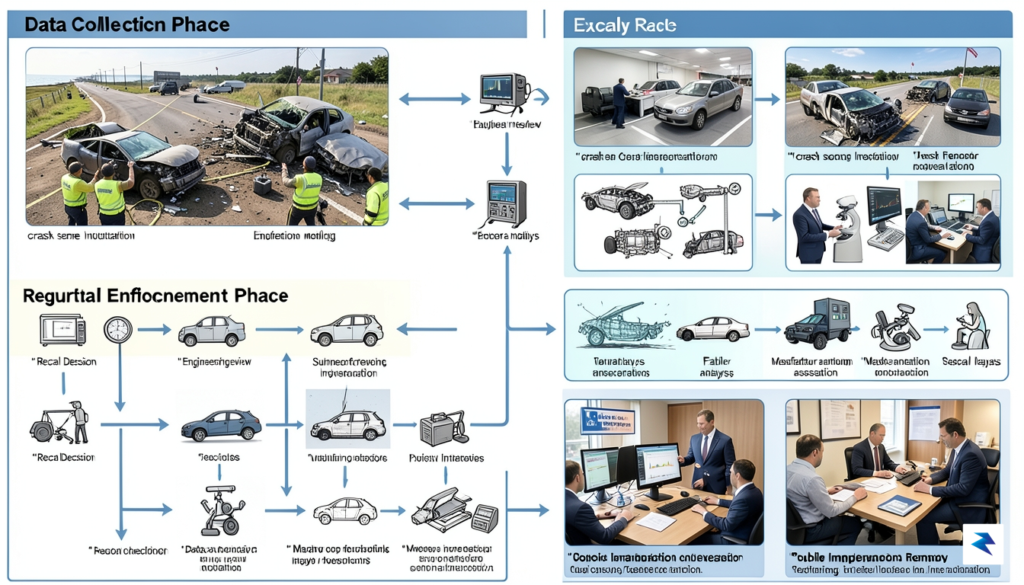
The partnership between these two agencies creates a continuous feedback loop: the NTSB identifies the “why” behind the tragedy, providing the data necessary for the NHTSA to enforce the “how” of systemic safety improvements.
This collaborative framework is not merely a bureaucratic formality; it is a critical safeguard for national automotive safety policy. When the NTSB releases a set of safety recommendations, it essentially sounds an alarm based on empirical evidence that the NHTSA can then translate into actionable law. Without the NTSB’s ability to conduct deep, independent investigations into emerging technologies—such as advanced driver-assistance systems and autonomous features—the NHTSA would lack the specialized insight required to update safety standards for rapidly evolving vehicles. By working in tandem, these agencies ensure that the lessons learned from individual, often tragic events are effectively converted into permanent, life-saving regulations that govern the entire automotive fleet.
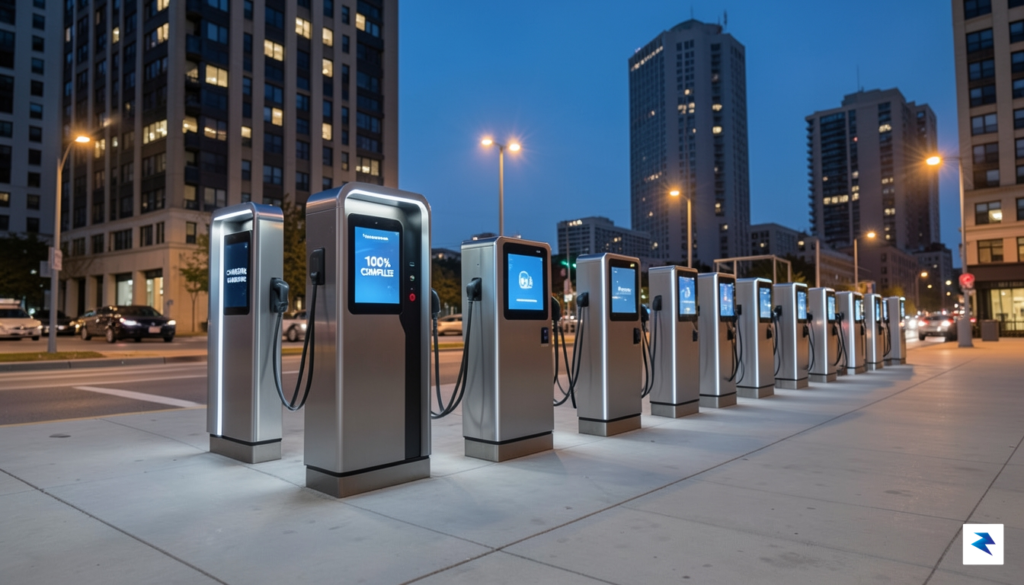
Every high-profile investigation conducted by the National Transportation Safety Board (NTSB) serves as a critical catalyst for industry-wide evolution, often acting as the primary driver for shifts in automotive engineering and federal oversight. Historically, the NTSB’s influence has been profound; their recommendations following major accidents have frequently transitioned from advisory suggestions to mandatory safety standards across the entire manufacturing sector. When the board scrutinizes a specific incident, they are not merely analyzing a single point of failure, but rather identifying systemic weaknesses that could affect millions of drivers on the road. Consequently, this recent probe is likely to influence how regulators view the intersection of advanced driver-assistance systems and the unique physical properties of electric vehicles, potentially setting a new benchmark for how companies deploy software updates and automated features.
The transition to electric transportation introduces a distinct set of safety variables that traditional crash investigations rarely had to address, most notably the complex behavior of lithium-ion battery packs under extreme stress. High-speed impacts can cause these battery cells to enter a state of thermal runaway, a condition that poses significant challenges for first responders and complicates traditional fire suppression techniques. By investigating these dynamics, the NTSB is forcing the industry to rethink crashworthiness, specifically regarding how battery enclosures are shielded and how vehicle software manages emergency shut-off protocols during an accident. These investigations are essential because they provide the technical data necessary to mandate better structural integrity, ensuring that the next generation of EVs is built to withstand the realities of modern road environments.
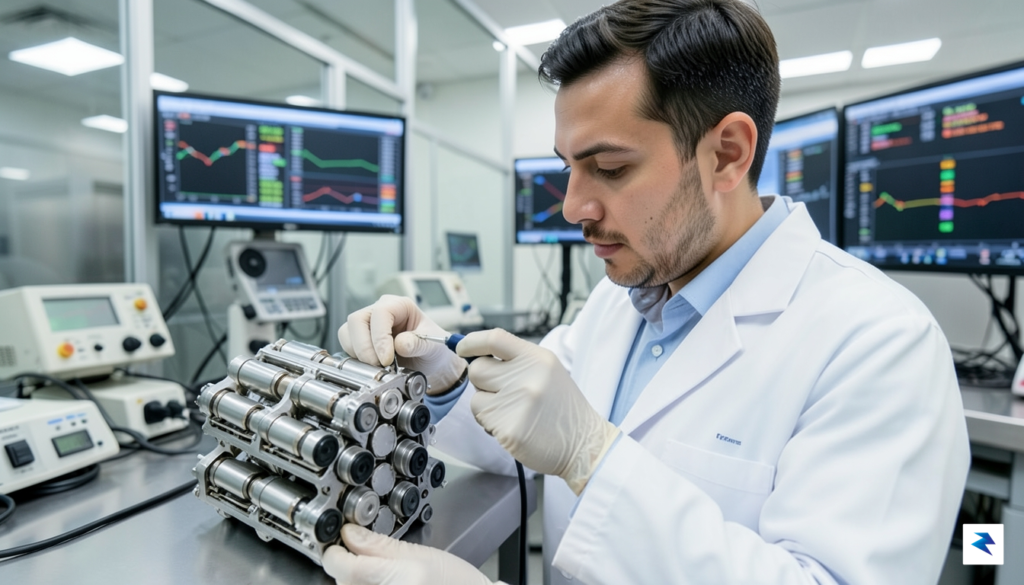
Rigorous, data-driven investigations are the bedrock of public confidence in new technology; without a transparent accounting of failure, the rapid adoption of electric vehicles risks outpacing the safety protocols required to protect the public.
Ultimately, the objective of these investigations is to bolster public trust in a market that is rapidly moving away from internal combustion engines. Consumers are naturally wary of new risks, and a lack of oversight regarding how automated driving software interacts with high-voltage hardware can stifle the adoption of green technology. When regulators step in to demand accountability and transparency in software deployment, they are not just penalizing a single manufacturer; they are establishing a framework for safe innovation that benefits the entire automotive ecosystem. As we move toward a future of electrified and semi-autonomous transport, these lessons learned will prove invaluable, turning tragic individual outcomes into collective safety advancements that safeguard drivers for years to come.

The journey towards a fully autonomous driving future is undeniably complex, marked by an inherent tension between the exhilarating pace of technological innovation and the unwavering imperative of passenger and public safety. On one hand, the promise of self-driving vehicles — reduced accidents, optimized traffic flow, and increased accessibility — is transformative, pushing the boundaries of what’s possible in mobility. However, as with any groundbreaking technology deployed in the unpredictable real world, the path is not without its significant hurdles and, tragically, sometimes severe setbacks. Incidents that prompt thorough investigations serve as stark reminders that while the ambition is high, the margin for error must be infinitesimally small, demanding a careful, deliberate approach that prioritizes human life above all else.
In this challenging landscape, the role of independent investigative bodies becomes paramount. These agencies meticulously dissect every detail of an incident, from vehicle telemetry and sensor data to environmental factors and human interaction, transforming unfortunate events into invaluable learning opportunities. For the self-driving industry, this process underscores the critical importance of transparency and robust data sharing. Automakers must work hand-in-hand with regulators, providing comprehensive access to proprietary system logs, software algorithms, and operational data. This collaborative, open exchange of information is not merely a compliance requirement; it is the bedrock upon which systemic improvements are built, allowing experts to pinpoint vulnerabilities, understand failure modes, and collectively engineer more resilient and predictable systems for the benefit of everyone on the road.
Ultimately, these rigorous probes, though often triggered by tragic circumstances, are indispensable catalysts for the evolution of autonomous technology. Each investigation yields a deeper understanding of real-world operational complexities, paving the way for the integration of more sophisticated fail-safe mechanisms and redundant systems into the next generation of vehicles. The insights gained directly inform improvements in sensor fusion, decision-making algorithms, and the critical hand-off protocols between human drivers and autonomous systems. It is through this demanding, iterative cycle of innovation, deployment, investigation, and refinement that autonomous driving will gradually mature, moving closer to its ultimate goal: a future where advanced technology significantly enhances safety and efficiency for all road users. This commitment to learning from every incident is what will truly pave the way for a more robust and reliable autonomous future.
You must be logged in to post a comment.