LastPass Breach: What Users Need to Know and Do Now
Understanding the Latest LastPass Security Incident In a series of communications that have drawn significant attention from the cybersecurity…
The recent legal resolution marks a pivotal moment for the streaming industry, as Disney has agreed to a $50 million settlement to resolve long-standing allegations of price-fixing. This class-action lawsuit targeted the entertainment giant for its influence over subscription pricing models, specifically impacting those who accessed content through major third-party platforms like YouTube TV and DirecTV. At the heart of the dispute were claims that Disney’s contractual requirements forced these distributors to adopt pricing structures that stifled fair market competition. By allegedly mandating specific package compositions and pricing floors, plaintiffs argued that Disney effectively prevented consumers from enjoying the benefits of a truly competitive marketplace, ultimately leading to artificially inflated monthly subscription costs for millions of households.
For the average consumer, this settlement is more than just a legal formality; it represents a significant acknowledgment of the power dynamics currently shifting between massive content creators and the platforms that deliver them to our screens. The lawsuit centered on the legal theory that Disney’s leverage as a dominant media entity allowed it to exert undue control over the retail pricing set by its distribution partners. By restricting the ability of services like YouTube TV and DirecTV to offer more flexible or lower-cost alternatives, Disney allegedly hindered the natural downward pressure on prices that usually occurs in a healthy, free-market economy. This settlement seeks to address the financial harm caused to subscribers who paid premiums for bundled services that may have been shaped by anti-competitive mandates rather than consumer demand.

The $50 million settlement serves as a reminder that even the largest media conglomerates are subject to antitrust regulations designed to protect the financial interests of the everyday subscriber.
It is important to note that while this payout is substantial, the practical impact on individual subscribers will depend on the specific terms of the settlement distribution. The agreement encompasses a broad range of users who maintained subscriptions during the relevant time frame, and the process to claim a portion of these funds will be outlined in upcoming communications from the settlement administrators. Beyond the immediate cash payout, this legal outcome may set a precedent for how future carriage agreements are negotiated across the industry. By drawing a line in the sand regarding anti-competitive pricing practices, this development encourages a more transparent environment where streaming platforms have the autonomy to offer pricing that better reflects the actual value and preferences of their diverse subscriber bases.

Determining whether you are entitled to a portion of this settlement requires a close look at your billing history over the past several years. The eligibility window is quite expansive, covering any individual who maintained a subscription to either YouTube TV or DirecTV Stream between April 1, 2019, and March 31, 2026. This seven-year timeframe is designed to capture a broad swath of customers who were allegedly impacted by the pricing and bundling strategies at the heart of the legal dispute. If you held an active account at any point during these specific dates, you may be considered a member of the settlement class, regardless of whether you are still a current subscriber today.
To qualify for a payout, it is not enough to simply have watched these platforms; you must have been a paying subscriber during the window. Because the settlement involves complex billing records, the administrators will generally rely on data provided by the service providers to identify potential class members. However, you should remain proactive by gathering any digital receipts, email confirmations, or billing statements that verify your subscription dates. Maintaining these records is a practical step that can help resolve any discrepancies if your account information is not automatically flagged during the initial outreach phase of the claims process.
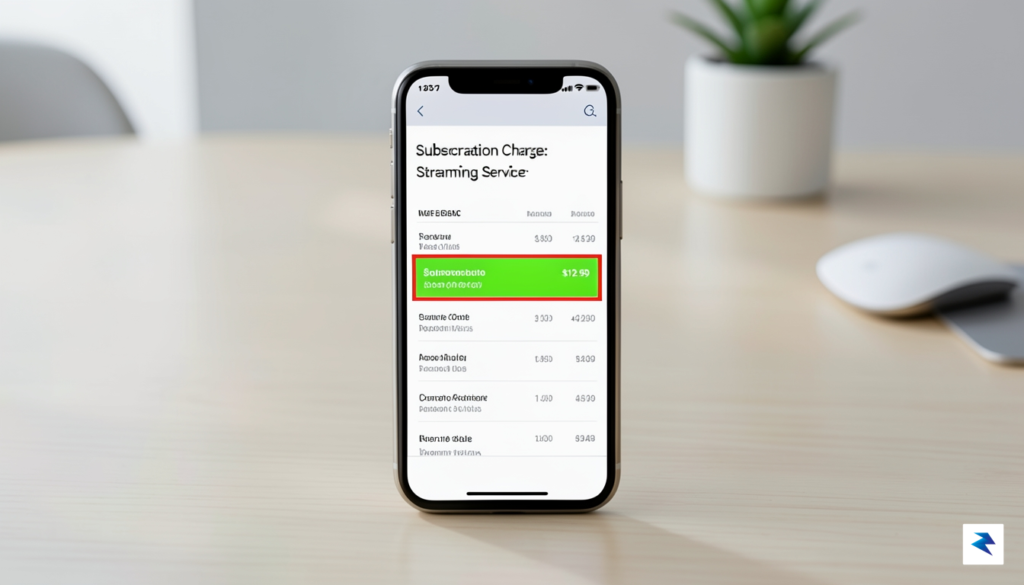
The process for filing a claim is intended to be straightforward, but it requires attention to detail to ensure your submission is valid. Typically, administrators for large class-action settlements establish a dedicated portal where users can input their information to verify their status. Once the settlement website goes live, eligible subscribers will likely be notified via email or physical mail with a unique claim ID. If you believe you fit the criteria but do not receive a notification, you should visit the official settlement website directly to review the registration requirements and follow the provided instructions to submit your request before the cutoff date.
Key Takeaway: Do not wait for a physical letter in the mail. If you were a subscriber between 2019 and 2026, bookmark the official settlement portal once it is announced to ensure you do not miss the deadline for filing your claim.
It is important to understand that the final amount paid to each individual will be determined by the total number of valid claims received. Because the $50 million fund must be distributed among a potentially massive group of subscribers, the exact payout per person will be calculated on a pro-rata basis after administrative fees and legal costs are deducted. Therefore, while you should certainly file a claim if you are eligible, it is wise to manage your expectations regarding the specific dollar amount you might receive. Staying informed through official updates will be your best strategy for ensuring you receive your fair share of the settlement funds.

At the heart of the legal dispute lies the concept of “tying” arrangements, a common yet controversial practice in the media industry where a content provider forces distributors to carry less desirable channels in order to gain access to highly coveted ones. The lawsuit alleged that Disney leveraged its immense market power, driven by powerhouses like ESPN and the Disney Channel, to coerce streaming platforms such as YouTube TV and DirecTV into accepting rigid, bundled carriage agreements. By essentially holding must-have programming hostage, Disney made it nearly impossible for these distributors to offer leaner, more affordable channel packages to their subscribers. Consequently, the plaintiffs argued that these forced bundles prevented true market competition and effectively stifled the ability of streaming services to curate content based on actual viewer demand.
The economic impact of this strategy on the average household was, according to the lawsuit, substantial and direct. When distributors are forced to pay licensing fees for a massive portfolio of unwanted networks, those costs are inevitably passed down to the consumer in the form of higher monthly subscription fees. Instead of paying for a tailored selection of channels, viewers found themselves subsidizing entire networks they never watched. This lack of “a la carte” flexibility meant that the price of entry for live television services remained artificially inflated, disproportionately affecting families and individuals who were already struggling with the rising costs of digital entertainment.
Furthermore, the legal challenge scrutinized the “most-favored-nation” clauses and other restrictive terms that Disney allegedly imposed on these distributors. By maintaining strict control over how content was bundled and priced, Disney ensured that its expansive library of intellectual property remained profitable regardless of changing viewing habits. The plaintiffs contended that this structural dominance created an ecosystem where market forces were sidelined by contractual mandates, leading to an environment where subscribers were essentially paying for a bloated service that did not reflect their actual consumption patterns. Ultimately, the settlement represents a significant acknowledgment that these restrictive practices were not merely standard business operations, but rather a mechanism that imposed an unfair financial burden on millions of streaming customers across the country.
The lawsuit underscored a critical friction point in the modern media landscape: the tension between corporate content control and the consumer demand for transparent, flexible, and fairly priced streaming options.
Beyond the immediate financial relief for affected subscribers, the recent settlement concerning certain digital television services represents a significant inflection point for the entire streaming industry. This agreement serves as a potent warning shot fired across the bow of major media conglomerates, signaling a potential shift in the power dynamics of content distribution. It underscores a growing demand for transparency and fairness from consumers, who are increasingly wary of opaque pricing structures and sudden changes to their beloved services.
The landscape of television consumption has been dramatically reshaped over the past decade, driven largely by the exodus from traditional cable packages to more flexible, internet-based streaming options. Millions have “cut the cord” in search of greater control over their entertainment choices and a reprieve from ever-increasing bundle costs laden with unwanted channels. This settlement highlights the ongoing tension between consumers’ desire for à la carte content and media companies’ efforts to maintain valuable, aggregated channel bundles, further emphasizing that the old rules of engagement no longer apply in this rapidly evolving digital frontier.
Moreover, this development sheds light on the heightened regulatory scrutiny surrounding large-scale media mergers and acquisitions. In an era where consolidation has led to fewer, larger players dominating the media space, government bodies and consumer advocacy groups are increasingly watchful of how these deals impact competition and, critically, consumer prices and access. The settlement suggests that promises made during merger approvals regarding consumer benefits and stable pricing are not merely rhetorical, but commitments that companies can and will be held accountable for, potentially influencing the conditions and feasibility of future industry consolidation.
Looking ahead, this outcome could fundamentally reshape how digital television services structure their pricing models and negotiate channel bundles. Media companies might now feel increased pressure to offer more flexible, transparent, and consumer-centric subscription tiers, rather than relying on broad, take-it-or-leave-it packages. We could see a trend towards smaller, more curated bundles or even a greater embrace of true à la carte options, where subscribers pay only for the specific channels they genuinely want. This move towards greater pricing clarity would empower consumers and likely foster a more competitive environment among streaming providers.
Ultimately, this settlement marks a victory for consumer empowerment and sets a powerful precedent for accountability within the digital entertainment space. It sends a clear message that subscribers are no longer passive recipients of whatever content and pricing structures companies decide to impose. Instead, they possess the collective power, often amplified by legal and regulatory oversight, to demand better value, clearer communication, and fairer treatment. This shift could usher in an era where streaming services are forced to be more responsive to their audience’s needs, leading to a more equitable and satisfying experience for everyone.
You must be logged in to post a comment.