
Zoox Refines Its Robotaxi: What the Latest Upgrades Mean for the Future of Transport
Evolution of the Zoox Robotaxi: A Design-First Approach For years, the autonomous vehicle industry relied heavily on retrofitting existing…


The recent agreement requiring Chemours to pay $450 million marks a definitive turning point in the long-standing battle over per- and polyfluoroalkyl substances (PFAS), often referred to as “forever chemicals.” This substantial financial commitment is not merely a penalty; rather, it represents a formal resolution to address the widespread contamination of public water systems across the United States. By finalizing this settlement, the company has agreed to fund the necessary infrastructure, testing, and filtration technologies required to remove these persistent compounds from municipal water supplies. For the millions of residents who have relied on potentially compromised water sources, this payout serves as a critical mechanism for restoring safety and ensuring that the financial burden of remediation does not fall squarely on local taxpayers.
This settlement is particularly significant because it serves as the first major federal action of its kind, establishing a legal precedent that many industry experts believe will echo through future environmental litigation. For years, chemical manufacturers have operated under a cloud of uncertainty regarding their long-term liability for the environmental and health impacts of PFAS. By securing this federal mandate, regulators have effectively signaled that the era of accountability for chemical manufacturers has entered a new, more rigorous phase. This move shifts the needle, transforming how federal agencies approach environmental damage and setting a clear expectation that corporations must proactively address the downstream consequences of their chemical production processes.

The $450 million commitment represents a foundational shift in how federal authorities hold manufacturers accountable for the environmental footprint of persistent synthetic chemicals.
Looking ahead, the implications of this resolution extend far beyond the immediate financial impact on Chemours. The legal framework established by this settlement provides a roadmap for future lawsuits, potentially streamlining the path for other communities seeking compensation for contamination. By setting a high bar for remediation funding, the federal government has created a template for how similar cases might be settled, favoring comprehensive, long-term solutions over fragmented, localized legal battles. As a result, the chemical industry now faces a heightened level of risk, necessitating a fundamental reassessment of their environmental safety protocols and risk mitigation strategies. Ultimately, this settlement underscores a growing consensus: the cost of cleaning up industrial pollution can no longer be ignored or deferred, and manufacturers must now factor the full lifecycle of their products into their operational and financial planning.
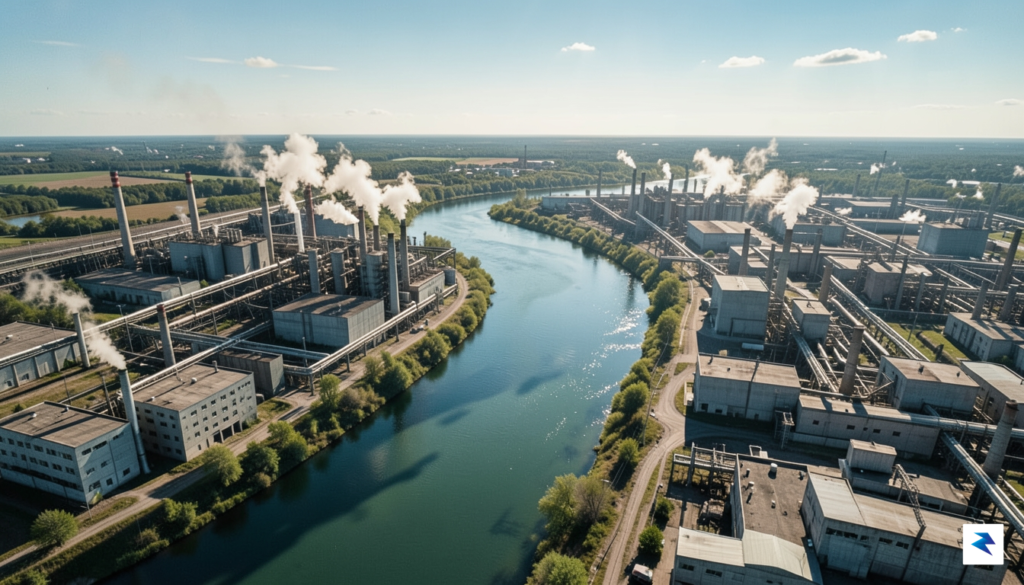
The settlement involving Chemours highlights a reality that has long been whispered in environmental science circles: per- and polyfluoroalkyl substances, or PFAS, are effectively ubiquitous in the modern industrial landscape. These “forever chemicals,” engineered for their remarkable ability to resist heat, water, and grease, have infiltrated nearly every corner of our daily existence. From non-stick cookware and water-repellent clothing to specialized firefighting foams and food packaging, the very properties that made these compounds industry favorites are exactly what make them so dangerous to the environment. Because they do not break down naturally, they accumulate in the soil, the air, and, most critically, the water systems that millions of people rely on for survival.
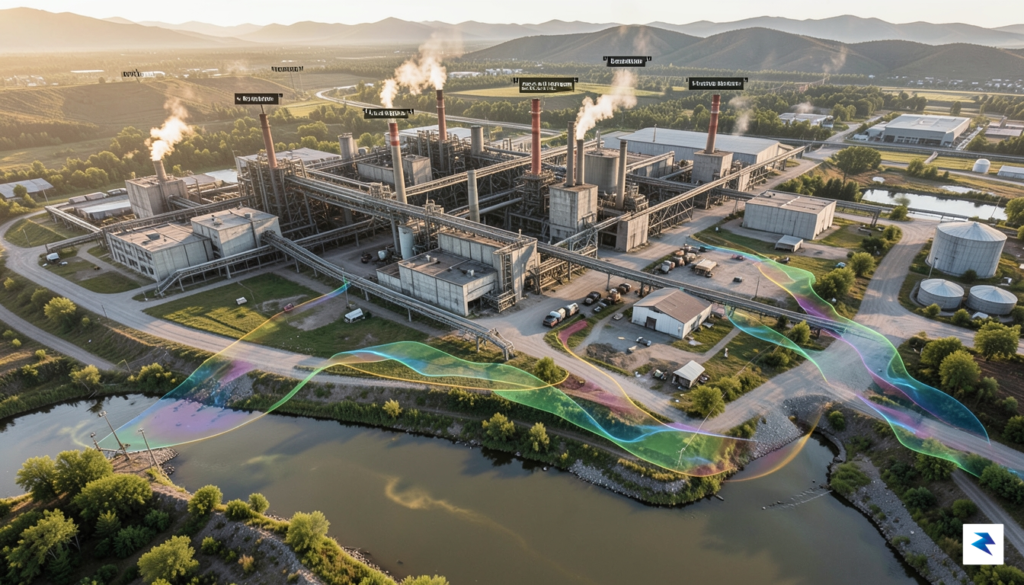
While the Chemours case focuses on specific instances of contamination, it is essential to recognize that this is not an isolated incident confined to a single corporation or a solitary geographic region. Across the United States, from the industrial corridors of the Midwest to the coastal manufacturing hubs of the East, municipal water authorities are grappling with the staggering costs of filtration and remediation. The geographic reach of these contaminants is truly national in scope, affecting both major metropolitan water supplies and small, rural well systems that lack the infrastructure to detect or neutralize these synthetic invaders. This widespread proliferation turns the Chemours settlement into something far more significant than a mere legal transaction; it serves as a bellwether for the entire chemical industry.
The $450 million payout is not just a settlement for past actions; it is a profound acknowledgment that the environmental footprint of legacy manufacturing practices carries a long-term liability that can no longer be ignored or deferred.
As regulatory bodies and public health organizations continue to tighten their scrutiny, the industry faces a reckoning regarding its environmental legacy. This legal milestone sets a precedent that encourages other companies to evaluate their own historical usage of PFAS and the potential liabilities lurking in their supply chains. By establishing that the financial responsibility for environmental damage rests with the producers, this settlement signals a shift toward greater corporate accountability. For the public, this outcome provides a glimmer of hope that the era of unchecked contamination is drawing to a close, though it also serves as a sobering reminder of the immense, ongoing effort required to restore the safety of our most precious natural resources.

The term “forever chemicals” is not merely a moniker for public alarm; it is a precise description of the structural resilience that defines per- and polyfluoroalkyl substances (PFAS). At the molecular level, these compounds are characterized by a chain of carbon atoms bonded to fluorine atoms. This carbon-fluorine bond is among the strongest in organic chemistry, effectively rendering the molecules impervious to natural degradation processes like sunlight, water, or microbial action. Because nature lacks the biological machinery to break these synthetic chains apart, PFAS compounds persist in soil, air, and groundwater for decades, accumulating across the food chain and eventually concentrating in the human body.
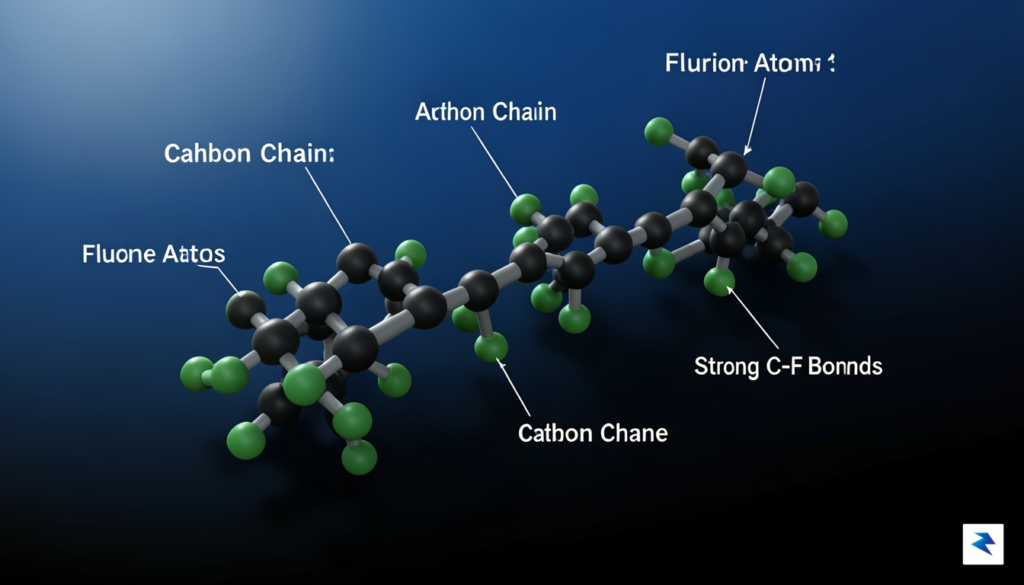
The consequences of this persistence are becoming increasingly clear through decades of rigorous medical research. Once these chemicals enter the bloodstream, they do not easily exit; instead, they have been linked to a broad spectrum of severe health disorders. Scientific consensus, supported by extensive epidemiological studies, has identified strong associations between chronic PFAS exposure and an increased risk of specific cancers, including kidney and testicular cancer. Furthermore, researchers have documented significant interference with the human endocrine system, which can result in thyroid disease, elevated cholesterol levels, and suppressed immune responses, particularly in children who may show diminished vaccine efficacy after exposure.
The primary danger of PFAS lies in their bioaccumulative nature; because the human body cannot efficiently process or excrete these synthetic compounds, even trace amounts consumed over long periods can reach concentrations that trigger adverse physiological changes.
Current scientific focus has shifted heavily toward the ubiquity of human exposure, particularly through municipal drinking water systems. Because these substances are highly mobile in water, they have migrated from industrial manufacturing sites into the aquifers that serve millions of households. Regulatory bodies and environmental scientists now emphasize that there is no “safe” level for many of these substances, as even parts-per-trillion concentrations can be significant over a lifetime of ingestion. This reality has forced a fundamental rethink of water filtration standards, as traditional treatment methods are often insufficient to capture these microscopic, highly stable molecules, leaving public health experts to advocate for more aggressive intervention and rigorous testing protocols across the country.

The recent settlement marks a decisive turning point in how the United States approaches the management of “forever chemicals.” For decades, the regulatory environment surrounding per- and polyfluoroalkyl substances (PFAS) was characterized by ambiguity and voluntary industry compliance, but we are now entering an era of strict federal oversight. With the Environmental Protection Agency (EPA) moving toward enforceable drinking water standards, municipalities and water districts are bracing for a massive overhaul of filtration infrastructure. This transition implies that the cost of environmental safety will no longer be borne solely by taxpayers; instead, the legal burden is shifting back to the manufacturers, establishing a precedent where corporate accountability is directly tied to the historical environmental footprint of chemical production.
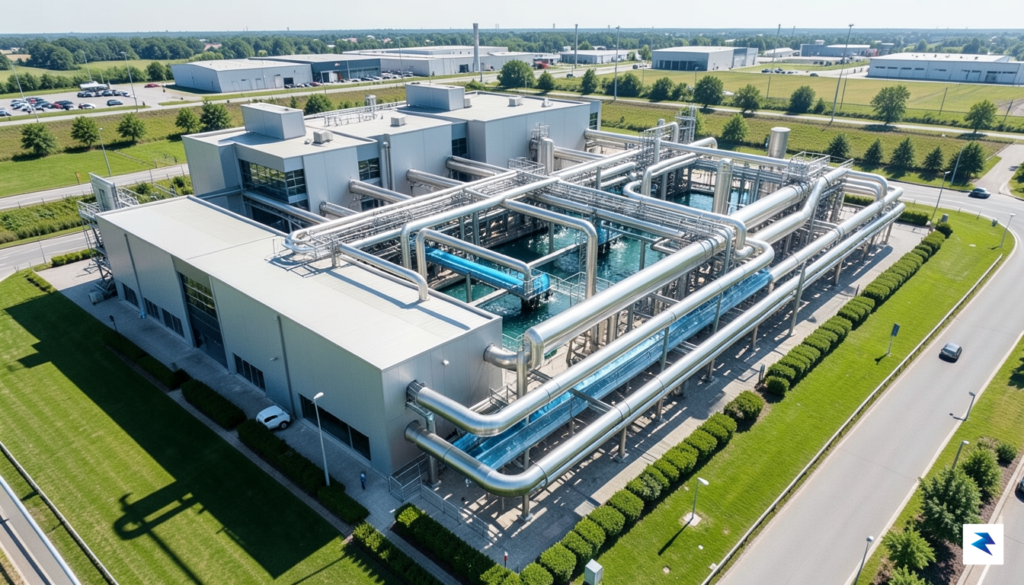
Beyond federal mandates, the legal landscape is likely to become increasingly precarious for chemical corporations. The $450 million payout serves as a bellwether for future litigation, signaling to plaintiffs that class-action lawsuits are a viable mechanism for securing remediation funds. As legal discovery processes uncover more internal data regarding corporate knowledge of PFAS toxicity, we can expect a surge in private litigation. This pressure is not merely legal; it is deeply cultural. Public awareness has reached a critical threshold, prompting widespread demand for transparency and a fundamental shift toward green chemistry. Manufacturers who fail to prioritize non-toxic alternatives are finding that they are not only losing public trust but are also becoming high-risk assets for investors who are increasingly wary of long-term environmental liabilities.
The shift toward corporate accountability is no longer a matter of public relations; it has become a central pillar of environmental risk management and long-term financial viability for chemical manufacturers.
The path forward for contaminated sites remains complex, requiring years—if not decades—of remediation efforts. As we look to the coming years, three core areas will define the success of these efforts:
Ultimately, the era of “forever chemicals” is facing a reckoning. The trajectory of modern environmental policy suggests that the days of unchecked chemical discharge are effectively over. By forcing companies to internalize the costs of pollution, the regulatory framework is finally aligning economic incentives with the necessity of protecting human health. While the cleanup process will be arduous and expensive, the solidification of these legal and regulatory standards is a vital step toward restoring the integrity of our nation’s water systems.
You must be logged in to post a comment.