Samsara’s New Invisible Tracking Label Aims to Outsmart Cargo Thieves
The Growing Crisis of Global Cargo Theft Cargo theft has evolved from a series of isolated incidents into a sprawling, multi-billion-dollar…
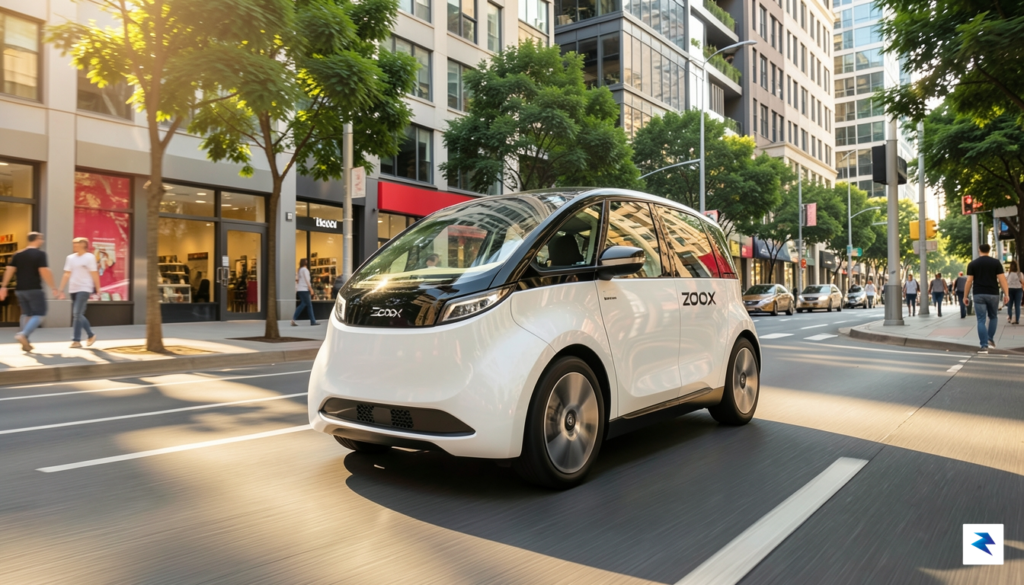
For years, the autonomous vehicle industry relied heavily on retrofitting existing consumer sedans and SUVs with stacks of external sensors, cameras, and computing hardware. While these modified vehicles were sufficient for early-stage testing and data collection, they were never designed to be truly driverless. Zoox is decisively shifting that paradigm by refining its purpose-built robotaxi, moving away from the limitations of legacy automotive architecture toward a polished, commercial reality. This latest iteration represents more than just a software update; it is a fundamental maturation of hardware designed specifically for the rigors of high-density urban transit.
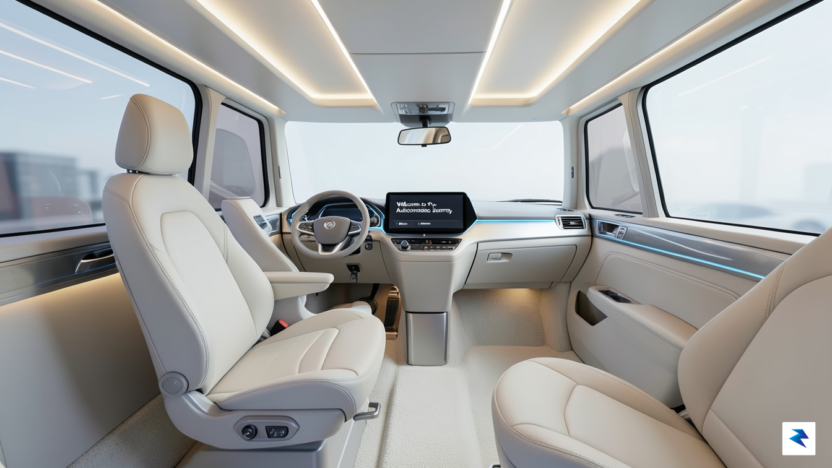
The core of this evolution lies in the company’s unique “carriage” design philosophy. By stripping away the steering wheel, traditional dashboard, and driver-focused controls, Zoox has created an interior space that prioritizes passenger comfort and social interaction. Instead of sitting in rows, passengers face each other in a symmetrical, lounge-like environment. This architectural choice serves a dual purpose: it maximizes the utility of the vehicle’s footprint while signaling a clear departure from the car-ownership model. By treating the vehicle as a shared service rather than a private machine, Zoox is betting on a future where the passenger experience is defined by seamless utility rather than the act of driving.
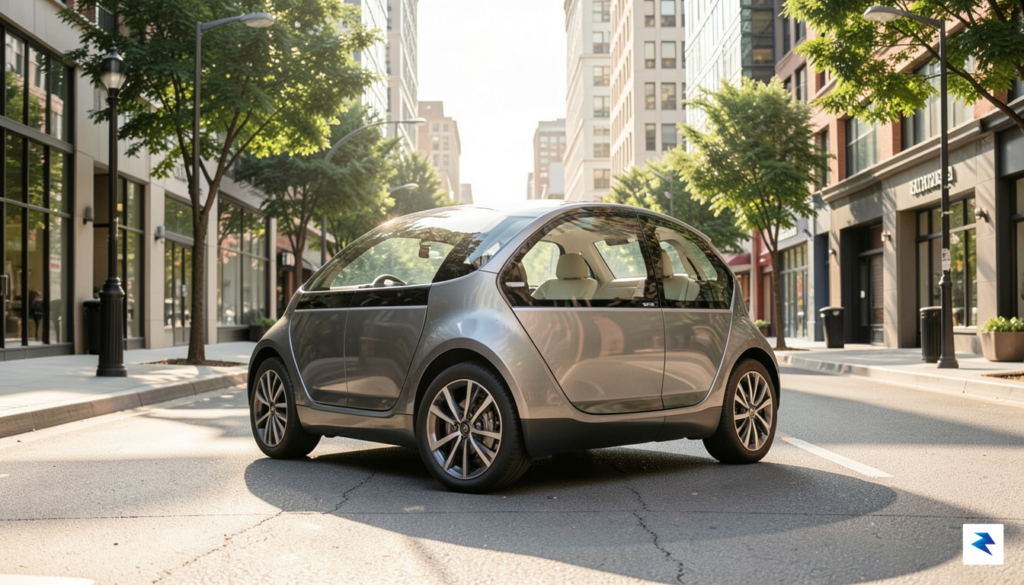
This design-first approach is critical for long-term scalability. When an autonomous fleet is built from the ground up, the manufacturing process can be optimized for durability, maintenance, and the specific needs of a robotaxi service. Unlike retrofitted cars that suffer from component wear-and-tear not intended for continuous, multi-shift operation, purpose-built vehicles allow for modular repairs and consistent performance across the entire fleet. By iterating on this hardware now, Zoox is effectively stress-testing its platform for the complexities of broad commercial deployment, ensuring that every sensor placement and safety feature is integrated into the chassis rather than bolted on as an afterthought.
The transition from experimental prototype to production-ready hardware marks the most significant milestone in the journey toward reliable, autonomous mobility.
Ultimately, these refinements reflect a strategic pivot from “can we do this?” to “how do we scale this sustainably?” By focusing on the nuances of commercial readiness—such as passenger ingress and egress, cabin climate control, and advanced sensor integration—Zoox is positioning itself to handle the logistical demands of a real-world transport network. This evolution suggests that the future of autonomous travel will not be found in the cars we drive today, but in specialized, purpose-built environments designed exclusively for those who are ready to let the machine take the wheel.
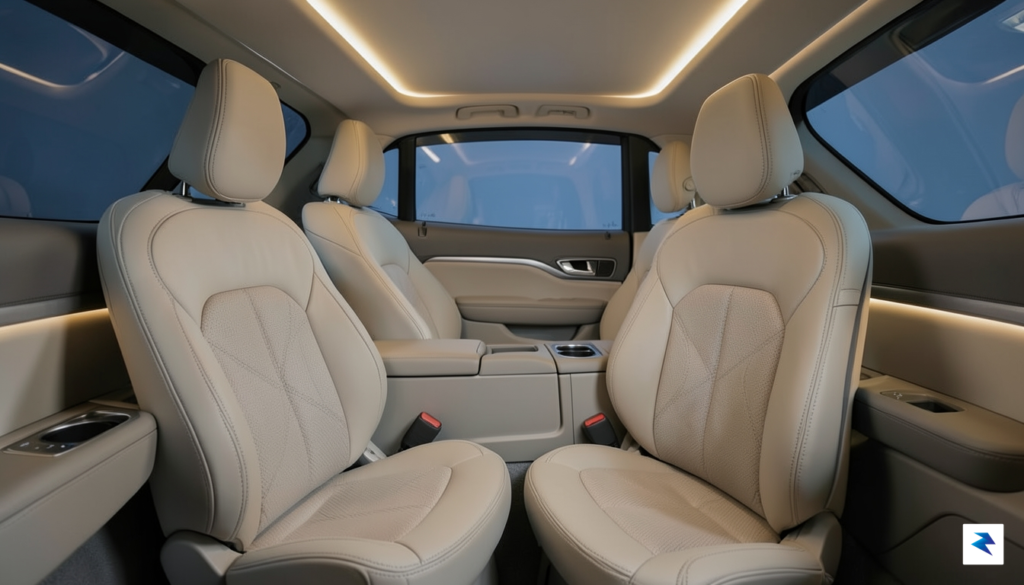
A robotaxi is ultimately defined by the quality of the journey it provides, transforming the commute from a utilitarian necessity into a moment of genuine respite. Zoox has recognized that for autonomous transportation to gain widespread public trust, the interior environment must move beyond the sterile, functional aesthetics of traditional fleet vehicles. By prioritizing advanced ergonomics and tactile comfort, the company is effectively shifting the narrative from “being transported” to “being hosted.” The latest refinements to the vehicle’s cabin utilize superior cushioning technology that adapts to the passenger’s posture, ensuring that even urban commutes characterized by stop-and-go traffic feel fluid and supportive rather than jarring.
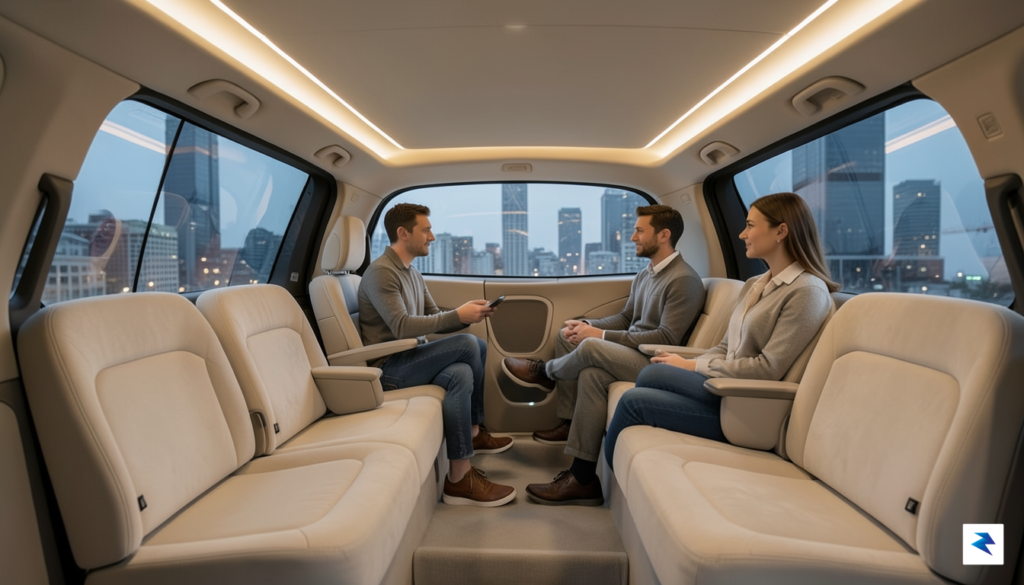
The intentional shift toward lighter color palettes and high-quality, sustainable materials plays a crucial role in shaping the psychological experience of the rider. Traditional rideshare vehicles are often plagued by dark, cramped interiors that can induce feelings of claustrophobia or unease, particularly in dense city environments. In contrast, the Zoox cabin employs a brightness strategy that opens up the space, making the interior feel significantly more expansive and inviting. When paired with carefully selected, durable textiles that feel premium to the touch, these aesthetic choices work in tandem to lower cortisol levels and foster a sense of tranquility. This lounge-like atmosphere is designed to reduce the anxiety typically associated with relinquishing control to an autonomous system, effectively replacing stress with a sense of calm reliability.
The integration of thoughtful interior design is not merely an aesthetic luxury; it is a fundamental competitive differentiator that transforms the autonomous vehicle into a personal sanctuary on wheels.
Beyond simple comfort, the ergonomic layout serves a strategic purpose in the broader autonomous ecosystem. By removing the driver’s seat and steering column, Zoox has reclaimed significant real estate, allowing for a symmetrical, face-to-face seating configuration that encourages social interaction or individual productivity. This layout is a departure from the traditional front-to-back seating arrangement, which often feels hierarchical and isolating. By placing the passenger experience at the center of the engineering process, Zoox ensures that their fleet is not just a tool for point-to-point transit, but a high-value service that can compete with private vehicle ownership. As the autonomous industry matures, companies that successfully blend sophisticated interior design with seamless mechanical performance will likely capture the highest levels of customer loyalty and trust.
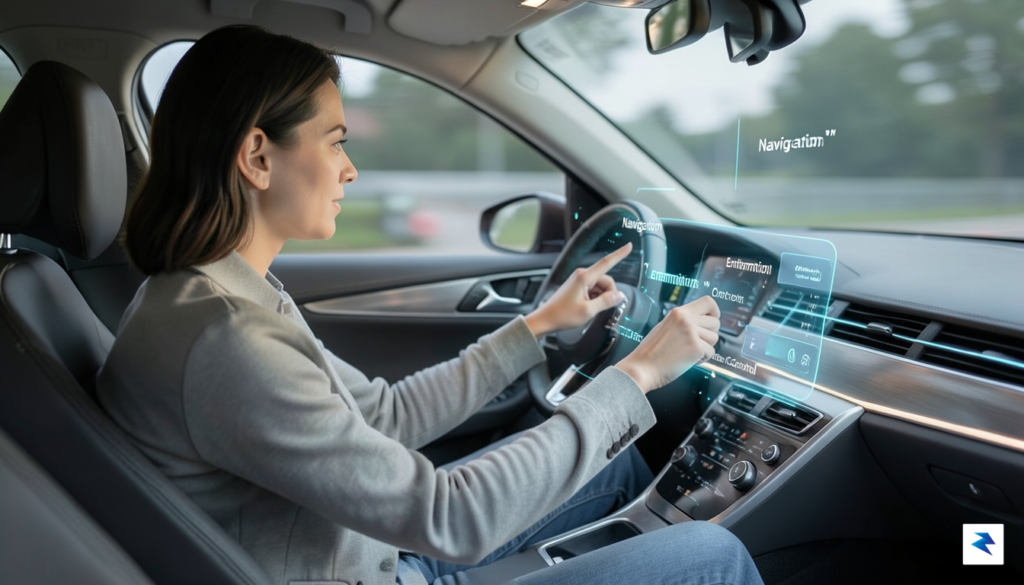
The journey towards fully autonomous vehicles isn’t solely about sophisticated navigation or robust sensor arrays; it’s profoundly about human interaction, or rather, the lack thereof. For passengers to truly embrace robotaxis, a seamless and reassuring communication channel is paramount. Zoox, recognizing this critical need, has significantly upgraded its robotaxi’s communication infrastructure, aiming to bridge the potential human-machine gap with advanced audio systems designed to enhance both safety and passenger trust.
At the heart of these enhancements are meticulously engineered microphone and speaker systems, delivering a substantial leap in audio fidelity. These aren’t just off-the-shelf components; they are custom-integrated solutions designed to perform optimally within the unique acoustic environment of a moving vehicle. Improved noise cancellation technology actively filters out road noise, wind buffeting, and the hum of the vehicle’s internal systems, ensuring that conversations remain crystal clear. This focus on audio precision means that both the passenger’s voice is accurately captured and the responses from the vehicle or remote support are delivered with exceptional clarity, even amidst the typical urban clamor.
This hardware sophistication directly empowers the crucial role of Zoox Support, offering remote vehicle assistance that feels genuinely present and helpful. Should a passenger have a question, need assistance with a destination change, or encounter an unexpected situation, they can now communicate directly and effortlessly with a human operator. The enhanced audio quality ensures that Zoox Support agents can clearly understand passenger queries, anxieties, or instructions, and conversely, passengers can easily comprehend the guidance or reassurance provided. This direct line to human support is a vital safety net, mitigating potential feelings of isolation or helplessness in an autonomous environment.
The ability to engage in clear, direct two-way communication profoundly enhances passenger safety. In scenarios ranging from a sudden stop to an unexpected detour, or even a medical emergency, being able to speak immediately and intelligibly with a support agent can make all the difference. Passengers can articulate their concerns or needs in real-time, allowing Zoox Support to assess the situation accurately and dispatch appropriate assistance or provide necessary instructions. This immediate, human-centric feedback loop is a fundamental layer of safety, ensuring that even when the vehicle operates autonomously, human oversight and support are always just a clear conversation away.
Beyond immediate safety, these communication upgrades are instrumental in building and solidifying passenger trust. For many, riding in an autonomous vehicle is a novel experience, potentially accompanied by a degree of apprehension. Knowing that a robust, clear, and reliable communication system is in place, connecting them instantly to human assistance, significantly alleviates this anxiety. It fosters a sense of security and control, transforming the robotaxi from an impersonal machine into a trusted, supported mode of transport. This psychological comfort is crucial for wider adoption, as trust is arguably the most valuable currency in the future of mobility.
Achieving such pristine audio in a dynamic, moving environment presents considerable technical challenges. Road noise, tire hum, air conditioning, and even the vehicle’s own operational sounds create a complex soundscape that can easily obscure human speech. Zoox has tackled this through a combination of advanced digital signal processing (DSP), strategic microphone placement, and intelligent speaker design. Directional microphones are employed to focus on passenger voices while rejecting ambient noise, and algorithms are used to enhance speech clarity and minimize echoes. These technical innovations ensure that the promise of seamless human-machine communication is not just theoretical but a tangible reality, delivering a consistently high-quality audio experience for every passenger.
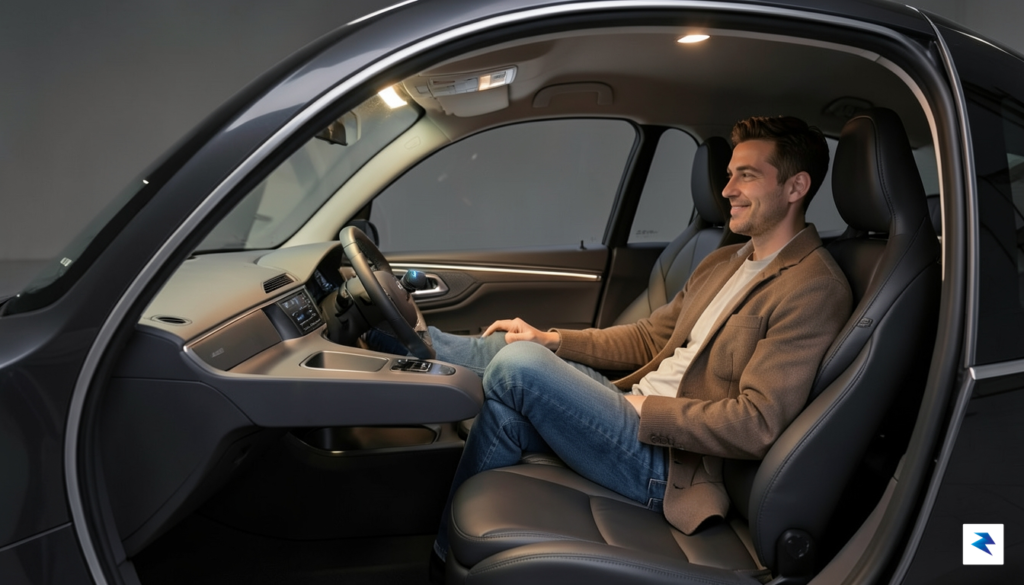
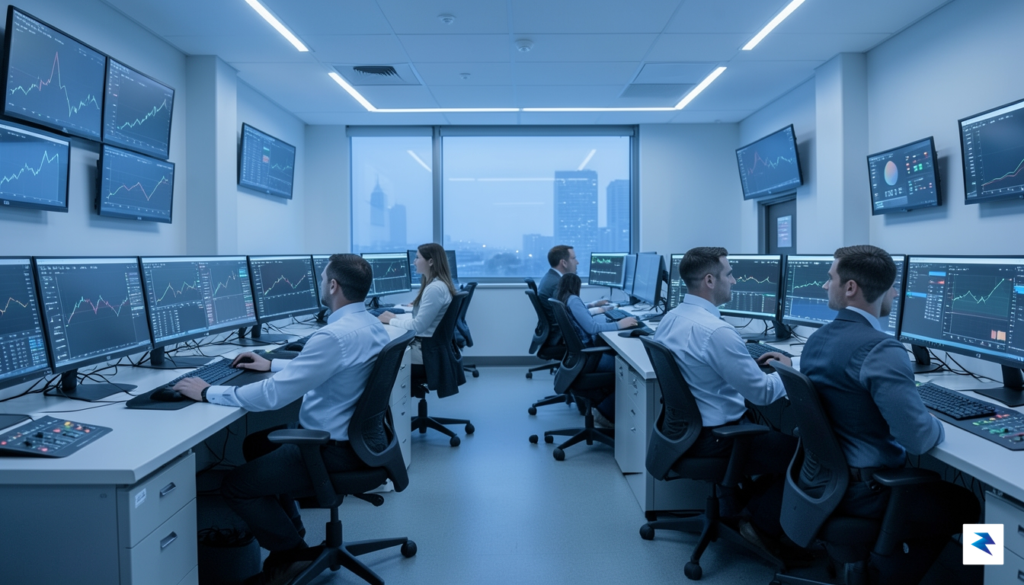
Transitioning from a prototype-heavy testing phase to a reliable, commercial-grade robotaxi service requires more than just high-fidelity hardware; it demands an unprecedented level of operational rigor. Zoox is currently navigating a complex gauntlet of regulatory approvals that mandate rigorous validation of their vehicle’s safety performance across diverse environments. To move beyond restricted pilot programs, the company must demonstrate that their autonomous system can consistently handle edge cases—such as unpredictable weather, complex urban intersections, and erratic human driving behaviors—with a safety threshold that significantly exceeds that of a human operator. This process involves thousands of hours of simulation, closed-course testing, and incremental public road trials that serve as the bedrock for obtaining the necessary permits to operate at scale.
A critical component of this operational readiness is the sophisticated integration of remote assistance systems. While the vehicles are designed for full autonomy, Zoox has prioritized a human-in-the-loop architecture that allows remote specialists to provide guidance if the vehicle encounters an ambiguous scenario. This layer of oversight is not merely a safety net; it is a vital operational tool that ensures fleet fluidity. By leveraging these remote interventions, Zoox can keep vehicles moving in complex environments where a computer might otherwise stall or enter a safe-stop mode, thereby maintaining the efficiency necessary to sustain a viable, high-frequency ride-hailing service.
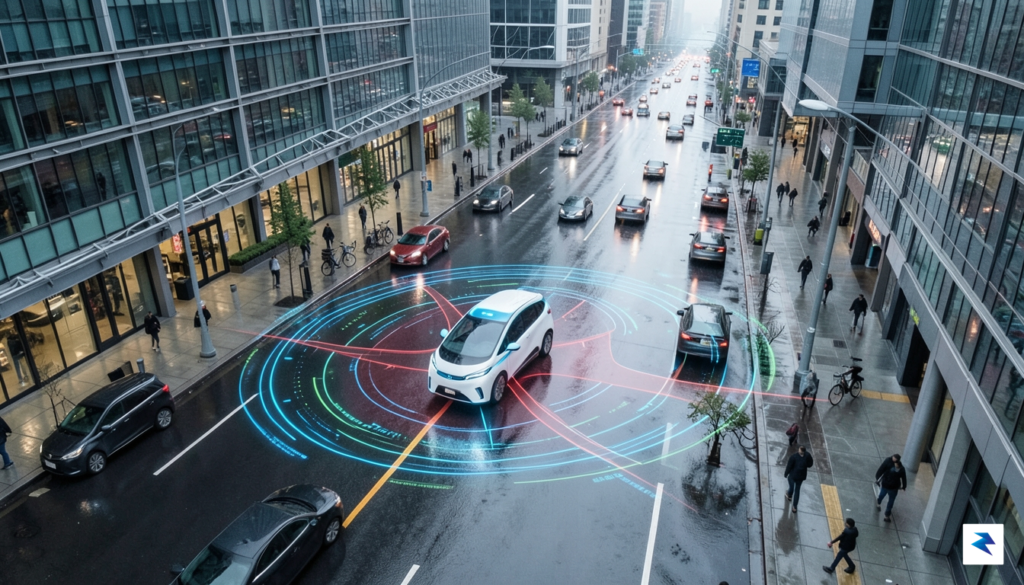
Beyond software and oversight, the physical durability of the hardware plays a decisive role in the long-term economics of an autonomous fleet. Every component, from the lidar sensors to the customized electric drivetrain, must be engineered to withstand the grueling demands of a 24/7 service model. High hardware durability directly translates into reduced maintenance cycles and lowered operational costs, which are essential for achieving price parity with human-driven rideshares. As Zoox scales, the ability to minimize downtime due to repairs will determine whether they can maintain a profitable margin while keeping their fleet accessible to the general public.
Success in the robotaxi market is defined not just by the technology itself, but by the ability to cultivate public trust through transparent safety benchmarks and consistent, reliable operations.
Ultimately, the regulatory landscape remains the final frontier for widespread adoption. Zoox is working closely with national and local authorities to establish clear standards for autonomous vehicle deployment, moving away from ad-hoc permits toward standardized commercial licensing. This regulatory evolution is essential for providing the stability needed for large-scale investment and infrastructure expansion. By aligning their technical milestones with the evolving expectations of traffic safety regulators, Zoox is positioning itself to shift from a high-tech experimental project into a fundamental pillar of the future urban transportation network.
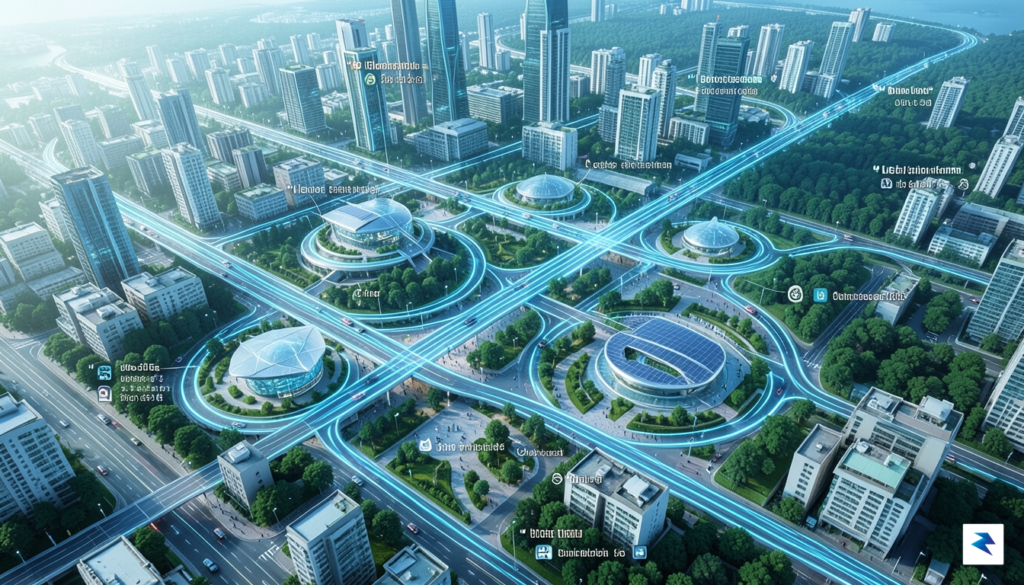
As autonomous fleets like Zoox’s refined robotaxis prepare for commercial service, they herald a profound transformation in how we envision urban mobility. No longer confined to science fiction, these self-driving vehicles are poised to become an integral component of the urban fabric, particularly in solving the perennial ‘last-mile’ challenge. Imagine seamlessly disembarking from a train or bus and having a comfortable, private robotaxi arrive within minutes to take you directly to your doorstep, even if you live in an area less serviced by traditional public transport routes. This capability significantly enhances the appeal and practicality of existing mass transit systems, extending their reach into previously underserved neighborhoods and making public transport a viable, door-to-door option for a much broader segment of the population, thereby closing critical connectivity gaps.
The potential impact on urban infrastructure is equally transformative. Widespread adoption of robotaxis could dramatically reduce the number of privately owned vehicles cluttering our streets and choking our cities with congestion. Instead of countless cars sitting idle in driveways or occupying valuable street parking, a shared fleet of autonomous vehicles would operate far more efficiently, constantly moving and serving multiple passengers throughout the day. This shift frees up immense tracts of urban real estate currently dedicated to parking – imagine those spaces being repurposed into vibrant parks, community centers, pedestrian-friendly zones, or even much-needed affordable housing. Such a reimagining of urban space could fundamentally reshape cityscapes, fostering greener, more livable environments.
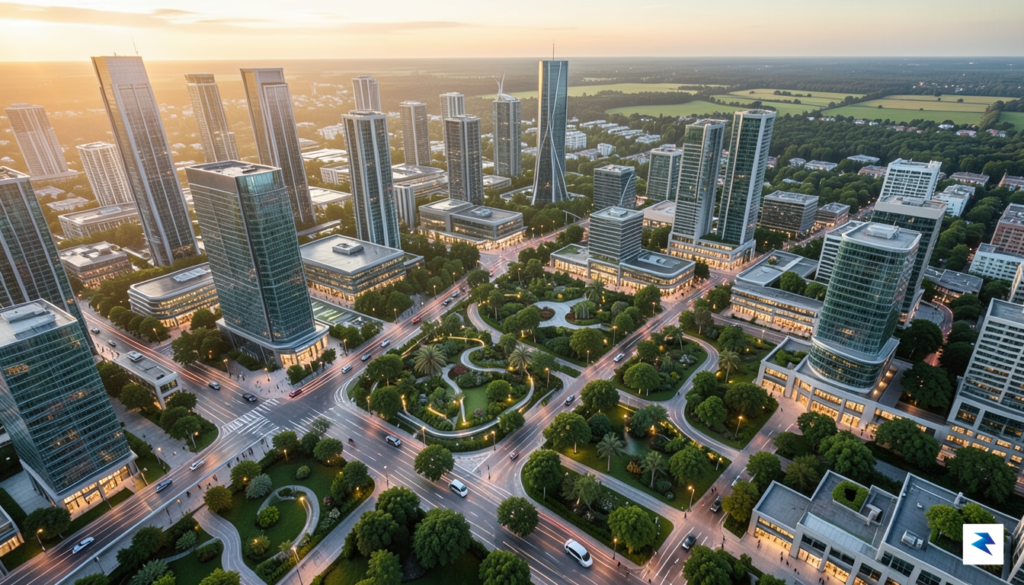
Furthermore, the advent of reliable, on-demand robotaxi services could accelerate a significant cultural and economic shift away from private vehicle ownership. For many urban dwellers, the financial burden of owning a car – including purchase costs, insurance, maintenance, and fuel – is substantial. With a robust, accessible, and potentially more cost-effective service-based mobility option, the rationale for personal car ownership diminishes. This transition empowers individuals to reallocate their financial resources, reduces their environmental footprint, and simplifies daily commutes by removing the stresses of driving, parking, and vehicle upkeep. It signifies a move towards a ‘transportation-as-a-service’ model, where access rather than ownership becomes the primary determinant of mobility.
While the vision of cities teeming with autonomous fleets is compelling, the transition will undoubtedly be a gradual process, not an overnight revolution. Several significant hurdles remain before widespread adoption becomes a reality. Regulatory frameworks need to evolve to accommodate this new mode of transport safely and efficiently across diverse jurisdictions. Public trust and acceptance are paramount, requiring proven safety records and transparent operations. Moreover, the sheer scale of infrastructure adaptation, from smart city integration to robust charging networks for electric robotaxis, demands considerable investment and coordinated planning. Therefore, we can anticipate a phased rollout, likely beginning in controlled urban environments and expanding incrementally as technology matures, public confidence grows, and necessary infrastructure is established.
You must be logged in to post a comment.