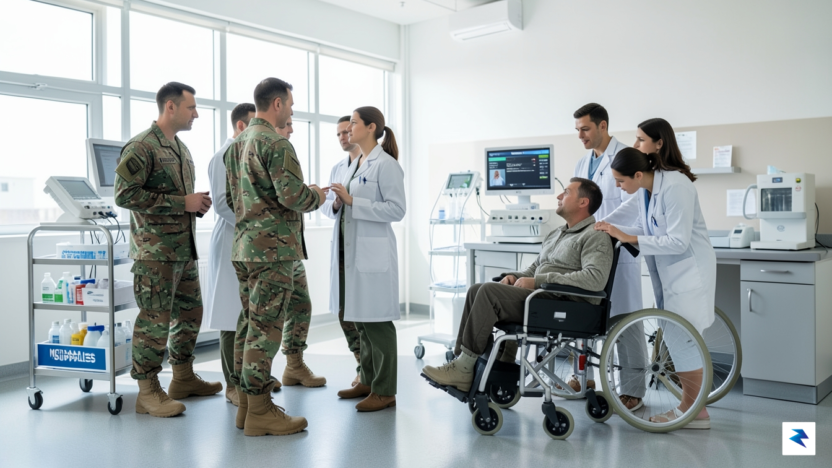
The Strategic Necessity of Vaccine Mandates in Military Readiness
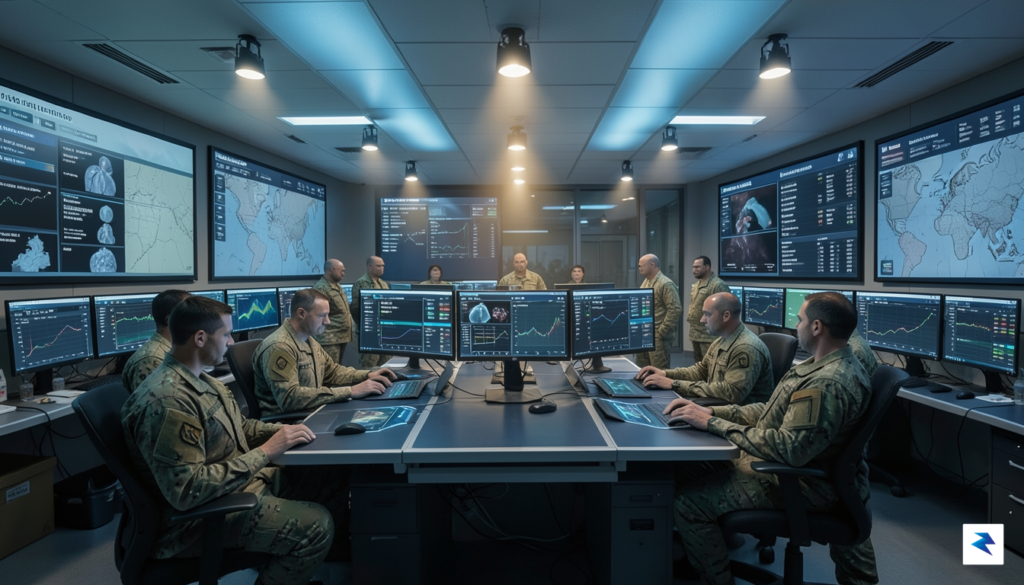
The history of the United States military is inextricably linked to the proactive management of infectious diseases. Since the Revolutionary War, where smallpox posed a greater threat to the Continental Army than British artillery, leaders have recognized that force health protection is not merely a medical concern—it is a foundational element of national defense. By the 20th century, mandatory immunization programs became a standard operating procedure, evolving alongside advancements in medical science to ensure that troops remained resilient in diverse, often austere, global environments. Today, these policies are viewed through the lens of institutional survivability, acknowledging that a healthy force is the baseline requirement for projecting power across the globe.
In the context of modern combat operations, the term “readiness” has transcended basic physical fitness and tactical proficiency; it now encompasses the biological integrity of the unit. A military organization is only as strong as its ability to deploy, sustain, and execute complex missions at a moment’s notice. When a significant portion of a battalion or squadron is sidelined by a preventable illness like influenza, the resulting “readiness gap” can become a strategic vulnerability. Adversaries do not adhere to a schedule that accounts for domestic viral outbreaks, meaning that a sudden spike in sick call rates can jeopardize the fluid execution of joint task force objectives or the maintenance of critical surveillance and deterrence operations.
The core of military readiness lies in the ability to project force without interruption; an unprotected unit is a compromised asset that cannot fulfill its mandate to defend the nation’s interests.
The risk posed by a viral outbreak within a military base is rarely contained to a few isolated cases, as the close-quarters nature of barracks, shared dining facilities, and confined workspaces creates a high-transmission environment. A single index case can trigger a cascading failure in deployment schedules, forcing commanders to reallocate personnel, delay training exercises, or postpone critical logistics movements. Furthermore, the loss of unit cohesion is a significant, if often overlooked, consequence. When key personnel are absent, the remaining service members must absorb the workload, leading to fatigue and diminished morale. This domino effect demonstrates that vaccination is not a matter of individual preference, but a vital logistical safeguard designed to maintain the operational continuity of the entire force.
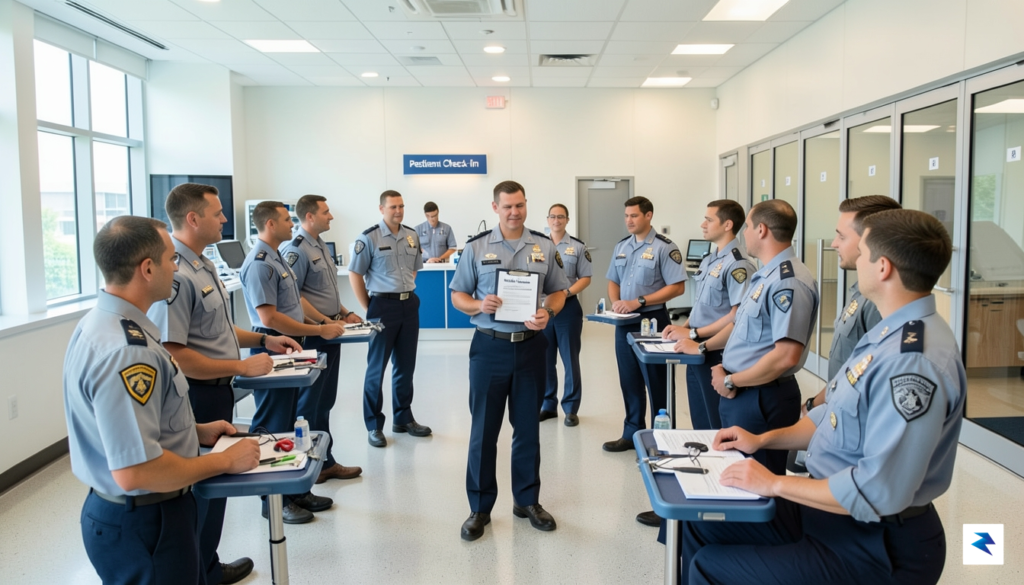
Ultimately, the restoration of mandatory vaccination requirements reflects a hard-learned lesson in risk management. By mitigating the spread of seasonal viruses, the military branches effectively insulate their human capital from predictable disruptions. This proactive posture ensures that when a crisis arises, the force is not fighting a two-front war against both an external adversary and an internal health epidemic. By prioritizing the biological security of every service member, the military reinforces its ability to remain agile, responsive, and ready to meet the evolving demands of global security.
Anatomy of an Outbreak: Lessons from the Recent Base Contagion
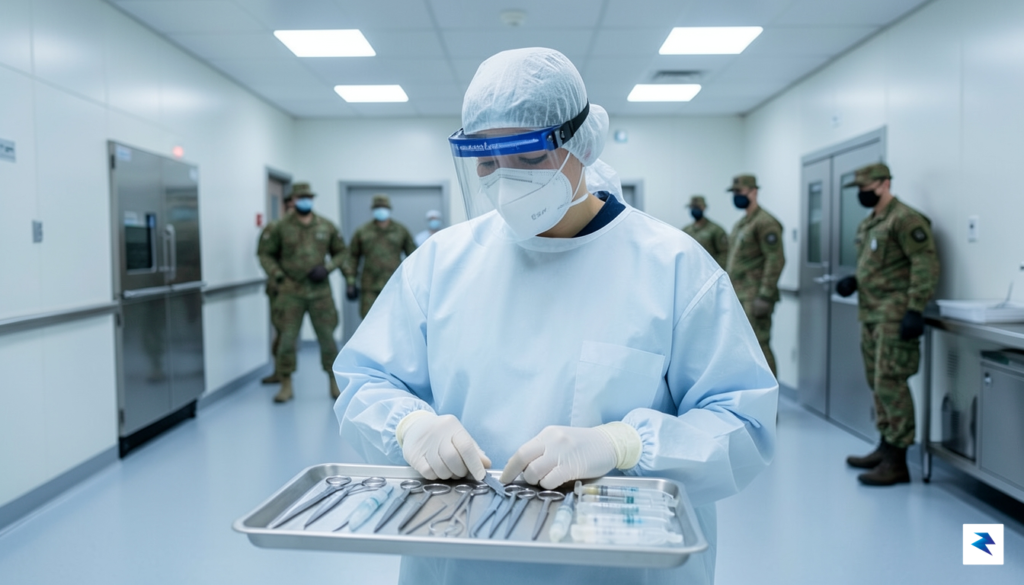
The recent influenza outbreak that swept through a key military installation serves as a compelling case study in viral transmission and its profound impact on operational readiness. What began as a handful of isolated cases quickly escalated into a full-blown crisis, demonstrating the insidious speed at which respiratory viruses can propagate through densely populated environments. Within a mere week of the initial reported symptoms, the base’s medical facilities were overwhelmed, as hundreds of service members presented with severe flu-like illness, marking a critical turning point for the installation’s health and operational capacity.
The rapid infection rate was, in large part, a direct consequence of the close-quarters living conditions inherent to military life. Barracks, designed for efficient housing and unit cohesion, inadvertently became ideal incubators for the virus. Shared sleeping quarters, communal dining facilities, and constant interaction during training exercises and daily duties provided ample opportunities for aerosolized particles and surface contamination to spread the influenza strain among personnel. The close proximity meant that once the virus gained a foothold, it moved through platoons and companies with alarming efficiency, incapacitating entire sections of critical personnel almost simultaneously.
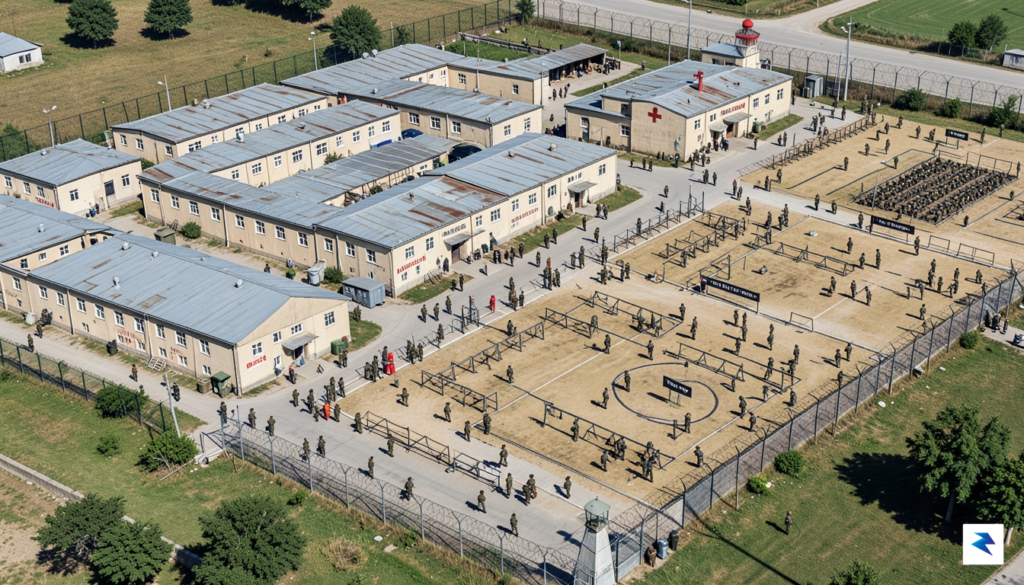
This sudden and widespread illness created an unprecedented operational vacuum. Essential training exercises, often years in the making and critical for mission readiness, had to be postponed or canceled outright due to a severe shortage of healthy participants and instructors. Guard rotations were stretched thin, maintenance schedules for vital equipment fell behind, and administrative functions slowed to a crawl. The base’s capacity for sustained operations was significantly compromised, underscoring the stark reality that even the most robust military infrastructure is only as strong as the health of its personnel. The economic cost of this downtime, alongside the invaluable loss of training hours, became a sobering metric in the outbreak’s aftermath.
The severe strain placed on base medical resources, coupled with the dramatic operational fallout, forced an urgent re-evaluation of existing health policies. While vaccination had been strongly encouraged, the absence of a mandatory flu shot requirement for all personnel left a critical vulnerability that the virus exploited with devastating efficiency. The undeniable link between the widespread illness, the subsequent paralysis of key operations, and the prior voluntary vaccination policy became impossible to ignore. This specific event thus acted as a powerful catalyst, compelling military leadership to reinstate mandatory immunization protocols to safeguard both individual health and, crucially, the collective readiness of the armed forces against future infectious threats.
Public Health Strategy vs. Individual Readiness

The tension between personal autonomy and the collective obligations of military service is a defining characteristic of life in the Armed Forces. In civilian life, medical decisions are largely viewed through the lens of individual preference and private consultation; however, the military operates under a fundamentally different paradigm where the health of the unit is synonymous with the security of the mission. When a single preventable illness compromises the operational capacity of a squadron or a ship’s crew, the decision to mandate vaccination moves from a matter of personal choice to a critical component of national defense readiness. Consequently, the military maintains a higher threshold for risk mitigation, acknowledging that the unique, high-density environments of barracks, transport vessels, and forward-deployed units create an epidemiological pressure cooker where viruses can spread with unprecedented speed.
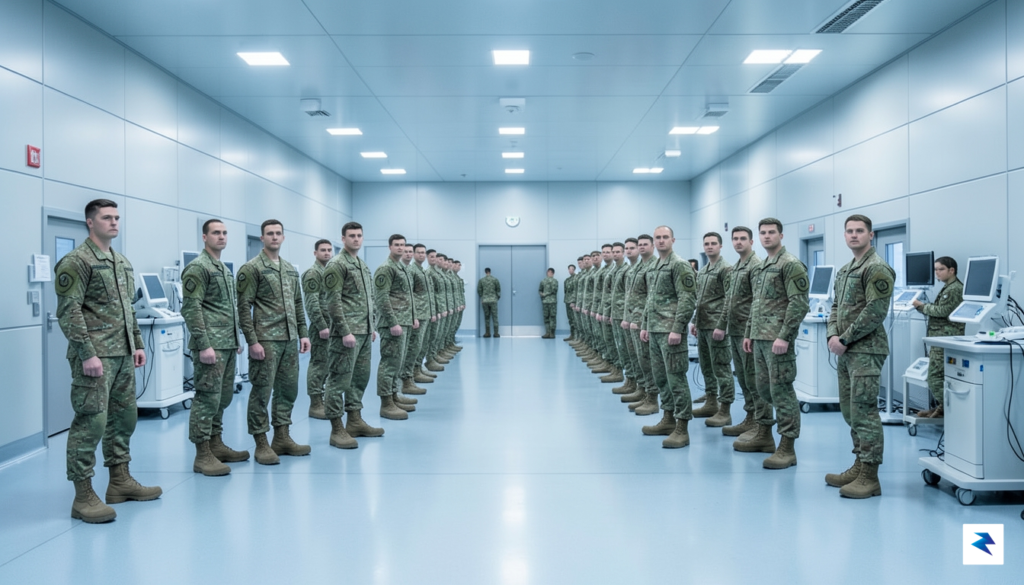
Achieving herd immunity within these confined settings is not merely a public health goal; it is a tactical necessity. Unlike the general public, service members cannot simply opt for social distancing when their duties require them to operate in close quarters, share common dining facilities, or participate in collective training exercises. By requiring the flu shot, the Department of Defense effectively creates an immune barrier that blunts the transmission rate of seasonal influenza, ensuring that the force remains combat-ready throughout the winter months. This standardized approach minimizes the risk that a widespread outbreak will sideline a critical number of personnel simultaneously, which could otherwise jeopardize the mission or strain the limited medical resources available in remote or austere environments.
The military’s mandate is less about stripping individuals of choice and more about ensuring that the force acts as a singular, resilient entity capable of executing its duties without the interference of avoidable health crises.
Critics of such mandates often point to fluctuating vaccine efficacy as a reason to favor individual discretion. While it is true that the effectiveness of the seasonal flu vaccine can vary based on how closely the vaccine strains match the circulating virus, military medical planners view this through a lens of risk management rather than absolute prevention. Even when a vaccine provides partial protection, it generally reduces the severity of illness and the duration of symptoms, which is a decisive factor in maintaining operational tempo. In a high-stakes military context, the difference between a soldier being bedridden for a week and one who experiences only mild discomfort is the difference between a successful mission and a catastrophic failure. By prioritizing collective immunity, the military secures a necessary buffer against the unpredictability of viral evolution, reinforcing the reality that in the Armed Forces, individual health is the bedrock of institutional strength.
Navigating Policy Shifts: The Legal and Operational Framework

Military health policy is far from a static set of rules; instead, it functions as a living framework that constantly recalibrates based on evolving medical intelligence and global threat assessments. When infectious diseases emerge or surge, the Department of Defense relies on a sophisticated feedback loop where public health data directly informs operational readiness requirements. This adaptive capacity ensures that the military can pivot rapidly, shifting from voluntary measures to mandatory protocols when evidence suggests that current force protection levels are no longer sufficient to maintain the integrity of a unit. By treating communicable viruses as a logistical threat rather than just a personal health concern, the military maintains a high state of readiness that allows for rapid deployment in any environment.
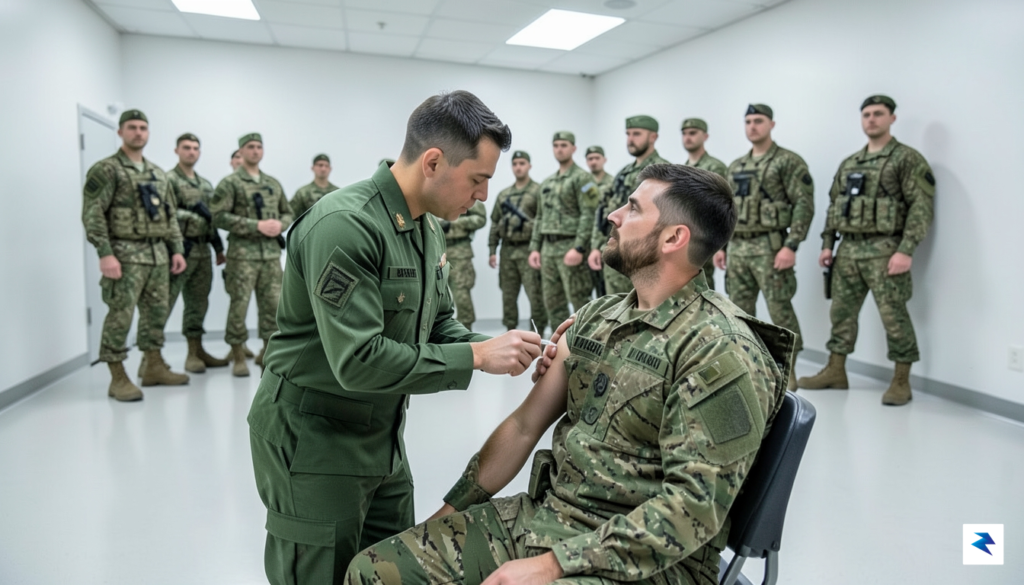
The implementation of these policies is deeply rooted in the concept of command authority, which grants leadership the mandate to enforce standards necessary for the preservation of the force. Under established legal precedents, such as the Supreme Court’s long-standing recognition of the unique nature of military service, the armed forces possess the legal standing to require vaccinations to ensure that personnel remain deployable and capable of performing their duties. This authority is not exercised arbitrarily; rather, it is balanced against the mission requirements of specific units and the overall health landscape of the base. Because a widespread outbreak can quickly cripple a mission, command teams are empowered to treat vaccination compliance as a foundational element of professional conduct and operational discipline.
“The readiness of the individual soldier, sailor, airman, or marine is the baseline for the readiness of the entire force. When health standards are compromised, the mission is inherently at risk.”
Legal frameworks further reinforce this approach by emphasizing the military’s responsibility to provide a safe and effective working environment for its members. While individual service members possess specific rights, courts have consistently held that these rights are balanced against the government’s compelling interest in maintaining a ready and capable fighting force. Consequently, when a specific virus threatens to degrade operational capacity, the transition back to a mandatory vaccination policy is not merely a medical decision, but a strategic necessity. By codifying these health mandates, the military ensures that its personnel are not sidelined by preventable illnesses, thereby sustaining the force’s ability to respond to national security challenges without delay or interruption.
The Future of Force Health Protection

As the very nature of warfare continues to evolve, pushing boundaries from conventional battlefields to the complex domains of cyber and information, so too must our strategies for safeguarding the health and readiness of our military personnel. The lessons learned from past epidemics and outbreaks underscore a critical imperative: proactive, technologically advanced health protection is not merely an administrative detail but a fundamental pillar of national defense. Moving forward, the integration of cutting-edge diagnostic tools, sophisticated surveillance systems, and agile immunization strategies will be paramount in ensuring that future viral threats, or indeed any health challenge, do not compromise the operational capabilities of our forces.
A cornerstone of this future will undoubtedly be the widespread adoption of predictive modeling in identifying potential health threats. Leveraging big data analytics, artificial intelligence, and machine learning, military health experts can analyze vast datasets, including global health trends, environmental conditions, travel patterns, and even localized symptom reporting. This advanced analytical capability allows for the identification of emerging pathogens and potential outbreak hotspots long before they manifest into widespread illness. Imagine a system capable of flagging an unusual cluster of symptoms in a remote region, cross-referencing it with climate data and troop movements, and issuing an early warning – not just a few days, but weeks or even months in advance – enabling strategic preparations rather than reactive damage control. This foresight transforms health protection from a reactive measure into a proactive intelligence function, directly informing strategic decisions.
This predictive insight, in turn, fuels more effective and proactive medical planning and logistics. Understanding potential threats ahead of time allows for the strategic pre-positioning of medical supplies, from diagnostic kits and therapeutics to specialized personnel and equipment, in critical areas globally. It enables the optimization of vaccine development and distribution channels, ensuring that the right immunizations reach the right personnel at the precise moment they are needed, minimizing waste and maximizing impact. Furthermore, logistical frameworks can be designed with greater flexibility, allowing for rapid scaling of medical facilities, surge capacity for treatment, and efficient evacuation routes, all tailored to specific predicted threats. This shift towards anticipatory logistics dramatically enhances the resilience and sustained readiness of military units worldwide, minimizing downtime due to illness and maintaining operational tempo even in challenging health environments.

Ultimately, a truly resilient military force, capable of confronting any future health challenge, hinges on the symbiotic relationship between robust policy frameworks, cutting-edge medical technology, and unwavering unit discipline. Policies must be adaptable, evidence-based, and clearly communicated, providing definitive guidance on everything from mandatory vaccination schedules and hygiene protocols to mental health support and return-to-duty criteria. These policies must be agile enough to incorporate new scientific understanding and technological advancements swiftly. Concurrently, continuous investment in medical technology—including rapid point-of-care diagnostics, novel vaccine platforms, advanced telemedicine capabilities, and wearable health monitors—is essential for early detection, effective treatment, and continuous monitoring of troop health. However, even the most sophisticated systems and well-crafted policies are ineffective without the steadfast adherence and collective responsibility of every service member. Unit discipline, encompassing personal hygiene, adherence to health directives, prompt reporting of symptoms, and a collective commitment to protecting one another, forms the bedrock upon which all other protective measures stand. This integrated approach, where strategy, technology, and individual responsibility converge, is the only way to forge a military force truly prepared for the health challenges of tomorrow.