The Silicon Squeeze: Understanding the Global RAM Crisis
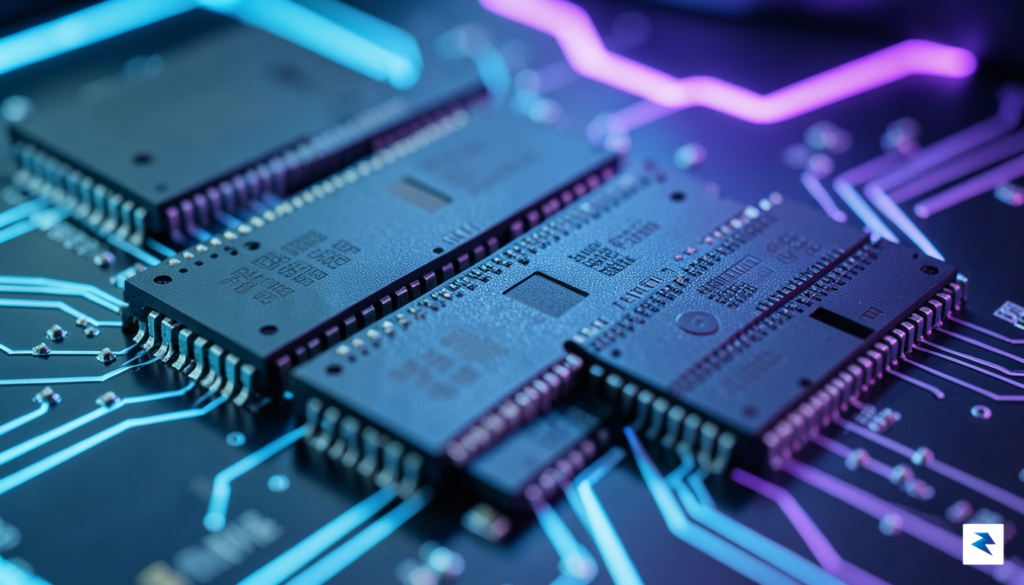
The semiconductor market has undergone a dramatic reversal in fortune, shifting rapidly from the post-pandemic era of bloated inventories to a period of severe supply scarcity. Only a short time ago, manufacturers were struggling to offload surplus DRAM and NAND chips as consumer demand plummeted, leading to a period of artificially low prices. However, the pendulum has swung back with significant force, driven by a fundamental misalignment between manufacturing output and the ravenous appetite of modern technology sectors. This transition has transformed what was once a relatively stable commodity market into a highly volatile landscape where supply constraints are now the new normal, forcing both OEMs and individual consumers to absorb the shock of rising costs.
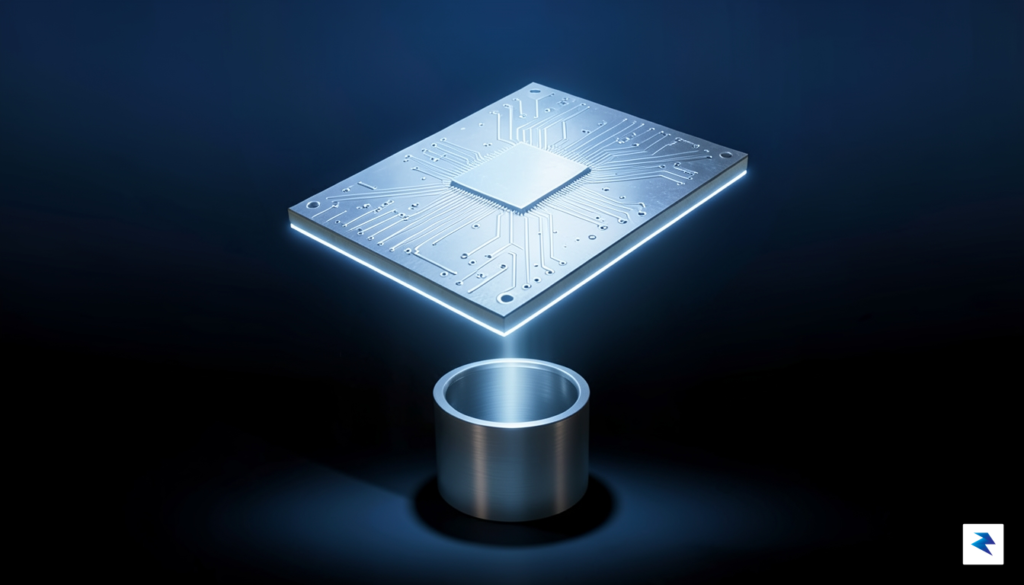
At the heart of this disruption lies the explosive rise of artificial intelligence, which has fundamentally altered the consumption patterns of high-performance memory. AI infrastructure demands massive quantities of High-Bandwidth Memory (HBM), a specialized and complex form of DRAM that is significantly more difficult to manufacture than standard consumer-grade sticks. Because HBM requires more silicon real estate and intricate stacking processes, semiconductor foundries are prioritizing these high-margin orders to satisfy the needs of massive data centers and AI development firms. Consequently, this prioritization creates a literal silicon squeeze; as production lines are reallocated to support the AI revolution, the available capacity for conventional RAM and NAND flash modules has shrunk, inevitably driving up market prices.
The semiconductor industry operates on a razor-thin margin of efficiency, and the massive pivot toward AI-optimized hardware has effectively cannibalized the capacity previously reserved for general-purpose computing components.
Furthermore, the inherent cyclical nature of semiconductor manufacturing complicates any immediate path to price stability. Building a new fabrication plant—or “fab”—is a multi-year, multi-billion-dollar endeavor that requires precise long-term planning and immense capital expenditure. While major players have announced new facilities to ramp up production, these plants are not yet fully operational, and they cannot bridge the current gap overnight. Even as these investments come online, the industry must contend with the fact that memory manufacturing is notoriously difficult to scale without encountering yield issues. Until these new facilities reach full capacity and the market achieves a new equilibrium, consumers should expect to see continued upward pressure on the price of memory-heavy hardware, from high-end workstations to the standard laptops powering our daily workflows.
Why Apple’s Price Hikes Signal a Broader Market Shift

For decades, Apple has operated as the undisputed heavyweight champion of supply chain management. By leveraging its massive purchasing volume and deep vertical integration, the company has historically managed to insulate itself—and its profit margins—from the volatile ebbs and flows of the global component market. When prices for silicon or memory modules spiked for competitors, Apple’s unrivaled negotiating power often allowed them to secure fixed-cost contracts that buffered the impact, keeping consumer pricing relatively stable. However, the recent trend of upward price adjustments on memory and storage upgrades suggests that the industry’s most robust shield has finally begun to crack.
When a corporation with Apple’s level of operational efficiency finds itself unable to absorb rising costs, it serves as a definitive canary in the coal mine for the entire consumer electronics sector. If the behemoth of Cupertino is forced to pass costs onto the consumer, it implies that the fundamental economics of semiconductor manufacturing have shifted into a territory where efficiency gains can no longer offset the raw price of materials. This is not merely a localized trend; it is a clear indicator that the cost of high-density RAM and high-speed storage—the lifeblood of modern computing—has hit a structural floor that is significantly higher than it was just a few years ago.
The decision to raise prices is rarely made lightly by a company that relies on mass-market penetration; it is a calculated acknowledgment that the “cheap memory” era has officially reached its expiration date.
This shift ripple-effects throughout the entire ecosystem, forcing smaller manufacturers who lack Apple’s bargaining leverage to navigate an even more precarious landscape. As supply chain costs for essential components like DRAM and NAND flash continue to climb, we are seeing a broader market convergence where premium pricing is becoming the baseline rather than the exception. For the average consumer, this means the days of seeing incremental memory upgrades remain stagnant in price are likely over. We are moving toward a reality where manufacturers are forced to prioritize profitability over aggressive market share, effectively ending the period of artificially suppressed hardware costs that defined the last decade of personal computing.
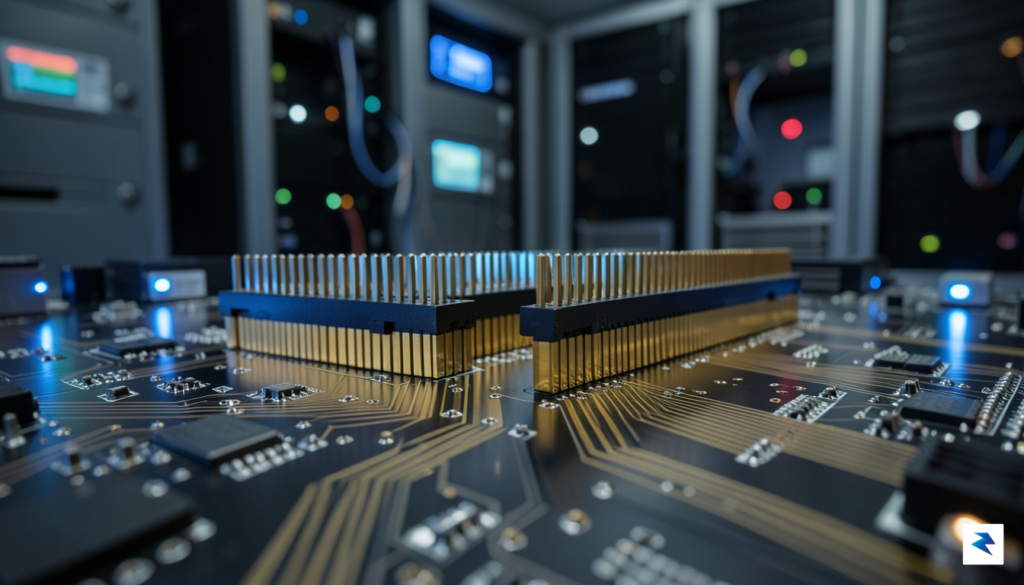
Ultimately, Apple’s pricing strategy serves as a reliable barometer because their supply chain is the most optimized in the world. When they adjust their pricing, they are reacting to a shift in the global cost of raw materials that is simply inescapable. By observing these changes, we can gain a clearer understanding of the hidden pressures weighing down the tech industry. It is a sobering reminder that while hardware innovations continue to dazzle, the underlying physics and economics of component production remain governed by the harsh realities of supply, demand, and increasingly expensive manufacturing processes.
The Anatomy of Memory Costs: Beyond the Sticker Price

Gone are the days when RAM was treated as a modular, easily interchangeable commodity—a simple stick of silicon you could snap into a motherboard to breathe new life into an aging machine. Today, memory has transformed into the primary bottleneck of modern computing, and its rising price tag reflects this shift in architectural importance. The cost of memory is no longer just about the raw silicon and basic manufacturing overhead; it is driven by the extreme fabrication complexity required for high-bandwidth standards like LPDDR5X. As we demand faster data transfer rates to keep up with increasingly complex AI workloads and high-resolution multitasking, the precision required to etch these memory cells has pushed manufacturing costs to new, unprecedented heights.
The most significant shift in this financial landscape is the industry-wide transition toward Unified Memory Architecture (UMA). By integrating memory directly onto the same package as the central processor, manufacturers can achieve lightning-fast communication speeds that traditional, socketed RAM simply cannot touch. While this provides a monumental boost in performance for tasks ranging from 4K video editing to real-time machine learning, it effectively eliminates the possibility of future upgrades. When you purchase a device today, you are not merely buying a specific amount of storage; you are essentially purchasing a fixed, immutable performance ceiling. Consequently, manufacturers have leveraged this integration to turn memory upgrades into high-margin premium tiers, forcing consumers to pay a “future-proofing tax” at the point of sale.
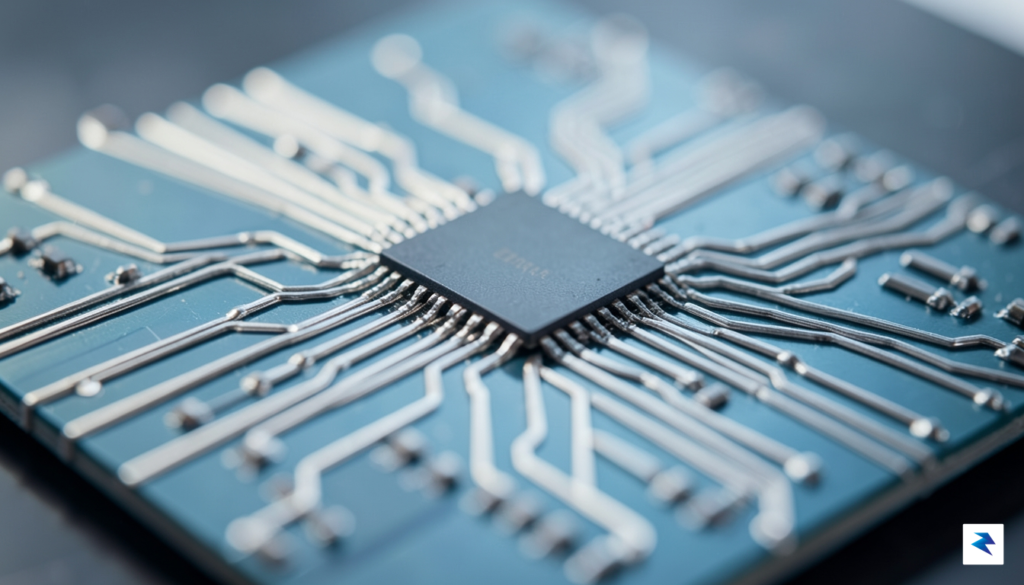
The move toward soldered, unified memory has turned a once-modular component into a core architectural constraint, effectively tethering the longevity of a device to the initial configuration chosen by the user.
Furthermore, the operating systems and applications we rely on daily have become significantly more memory-hungry, creating a feedback loop of hardware demand. Modern OS environments, coupled with browser-based applications that operate like full-blown software suites, treat RAM as a bottomless resource. This reality means that entry-level memory configurations are quickly becoming inadequate, pushing the actual “functional” cost of a computer much higher than the base model sticker price suggests. As we look at the trajectory of hardware design, it is clear that memory is no longer just a supporting player in the computing stack. Instead, it has become the defining component of a device’s total cost of ownership, dictating how long that hardware will remain relevant in an era of rapidly escalating performance requirements.
How Consumers and Professionals Should Navigate Rising Tech Costs

In an environment where virtually all hardware prices, particularly memory modules, are creeping steadily upward, purchasing decisions demand more scrutiny and strategic thinking than ever before. Whether you are a casual user simply looking for a responsive everyday machine or a creative professional requiring robust computational power, understanding how to optimize your investment is paramount to avoiding unnecessary costs and ensuring your tech budget stretches further.
Balancing Future-Proofing with Immediate Needs
One of the most common dilemmas buyers face is whether to “future-proof” their system or to buy just enough for their current needs. Future-proofing involves investing in components that exceed today’s requirements, anticipating tomorrow’s demands. However, this strategy quickly becomes “over-speccing” when you pay a significant premium for performance you won’t utilize for years, if ever, before the next technology standard arrives. The sweet spot lies in making informed projections based on your typical upgrade cycle and the realistic evolution of your software usage. For instance, if you usually upgrade every 3-4 years, investing in a mid-to-high tier of current generation RAM might be wise, but going for the absolute top-tier, bleeding-edge speeds could be a wasteful expenditure for marginal gains that will be superseded long before your next upgrade.
Benchmark Your Software, Not Just Your Budget
Instead of defaulting to the largest or fastest RAM available, a more intelligent approach involves benchmarking your specific software needs. Every application, from web browsers to video editors and CAD programs, has recommended system requirements. Take the time to research the optimal RAM configuration for the programs you use most frequently. For a casual user, 16GB of DDR5 might be perfectly adequate, offering a smooth experience without breaking the bank. Conversely, a professional working with large datasets, complex simulations, or high-resolution video might genuinely benefit from 32GB or even 64GB. Tools like your operating system’s task manager or activity monitor can also reveal your current average RAM utilization, providing empirical data to guide your purchasing decision rather than relying on guesswork or marketing hype.
Identifying Value-Tier Hardware for Optimal Performance-to-Price
Navigating the rising costs means becoming adept at identifying value-tier hardware – components that offer the best balance of performance and price without falling into the trap of paying exorbitant premiums for marginal gains. For RAM, this often means looking at the mainstream speeds and capacities within a given generation. For example, while top-tier DDR5 kits boast incredible speeds, the real-world performance difference for most users between a mid-range kit (e.g., 6000MT/s CL30) and an ultra-high-end kit (e.g., 7200MT/s CL34) might be negligible in everyday tasks or even many games, yet the price difference can be substantial. Focus on well-regarded brands known for reliability and compatibility, check independent reviews, and always compare prices across multiple reputable retailers to find the sweet spot where performance meets affordability.
Key Takeaway: Smart buying in an inflationary market isn’t about finding the cheapest option, but about making informed choices that maximize the real-world value and longevity of your investment.
By diligently assessing your actual needs, understanding the diminishing returns of top-tier components, and focusing on value-driven tiers, both consumers and professionals can make more strategic purchasing decisions, ensuring their next tech investment is both powerful and fiscally responsible, even in the face of rising costs.

Future-Proofing Your Hardware in an Era of Volatility

The semiconductor landscape is undergoing a fundamental transformation that extends far beyond temporary supply chain bottlenecks. As manufacturers pivot toward highly specialized, integrated architectures—where memory and processing units are soldered directly onto the silicon or stacked in complex 3D configurations—the dream of the user-upgradable machine is rapidly becoming a relic of the past. This shift is driven by a confluence of rising R&D costs and the sheer physical limitations of miniaturization. Consequently, the days of purchasing a “base model” computer with the intent of adding more RAM or storage three years later are effectively over. Users must now contend with a market where performance is locked in at the point of purchase, necessitating a far more strategic approach to initial investment.
Geopolitical volatility further complicates this transition, as the concentration of high-end fabrication facilities in specific regions makes global supply chains inherently fragile. When trade disputes, regional conflicts, or natural disasters disrupt these hubs, the ripple effects are felt instantly in the price and availability of core components. This is not merely a cyclical market fluctuation; it is a structural redesign of how electronics are manufactured and consumed. We are moving away from a commoditized model where parts were interchangeable and toward a walled-garden ecosystem where hardware lifecycles are dictated by the original manufacturer’s design choices rather than the user’s needs.
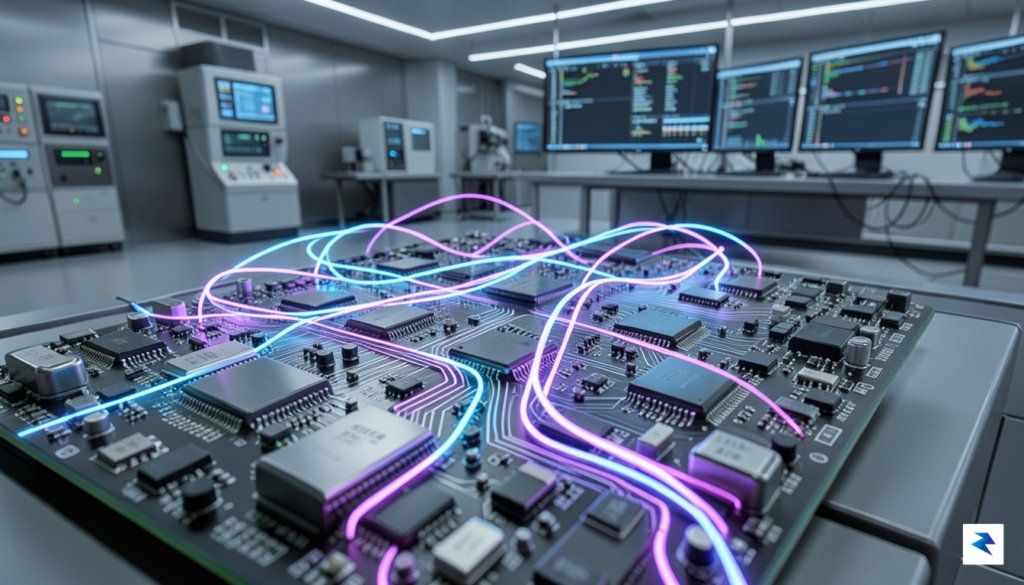
For the average consumer and professional alike, adapting to this reality requires a complete rethink of hardware procurement. If you cannot expand your machine’s capabilities later, you must “over-provision” today. While this often leads to higher upfront costs, it is the only reliable way to ensure that a device remains relevant as software demands inevitably grow. Future-proofing now means prioritizing maximum memory capacity and high-end storage at the time of checkout, treating these components as permanent, non-negotiable foundations of your digital toolkit rather than optional add-ons.
The era of the “do-it-yourself” upgrade is being replaced by an era of “architectural permanence,” where the machine you buy today is the only machine you will ever have.
Ultimately, we must accept that this volatility is the “new normal” for technology procurement. Relying on the hope that memory prices will crater or that modular upgrades will make a comeback is a losing strategy in an industry prioritizing efficiency and integration over user flexibility. By shifting our perspective to view hardware as a fixed-term asset—calculating the total cost of ownership over a set lifespan rather than focusing on the initial price tag—we can make more informed decisions. Investing in robust, higher-spec hardware today is the most effective hedge against the increasing costs and limited expandability that define the modern semiconductor era.