The Incident: Analyzing the Texas Tesla Crash
The incident that occurred in Texas stands as a sobering flashpoint in the ongoing evolution of automotive safety and machine intelligence. The collision, which resulted in a tragic loss of life, involved a Tesla vehicle traveling at high speeds before leaving the roadway and impacting a fixed object. In the immediate aftermath, local authorities and federal safety regulators launched a comprehensive investigation to reconstruct the final moments of the journey. This process involved examining vehicle telemetry data, physical skid marks at the scene, and the condition of the vehicle’s electronic control units to piece together exactly how the machine interacted with its environment in the seconds leading up to the impact.
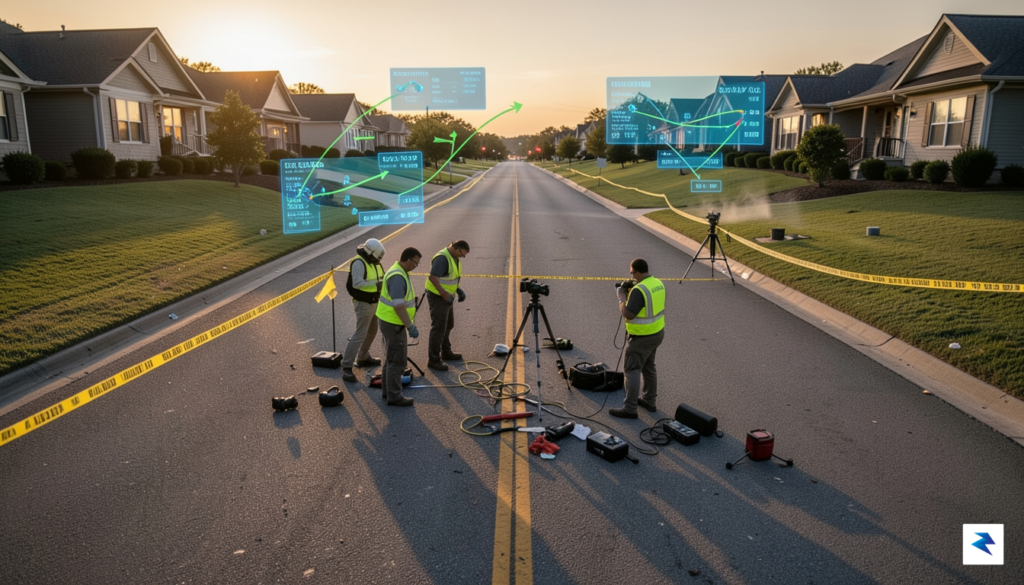
Central to the ensuing legal inquiry is the pivotal question of whether Tesla’s advanced driver-assistance software—specifically the Full Self-Driving (Supervised) suite—was engaged at the time of the crash. While Tesla has consistently maintained that its software requires constant driver monitoring and is not a fully autonomous system, proponents and critics alike are scrutinizing how effectively these safeguards communicate their limitations to the end-user. Investigators are currently working to verify whether the driver had disengaged the system, whether the vehicle’s sensors failed to identify the road geometry correctly, or if human error played a primary role in overriding the safety protocols. This distinction is not merely academic; it serves as the foundation for determining legal liability and establishing industry-wide benchmarks for future software deployments.
The core of the legal debate rests on the intersection of human oversight and machine precision: at what point does the responsibility shift from the individual behind the wheel to the software controlling the vehicle’s movement?
As the investigation proceeds, the legal community is watching closely to see how the evidence will be weighed against the existing regulatory framework. There is a palpable tension between the rapid pace of technological innovation and the slower, more deliberative nature of the justice system. By prioritizing objective forensic evidence over public speculation, regulators aim to move beyond the headlines and determine if this specific incident was an anomaly or a symptom of broader systemic vulnerabilities in current driver-assist technologies. This case is widely expected to serve as a bellwether for future litigation, potentially shaping how manufacturers document, test, and market software that assumes a significant portion of the driving task in complex, real-world environments.
Understanding Tesla's Full Self-Driving (Supervised) Technology
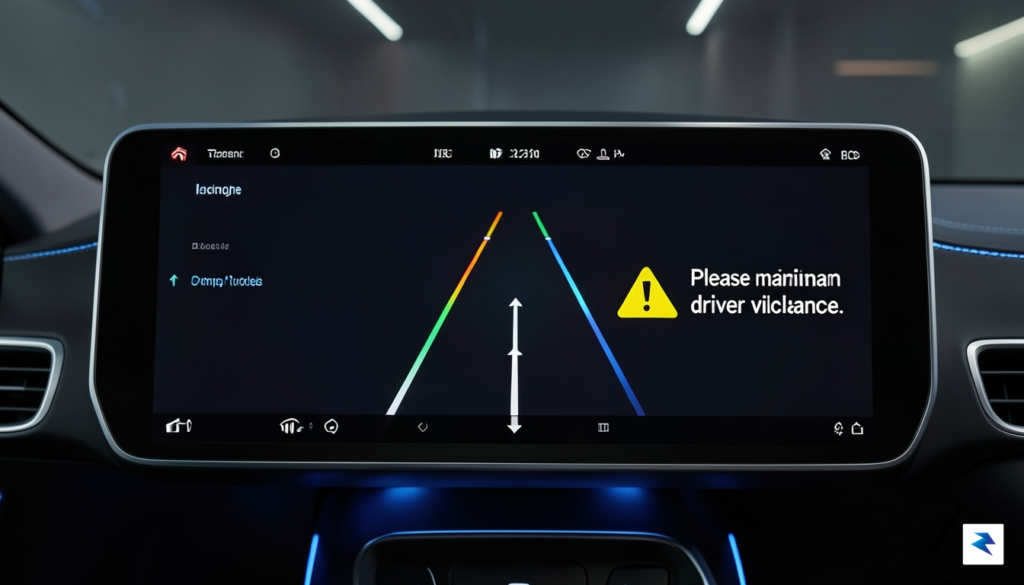
To navigate the complexities of the legal arguments surrounding recent accidents, one must first dismantle the prevailing confusion regarding Tesla’s software capabilities. The industry standard for classifying vehicle autonomy is the Society of Automotive Engineers (SAE) J3016 framework, which ranges from Level 0 (no automation) to Level 5 (full automation in all conditions). Despite its evocative branding, Tesla’s Full Self-Driving (Supervised) suite currently operates as a Level 2 driver-assistance system. This classification means that while the vehicle can perform steering, braking, and acceleration maneuvers, the human driver is legally and physically responsible for the vehicle’s operation at every single second of the journey. The term “supervised” is the most critical component of the nomenclature; it serves as a mandatory reminder that the software is merely an assistant, not a replacement for a human pilot.
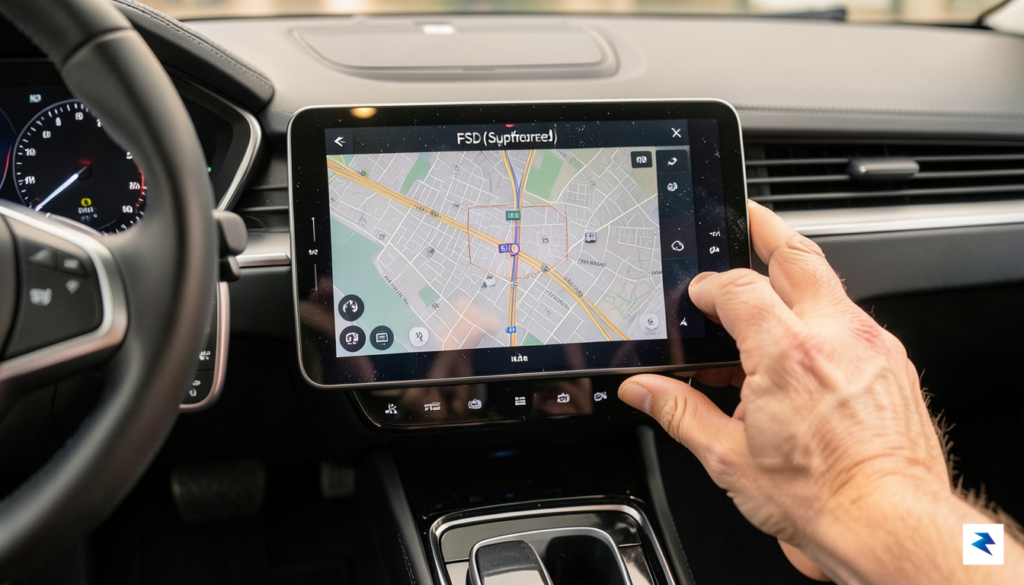
The technical architecture of this system relies exclusively on a vision-based approach, utilizing an array of exterior cameras to interpret the environment. Unlike many competitors in the autonomous vehicle space that augment their software with LiDAR—a laser-based sensor system capable of creating highly precise 3D maps of surroundings—Tesla argues that a human-like visual system is sufficient for navigation. However, this reliance on cameras alone creates specific challenges in edge-case scenarios, such as heavy rain, blinding sun glare, or obscure road debris. Because the car relies on pattern recognition rather than active, high-fidelity mapping, there are documented instances where the system may fail to identify obstacles or misinterpret complex intersections, necessitating immediate human intervention.
The core tension in recent litigation stems from a fundamental gap: the disparity between how a sophisticated marketing name is perceived by the public and how the underlying technology actually performs under pressure.
Misconceptions regarding “self-driving” are often exacerbated by the system’s ability to handle long stretches of highway or city navigation with apparent ease. When the software functions perfectly, it creates a sense of false security, leading some drivers to succumb to “automation bias,” where they become overly reliant on the vehicle’s judgment. This psychological phenomenon is exactly what regulators and legal experts are scrutinizing in the wake of the Texas crash. It is vital for owners to understand that the system does not “know” the road in the human sense; it is a predictive algorithm constantly calculating probabilities. If the driver is distracted, checking a mobile device, or assuming the car is fully autonomous, the safety net essentially vanishes, transforming a high-tech convenience feature into a potential liability.
The Legal Battleground: Product Liability and Automation
At the heart of the litigation surrounding the Texas crash lies the fundamental tension between rapid technological innovation and the established principles of product liability. Legal experts anticipate a fierce debate over whether Tesla’s Autopilot software constitutes a “defective product” under the law, specifically focusing on whether the design failed to prevent foreseeable misuse. Plaintiffs will likely argue that the system’s branding and capability create an environment where drivers are naturally inclined to trust the automation more than they should, a psychological phenomenon often referred to as automation bias. By marketing these features as “self-driving” or “Autopilot,” critics contend that the manufacturer has effectively incentivized users to disengage from the driving task, thereby making such accidents a predictable outcome rather than a rare anomaly.
Conversely, Tesla’s defense team will almost certainly pivot to the company’s extensive library of warnings, software guardrails, and user manuals. Their primary argument hinges on the assertion that the vehicle is marketed as a driver-assistance system rather than a fully autonomous platform, placing the ultimate burden of responsibility on the human operator to remain vigilant at all times. They will likely produce data logs indicating that the driver failed to adhere to specific operational protocols, framing the crash not as a flaw in software engineering, but as a failure of the user to follow the clear, legally codified instructions provided by the manufacturer. This creates a critical question for the court: Is a warning label sufficient when the software’s design encourages a user to ignore it?
The core of this legal showdown rests on a simple yet profound question: Does the responsibility for safety rest with the engineer designing the software, or the human tasked with supervising it?
The concept of “foreseeable misuse” will be the true battleground for expert witnesses and legal counsel alike. In product liability law, manufacturers are generally required to anticipate how a consumer might reasonably—or even unreasonably—use their product. If it is objectively foreseeable that drivers will become distracted or over-reliant on the system, the plaintiffs will argue that Tesla had a duty of care to implement more robust safety measures, such as advanced eye-tracking technology or more aggressive steering wheel torque sensors. If the jury finds that the company knew or should have known that its software would be used improperly, they could hold the manufacturer liable for failing to design a system that mitigates these human errors.
Ultimately, the outcome of this case will serve as a bellwether for the entire automotive industry, potentially forcing a paradigm shift in how autonomous features are regulated and deployed. A verdict against the manufacturer could compel all companies developing self-driving technology to adopt more stringent, fail-safe software architectures, fundamentally slowing the pace of deployment in favor of absolute safety. On the other hand, a defense victory would reinforce the status quo, placing the weight of liability firmly on the shoulders of the consumer. Regardless of the immediate ruling, the legal arguments established here will likely dictate the standard of care for years to come, setting a precedent that will shape the relationship between humans and machines on public roadways for generations.
The Role of Human Oversight in Semi-Autonomous Systems
The persistent challenge in deploying semi-autonomous vehicle technology is not merely a matter of engineering; it is a fundamental collision between sophisticated software and human psychology. Central to this issue is “automation bias,” a cognitive phenomenon where drivers place an over-reliance on automated systems, often assuming the technology is more capable than it truly is. When a vehicle manages steering, acceleration, and braking with high precision, the human brain naturally seeks to conserve energy by shifting into a state of passive monitoring. Over time, this psychological shift leads drivers to treat the system as a fully autonomous chauffeur rather than an assistive tool that requires their active, undivided participation.
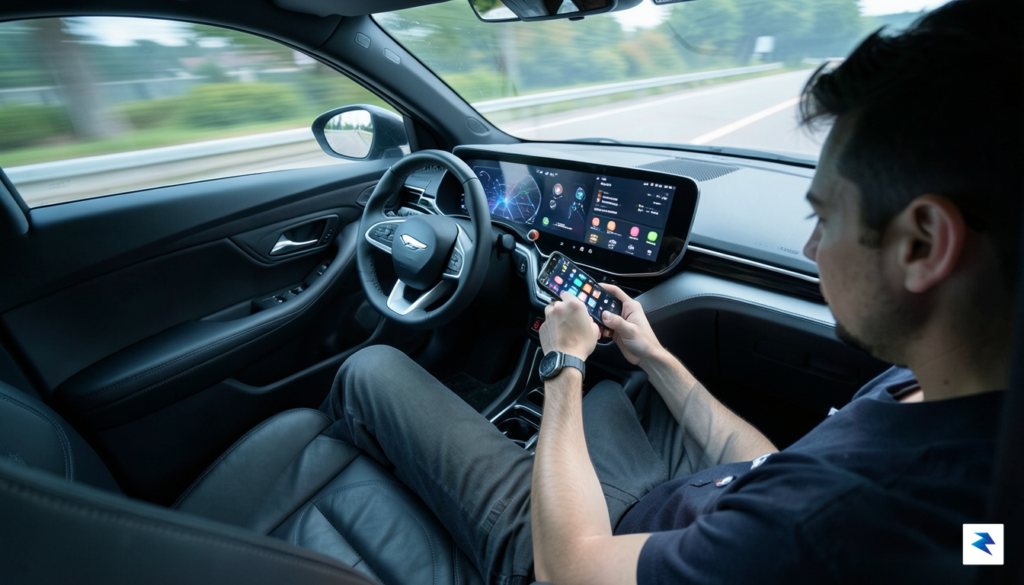
This mental drift creates a dangerous “hand-off” problem, where the driver must instantly transition from a state of complete relaxation to total situational awareness in a split second. Research into human factors engineering consistently suggests that the human brain is poorly suited for the role of a passive monitor. When humans are tasked with supervising a system that performs flawlessly 99 percent of the time, their vigilance inevitably wanes. Studies have shown that after just a few minutes of monitoring an automated process, human attention spans degrade significantly, making it nearly impossible for a driver to react with the speed necessary to avoid a sudden, high-speed obstacle.
The paradox of automation is that the more reliable a system becomes, the less likely the human supervisor is to detect a critical failure when it eventually occurs.
Consequently, the current “supervised” model of driving—which relies on the driver to remain the final safety net—faces a mounting crisis of legitimacy. Expecting a human to remain perfectly vigilant while the vehicle performs the lion’s share of the work ignores the reality of human biology. We are prone to mind-wandering, fatigue, and the natural tendency to overestimate the software’s ability to navigate edge cases. As legal battles intensify over accidents involving these systems, the debate is shifting from whether the software failed to whether the design of the “human-machine interface” itself creates an unavoidable safety trap. If the system is designed in a way that encourages inattentiveness, the burden of failure becomes a complex question of liability that pits corporate design choices against the fallibility of human behavior.
Regulatory Implications and the Future of Road Safety
The legal proceedings surrounding this tragic incident in Texas are poised to act as a significant catalyst for a fundamental shift in how federal agencies approach the intersection of software and road safety. For years, the National Highway Traffic Safety Administration (NHTSA) has operated under a framework that largely relies on manufacturer self-certification, a system that many critics now argue is ill-equipped for the rapid, iterative deployment of semi-autonomous driving software. As the investigation into this crash unfolds, we are likely to see a transition toward more aggressive federal oversight, characterized by mandatory, standardized testing protocols that evaluate how driver-assistance systems perform in complex, real-world scenarios rather than just controlled, simulated environments.
A critical component of this regulatory evolution will likely be the push for universal disengagement reporting. Currently, automakers maintain varying standards for how they track and report when their software fails or when a human driver must intervene to prevent an accident. By codifying these metrics, regulators could gain unprecedented transparency into the limitations of “Autopilot” and “Full Self-Driving” suites, allowing the public and government agencies to distinguish between marketing hype and actual technological capability. Such data would not only inform future safety standards but could also force a necessary recalibration of the industry’s liability models, shifting the burden of proof more heavily onto the companies that develop these complex algorithms.
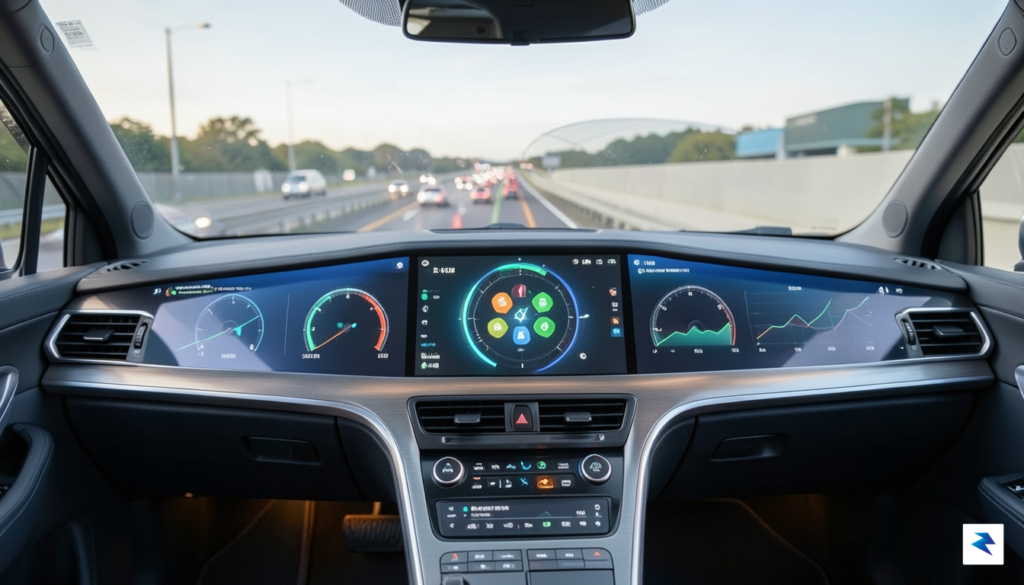
The transition from human-operated vehicles to automated systems represents the most significant change in transportation history; as such, it requires a regulatory framework that is as dynamic and innovative as the software it oversees.
Furthermore, the long-term future of autonomous driving will undoubtedly be shaped by how this legal battle influences the naming and branding of driver-assist technologies. For too long, the industry has utilized terminology that can lead consumers to overestimate the capabilities of their vehicles, creating a dangerous “automation bias” where drivers become disengaged from the task of operating their cars. If the courts rule that manufacturers must be held accountable for misleading marketing, we will likely see a mandatory industry-wide cooling-off period where “autonomous” features are rebranded with clearer, more cautious descriptors. This shift, while seemingly semantic, represents a vital step toward ensuring that the consumer’s expectations remain firmly aligned with the technical reality of the vehicle’s current limitations, ultimately paving the way for a safer, more transparent path toward true vehicle autonomy.