The Strategic Gravity of the Strait of Hormuz
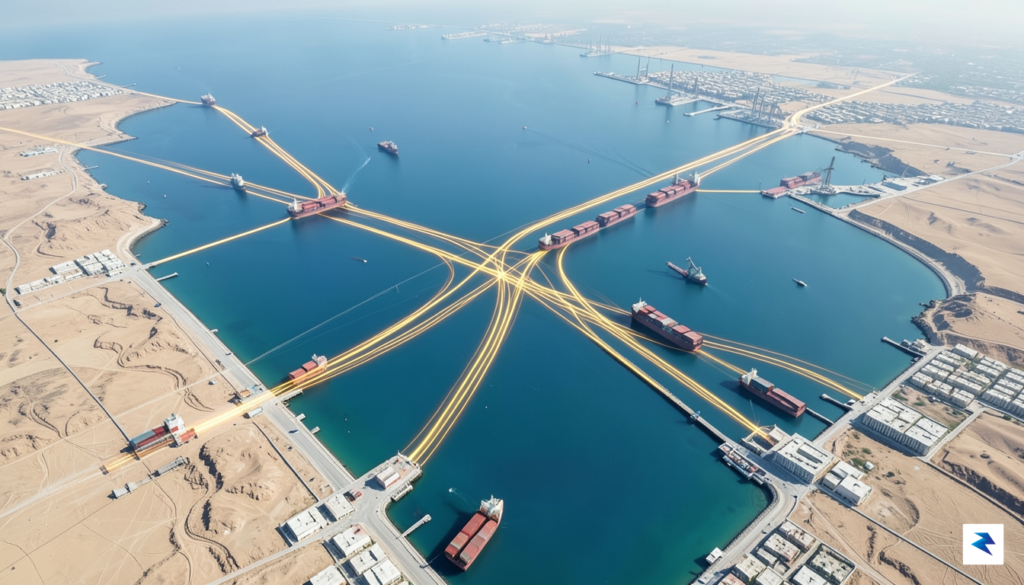
The Strait of Hormuz is far more than a mere geographical feature; it functions as the irreplaceable jugular vein of the global energy market. Its strategic importance cannot be overstated, as any disruption in its narrow waters immediately triggers worldwide concern and economic tremors. Understanding why this particular waterway holds such immense critical gravity requires examining the staggering volume of essential hydrocarbons that traverse this maritime corridor every single day, making it the most significant chokepoint in international commerce.
Geographically, the Strait of Hormuz is a narrow, crescent-shaped channel connecting the Persian Gulf to the Arabian Sea and, subsequently, the wider Indian Ocean. At its narrowest point, the shipping lanes are barely 21 miles wide, effectively funneling all maritime traffic into two 10-kilometer (6.2-mile) wide channels for inbound and outbound transit, separated by a two-mile buffer zone. This confined space is crucial because it is through this bottleneck that an astounding proportion of the world’s energy supply must pass. On any given day, approximately one-fifth to one-third of the globe’s total petroleum liquids consumption, equating to over 20 million barrels of crude oil and other liquids, navigates these constrained lanes. This oil originates from major producers like Saudi Arabia, Iran, the UAE, Kuwait, Iraq, and Qatar, destined for energy-hungry markets across Asia, Europe, and the Americas.
Beyond crude oil, the Strait is also indispensable for the global liquefied natural gas (LNG) market. Qatar, one of the world’s largest LNG exporters, ships virtually all of its output through Hormuz. This accounts for roughly one-fifth to one-third of the entire global LNG supply, underpinning energy security for numerous nations reliant on natural gas for electricity generation, industrial processes, and heating. The sheer volume and critical nature of these commodities mean that a blockage, even for a short period, can send shockwaves through international commodity exchanges, leading to immediate price spikes and threatening the stability of global supply chains. The economic ramifications are not theoretical; they are an immediate and tangible threat to national economies worldwide.
This immense reliance on a single, constricted passage perfectly illustrates the concept of a ‘chokepoint’ in maritime logistics. Chokepoints are narrow channels along widely used global sea routes that are critical to the flow of international trade, and their closure or disruption can have devastating effects on global commerce and energy prices. What makes Hormuz particularly potent as a chokepoint is the near absence of viable alternative routes for the vast majority of the oil and gas originating from the Persian Gulf. Pipelines exist, but their capacity is limited and cannot fully compensate for a sustained closure of the Strait, nor do they serve all the nations dependent on this route.
Consequently, the narrowness and strategic positioning of the Strait make shipping uniquely vulnerable to a range of threats from both state and non-state actors. From naval mines and missile attacks to piracy and state-sponsored harassment, the risks are ever-present. A single incident, whether accidental or intentional, has the potential to impede or halt traffic, creating immediate supply shortages and driving up insurance premiums for vessels operating in the region. This vulnerability, combined with the irreplaceable volume of energy flowing through it, ensures that any attack on a cargo ship in the Strait of Hormuz transforms from a localized incident into a profound global concern, underscoring its unparalleled strategic gravity in the world’s energy architecture.
Anatomy of the Incident: Risks to Global Shipping
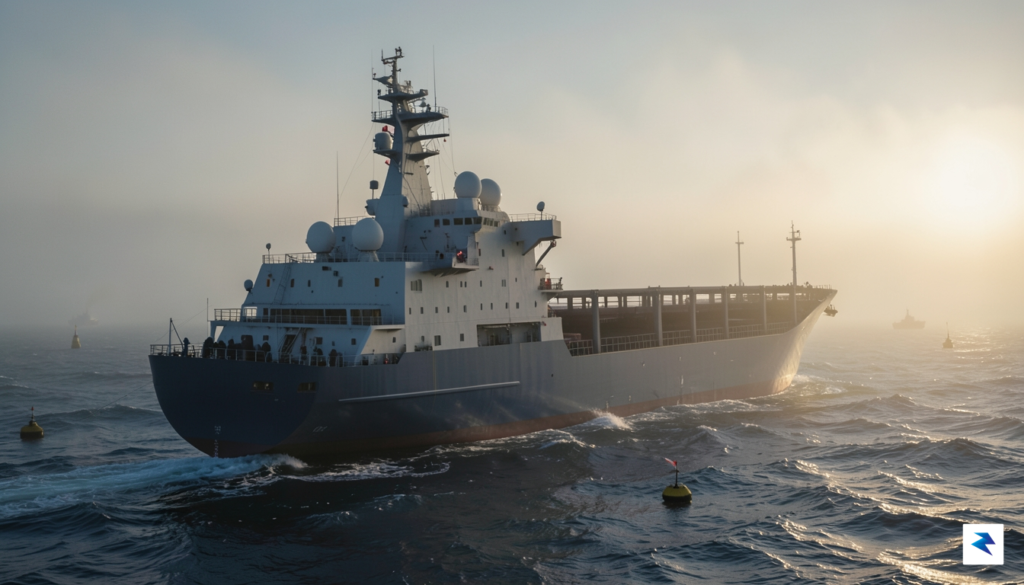
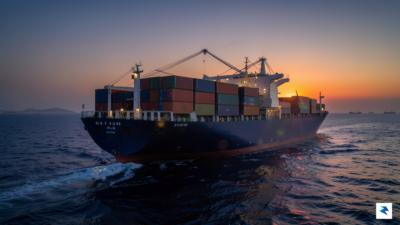
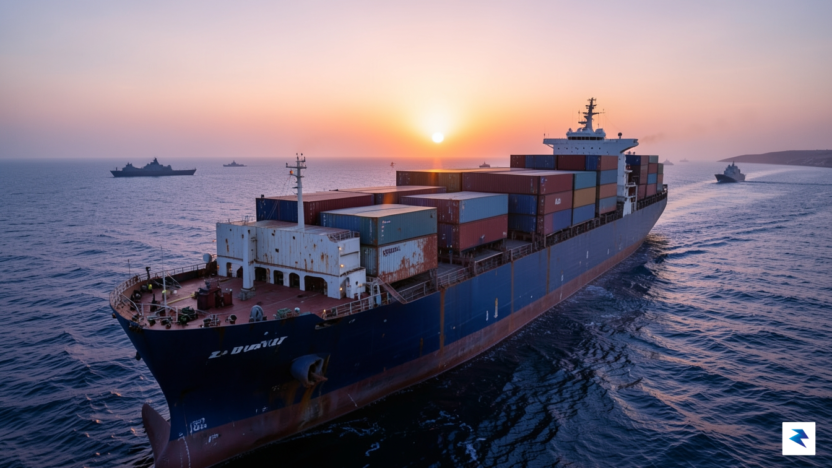
The recent escalation near the coast of Oman serves as a grim reminder of how fragile the arteries of global trade truly are. When a cargo vessel is targeted in these waters, the consequences extend well beyond the immediate structural damage or the loss of inventory on board. This specific strike has effectively shattered the perceived “operational normalcy” that shipping lines had maintained despite rising geopolitical tensions. By transforming a major transit corridor into a high-risk combat zone, the incident has forced a complete recalibration of risk assessment protocols, causing major carriers to slam the brakes on their schedules. For the shipping industry, this “freeze” is not merely a precautionary measure; it is a fundamental shift in how insurance underwriters and maritime security firms perceive the viability of the Persian Gulf as a safe passage.
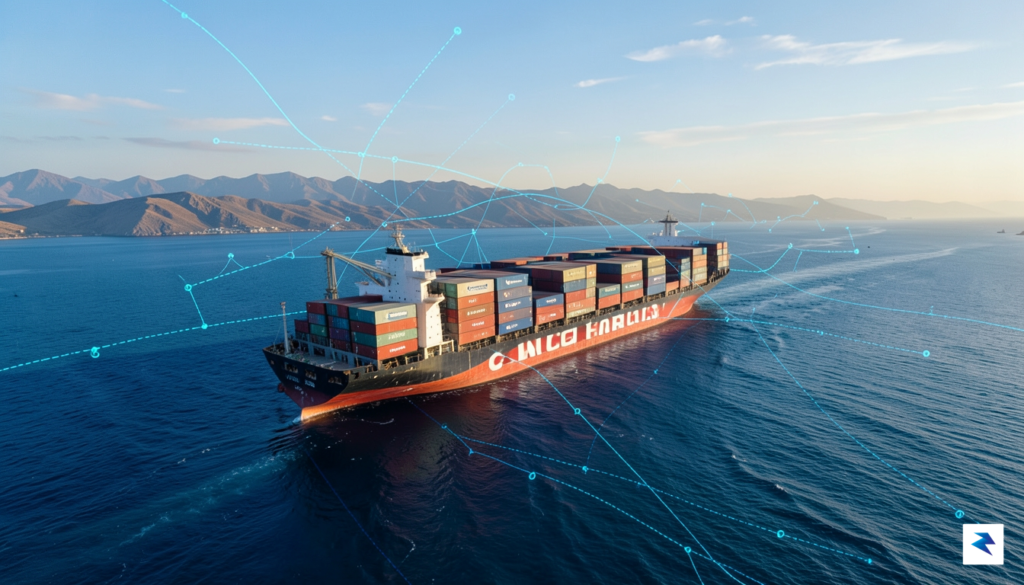
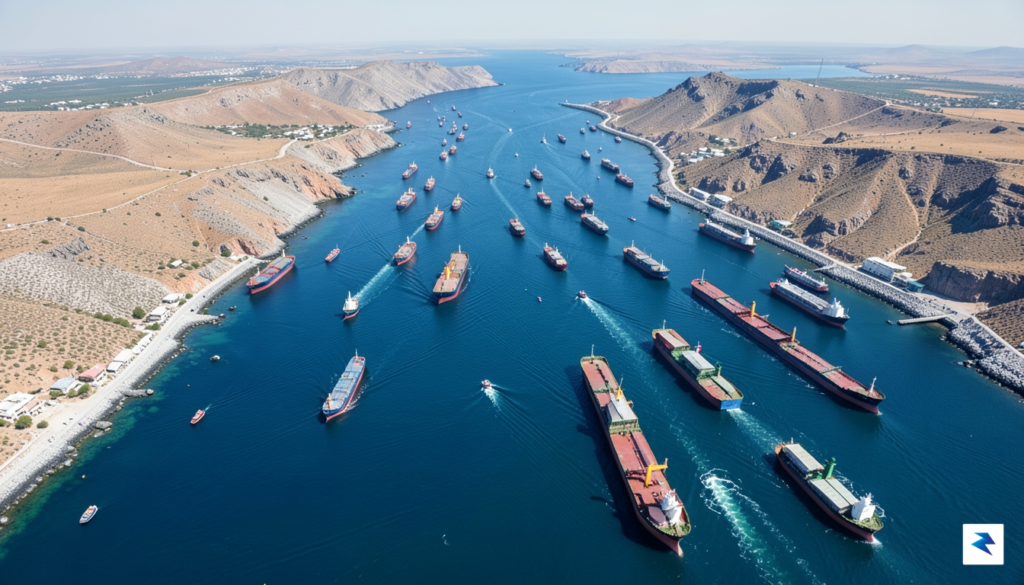
The mechanics of this attack—which involved precise targeting rather than indiscriminate disruption—have sent shockwaves through the maritime insurance market. Underwriters are now aggressively hiking “war risk” premiums, a cost that will inevitably be passed down to consumers through increased freight rates. Because insurance providers operate on predictive data, the uncertainty surrounding who might be targeted next has created a vacuum of confidence. Consequently, vessels currently staged in the Gulf are trapped in a logistical bottleneck, awaiting clearance from international maritime bodies that are struggling to provide security guarantees. This paralysis ripples through the global supply chain, delaying the delivery of raw materials and energy resources that are essential for manufacturing and heating across the globe.
The sudden halt in maritime traffic is not just a logistical inconvenience; it is a structural disruption that highlights the vulnerability of the world’s most critical maritime chokepoints.
Furthermore, the evacuation and safety protocols currently being implemented have effectively paralyzed the pipeline for dozens of ships. International maritime authorities are currently advising all vessels in the vicinity to move to deeper waters or seek escort, but these directives are easier to issue than to execute. As vessels sit idle or take costly, lengthy detours, the efficiency of the “just-in-time” delivery model is being dismantled in real-time. This creates a cascading effect: port congestion increases, labor scheduling becomes chaotic, and the scarcity of available cargo space begins to drive up costs for even the most basic consumer goods. Until a definitive security framework is established to protect these transit lanes, the shipping industry will likely remain in this state of apprehensive hesitation, prioritizing the safety of crews and assets over the speed of global commerce.
Economic Ripple Effects: Energy Markets and Supply Chains

The intricate web of global trade relies fundamentally on the unimpeded movement of goods across vast oceans, with maritime shipping serving as the indispensable backbone of the world economy. At the very heart of this vast network lies the Strait of Hormuz, a narrow waterway that acts as the planet’s most sensitive nerve center for energy and commerce. When transit through this vital chokepoint is compromised, as seen with recent attacks on cargo vessels, the impact extends far beyond the immediate disruption of a few ships. Modern manufacturing and retail sectors operate on highly optimized ‘just-in-time’ delivery systems, where components and products arrive precisely when needed, minimizing inventory costs; any unforeseen delay in the Strait can unravel these carefully orchestrated logistics, creating bottlenecks that ripple outwards at an alarming speed.
This immediate disruption quickly translates into significant volatility in global energy markets. The Persian Gulf region, for which the Strait of Hormuz is the sole maritime outlet for a substantial portion of its oil exports, is a primary source of the world’s crude oil. Consequently, any perceived or actual instability in this area sends immediate shockwaves through commodities exchanges, most notably impacting Brent Crude oil prices, which serve as a crucial international benchmark. Traders and investors react swiftly to the potential for supply interruptions, driving prices upward as they factor in increased risk and diminished future availability, even if current supplies remain unaffected. This speculative element, combined with genuine concerns over future access, ensures that the price of oil can surge dramatically within hours of an incident, affecting economies from Tokyo to Toronto.
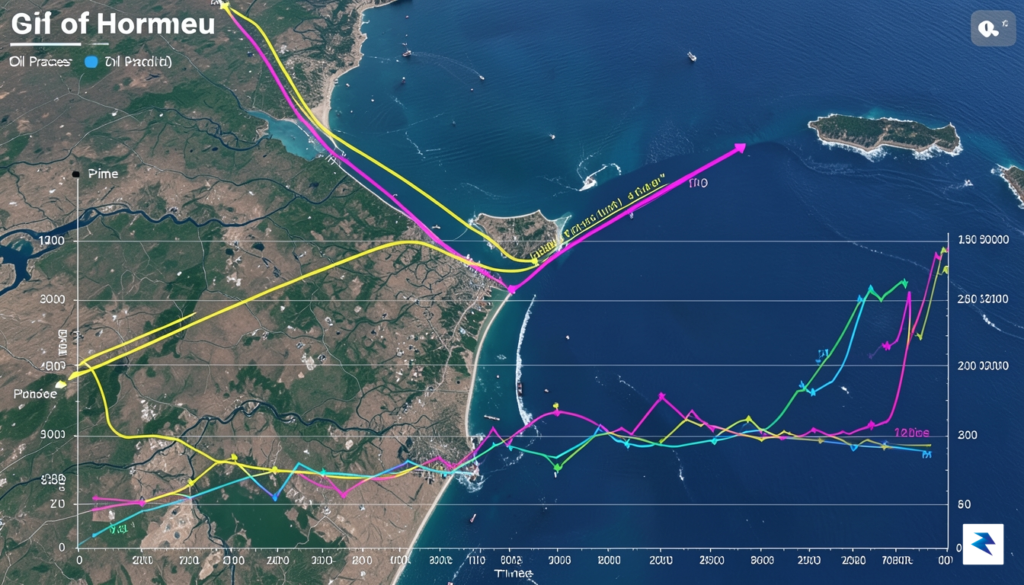
Beyond the immediate price of oil, another critical and often overlooked cost component that escalates during such crises is ‘war risk’ insurance. This specialized coverage protects vessels and their cargo against damages or losses incurred in areas designated as high-risk due to conflict, piracy, or geopolitical tensions. Following an attack or heightened security threats in a critical maritime zone like the Strait of Hormuz, insurance providers swiftly re-evaluate their risk assessments, leading to substantial increases in these premiums. Shipping companies, facing these elevated costs, have no choice but to pass them on, either directly through higher freight charges or indirectly through surcharges, making the simple act of transporting goods significantly more expensive.
These accumulating costs ultimately cascade down the supply chain, translating directly into higher prices for consumers across the globe. Increased fuel costs, driven by soaring Brent Crude prices, elevate the operational expenses for every mode of transport – from the massive container ships traversing oceans to the trucks delivering goods to local stores and the planes carrying time-sensitive cargo. When combined with the added burden of higher war risk insurance premiums, the overall cost of importing raw materials, components, and finished products rises significantly. This broad inflationary pressure affects everything from electronics and apparel to food and household staples, demonstrating how a localized security incident in a distant strait can effectively reach into the pockets of everyday consumers worldwide, contributing to a broader global inflation trend.
The Geopolitical Chessboard: Navigating Regional Instability

The recent disruption in the Strait of Hormuz is far more than an isolated maritime incident; it is a manifestation of decades of deep-seated geopolitical friction that has long defined the Middle East. For generations, this narrow chokepoint has served as the world’s most critical artery for energy transit, making it a natural focal point for regional powers seeking to exert leverage over global markets. The history of this region is marked by shifting alliances, proxy conflicts, and a persistent struggle for hegemony, all of which converge on the narrow waters connecting the Persian Gulf to the Arabian Sea. When incidents like this occur, they are rarely spontaneous outbursts; rather, they are the result of competing strategic interests that view maritime commerce as a pressure point to force concessions or signal defiance in a broader, shadow-filled game of regional influence.
International naval coalitions have long attempted to provide a security umbrella over these waters, yet they face a daunting challenge in the face of asymmetric warfare. While these coalitions possess overwhelming conventional military power, the nature of modern threats—such as low-cost drones, fast-attack boats, and covert mining operations—renders traditional naval doctrine insufficient. These patrols are designed to deter state-on-state conventional conflict, but they struggle significantly to police thousands of square miles against agile, non-state actors or covert state proxies who exploit the vulnerability of commercial vessels. This inherent tactical mismatch means that even a heavy international military presence cannot guarantee absolute safety for every merchant ship, creating a persistent atmosphere of vulnerability that keeps global shipping firms and insurers on edge.
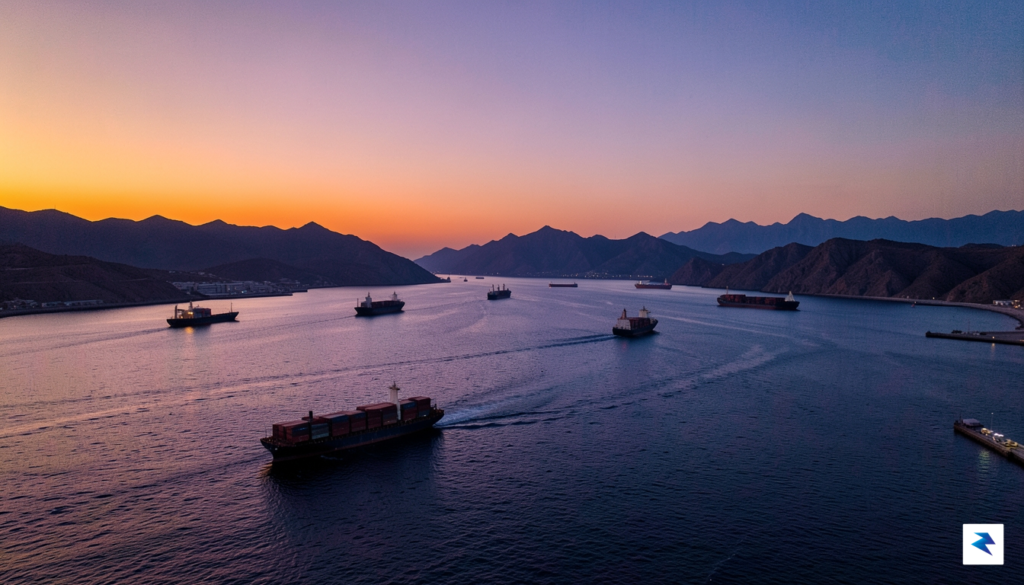
The security of global energy supplies relies on a fragile equilibrium that is increasingly difficult to maintain as regional actors turn to low-cost, high-impact disruption tactics that bypass traditional naval deterrence.
Ultimately, the challenge of securing the Strait is compounded by the shifting role of regional powers who feel increasingly marginalized or emboldened by global political transitions. As nations navigate their own internal pressures and external security anxieties, the maritime domain becomes a convenient stage for demonstrating resolve without triggering a full-scale, conventional war that would be devastating for all parties involved. Addressing this instability requires more than just adding more patrol ships to the rotation; it demands a complex, multi-layered diplomatic approach that reconciles the fundamental security concerns of the nations bordering the Gulf. Until such a balance is struck, the Strait of Hormuz will remain a volatile chessboard where commercial assets are frequently caught in the crossfire of grander, unresolved political ambitions.
Future-Proofing Maritime Security in Critical Chokepoints

The recent disruption in the Strait of Hormuz acts as a stark reminder that the arteries of our global economy are fragile and increasingly susceptible to geopolitical volatility. Relying solely on reactive military escorts or sporadic naval patrols is no longer a sustainable strategy for a world that depends on the seamless movement of energy and consumer goods. To future-proof these critical chokepoints, the international community must pivot toward a more integrated model of maritime domain awareness, one that combines high-tech surveillance with robust diplomatic frameworks to preempt threats before they manifest into kinetic action.
Integrating Technology and Multilateral Diplomacy
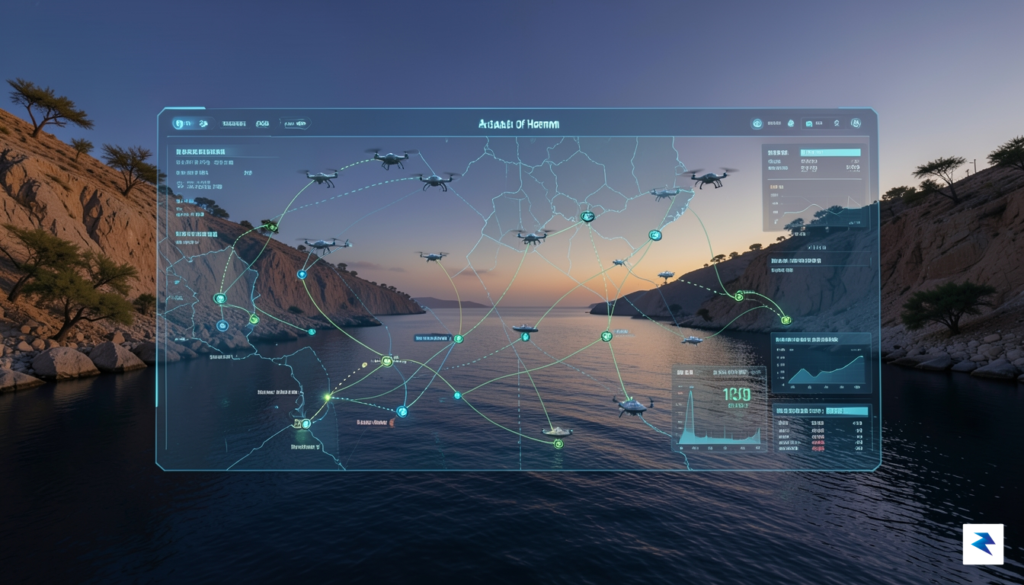
One of the most promising avenues for safeguarding these waters lies in the deployment of advanced AI-driven surveillance networks. By utilizing a combination of satellite imagery, underwater acoustic sensors, and autonomous drone swarms, nations can create a persistent “digital curtain” across the Strait. This technology allows for the real-time identification of anomalous vessel patterns, effectively separating commercial traffic from potential threats without requiring a constant, heavy-handed naval presence. However, technology alone is insufficient; it must be backed by a multilateral security architecture where major stakeholders—including regional powers and global trade partners—share data and agree on standardized protocols for incident response. Without a unified, transparent information-sharing platform, the risk of miscalculation or delayed intervention remains unacceptably high.
True maritime security is no longer just about the number of warships in the water; it is about the speed and accuracy of the intelligence that informs those ships.
Evaluating the Costs of Strategic Diversification
Beyond technological enhancements, policymakers are increasingly debating the necessity of diversifying trade routes as a long-term risk mitigation strategy. While the Strait of Hormuz remains the most efficient conduit for oil and gas, its vulnerability has prompted discussions about expanding pipeline infrastructure across the Arabian Peninsula to bypass the chokepoint entirely. Though such projects are capital-intensive and fraught with political complexities, they offer a hedge against systemic shutdowns that could cripple global supply chains. Ultimately, the future of international trade will likely depend on a hybrid approach: balancing the continued reliance on traditional maritime routes through modernized security cooperation, while simultaneously investing in redundant logistical pathways that ensure the flow of commerce remains resilient in the face of inevitable geopolitical shocks.