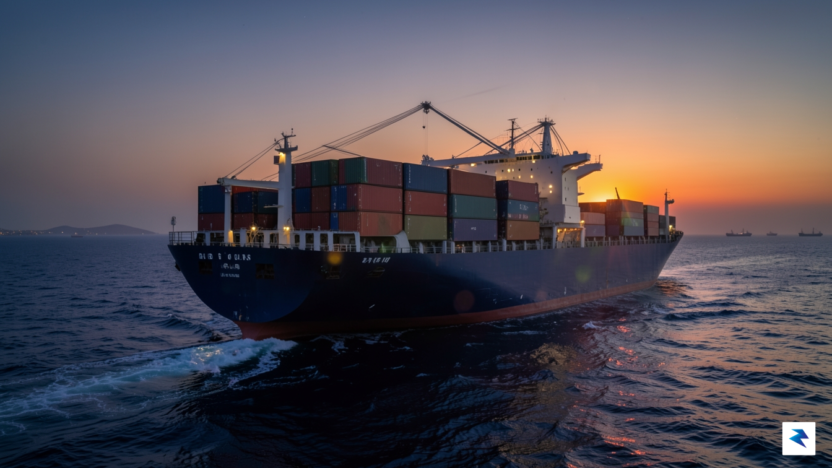
The Strategic Significance of the Strait of Hormuz
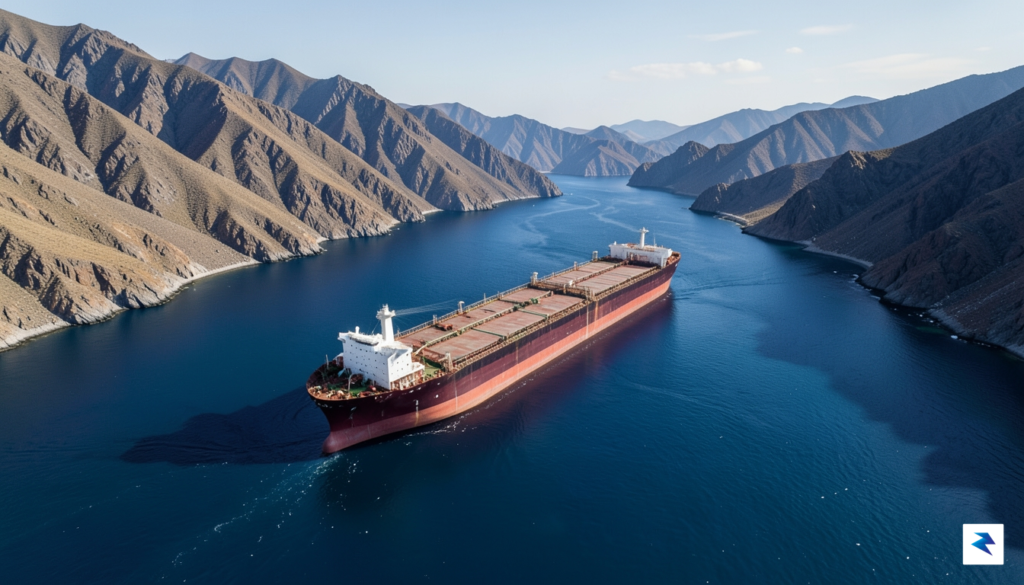
The Strait of Hormuz is far more than a mere geographic feature; it is the absolute jugular vein of the global economy. Nestled between the jagged coastlines of Oman and Iran, this narrow maritime passage serves as the primary gateway for the Persian Gulf’s vast energy reserves. With a width of only 21 miles at its narrowest point—where the shipping lanes for inbound and outbound tankers are each just two miles wide—the Strait functions as the world’s most critical maritime choke point. In geopolitical terms, a choke point is a location where natural or man-made geography forces high-volume traffic into a confined space, creating a vulnerability that can be exploited by state and non-state actors alike to exert leverage over the international community.
The sheer scale of the energy transit through this waterway is staggering. On any given day, approximately 20 to 21 million barrels of oil—roughly one-fifth of the total global petroleum consumption—pass through these waters. This includes the vast majority of crude oil exported from Saudi Arabia, Iraq, the United Arab Emirates, and Kuwait. Because the regional infrastructure is heavily reliant on this single maritime corridor, there is no viable, large-scale alternative for these tankers to reach their destinations. Consequently, the Strait is not just a regional concern but a global necessity; any disruption here triggers immediate, cascading effects on energy prices, manufacturing costs, and supply chain security that resonate from the streets of Tokyo to the ports of Rotterdam.
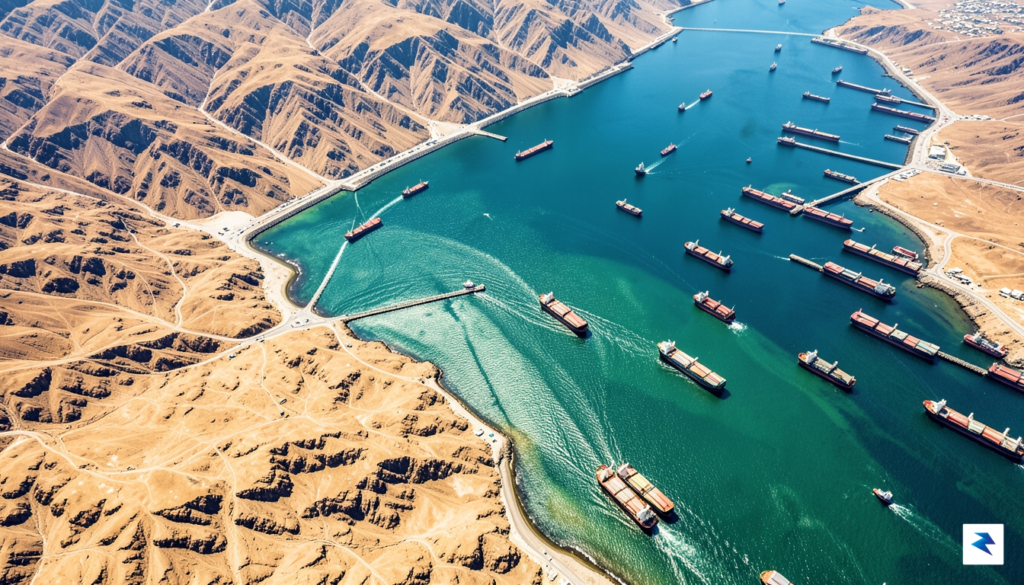
The vulnerability of the Strait of Hormuz represents the single greatest point of failure for modern energy security, turning a narrow strip of water into a high-stakes arena for global power projection.
Historically, the Strait was guarded by an implicit understanding of freedom of navigation, maintained largely by the presence of international naval forces and a mutual interest in economic stability. For decades, this equilibrium allowed for the predictable flow of energy that fueled the rapid industrialization of Asian economies and the sustained prosperity of Europe. However, that era of stability is increasingly being replaced by profound volatility. As geopolitical tensions rise, the Strait has shifted from a routine transit route into a theater of kinetic conflict. When maritime security is compromised, the “risk premium” on every barrel of oil transported through the region spikes, forcing insurance costs higher and creating market panic that transcends borders. Understanding the latest strike requires recognizing that the Strait is no longer just a trade route—it is now a primary battlefield where the security of the global economy remains perpetually on the line.
Anatomy of the Incident: Facts and Implications

The recent maritime strike in the Strait of Hormuz signifies a sharp departure from traditional posturing, moving from rhetorical threats toward direct kinetic action against commercial shipping. In the days preceding the incident, Tehran had issued a series of warnings regarding the transit of vessels through these vital chokepoints, citing broader geopolitical grievances. However, the transition from these verbal declarations to the actual targeting of a civilian vessel suggests a calculated shift in how regional actors are now leveraging maritime pressure. This escalation was confirmed by both U.S. naval observers, who monitored the distress signals and subsequent vessel tracking, and Iranian state media, which acknowledged the operation as a response to perceived provocations, effectively marking a new, more volatile chapter in the security dynamics of the Persian Gulf.
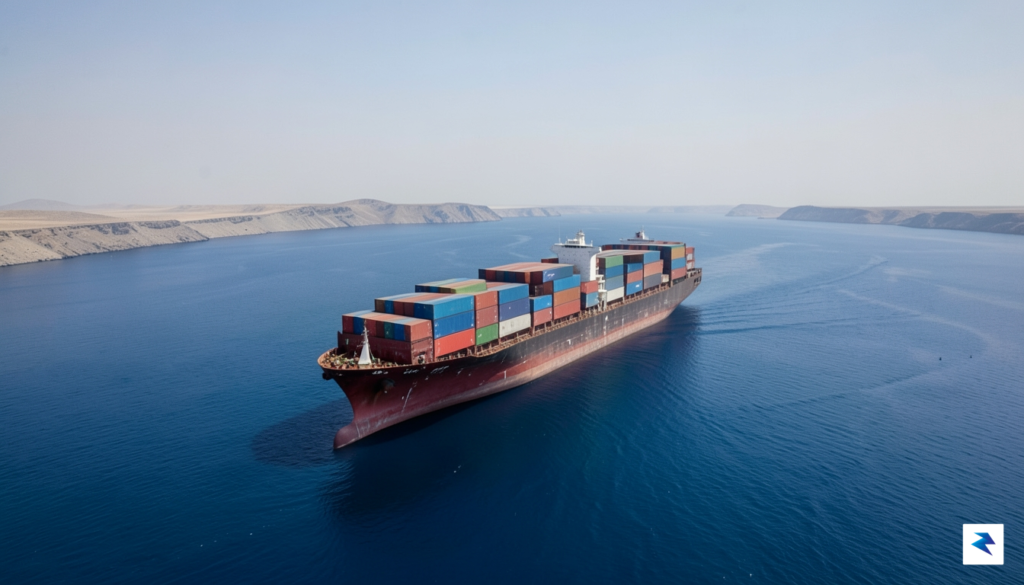
The tactical reality of this strike highlights a troubling disconnect between the stated diplomatic objectives of Iranian leadership and their operational conduct on the high seas. While government officials have consistently maintained that their maritime activities are aimed at regional stability and deterrence, the reality of deploying force against a commercial entity contradicts these proclamations. This discrepancy forces international maritime authorities to reassess the risk profile of the region, as ships that were previously considered neutral conduits for global trade are now being treated as instruments of political leverage. Consequently, the threshold for what constitutes a “safe passage” has been fundamentally altered, creating a climate of uncertainty for shipping conglomerates and insurance underwriters alike.
The targeting of a commercial vessel within one of the world’s most critical maritime chokepoints is not merely an isolated security breach; it is a strategic signal that the rules of engagement in the region are being rewritten in real-time.
For the civilian crews operating within these waters, the implications of this incident are profound and immediate. Mariners are now forced to navigate an environment where the safety of their vessels can no longer be assumed, regardless of their lack of involvement in political disputes. Beyond the immediate physical danger to the crew, this incident threatens to drive up the cost of global trade through increased security requirements and soaring insurance premiums, which are inevitably passed on to the end consumer. As maritime transit continues to face these heightened threats, the international community must grapple with the difficult balance of maintaining open lines of commerce while addressing the underlying regional tensions that have turned these vital shipping lanes into a theater of conflict.
Geopolitical Consequences for Global Energy Markets

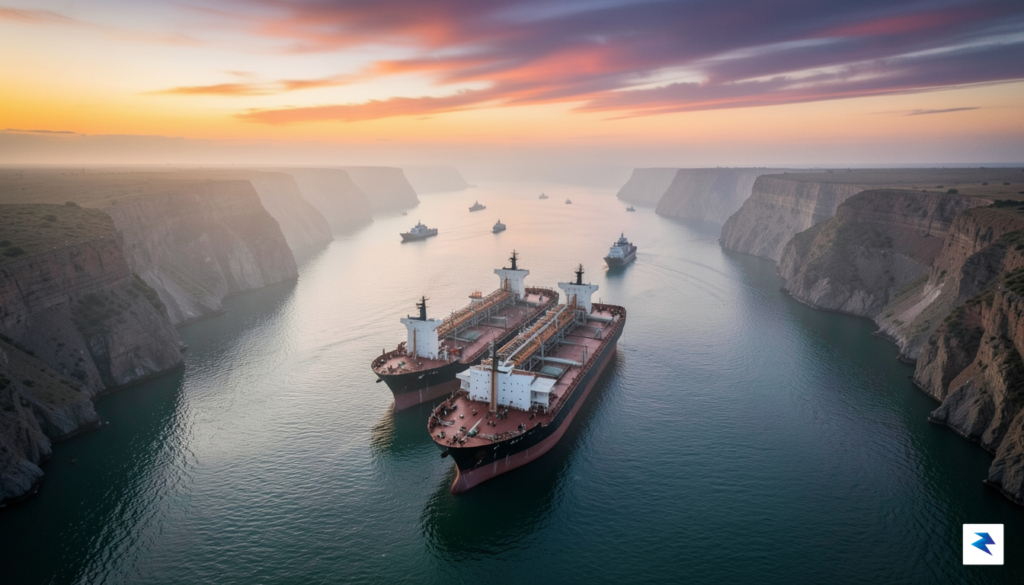
The immediate aftermath of a kinetic strike in the Strait of Hormuz acts as a high-voltage shock to the global economic system, primarily because this narrow waterway functions as the world’s most critical energy artery. When security is compromised, the first indicator of instability appears in the volatile world of “war risk” insurance premiums. Shipping companies and underwriters immediately reassess the dangers of traversing the corridor, often spiking coverage costs by astronomical margins to account for the heightened threat of seizure or damage. These costs are rarely absorbed by the shipping firms alone; instead, they are passed down the supply chain, inevitably inflating the final price of the energy products—and eventually the consumer goods—that reach your local gas station and grocery store shelves.
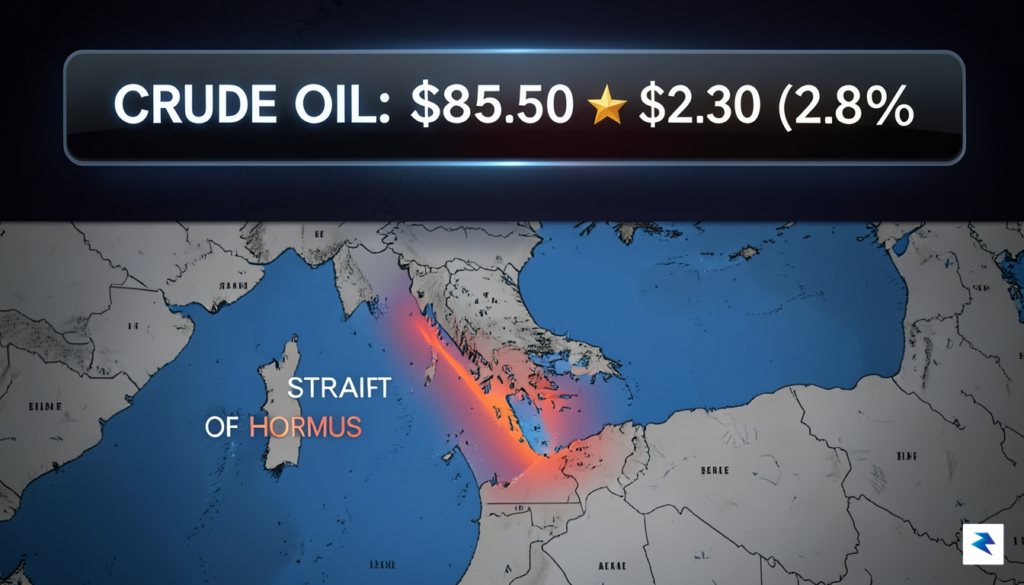
Beyond the direct costs of insurance, the psychological impact on energy futures creates an immediate, reflexive surge in oil prices. Because the global market operates on high-frequency trading and speculative sentiment, traders interpret any breach of security in the Persian Gulf as a precursor to a potential supply blockage. Even if the actual volume of oil leaving the region remains momentarily steady, the “fear premium” embedded in the price of a barrel of crude oil begins to climb. As investors rush to hedge against future scarcity, the ripple effect is felt at the pump, where the average consumer sees a sudden, unexplained uptick in fuel costs that can dampen household budgets and contribute to broader inflationary pressure.
“The Strait of Hormuz is not just a maritime passage; it is the central nervous system of global energy security. Any disruption here forces the entire world to pay a premium for stability.”
Furthermore, the logistical response to such attacks forces shipping fleets to adopt costly operational changes, such as rerouting vessels or increasing private security presence on board. Rerouting requires longer transit times, more fuel consumption, and higher labor costs, all of which strain the efficiency of the global supply chain. For the average individual, this means that the stability of global trade is no longer an abstract geopolitical concept, but a tangible factor in the cost of living. When the security of the Strait is undermined, the global economy enters a period of defensive posturing, where the uncertainty of supply leads to a sustained period of economic friction that affects everything from heating oil prices to the manufacturing costs of the products we use every day.
Diplomatic Standoff: U.S. Policy and Regional Stability
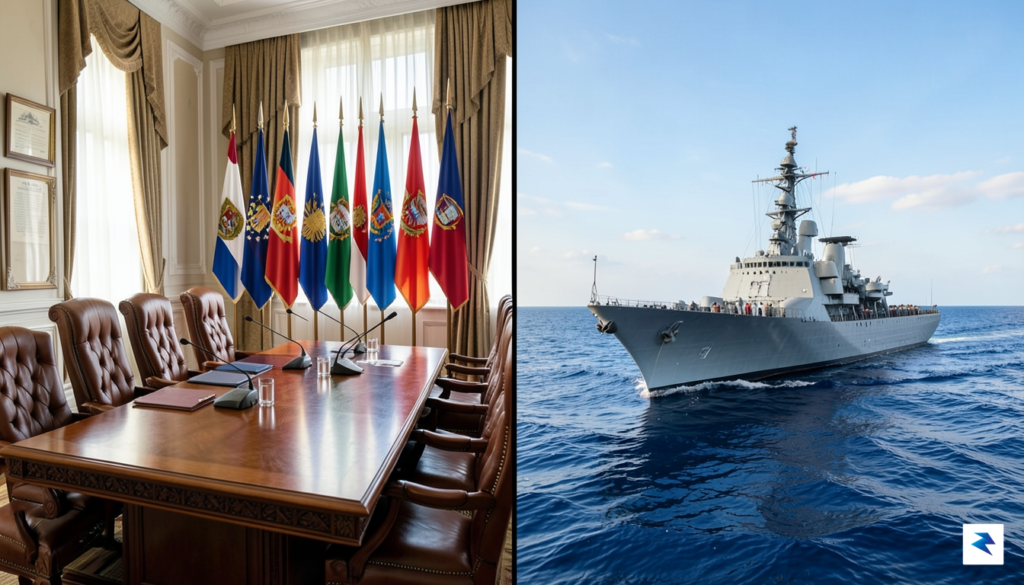
Washington’s current approach to the Strait of Hormuz is defined by a precarious tightrope walk: attempting to foster a regional security architecture that promotes maritime safety while simultaneously avoiding a direct kinetic confrontation that could spiral into a broader Middle Eastern war. The administration’s strategy relies heavily on the construction of a multinational coalition, aimed at sharing the burden of patrolling these vital waters and deterring Iranian interdiction efforts. However, this policy faces constant friction, as the U.S. seeks to reassure regional partners—most notably Bahrain, which hosts the U.S. Fifth Fleet—that it remains a steadfast protector of global energy flows, even as it looks to pivot its own strategic attention toward other parts of the world.
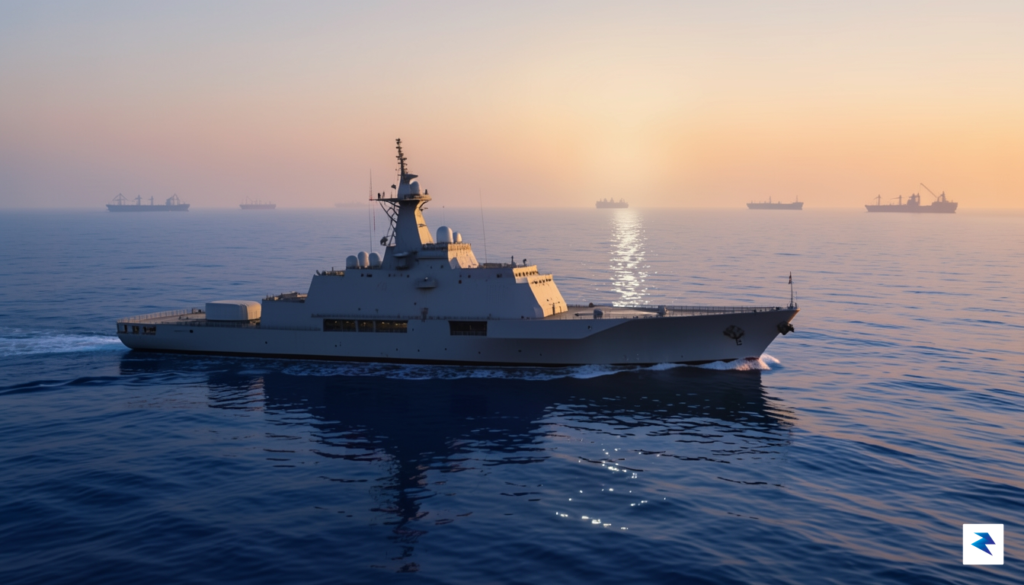
The core of the diplomatic challenge lies in the fundamental disagreement over what constitutes “security” in the region. For the United States, the Strait is a global common, a maritime artery that must remain open and free from coercion to ensure the stability of the global economy. Conversely, Iran perceives the presence of foreign naval forces as an existential threat and a tool of Western containment. This ideological divide transforms every routine naval maneuver into a high-stakes psychological game. When Tehran strikes a commercial vessel, it is not merely attacking a ship; it is testing the resolve of the American-led coalition, attempting to prove that the U.S. security umbrella is porous and ultimately ineffective against asymmetric tactics.
The effectiveness of naval deterrence is measured not just by the presence of warships, but by the perceived willingness of the coalition to hold aggressors accountable without triggering a regional conflagration.
Furthermore, the reliance on regional allies adds another layer of complexity to the diplomatic standoff. Nations like Bahrain find themselves caught in a difficult position, balancing their long-standing security dependency on the United States with the geographic reality of their proximity to Iran. They are wary of being the primary targets of retaliatory measures should U.S. deterrence efforts escalate into active military strikes. Consequently, Washington must constantly calibrate its messaging, ensuring that its defensive posturing is perceived as stabilizing by its allies, rather than provocative. If the U.S. appears too aggressive, it risks alienating partners who fear being dragged into a conflict; if it appears too passive, it risks losing the credibility required to keep the shipping lanes open. This delicate balancing act remains the most significant hurdle in preventing localized naval skirmishes from escalating into a catastrophic disruption of global trade.
Long-term Outlook for Maritime Security

In assessing the trajectory of maritime safety in the Middle East, analysts are increasingly forced to look past temporary fluctuations in regional tensions to identify a more systemic shift. The critical question facing global policymakers is whether the latest disruption in these vital waters represents a fleeting flare-up or a permanent transition to a “gray zone” conflict baseline. In a high-escalation scenario, asymmetric attacks using low-cost drones, limpet mines, and state-sponsored boarding actions could become a normalized geopolitical leverage tool, effectively raising shipping insurance premiums and forcing cargo vessels to reroute permanently. Conversely, a de-escalation path would require sustained diplomatic backchannels and tangible concessions, a prospect that currently seems distant given the entrenched posturing of regional actors. Ultimately, the shipping industry must prepare for a prolonged period of volatility where commercial vessels remain proxy targets in broader geopolitical disputes.
Addressing this persistent threat requires more than reactive, unilateral naval deployments; it demands a fundamental redesign of global maritime security architecture. While existing frameworks have historically provided a stabilizing presence, the evolving nature of asymmetric threats necessitates a highly integrated, multi-national protective umbrella. This modernized architecture must leverage advanced real-time intelligence sharing, coordinated convoy escorts, and drone-detection technologies capable of shielding vast swaths of commercial traffic simultaneously. By establishing a unified front, the international community can signal to disruptive state actors that targeting merchant shipping will yield collective diplomatic and economic counter-measures, thereby shifting the risk-reward calculus of maritime aggression.
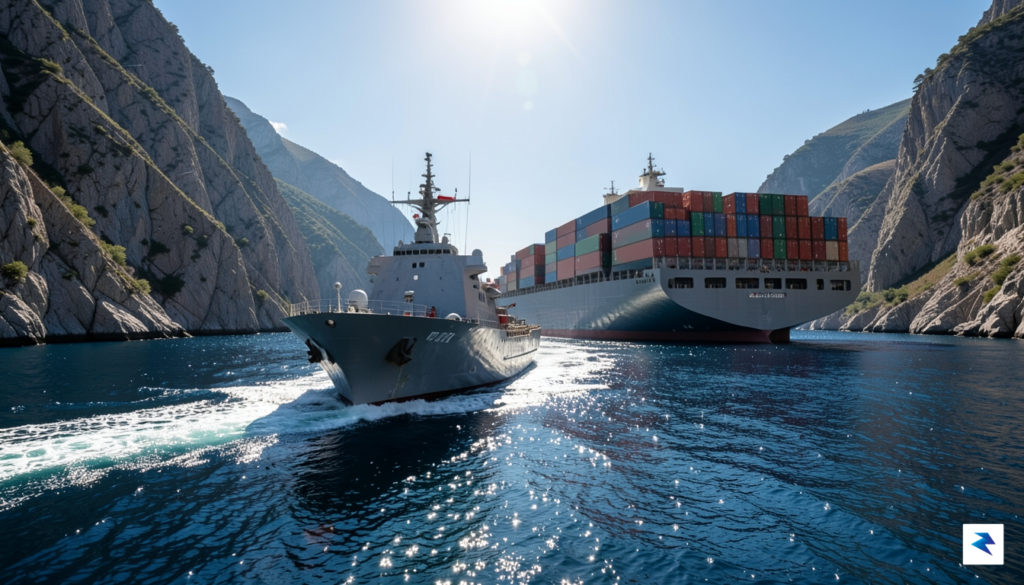
“The freedom of navigation is not a regional privilege, but the foundational pillar of the modern globalized economy.”
At its core, the preservation of open sea lanes transcends regional geopolitical rivalries, serving as a non-negotiable prerequisite for global economic stability. Because a significant portion of the world’s energy and consumer goods flows through these narrow chokepoints, any prolonged disruption threatens to trigger inflationary spikes and supply chain bottlenecks worldwide. Therefore, maintaining the freedom of navigation must be treated as a shared global responsibility that unites otherwise adversarial nations in a common cause. Only through a sustained commitment to international law and collaborative maritime defense can the global community ensure that vital trade arteries remain open, resilient, and insulated from local geopolitical friction.