
From Entertainment Hub to Digital Ecosystem

For years, the world viewed TikTok primarily as a digital stage for viral dance trends, comedic skits, and lip-syncing sensations. However, this perception is rapidly becoming a relic of the past as the platform undergoes a profound structural transformation. TikTok is no longer just a destination for passive entertainment; it is aggressively pivoting toward the “super app” model, a concept pioneered by Asian giants like WeChat and Grab. In these ecosystems, a single application serves as a comprehensive digital utility, seamlessly blending social networking, financial services, e-commerce, and daily logistics into one frictionless experience. By integrating these disparate services, TikTok aims to transition from a platform users visit for a quick distraction into a central hub that manages the various facets of their daily lives.
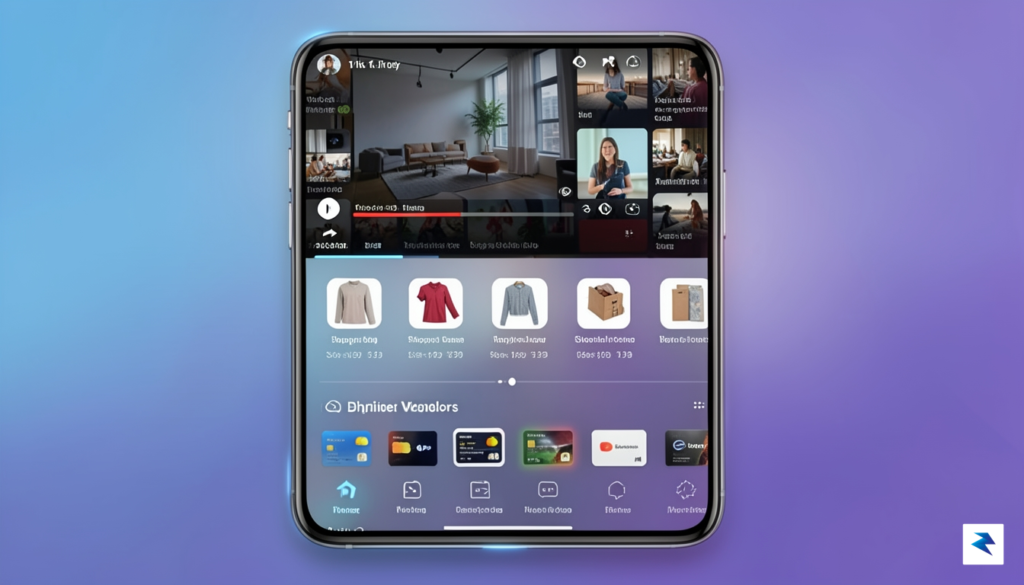
The strategic genius behind this transition lies in TikTok’s unparalleled ability to command user attention through its proprietary recommendation engine. Unlike traditional social media platforms that rely on the social graph—who you know—TikTok operates on an interest graph, which prioritizes what you enjoy. This algorithm creates a hyper-personalized feedback loop that keeps users engaged for significantly longer durations than its competitors. By leveraging this existing high-engagement environment, TikTok is uniquely positioned to capture massive market share as it introduces transactional features. When entertainment is already addictive, the friction required to transition from watching a video to purchasing a product or booking a service becomes almost non-existent.
The true power of a super app lies in its ability to eliminate the “app-switching” tax, where users lose momentum and interest every time they leave one environment to perform a task in another.
The core objective of this evolution is to maximize the “time-spent-on-platform” metric, effectively turning TikTok into a digital utility that users have no reason to exit. As the platform integrates features like TikTok Shop, in-app scheduling, and potential financial integrations, it is building a walled garden that addresses consumer needs from discovery to checkout. By keeping users within its ecosystem, TikTok captures not only their eyeballs but also their purchasing data and behavioral intent. This shift marks a fundamental change in the digital landscape: TikTok is moving away from being a mere content repository and is instead positioning itself as the primary interface through which a new generation interacts with the modern internet.
The Strategic Shift: Diversifying Beyond Short-Form Video
The transformation of TikTok from a viral video playground into a comprehensive digital ecosystem is no longer a speculative trend; it is a calculated architectural overhaul. By aggressively integrating features that cater to utility rather than just entertainment, the platform is effectively reducing user friction, ensuring that the need to “app-switch” becomes increasingly obsolete. Where users once opened TikTok to kill time, they are now increasingly using it to search for information, coordinate with peers, and conduct commerce, effectively anchoring themselves within the application for longer durations throughout their daily digital journey.
One of the most significant pillars of this transition is the platform’s evolution into a robust search engine. Younger generations are increasingly bypassing traditional search engines, preferring to query TikTok for everything from restaurant recommendations to DIY tutorials and complex product reviews. By refining its search algorithms and surfacing highly relevant, user-generated content, TikTok has successfully positioned itself as a primary discovery tool. This shift is further bolstered by the expansion of its in-app messaging capabilities, which transform a passive viewing experience into a social hub. By facilitating seamless communication and content sharing without requiring users to exit to third-party messaging apps, TikTok retains the full attention of the user, turning ephemeral engagement into a sustained, community-driven dialogue.
The true power of the super app model lies in its ability to create a “walled garden” where the user’s entire digital intent—from discovery to transaction—is fulfilled without a single exit.
Beyond search and social connectivity, the platform is doubling down on creator monetization tools, such as the TikTok Shop and integrated affiliate programs. These features are designed to bridge the gap between inspiration and acquisition, allowing creators to tag products directly within their videos. Consequently, a user who is entertained by a tutorial can transition to a purchase in a matter of seconds, keeping the entire transaction cycle within the app’s secure ecosystem. This integration not only boosts revenue streams for both the creator and the platform but also fundamentally changes user behavior. As these utility-focused features continue to proliferate, TikTok is steadily migrating from being a mere destination for viral clips to becoming an indispensable utility that manages the various facets of a user’s online life.
- Integrated Search: Moving from keyword-based discovery to visual and community-led inquiry.
- Social Utility: Enhancing direct messaging to keep social circles active within the platform’s interface.
- Frictionless Commerce: Eliminating the “link-in-bio” bottleneck by embedding shopping directly into the creator’s narrative.
Integrating Commerce: The Rise of TikTok Shop

TikTok’s boldest move towards becoming a comprehensive “super app” undeniably lies in its deep embrace of social commerce through TikTok Shop. This innovative feature seamlessly blurs the lines between passive content consumption and active product purchase, fundamentally transforming how users interact with brands and creators alike. Rather than simply serving as an advertising platform, TikTok Shop integrates product showcases directly into the user’s “For You” page, live streams, and creator-generated videos, making shopping an organic extension of the entertainment experience. Creators, from micro-influencers to established personalities, have become pivotal in this ecosystem, effectively transforming into digital storefronts, product reviewers, and brand ambassadors who earn commissions on sales. This direct monetization avenue not only enriches the creator economy by providing substantial revenue streams beyond traditional ad payouts but also fosters a more engaged and authentic relationship between content creators and their audiences, who are now also potential customers. The in-app checkout system further streamlines this process, ensuring that the journey from discovery to purchase is as frictionless as possible.
The impact on conversion rates within this native environment is particularly noteworthy when contrasted with traditional e-commerce funnels. While conventional online shopping often relies on intent-driven searches and external website navigations, TikTok Shop thrives on discovery-driven, often impulse, purchases. Users scrolling through their feeds are presented with products they might not have actively sought out but are swayed by engaging video demonstrations, authentic testimonials, and the emotional connection fostered by their favorite creators. This dynamic significantly shortens the typical e-commerce funnel, as the moment of discovery often leads directly to consideration and immediate purchase, all within the same application interface. The power of short-form video to visually demonstrate product utility, showcase style, and evoke desire, combined with the urgency of live sales and limited-time offers, often results in higher native conversion rates compared to the friction-filled process of clicking external links and navigating away from the platform.
However, scaling social commerce to such a magnitude is not without significant operational hurdles, particularly concerning logistics and the critical need to build enduring user trust. Managing the shipping, returns, and inventory for an immense volume of transactions, often involving a diverse array of sellers from large brands to individual entrepreneurs, demands a robust and sophisticated logistical infrastructure. Ensuring timely delivery, accurate order fulfillment, and efficient returns processing is paramount for customer satisfaction and repeat business. Beyond the physical mechanics, cultivating trust in a high-volume, fast-paced social commerce environment presents an even deeper challenge. The platform must rigorously vet products for authenticity, combat counterfeits, and guarantee seller reliability to protect consumers from fraudulent or low-quality goods. Establishing transparent dispute resolution mechanisms and ensuring secure payment processing are equally vital. Ultimately, any breakdown in these areas – whether through delayed shipments, misrepresented products, or security concerns – could severely erode user confidence, undermining the platform’s ambitious goal of becoming an indispensable super app in users’ daily lives.
The Data Advantage: Personalization as the Engine

The predictive power of TikTok’s algorithms represents its most formidable asset, serving as the strategic foundation for its expansive super app aspirations. Far beyond being merely a platform for viral videos, TikTok operates on a recommendation engine widely regarded as the most sophisticated in the industry. This technological marvel isn’t just about showing you more of what you like; it’s engineered to anticipate your desires and needs, often before you consciously recognize them yourself, transforming passive consumption into active, personalized discovery.
Traditionally, TikTok’s highly personalized discovery stream has captivated users by curating an endless flow of engaging videos. However, the true innovation unfolding involves a profound retraining of this proprietary algorithm. This advanced AI is now being meticulously re-engineered to seamlessly integrate and suggest a much broader spectrum of offerings. Imagine the system moving beyond merely recommending another dance challenge or cooking tutorial; instead, it might proactively surface specific products related to a DIY project you’ve been watching, highlight local businesses reviewed positively by similar users, or even present services—like booking a hairdresser or a fitness class—that align with your observed interests and digital behaviors. This evolution pivots the platform from a content hub to an indispensable lifestyle navigator, anticipating needs and facilitating immediate action.
The engine driving this transformation is an unparalleled depth of intent data. Every interaction within the app, whether it’s the duration you spend watching a particular type of content, the comments you engage with, the sounds you save, or even the specific moments you pause a video, contributes to an incredibly detailed profile of your latent interests and purchasing intent. This granular data allows TikTok to construct a predictive model of user behavior that goes far beyond simple keyword searches. For instance, if you consistently view videos about sustainable fashion, the algorithm can infer an intent to purchase eco-friendly clothing and present relevant brands or products, even without you ever explicitly searching for them, creating a truly bespoke digital storefront.
This proactive, data-driven personalization is absolutely critical for TikTok’s future revenue streams and its super app ambitions. By understanding user intent at such a profound level, the platform can facilitate direct commerce, hyper-targeted advertising, and seamless access to a multitude of services, all integrated into a single, fluid experience. This capability transforms advertising from an interruption into a highly relevant suggestion, creating a more valuable and integrated experience for the user while unlocking vast new monetization opportunities for the platform. Ultimately, TikTok is leveraging its algorithmic prowess to weave itself inextricably into the fabric of daily life, making it a central conduit for both entertainment and essential services.
[IMAGE: A stylized illustration depicting a complex, interconnected network of data points flowing into a central AI brain, then branching out to show various consumer
Navigating Challenges: Privacy, Regulation, and User Trust

The transition toward a super app ecosystem requires an unprecedented level of data ingestion, as the platform seeks to integrate e-commerce, payment processing, and social interaction into a single, seamless interface. This aggressive expansion, however, acts as a double-edged sword; while it offers unparalleled convenience for the user, it simultaneously amplifies the platform’s profile as a massive repository of sensitive personal information. Regulators across the globe, particularly in the United States and the European Union, have cast a wary eye on this consolidation of data. Lawmakers are increasingly concerned that the more utility TikTok provides, the more granular the surveillance becomes, potentially creating a centralized point of failure for digital privacy and national security interests.

The tension between super app functionality and the rising tide of privacy advocacy is palpable. To function effectively as a one-stop-shop for shopping and financial services, the app must necessarily track user preferences, purchasing habits, and financial metadata with higher precision than ever before. This creates a fundamental conflict with modern privacy frameworks like the General Data Protection Regulation (GDPR), which emphasize data minimization—the principle that companies should collect only the information strictly necessary for their services. As TikTok attempts to scale its features, it faces the constant threat of legislative intervention, ranging from restrictive data residency requirements to outright bans in certain jurisdictions, all of which challenge the company’s ability to maintain a unified global product.
To build a successful super app, TikTok must prove that it can manage vast amounts of user data with the same transparency that it manages its viral content algorithms.
In response to this growing pressure, TikTok has launched several initiatives aimed at bolstering user trust and appeasing skeptical governments. Through projects like “Project Texas” in the United States, the company has attempted to localize data storage and provide third-party oversight, aiming to decouple its operational data from international reach. Yet, these technical solutions are only part of the equation. To truly win over a wary public, the company must bridge the gap between complex backend compliance and user-facing transparency. This involves providing users with more intuitive control over their data footprints and being explicitly clear about how shopping behavior informs the broader algorithmic experience. Whether these measures will be enough to satisfy regulators who are wary of the platform’s sheer scale remains the central question of TikTok’s ambitious growth strategy.
The Future of the Super App Landscape

The transition from a viral short-form video platform to a comprehensive digital ecosystem is a high-stakes gamble that will define the next decade of internet behavior. As TikTok integrates e-commerce, search capabilities, and financial services, it risks pushing against the limits of user tolerance. The primary danger lies in the phenomenon of “app bloat,” where the pursuit of endless utility compromises the core entertainment value that made the platform a household name. If the interface becomes too cluttered with transactional friction or navigation complexity, the platform risks alienating the very creators and casual viewers who fuel its cultural engine. Balancing the urge to capture every second of a user’s day with the need to maintain a seamless, addictive experience will be the ultimate test of TikTok’s leadership.
Beyond the technical challenges of integration, TikTok faces significant friction from regulatory scrutiny and the deeply ingrained habits of Western internet users. Unlike the integrated super apps that flourished in Asia, Western digital life is currently fragmented across specialized services—from Google for search to Amazon for shopping and various banking applications for finance. For TikTok to successfully consolidate these disparate behaviors, it must overcome a deep-seated user skepticism regarding data privacy and platform dependency. If the company fails to clearly articulate the value proposition of a unified experience, it may find that users prefer the safety and familiarity of existing, dedicated tools over a singular, all-encompassing digital hub.

Ultimately, the most profound question is whether TikTok can fundamentally alter how we discover information, effectively replacing the traditional browser-based model. By prioritizing algorithmic discovery over the intentional, keyword-heavy queries of a standard search engine, TikTok has already begun to shift the paradigm toward “passive discovery.” If this trend continues, we may move toward a future where our digital lives are curated by intelligent recommendation engines rather than actively managed by our own search parameters. Whether this results in a more efficient digital existence or a restrictive echo chamber remains to be seen, but one thing is certain: the era of the passive, utility-driven social app is only just beginning.
The success of the super app model depends less on the features added and more on the ability to remain indispensable without becoming intrusive.
In the coming years, we should expect a fierce battle for the “digital front door.” While legacy tech giants are rushing to replicate the short-form video model to stay relevant, TikTok is playing a different game by attempting to build the infrastructure of everyday life within its walls. If they succeed, the traditional browser-based discovery model may eventually be relegated to a secondary status, viewed as a slow and antiquated way to navigate a world that is now served up to us through a personalized, infinitely scrolling stream of media and commerce.