
The Pentagon Investigation: Addressing the Exposure of National Security Personnel
The Vulnerability of National Security Personnel in the Digital Age In the contemporary digital landscape, the boundary between an…


The landscape of consumer electronics is currently undergoing a notable transformation, driven by a convergence of macro-economic pressures that have forced tech giants to re-evaluate their global pricing architectures. For Apple, this shift is not merely about adjusting margins; it represents a strategic pivot in response to fluctuating currency exchange rates, rising logistical expenses, and the escalating costs of semiconductor manufacturing. These systemic financial stressors have culminated in price increases across the iPad and MacBook lineups, effectively raising the barrier to entry for consumers who have long relied on Apple’s hardware as a reliable benchmark for mid-range value.
For years, the iPad has occupied a unique space in the market, serving as an accessible gateway into the Apple ecosystem for students, creative professionals, and casual users alike. However, as base-level prices creep upward, the “value” perception of these devices is being put to the test. When the entry-level price point shifts significantly, it forces potential buyers to reconsider whether the hardware specifications justify the new, higher investment compared to competitive offerings in the Android or Windows tablet space. This realignment suggests that Apple is moving away from aggressive pricing in the entry-level segment, choosing instead to prioritize premium positioning even for its most basic hardware configurations.
The current market volatility serves as a reminder that consumer hardware prices are rarely static; they are sensitive instruments that reflect the broader health of global supply chains and economic stability.
This specific window of time is exceptionally critical for potential buyers because of the lag between Apple’s official price updates and the depletion of existing retailer inventory. While Apple’s own storefronts have already integrated these higher costs, third-party retailers—such as Amazon, Best Buy, and major electronics outlets—often hold stock purchased under previous wholesale agreements. This creates a brief, fleeting opportunity for savvy consumers to acquire current-generation hardware at legacy prices before these retailers are forced to replenish their stock at the new, elevated wholesale rates. Once these legacy inventories are exhausted, the market-wide price floor will reset, effectively ending the era of the “budget-friendly” Apple device as we currently know it.

Ultimately, navigating this transition requires a proactive approach to shopping. By understanding that these price adjustments are part of a larger global strategy rather than a temporary trend, consumers can better appreciate why acting now is essential. Waiting for a future sale or a holiday discount may prove counterproductive if the starting price has already been permanently elevated across the supply chain. Consequently, securing a device while legacy stock remains available is one of the few remaining ways to mitigate the impact of these changes on your personal technology budget.
The discrepancy between Apple’s official pricing and the tags you might find at major third-party retailers is a byproduct of the complex supply chain logistics that govern global consumer electronics. When Apple implements a price hike, it immediately updates its own direct-to-consumer storefronts and corporate distribution channels to reflect the new retail cost. However, big-box retailers like Amazon, Best Buy, and Target operate on a different schedule. These retailers purchase massive quantities of iPads from Apple at wholesale rates months in advance of the actual sale date. Because these units were acquired at the older, lower wholesale price, these companies have the flexibility—and often the incentive—to continue selling that remaining stock at legacy price points until their warehouse shelves are empty.
This phenomenon, known as the inventory lag, creates a unique window of opportunity for savvy shoppers. While Apple’s internal systems reflect the increased cost instantly, the retail market is governed by the speed at which physical stock moves through distribution centers. Consequently, when a price increase is announced, there is a transitional period where the old inventory persists in the retail ecosystem. This is not necessarily a marketing ploy, but rather a standard accounting practice where retailers clear out existing stock before replenishing their inventory with newer, more expensive units that reflect Apple’s revised wholesale pricing.
If you are looking to secure an iPad at an older price, it is important to understand which retailers are most likely to hold the key to these savings. Generally, high-volume retailers with expansive distribution networks—such as Amazon and Best Buy—are your best bets. Because these corporations manage vast amounts of inventory across multiple warehouses, they are often the last to cycle through their pre-hike stock. Furthermore, these retailers frequently utilize automated dynamic pricing algorithms that may take time to sync with manufacturer-wide price adjustments, inadvertently leaving lower prices active for hours or even days after the official increase.
To maximize your chances of finding a pre-hike deal, prioritize retailers that maintain large, centralized inventories rather than boutique shops or smaller regional outlets, as the latter often run out of stock much faster.
To identify the best potential deals, look for retailers that show “in stock” status without a disclaimer about pending price updates. When navigating these sites, keep an eye on the specific model numbers and generation years; retailers are often more aggressive in clearing out stock for older generations of iPads, creating a double-win scenario where you benefit from both the retailer’s inventory lag and the natural depreciation of slightly older hardware. By acting quickly during this narrow window, you can effectively bypass the inflationary pressure of the manufacturer’s new pricing strategy and secure your device at a significantly lower cost.
Not all tablets are crafted with the same longevity in mind, and navigating the current market requires a discerning eye for long-term utility. For the average student or casual user, the standard ninth or tenth-generation iPad remains the undisputed champion of value. These models prioritize essential functionality—web browsing, streaming, and note-taking—without the inflated costs associated with professional-grade hardware. By securing these units at their legacy price points, you are essentially purchasing a reliable tool that will easily serve your daily needs for the next three to four years, effectively insulating your wallet from the inevitable market-wide price adjustments on the horizon.
Conversely, those who lean toward creative endeavors or demanding multitasking workflows should look closely at the iPad Air. While the entry-level models are sufficient for light tasks, the Air offers a superior price-to-performance ratio for users who require more processing headroom. It bridges the gap between the utilitarian base model and the expensive Pro line, offering features like M-series chip compatibility that will remain relevant as software requirements evolve. Investing in an Air now is a strategic move for power users, as it offers a much longer runway for intensive applications, such as video editing or graphic design, compared to the standard iPad line which may struggle with complex creative suites in the coming years.

Pro Tip: Focus your search on models equipped with M-series chips if you want to ensure your device stays compatible with upcoming generative AI features and advanced multitasking software updates for the next half-decade.
When evaluating your options, it is vital to distinguish between models that are nearing the end of their lifecycle and those that offer sustained relevance. Devices relying on older A-series processors are rapidly approaching a threshold where software updates may become limited or discontinued entirely; these should only be considered if they are heavily discounted to clear inventory. In contrast, selecting a recent model with a modern architecture ensures that your hardware remains supported by Apple’s ecosystem for years to come. Ultimately, the best value is found at the intersection of current pricing and future-proof performance, so acting while these legacy-priced units remain in stock is the most effective way to maximize your investment before the next wave of retail pricing takes hold.
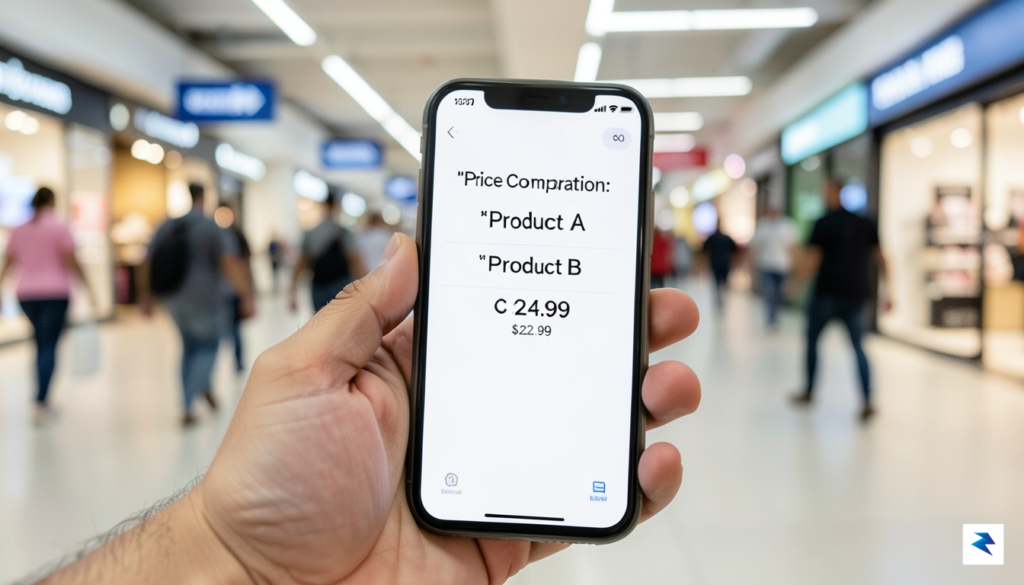
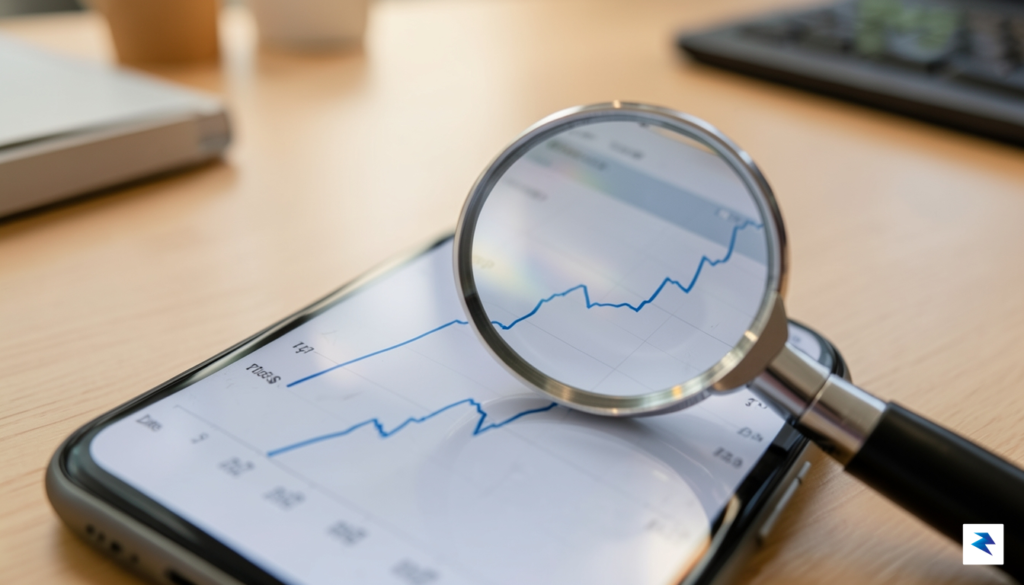
In a retail landscape where “sale” banners are plastered across every digital storefront, it is alarmingly easy to fall victim to psychological pricing tactics. Many retailers artificially inflate prices weeks before a major event or product launch, only to “discount” them back to their original retail value when shoppers are most eager to buy. To cut through this marketing noise, you must rely on objective data rather than promotional labels. Utilizing price-tracking tools like CamelCamelCamel (which is excellent for Amazon) or browser extensions such as Honey can provide you with a transparent look at an item’s historical pricing. By reviewing these price history charts, you can instantly see if a “30% off” deal is a legitimate bargain or simply a return to the item’s standard price point from a month ago.
Always remember: A discount is only as valuable as the price it is being compared against. If the “original” price was temporarily hiked to make the current deal look attractive, you aren’t saving money—you are merely paying the market rate.
Beyond checking the price history, it is equally important to scrutinize where that deal is coming from. While secondary marketplaces or third-party sellers on massive platforms might offer a tempting price tag that seems lower than official retailers, these savings often come with hidden costs regarding consumer protection. Always verify the warranty policy before you finalize your transaction. Apple products, in particular, carry a premium because of the brand’s robust support and warranty coverage. If you purchase from an unauthorized third-party seller, you risk receiving a device that is refurbished, non-genuine, or excluded from AppleCare eligibility, which could ultimately cost you more in repair fees down the road.
To ensure your investment is protected, stick to reputable retailers who provide clear terms of service and standard manufacturer warranties. Before hitting the checkout button, take a moment to compare the “deal” price against the official price listed on Apple’s own website. If the difference is negligible, it is almost always safer to buy directly from an authorized source. By combining the data-driven insights of price trackers with a healthy skepticism toward third-party marketplaces, you can navigate the current retail volatility with confidence, ensuring that your next iPad acquisition is a genuine victory for your wallet rather than a marketing trap.
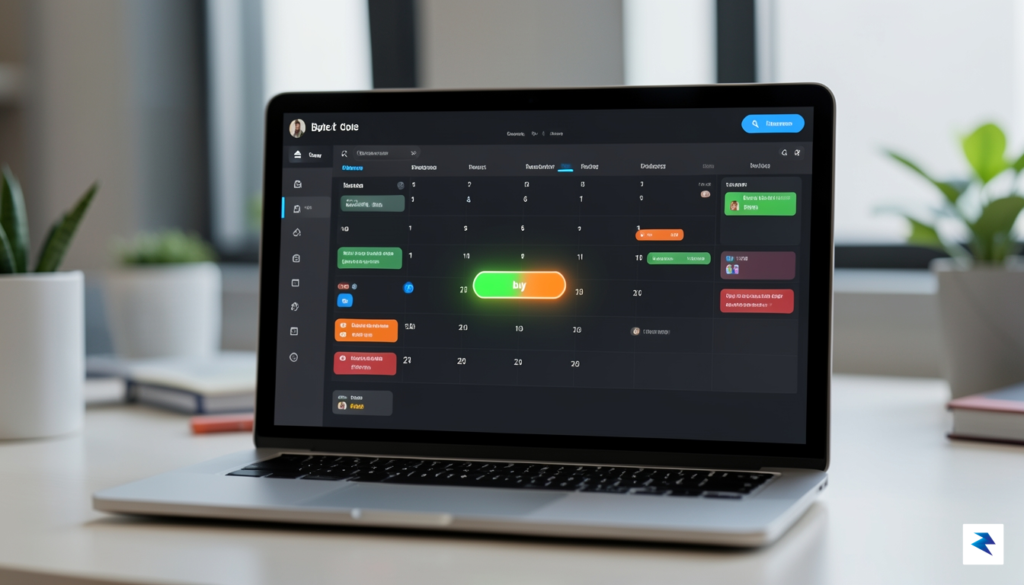
In the current tech landscape, the window of opportunity to secure current-generation hardware at legacy pricing is narrower than many consumers realize. When a manufacturer signals an imminent shift in pricing strategy, retailers often experience a rapid depletion of existing stock as savvy shoppers move to capitalize on the discrepancy between old and new price points. To navigate this effectively, you must treat your tech purchase with the same strategic foresight as a financial investment. Instead of waiting for a calendar-based sale—which may never arrive given the urgency of inventory turnover—you should prioritize availability over the hope of a minor additional discount. If you see your preferred model in stock at the original price, the risk of waiting for a “better deal” far outweighs the potential savings, as stock shortages often trigger an immediate move to the higher, updated market rates.
Monitoring stock levels requires more than just checking a single website; it involves observing the broader retail ecosystem. Major electronics outlets often update their inventory systems in real-time, meaning that a “low stock” warning on one site is a reliable indicator that the local supply chain is thinning across the board. Rather than refreshing a single page, utilize comparison tools to track multiple retailers simultaneously. If you notice that several major distributors are marking specific configurations as “out of stock” or “backordered,” it is a clear signal that the legacy price tier is about to disappear entirely. In this climate, hesitation is your greatest enemy; once inventory levels hit a critical threshold, retailers have no incentive to offer promotional pricing because the demand naturally outpaces the dwindling supply.
The Golden Rule of Value Acquisition: When a price hike is confirmed, the best price you will ever find is the current retail price before the transition occurs. Waiting for a hypothetical clearance event often leads to settling for less desirable specifications or missing the opportunity to purchase the device altogether.
Adopting a “value-driven” philosophy in a post-price-hike economy is essential for long-term satisfaction. This approach shifts the focus from chasing the absolute lowest price to ensuring you acquire the technology you need at the most sustainable entry point available. By securing your device now, you are effectively hedging against the inevitable inflation of entry-level hardware costs. Furthermore, purchasing while original stock remains allows you to select the exact storage capacity and color you prefer, rather than being forced to choose from whatever remnants are left on the shelf after the price adjustment takes hold. Ultimately, the most expensive tech purchase is the one you are forced to make later at a premium, simply because you waited too long to act on the current, favorable market conditions.
You must be logged in to post a comment.