The Best Prime Day Beauty Deals You Actually Need in 2026
Navigating Prime Day Beauty Sales Prime Day is undeniably the most frantic event on the beauty lover’s calendar, functioning as both a…
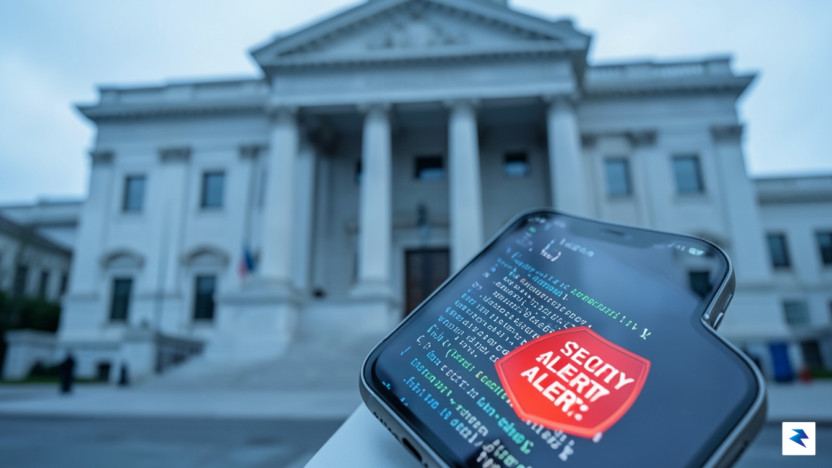
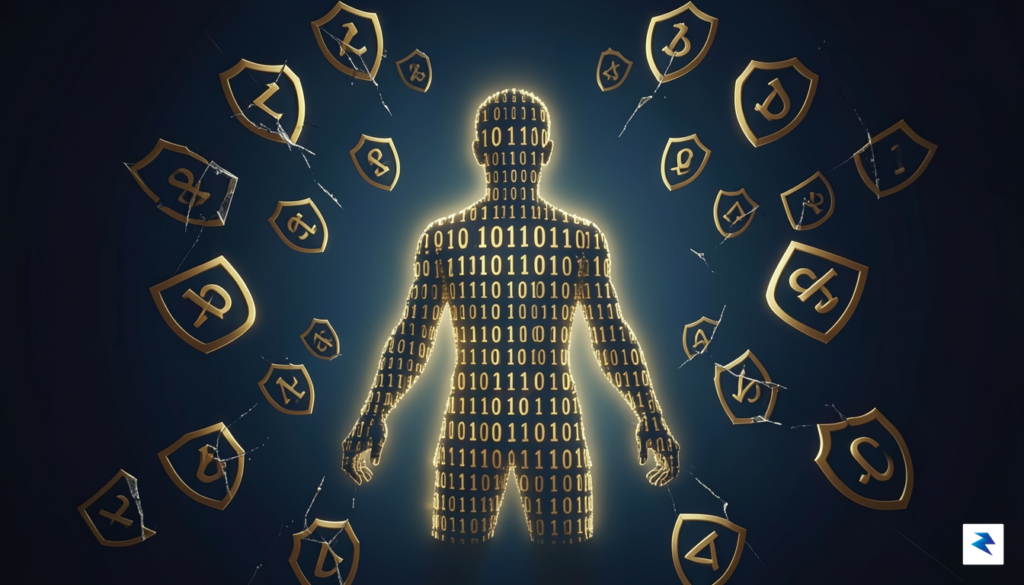
In the contemporary digital landscape, the boundary between an individual’s private life and their professional obligations has become dangerously porous. For national security officials, the convenience of the modern internet—ranging from social media connectivity to the aggregation of public records—has inadvertently created a comprehensive, searchable archive for adversarial intelligence services. What was once considered routine personal data, such as home addresses, family associations, and daily transit patterns, is now being weaponized as a strategic asset. The recent exposure of data originating from Dialog has underscored this reality, transforming what was traditionally viewed as a privacy concern into a profound, systemic threat to the integrity of the United States’ national defense infrastructure.

The evolution of Open Source Intelligence (OSINT) has fundamentally altered the playing field for state-sponsored espionage. Adversaries no longer need to rely solely on high-stakes, traditional human intelligence operations to map the inner workings of government agencies. Instead, they can leverage sophisticated data mining techniques to synthesize fragmented information found in public databases, property records, and social media activity. By aggregating these disparate data points, foreign entities can construct detailed profiles of personnel, identifying potential vulnerabilities, leverage points, or opportunities for coercion. This shift means that even the most mundane digital footprint—a forgotten account or an unscrubbed public record—can serve as a critical breadcrumb leading to sensitive operational details.
Intelligence officials and high-ranking defense personnel are, by definition, the primary targets of these efforts. Because these individuals hold access to classified systems and strategic decision-making processes, foreign intelligence services invest heavily in mapping their personal and professional networks. The Dialog exposure is particularly concerning because it highlights the sheer scale at which this data is accessible to those who wish to do harm. When such data is compromised, it does not just put one person at risk; it creates a ripple effect that compromises the security of the projects, operations, and policies they manage. The situation forces a re-evaluation of how much personal information is allowed to persist in the public domain, as every exposed record essentially provides a roadmap for hostile surveillance.
The democratization of data access has inadvertently handed an immense advantage to our adversaries, turning the routine digital lives of our public servants into a strategic liability that can no longer be ignored.
Ultimately, the gravity of this situation cannot be overstated. As the Pentagon investigates the implications of this incident, it must grapple with a world where total digital anonymity is nearly impossible to achieve. Protecting those who protect the nation requires a fundamental shift in how we handle the digital identities of government officials. Without a more rigorous approach to sanitizing the public-facing data of key personnel, the government remains susceptible to an intelligence environment where the most sensitive secrets are potentially undermined by the most accessible of digital footprints.
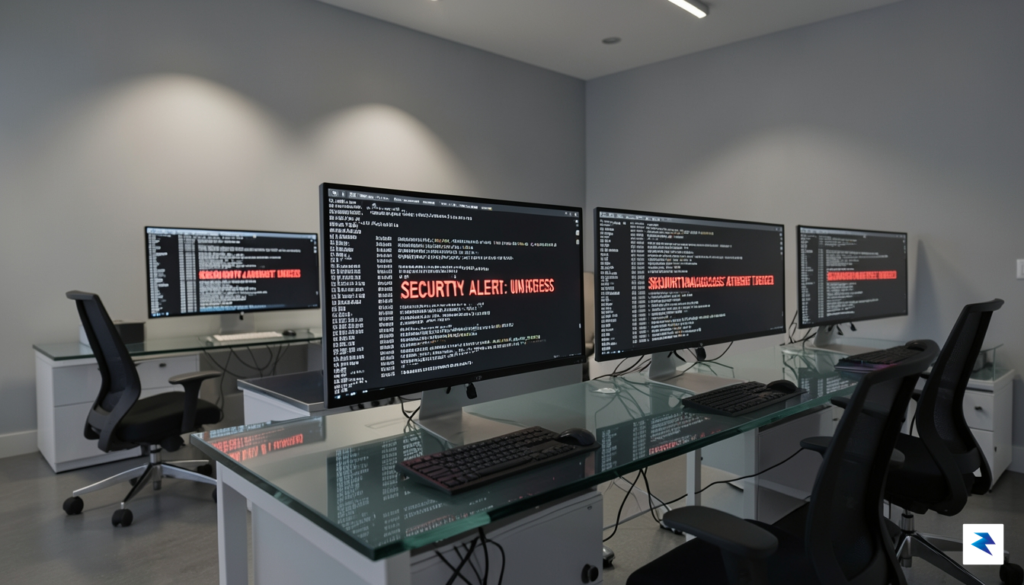
The Dialog platform, a digital space ostensibly designed for professional networking and private communication among an elite tier of experts, recently became the epicenter of a significant data security failure. Unlike a traditional state-sponsored cyberattack characterized by sophisticated malware or social engineering, this incident stemmed from what appears to be fundamental negligence regarding database configuration. The platform functioned as a repository for highly sensitive professional profiles, housing detailed information about individuals operating within the upper echelons of global intelligence, diplomacy, and defense. By failing to secure a misconfigured database, the organization inadvertently transformed a private professional directory into a public-facing ledger of national security assets.
The scope of the exposed data was exhaustive, covering a range of personally identifiable information (PII) that, when aggregated, created a roadmap for potential exploitation. Records within the database included full legal names, private email addresses, verified telephone numbers, and specific organizational affiliations. Most concerningly, the exposure linked these individuals to their precise roles within sensitive government agencies, including staff members associated with White House intelligence operations and various branches of the Pentagon. Because this data was stored in an unencrypted and accessible format, it did not require advanced hacking skills to harvest; rather, it was sitting in plain sight, awaiting discovery by anyone with the technical curiosity to look.
The timeline of discovery began when independent security researchers identified the vulnerable server while scanning for open, unsecured cloud storage buckets. Upon realizing the depth of the information contained within the Dialog repository, these researchers moved to alert the relevant authorities. It is crucial to distinguish this event from the coordinated, persistent campaigns often associated with foreign intelligence services. While nation-state actors frequently target the same individuals whose information was found here, this particular incident was not a targeted breach but an accidental leakage. The platform’s failure to enforce basic security protocols—such as password protection or restricted IP access—highlights the inherent risks of hosting sensitive personnel data on niche, private platforms that may lack the rigorous cybersecurity infrastructure of larger, more scrutinized enterprise systems.
The exposure serves as a stark reminder that in the modern intelligence landscape, the greatest threat to national security is often not an external adversary, but the failure to maintain basic digital hygiene on the platforms where our officials communicate.
Ultimately, this incident forces a critical re-evaluation of how governmental and defense personnel interact with third-party networking tools. When high-level officials join private platforms, they often assume that the security of their professional identity is managed by the service provider. However, as the Dialog case demonstrates, these assumptions can be dangerously misplaced. The fallout from this exposure is currently being managed by the Department of Defense, as officials work to assess the long-term implications for the safety and operational security of those whose information was compromised. This event underscores the urgent need for a more robust vetting process for digital platforms that handle the data of individuals whose identities are vital to the national interest.

When the personal details of a senior White House official or an active-duty special operations officer are compromised, the consequences extend far beyond the inconvenience of potential identity theft or financial fraud. For individuals operating within the national security apparatus, the exposure of Personally Identifiable Information (PII) acts as a roadmap for adversarial intelligence agencies. By aggregating fragmented pieces of data—such as home addresses, family member names, and past duty stations—hostile actors can effectively map out complex social networks and professional hierarchies. This visibility provides foreign intelligence services with the necessary leverage to identify vulnerabilities, whether through direct harassment, digital reconnaissance, or the sophisticated manipulation of personal circumstances.
The core danger of this specific data exposure lies in the application of “mosaic theory,” a long-standing intelligence discipline. In this context, adversaries do not need a single “smoking gun” document to compromise an official; instead, they collect disparate, seemingly innocuous data points to construct a comprehensive profile of an individual’s life. When these small pieces of information are layered together, they reveal behavioral patterns, daily routines, and even the physical locations of sensitive facilities where these officials work. Consequently, a leak that might seem minor to the average citizen becomes a force multiplier for foreign adversaries, accelerating their ability to conduct counter-intelligence operations with unprecedented precision and reduced effort.
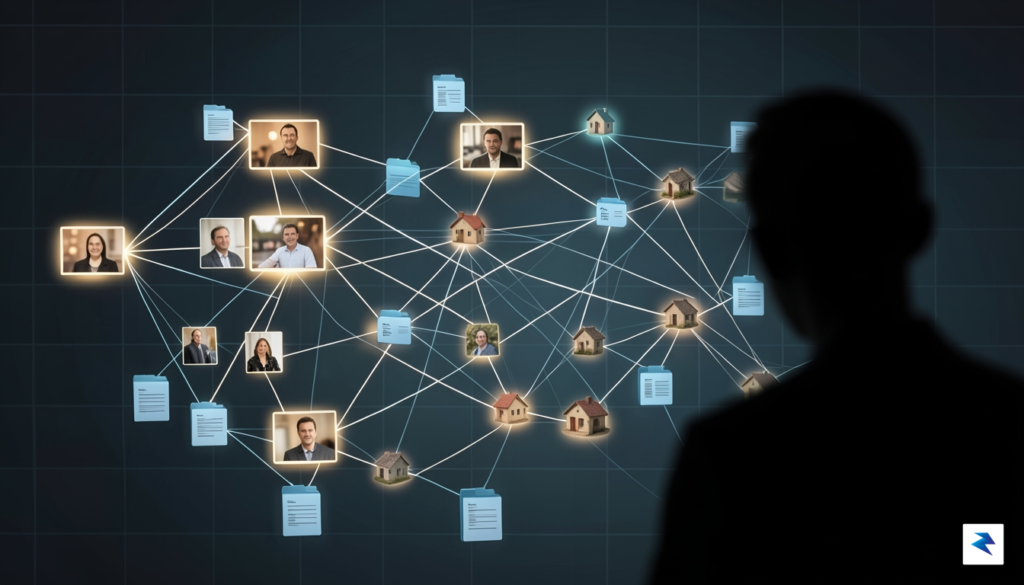
The true risk of a data breach involving national security personnel is not the loss of data itself, but the transition from digital exposure to physical vulnerability.
Furthermore, the psychological toll of this exposure cannot be overstated. When intelligence officers or military personnel realize that their private lives are effectively on public display, the risk of coercion increases exponentially. An adversary who knows the specific details of an official’s private life—their financial pressures, their familial relationships, or their personal habits—gains a significant advantage in recruitment efforts or blackmail attempts. This creates a volatile security landscape for the Department of Defense, as they are forced to shift from proactive intelligence gathering to reactive force protection. The Pentagon must now grapple with the reality that, in an era of hyper-connectivity, the digital footprint of a public servant has become a critical front line in the ongoing struggle for national security.
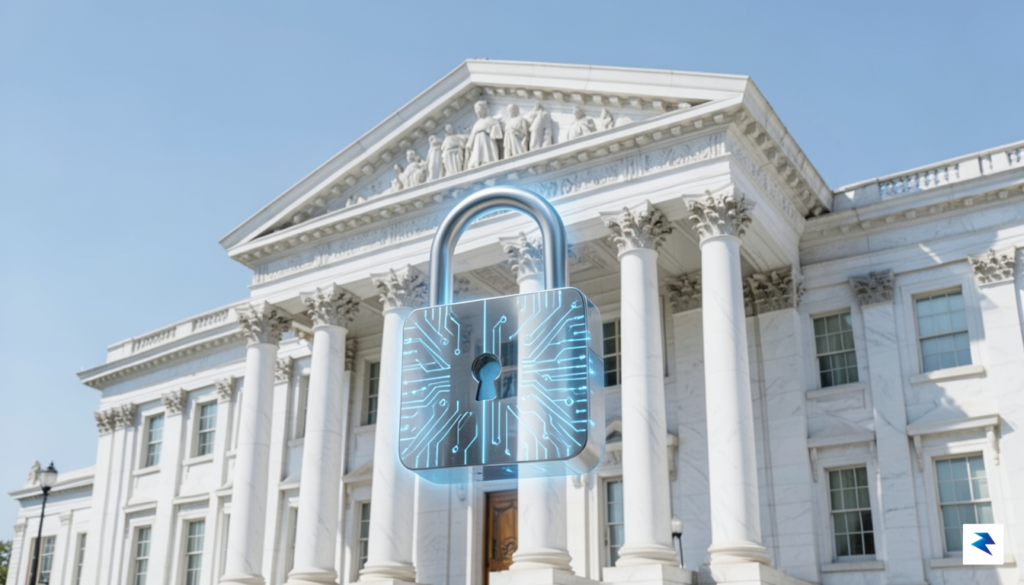

The immediate launch of a formal investigation by the Pentagon into the Dialog data exposure underscores a significant pivot in how defense officials view the intersection of private digital activity and national security. For years, the vulnerability of personnel data—ranging from location history to granular behavioral patterns—was viewed as a secondary concern compared to direct cyber-espionage. However, the realization that commercial data aggregators can effectively unmask clandestine officials has forced the Department of Defense to treat personal privacy as a critical component of operational security. Investigators are currently conducting a comprehensive audit to determine the extent of the compromised information, working to identify whether specific intelligence assets were exposed to foreign adversaries who purchase these datasets on the open market.
Regulatory efforts to curb this threat face a formidable challenge: the sheer ubiquity of data brokerage in the modern economy. Federal agencies operate within a legal framework that struggles to restrict how private corporations collect and monetize the digital footprints of government employees. Because these data points—such as smartphone telemetry or app usage logs—are often harvested through ostensibly legal means, the Pentagon lacks the direct authority to stop the flow of information at its source. Consequently, officials are grappling with a complex policy dilemma: how to protect the digital identities of cleared personnel without imposing draconian restrictions on their private lives that might inadvertently harm morale or hinder recruitment.
The exposure of personal data is no longer just a privacy issue; it is a tactical liability that demands a complete reassessment of how we manage the digital signatures of our most sensitive assets.
To address these systemic vulnerabilities, the federal government is moving toward a more rigid internal protocol regarding the digital hygiene of security-cleared personnel. New directives are being drafted to require heightened operational security training, specifically focusing on the dangers of location-tracking applications and the risks associated with third-party data collection. Furthermore, there is an increasing push for “digital compartmentalization,” where individuals in high-stakes roles may be advised or required to use encrypted hardware, limit social media interaction, and employ strict privacy settings that obfuscate their real-world movements. By shifting the burden of security from the agency to the individual, the Pentagon hopes to create a more resilient defensive posture against the pervasive threat of data-driven intelligence gathering.

The recent exposure of sensitive information linked to national security officials highlights a jarring vulnerability in our modern intelligence infrastructure: the intersection of personal digital footprints and professional liability. As high-risk individuals navigate an increasingly interconnected world, the traditional boundaries between private life and classified duty have effectively dissolved. To mitigate these risks, the intelligence community must adopt a rigorous standard of digital hygiene that treats personal data as a legitimate national security asset. This requires moving beyond basic password management toward a comprehensive strategy of data minimization, where officials are trained to actively scrub their digital presence, limit the proliferation of personal identifiers across commercial platforms, and utilize privacy-preserving technologies to mask their movements and associations.

However, individual vigilance is insufficient without a parallel transformation in federal oversight regarding the private data-brokering ecosystem. The current reality is that commercially available data—often purchased legally by third parties—can be aggregated to create detailed profiles of personnel, effectively unmasking them through pattern analysis and location tracking. Congress and federal agencies must collaborate to establish stricter regulatory frameworks that restrict the sale of sensitive geolocation and demographic data when it pertains to individuals cleared for national security work. By curbing the unchecked expansion of the data brokerage industry, the government can effectively reduce the “attack surface” available to foreign adversaries who utilize these commercial channels to compromise our human intelligence assets.
True operational security in the digital age is no longer just about guarding secrets; it is about managing the vast, unintended trail of breadcrumbs we leave behind in our daily digital interactions.
Ultimately, this crisis demands a profound cultural shift within the national security establishment. For too long, the intelligence community has viewed personal digital exposure as a secondary concern, secondary to the protection of classified hardware and communications. Agencies must now integrate OpSec training into the very fabric of an official’s career, moving from periodic briefings to a continuous, proactive model of identity protection. This includes fostering an environment where personnel are encouraged to report potential exposures without fear of professional reprisal, treating a compromised digital profile with the same urgency as a compromised signal intelligence source. By institutionalizing these practices, the government can ensure that those who protect the nation are not left vulnerable by the very technology that defines the 21st-century battlefield.
You must be logged in to post a comment.