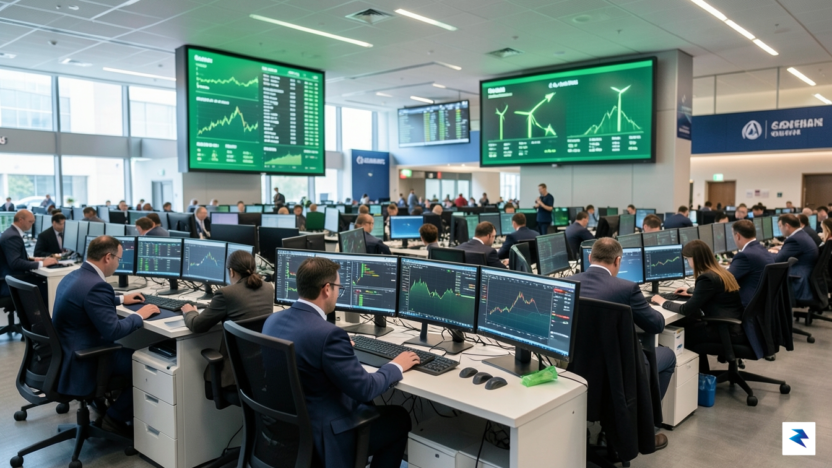
Understanding the Shift: Why Oil Prices Have Stabilized
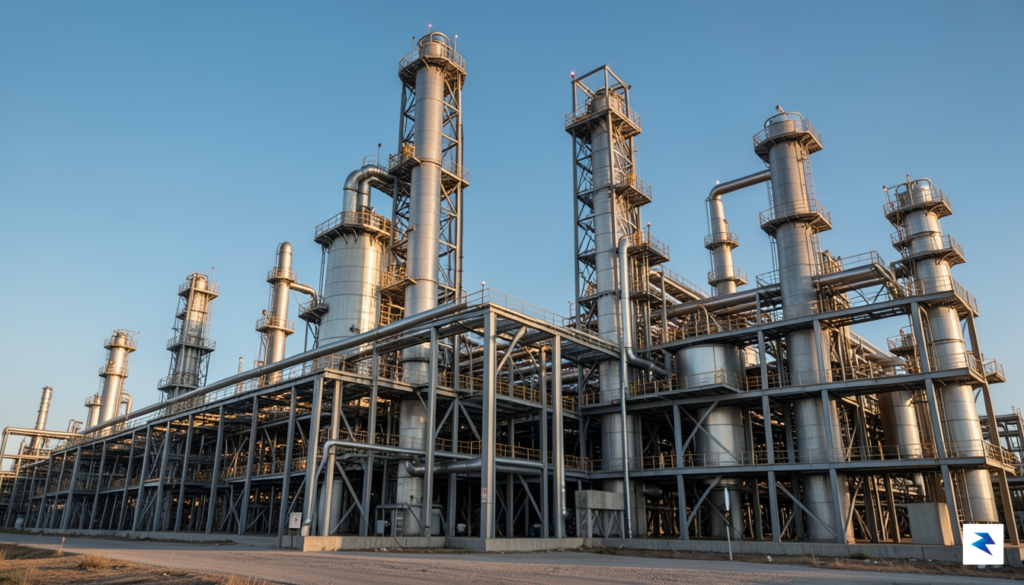
The recent descent of crude oil prices back to pre-conflict benchmarks serves as a compelling indicator of how global energy markets process geopolitical shock. Following the initial outbreak of hostilities, the immediate market reaction was characterized by a reflexive surge in prices, driven largely by fears of a systemic supply breakdown. For four months, traders operated under the assumption that regional instability would disrupt essential maritime shipping routes and trigger a cascade of supply shortages. However, as the initial shock has dissipated, the market has transitioned from a state of reactive panic to a more calculated, if still cautious, assessment of long-term logistical reality.
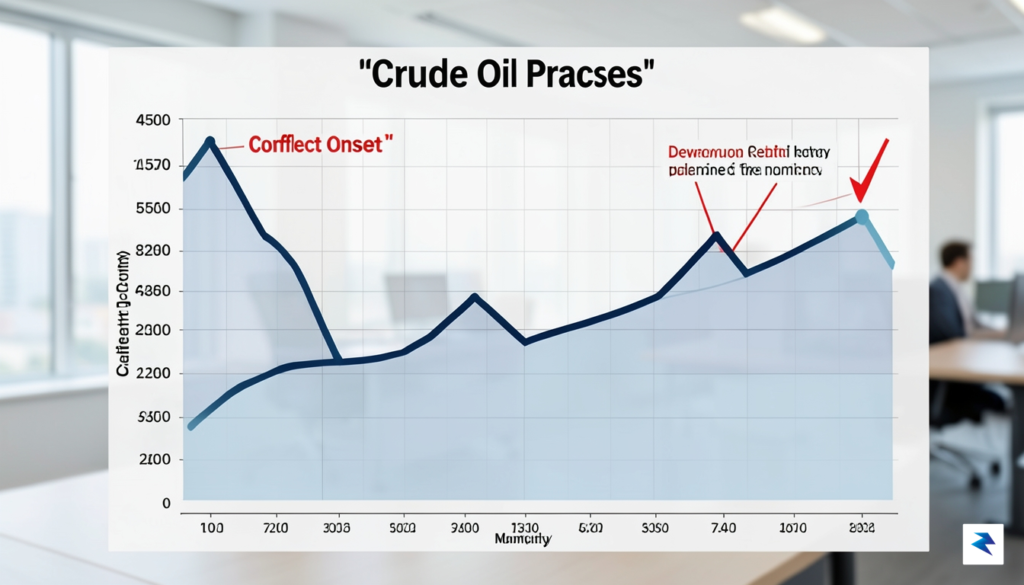
A primary factor in this stabilization is the remarkable resilience of global supply chains, which proved far more adaptable than early-stage analysts predicted. While geopolitical tensions remain high, international trade routes have largely adjusted to the new landscape, with shipping operators finding alternative logistics strategies to bypass high-risk zones. This structural adaptation has effectively neutralized the “fear premium” that had artificially inflated the cost of a barrel of oil throughout the preceding months. By prioritizing consistent flow over speculative concern, industry players have effectively signaled to the market that the physical movement of petroleum is less vulnerable to regional friction than previously feared.
The return to pre-conflict price levels underscores a fundamental reality of modern commodities: markets are ultimately driven by the cold, hard data of supply and demand, rather than the temporary heat of geopolitical rhetoric.
Furthermore, the cooling of prices has been reinforced by strategic interventions from major producing nations and the prudent deployment of national reserves. By maintaining output levels that satisfy current demand, key producers have successfully signaled that there is no imminent danger of a systemic scarcity. This move was complemented by the calculated release of strategic reserves, which provided the necessary buffer to prevent price volatility from spiraling into a broader economic crisis. Consequently, the combination of disciplined production management and the normalization of supply routes has created a fragile but functional equilibrium. While the threat of volatility remains inherent in the current geopolitical climate, the market’s return to its baseline suggests that stakeholders have successfully recalibrated their expectations for the near term.
The Economic Ripple Effect: Global Markets and Energy Costs

Energy prices effectively serve as the heartbeat of the global economy, dictating the rhythm of industrial output and consumer purchasing power. When crude oil costs escalate, the financial burden cascades through every layer of the supply chain, manifesting as inflationary pressure that touches everything from the price of a gallon of milk to the cost of international shipping. Because energy is a fundamental input in the production and distribution of nearly all goods, a sustained spike in oil prices acts as a hidden tax on both businesses and households. Conversely, the recent return of oil prices to prewar levels acts as a critical de-escalation mechanism, providing a much-needed cooling effect on an overheated global market.

The correlation between oil prices and the broader inflation rate is direct and undeniable. In the shipping and manufacturing sectors, fuel is often the most volatile variable in operational budgets; when energy prices drop, transport companies see immediate relief in their margins, which eventually leads to lower freight costs for retailers. This creates a disinflationary environment where businesses no longer feel the urgent need to pass aggressive price hikes onto the end consumer to offset overhead costs. As manufacturing inputs become more affordable, companies can stabilize their supply chains and focus on output volume rather than defensive pricing strategies.
The stabilization of energy costs serves as a vital release valve for the global economy, signaling a shift from reactive crisis management to a more sustainable period of price normalization.
Furthermore, this decline in energy costs provides essential breathing room for central banks tasked with managing monetary policy. For months, policymakers have been forced to maintain high interest rates to dampen the persistent inflation fueled by expensive energy imports. With oil returning to more historical norms, the upward pressure on the Consumer Price Index (CPI) eases, granting central banks the flexibility to reconsider aggressive rate hikes. This shift is significant because it suggests a path toward a “soft landing,” where the economy avoids a deep recession while successfully bringing inflation back under control. As energy costs stabilize, the macroeconomic outlook moves from a state of fragility to one of cautious optimism, allowing both governments and private entities to plan for long-term growth with a greater degree of financial predictability.
Geopolitical Stability and Supply Chain Normalization

The stabilization of global energy markets is inextricably linked to the restoration of maritime security, particularly across the critical transit corridors that were recently threatened by regional conflict. Following months of heightened volatility, the successful implementation of reinforced security protocols and enhanced naval cooperation has effectively reopened vital shipping lanes. This shift has transitioned the movement of crude oil and liquefied natural gas from a state of emergency maneuvering to a predictable, logistical rhythm. As physical supply chains normalize, the anxiety that once gripped tanker operators and insurance underwriters has begun to dissipate, allowing for a more consistent and fluid delivery of energy resources to global ports.

Diplomatic initiatives have played a pivotal role in this cooling-off period, acting as the essential ballast for a market prone to reactionary swings. Sustained engagement between international stakeholders and regional powers has served to replace the impulsive, fear-driven trading strategies of the early conflict months with a more calculated approach. By establishing clear communication channels and de-escalation frameworks, these diplomatic efforts have effectively signaled to the market that the most immediate existential threats to energy infrastructure have been contained. This newfound sense of predictability is not merely symbolic; it is a fundamental shift in how traders and investors perceive the long-term risk associated with the region.
The transition from a market fueled by conflict-induced panic to one governed by fundamental supply-and-demand dynamics marks the end of the most volatile phase of the global energy crisis.
Consequently, the so-called “war-risk premium”—an additional surcharge baked into the price of every barrel of oil to account for potential disruption—has been systematically unwound. For months, the market was pricing in the worst-case scenarios, inflating costs for consumers and businesses alike. Now, as the threat of an immediate escalation fades into a managed, long-term geopolitical challenge, these premiums are vanishing. The return to prewar price levels signifies more than just a lower number at the pump; it represents a collective market acknowledgment that the worst of the crisis has been averted, fostering a renewed environment of confidence that is vital for sustained economic growth.
Consumer Impact: What Lower Prices Mean for Your Wallet
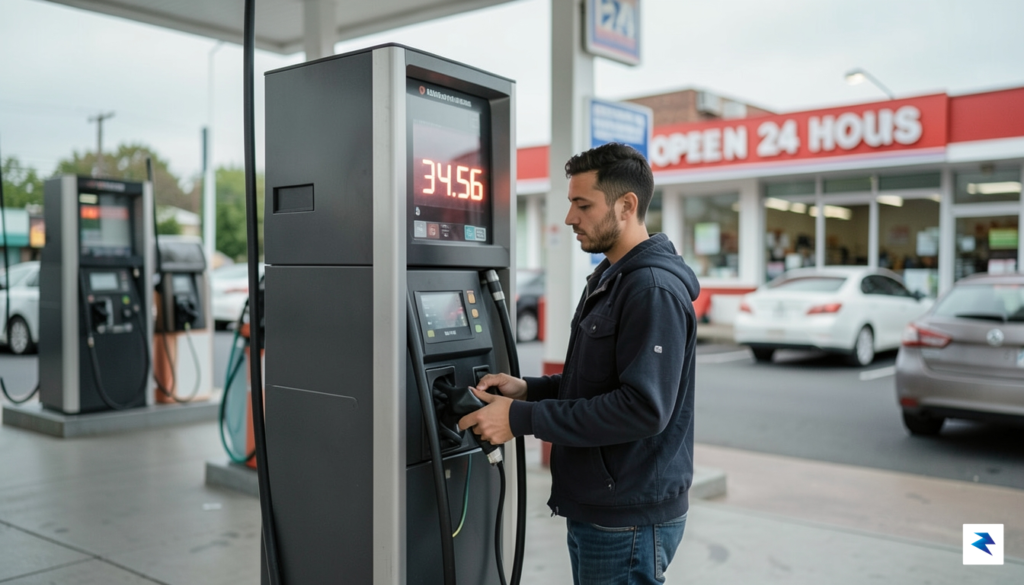
For the average household, the most immediate and tangible relief arrives at the local gas station, where declining crude oil prices translate into a lower cost per gallon at the pump. However, this initial savings is merely the visible tip of an economic iceberg. As energy costs retreat toward pre-conflict levels, the ripple effect begins to permeate the entire supply chain, eventually lowering the overhead for businesses that rely on heavy logistics. Because nearly every physical product—from the produce in the grocery aisle to the appliances in your kitchen—must be moved via truck, rail, or ship, the reduction in fuel expenses acts as a broad-based deflationary pressure on the cost of goods sold.

The timeline for this transition is rarely instantaneous, often lagging by several weeks or even months as companies work through existing inventory and adjust their logistics contracts. When transportation costs decrease, shipping fleets and trucking companies experience lower operating margins, which allows for competitive pricing in the freight market. Over time, as these savings are passed along, retailers find themselves with more flexibility to lower prices or offer promotions without eroding their bottom line. Consequently, the average family may begin to notice a stabilization, or even a slight decline, in the weekly grocery bill and the cost of essential household items, effectively increasing their discretionary income.
Lower energy costs act as a silent stimulus, providing households with greater flexibility to manage inflationary pressures without having to sacrifice their standard of living.
Beyond the simple math of monthly expenses, this shift in energy pricing plays a pivotal role in shaping consumer confidence. When the cost of necessities like fuel and food stabilizes, the psychological burden of inflation begins to lift, allowing consumers to feel more secure in their financial planning. This newfound sense of stability often leads to increased participation in the broader economy, as individuals feel more comfortable directing their surplus funds toward services, leisure activities, or long-term savings. By reducing the “hidden tax” imposed by high energy prices, the current market correction offers a crucial boost to purchasing power, helping to restore a healthier balance between household income and the cost of living.
The Road Ahead: Navigating Future Energy Volatility
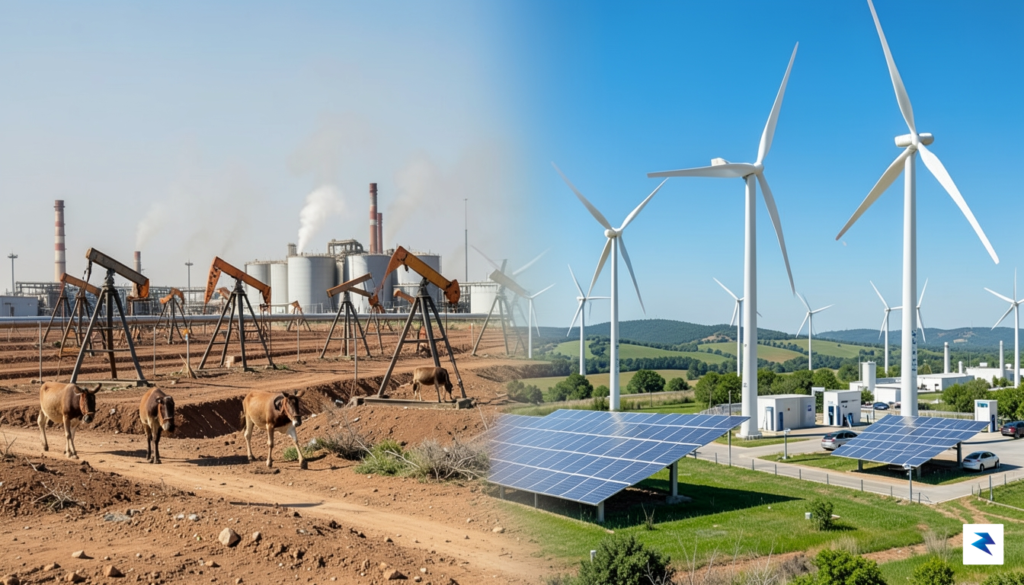
While the recent stabilization of oil prices toward pre-conflict levels offers a much-needed reprieve for global markets and household budgets, it would be a strategic error to mistake this temporary calm for a permanent resolution to energy insecurity. The volatility experienced over the last several months served as a stark, systemic wake-up call, exposing the fragility of global supply chains that have long been over-reliant on concentrated energy sources. Moving forward, the global economy must transition from a mindset of passive consumption to one of active, structural resilience, acknowledging that the energy landscape remains susceptible to geopolitical tensions and unforeseen supply disruptions.
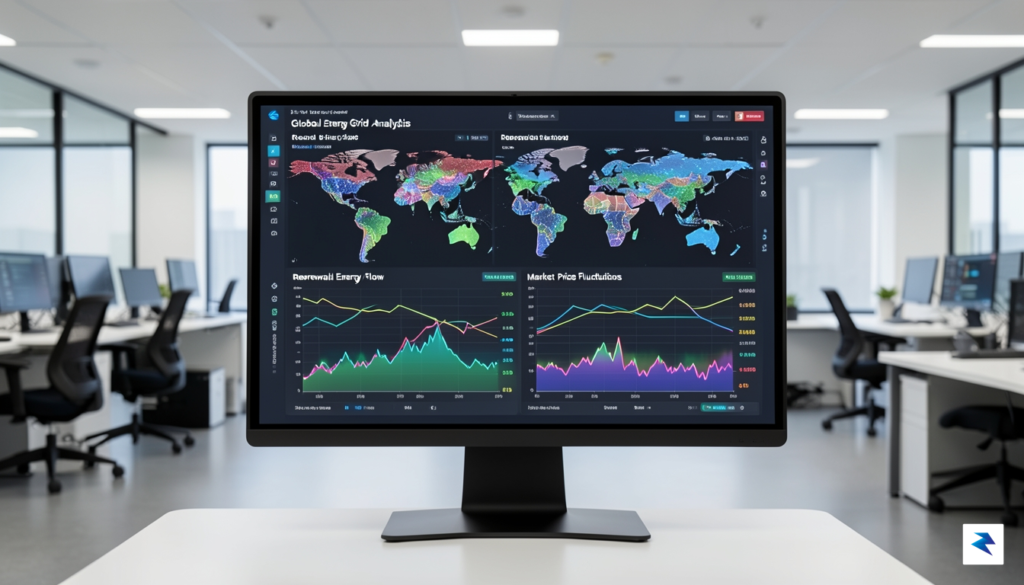
The primary lesson of the recent crisis is that energy security is not merely a matter of price, but of diversification. Relying heavily on any single fuel type—or a specific, geographically concentrated supply route—creates a single point of failure that can cripple industrial productivity and inflate costs overnight. To build a more robust future, nations and corporations must accelerate the integration of a multi-pronged energy portfolio. This means not only scaling up renewable sources like wind, solar, and hydrogen but also investing in the grid infrastructure and storage capabilities required to make these intermittent sources reliable baseload power. Diversification acts as an essential hedge; when oil markets fluctuate, a portfolio fortified by domestic renewables and efficient energy storage provides a necessary buffer against external volatility.
True energy security in the 21st century will not be found in the total abandonment of fossil fuels, but in the intelligent, aggressive diversification of how we power our world to ensure no single variable can destabilize the entire system.
For businesses and individual consumers alike, hedging against future spikes requires a proactive shift in strategy. Businesses should prioritize energy efficiency audits and investments in onsite generation, such as commercial-scale solar or thermal recovery systems, which can significantly reduce exposure to volatile spot prices. On an individual level, transitioning toward electrified appliances and improving home insulation are no longer just environmental choices—they are economic safeguards. By reducing the overall intensity of energy demand, both households and firms insulate themselves from the inevitable price swings that characterize global commodities. Ultimately, navigating the road ahead demands that we treat energy as a strategic asset rather than a basic utility, fostering an infrastructure that is flexible, resilient, and prepared for the next unforeseen challenge.