
Arduino Uno Q Price Hike: What Developers Need to Know
Understanding the Arduino Uno Q Price Adjustment The landscape of hobbyist and industrial computing is shifting as Arduino confirms a…
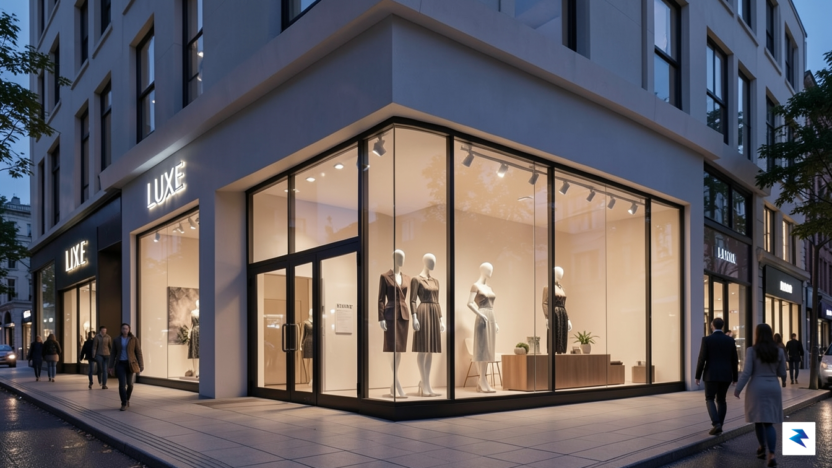
The journey toward bankruptcy was not a sudden collapse, but rather the culmination of years of shifting consumer habits, mounting debt obligations, and the relentless pressure of a rapidly digitizing retail landscape. Like many legacy department stores, the institution formerly known as Saks struggled to reconcile its traditional, brick-and-mortar-heavy business model with the modern expectations of an increasingly mobile and convenience-driven clientele. As profit margins thinned and the weight of capital expenditures became untenable, the organization found itself at a critical crossroads. The decision to file for bankruptcy was an admission that the old ways of operating were no longer viable, yet it simultaneously served as a vital mechanism to restructure debt, renegotiate onerous lease agreements, and shed the fiscal burdens that had long stifled innovation.
In the wake of these financial difficulties, the emergence as Exemplar Luxury Group represents far more than a mere cosmetic adjustment. It is a strategic pivot designed to signal a complete departure from the instability that defined the company’s recent past. By adopting a name that evokes a gold standard of quality and precision, the leadership team is attempting to distance the entity from the stigma of financial distress. This rebranding is intended to serve as a beacon for stakeholders, assuring both wary investors and loyal consumers that the company is no longer the struggling legacy retailer of yesterday, but a lean, modernized powerhouse poised to dictate trends in the high-end market.
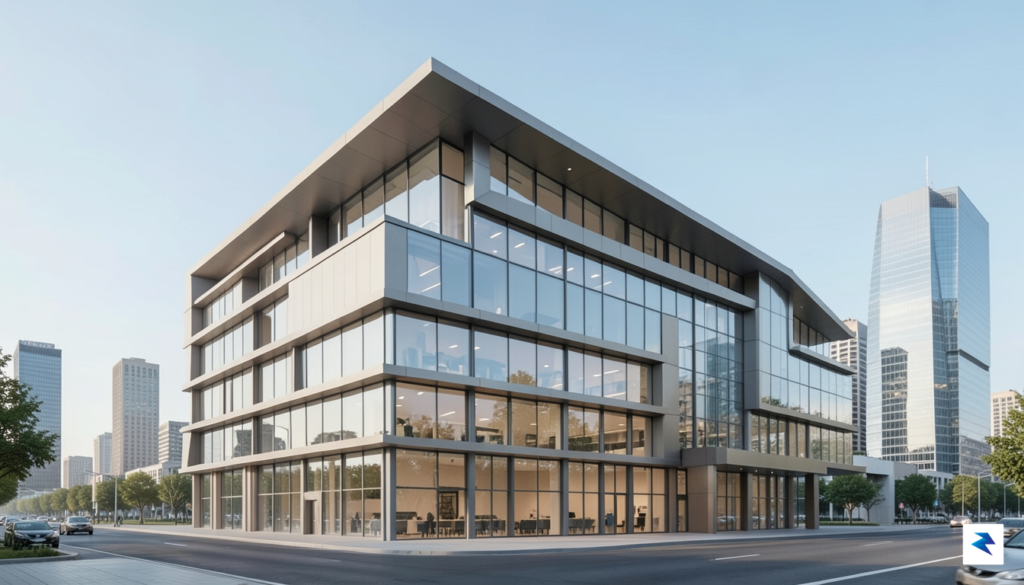
“The transition to Exemplar Luxury Group is a deliberate act of shedding the past to embrace a future where agility and brand prestige serve as our primary pillars for long-term growth and stability.”
Shedding the legacy identity is essential for restoring confidence in a sector where brand perception is fundamentally linked to perceived solvency. When a company is steeped in the history of bankruptcy, it often faces a perception hurdle that can discourage high-end vendors and premium partners from engaging in long-term commitments. By rebranding, the organization effectively hits the reset button on its corporate narrative. This transition invites a fresh appraisal of its operational capabilities, allowing the new Exemplar Luxury Group to curate a market-leading experience that focuses on exclusivity and high-touch service rather than the sheer volume of floor space. Ultimately, this transformation is about convincing the world that the company has not only survived its darkest chapter but has actively used that experience to refine its vision for a more sustainable and profitable future.
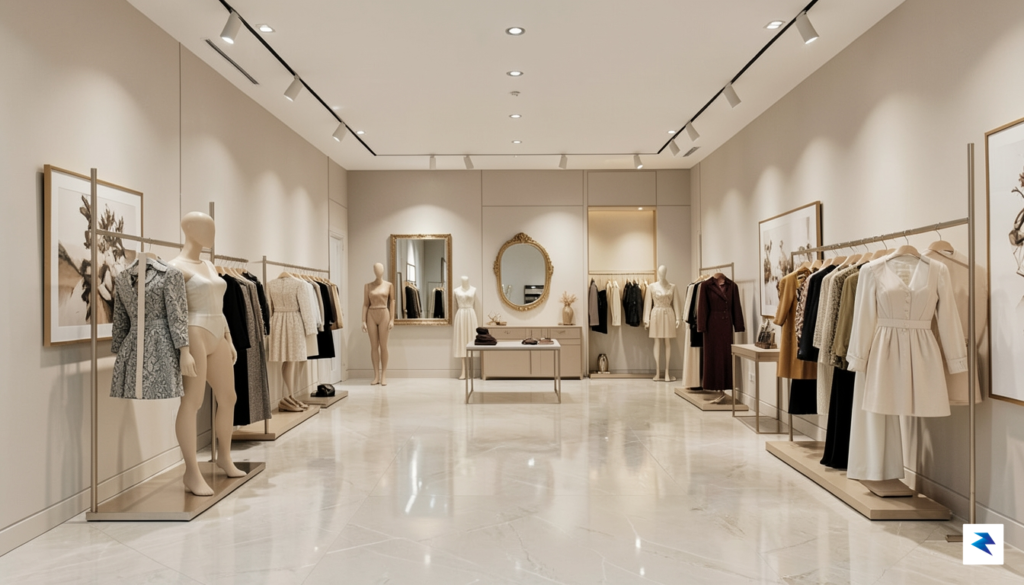
The transition into the newly minted Exemplar Luxury Group represents far more than a mere rebranding exercise; it is a fundamental reconfiguration of the company’s retail DNA. For years, the organization struggled under the weight of a sprawling portfolio that diluted its brand equity and scattered its operational resources across disparate segments. By making the difficult decision to divest from peripheral business lines and underperforming assets, the company has signaled a move toward a more disciplined, “asset-light” retail model. This strategic narrowing of focus is designed to strip away the institutional bloat that often accompanies legacy retail conglomerates, allowing leadership to redirect capital and human talent toward the core mission: the high-end, brick-and-mortar luxury experience.
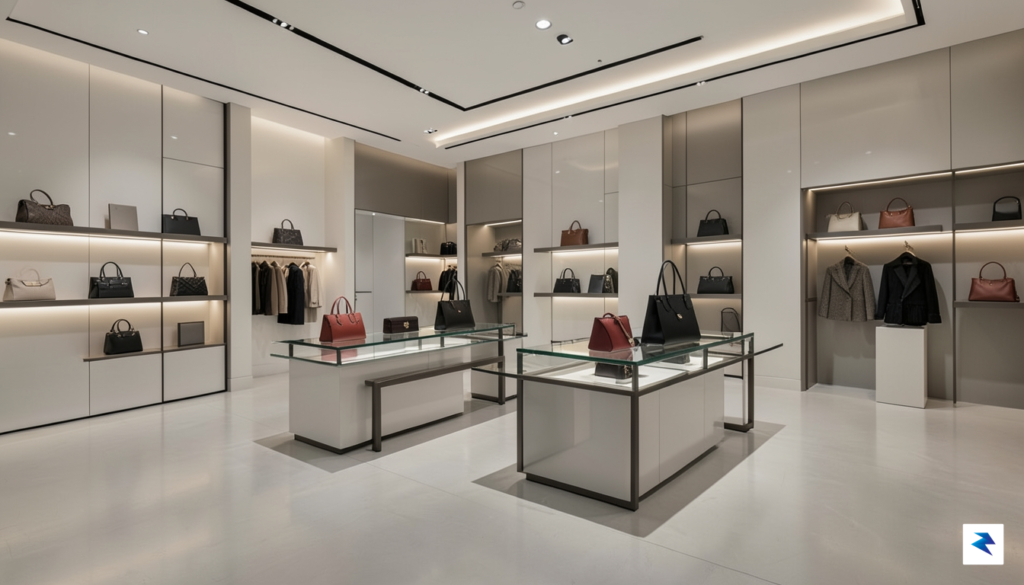
Central to this pivot is the realization that in the modern retail landscape, mediocrity is the enemy of survival. By shedding non-core segments that failed to align with the premium positioning of the flagship brand, Exemplar is effectively clearing the decks to prioritize quality over sheer scale. This consolidation allows for a more rigorous curation of luxury partnerships, ensuring that every brand featured on the floor resonates with the discerning tastes of their primary demographic. Rather than attempting to be a destination for every consumer, the company is doubling down on the elite shopper, creating a refined ecosystem where exclusivity and personalized service are not just goals, but the baseline expectation.
The future of luxury retail lies in depth, not breadth. By narrowing our focus, we are empowering our teams to deliver a level of service and brand storytelling that simply cannot be achieved in a fragmented corporate structure.
Furthermore, this shift toward a focused retail model is expected to yield significant improvements in operational agility. With a leaner portfolio, the company can respond more quickly to shifting fashion trends and evolving consumer demands without being tethered to the logistical complexities of tangential businesses. This streamlined approach fosters a more cohesive customer journey, whether a client is browsing in a flagship boutique or engaging with the brand’s digital platforms. By concentrating its resources, Exemplar is not just cutting costs; it is investing in a superior, high-touch shopping environment that reinforces its status as a premier destination for luxury goods in an increasingly competitive global marketplace.
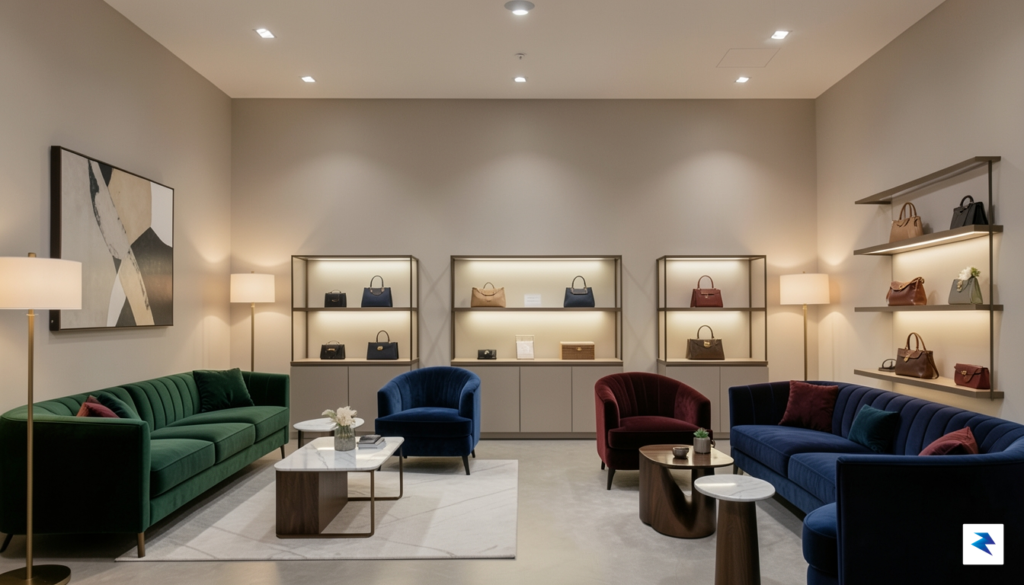
For the loyal shopper, the emergence of the newly minted Exemplar Luxury Group signifies far more than a simple shift in corporate nomenclature; it represents a fundamental recalibration of what it means to shop at the intersection of heritage and modern convenience. The company is pivoting toward a high-touch, “white-glove” service model that aims to eliminate the friction often associated with high-end retail. In-store, customers can expect a move away from the traditional, crowded department store floor plan toward a more intimate, curated environment. This shift includes the rollout of dedicated personal shopping suites and appointment-based styling services designed to offer a bespoke experience that feels less like a transaction and more like a private consultation with a fashion authority. By prioritizing these personalized interactions, the brand is actively bridging the gap between the tactile, sensory joy of physical browsing and the efficiency of modern luxury retail.
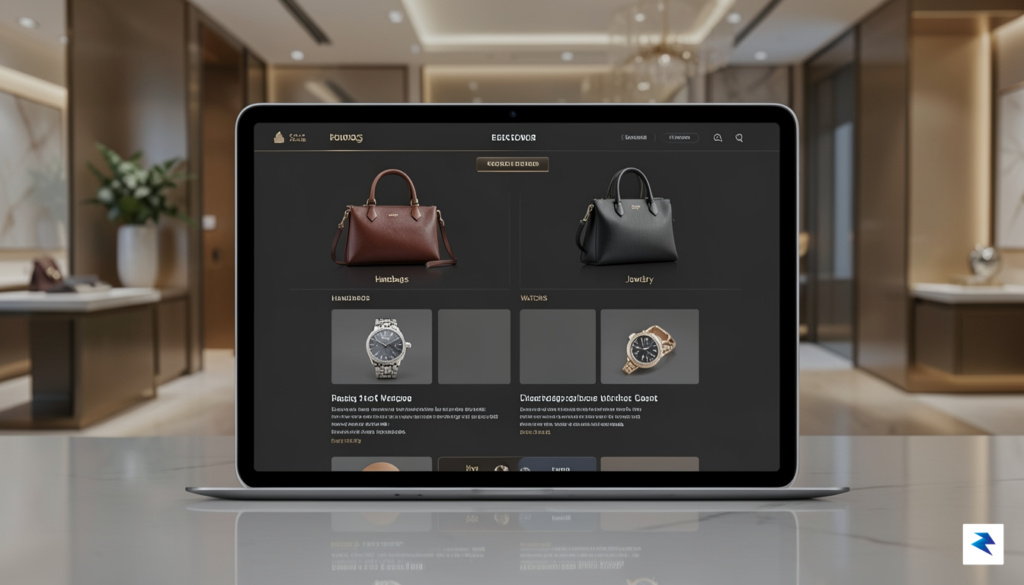
The digital evolution of the platform is equally ambitious, as the company works to harmonize its online presence with this new identity. Users will notice an interface overhaul that prioritizes seamless navigation, high-definition editorial content, and a more intuitive concierge-style checkout process. The goal is to ensure that the online experience feels like a natural extension of the physical store, allowing shoppers to transition between the two without a drop in service quality or brand consistency. Furthermore, the digital platform will leverage enhanced data insights to provide curated product recommendations that respect the shopper’s individual aesthetic, ensuring that the digital storefront feels as personalized as a visit to a flagship location.
“Our transformation is not just about aesthetics; it is about setting a new standard for the relationship between the retailer and the discerning customer, where every digital click and physical visit feels purposeful and elevated.”
Beyond the physical and digital redesigns, the company is intensifying its focus on exclusive brand partnerships to cement its status in the luxury landscape. In a world where luxury goods are increasingly commoditized, Exemplar Luxury Group is curating a selection of “first-to-market” exclusives and limited-edition collaborations that cannot be found elsewhere. These partnerships are designed to create a sense of urgency and scarcity, rewarding loyal customers with access to unique pieces that reinforce their personal style. By securing these high-profile alliances, the brand is not only distinguishing itself from mass-market competitors but is also providing its clientele with a compelling reason to remain deeply engaged with the ecosystem, ensuring that the shopping experience remains both fresh and perpetually relevant.
For years, the retail landscape has been dominated by the narrative of the “retail apocalypse,” a pervasive sentiment suggesting that the rise of e-commerce giants would inevitably render the traditional department store an artifact of the past. While mass-market retailers have certainly struggled to maintain relevance against the convenience and scale of digital marketplaces, the high-end sector has demonstrated remarkable resilience. This endurance is rooted in the fact that luxury is not merely a transaction; it is an experience, a tactile engagement, and a curated journey that algorithms and automated shipping labels simply cannot replicate. By rebranding as Exemplar Luxury Group, the organization is acknowledging that the future of brick-and-mortar retail does not lie in competing with the sheer volume of online platforms, but in doubling down on the irreplaceable value of exclusivity and human connection.
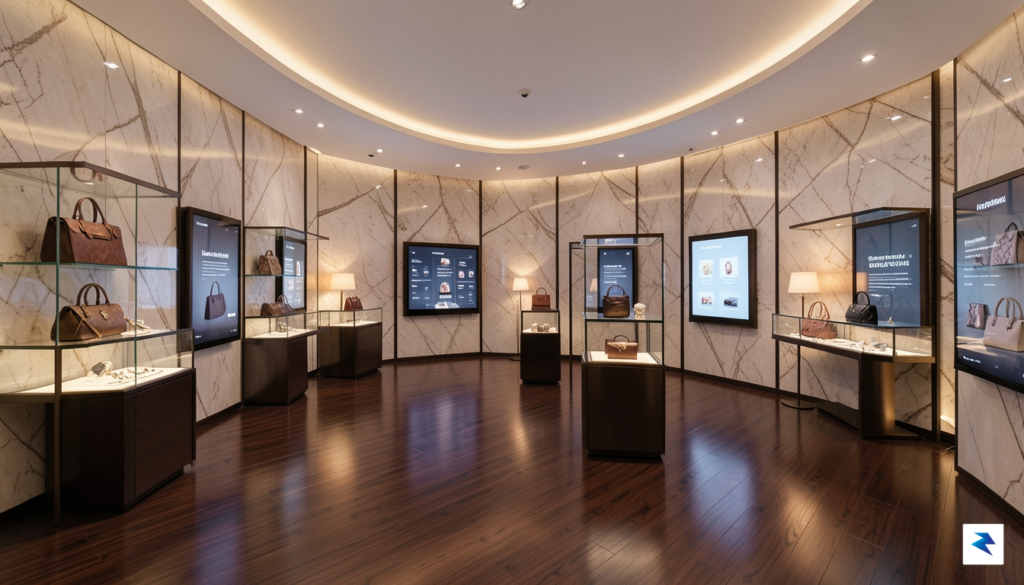
The core of this strategic pivot involves a sophisticated “phygital” approach—a seamless fusion of physical environments and digital innovation. Rather than viewing online and offline channels as separate entities, Exemplar intends to use its digital infrastructure to enhance the in-store experience, allowing for personalized concierge services, real-time inventory visibility, and bespoke styling sessions that begin on a smartphone and culminate in a private fitting room. This model creates a closed-loop ecosystem where technology serves to elevate the human touch rather than replace it. While mass-market chains are forced to compete on razor-thin margins and speed, Exemplar is positioning itself to compete on depth, expertise, and the prestige of a physical presence that serves as a brand sanctuary.
Success in the modern era requires moving beyond the transactional. Luxury retail is shifting toward a model of invitation and intimacy, where the store acts as a theater for the brand, and the digital platform acts as the backstage pass.
Furthermore, the contrast between Exemplar’s new model and that of struggling legacy retailers could not be more stark. Where traditional department stores often failed by attempting to be everything to everyone, Exemplar is narrowing its focus to cultivate a distinct, aspirational identity. By shedding the baggage of outdated operational structures, the group is now agile enough to pivot alongside evolving consumer preferences. This evolution suggests that the department store is not dying, but rather undergoing a necessary metamorphosis. As long as there is a consumer appetite for discovery, personal service, and the tangible luxury of a premium shopping environment, there will be a vital space for entities that prioritize meaningful human interaction over the cold efficiency of mass-market digital commerce.

Emerging from the shadow of bankruptcy is undeniably a landmark achievement for Exemplar Luxury Group, yet the transition marks the beginning of a grueling marathon rather than a victory lap. To reclaim its former stature, the organization must demonstrate that its newly streamlined corporate structure is more than just a fiscal survival tactic; it must prove that a leaner operation can effectively cultivate the exclusivity and high-touch service that defined its heritage. Investors and market analysts are now shifting their focus toward a set of critical performance indicators that will determine whether this transformation yields sustainable growth or merely delays an inevitable decline. Among these, comparable store sales, inventory turnover ratios, and customer acquisition costs in the digital space will be the primary metrics under the microscope in the coming quarters.
The path forward is fraught with significant risks that could impede even the most well-intentioned strategic pivots. Global luxury spending is currently characterized by extreme volatility, influenced heavily by shifting macroeconomic conditions and a discerning consumer base that is increasingly prioritizing value alongside prestige. Exemplar Luxury Group must navigate the treacherous waters of brand dilution, a common pitfall for companies attempting to balance mass-market appeal with the rarefied air of high-end fashion. If the brand pivots too aggressively toward accessibility to drive volume, it risks alienating its core base of ultra-high-net-worth individuals; conversely, if it remains too rigid, it may fail to capture the next generation of affluent spenders who demand a more integrated, omnichannel experience.
Success for Exemplar Luxury Group will not be measured by the size of its footprint, but by the strength of its margin and the resonance of its brand equity in a digital-first economy.
Ultimately, the long-term sustainability of the group hinges on its ability to marry its storied history with modern operational agility. While the reduction in debt and overhead provides a necessary buffer, the company must now reinvest in the intangible assets that drive luxury demand: impeccable craftsmanship, exclusive partnerships, and a seamless customer journey. The market outlook remains cautiously optimistic, acknowledging that while the foundation has been stabilized, the company is still operating in a landscape crowded with agile competitors and legacy conglomerates with deeper pockets. Whether Exemplar Luxury Group can truly reclaim its crown will depend on its capacity to execute a consistent vision that justifies its position at the top of the price pyramid, ensuring that the brand remains a symbol of aspirational quality rather than a relic of retail cycles past.
You must be logged in to post a comment.